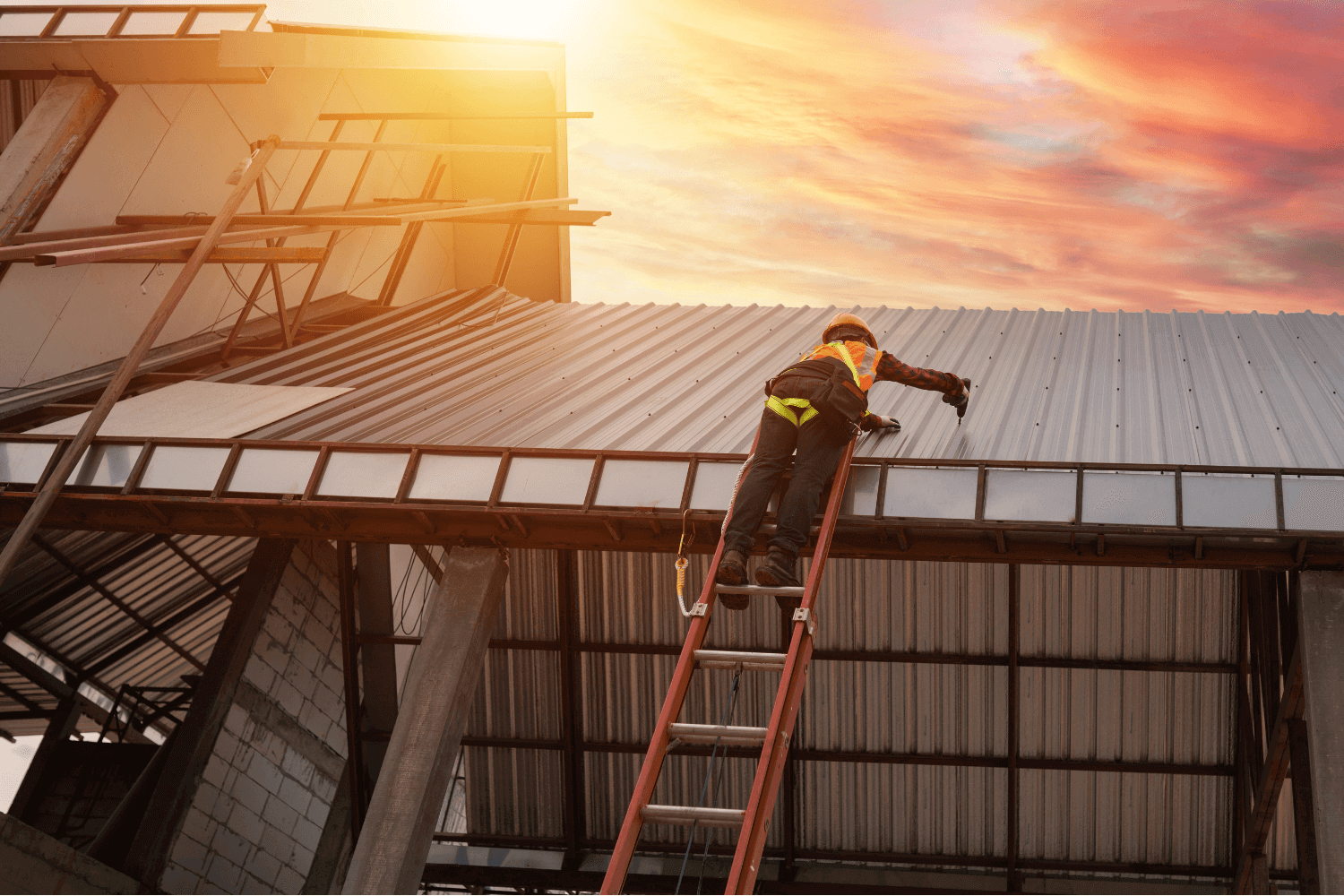
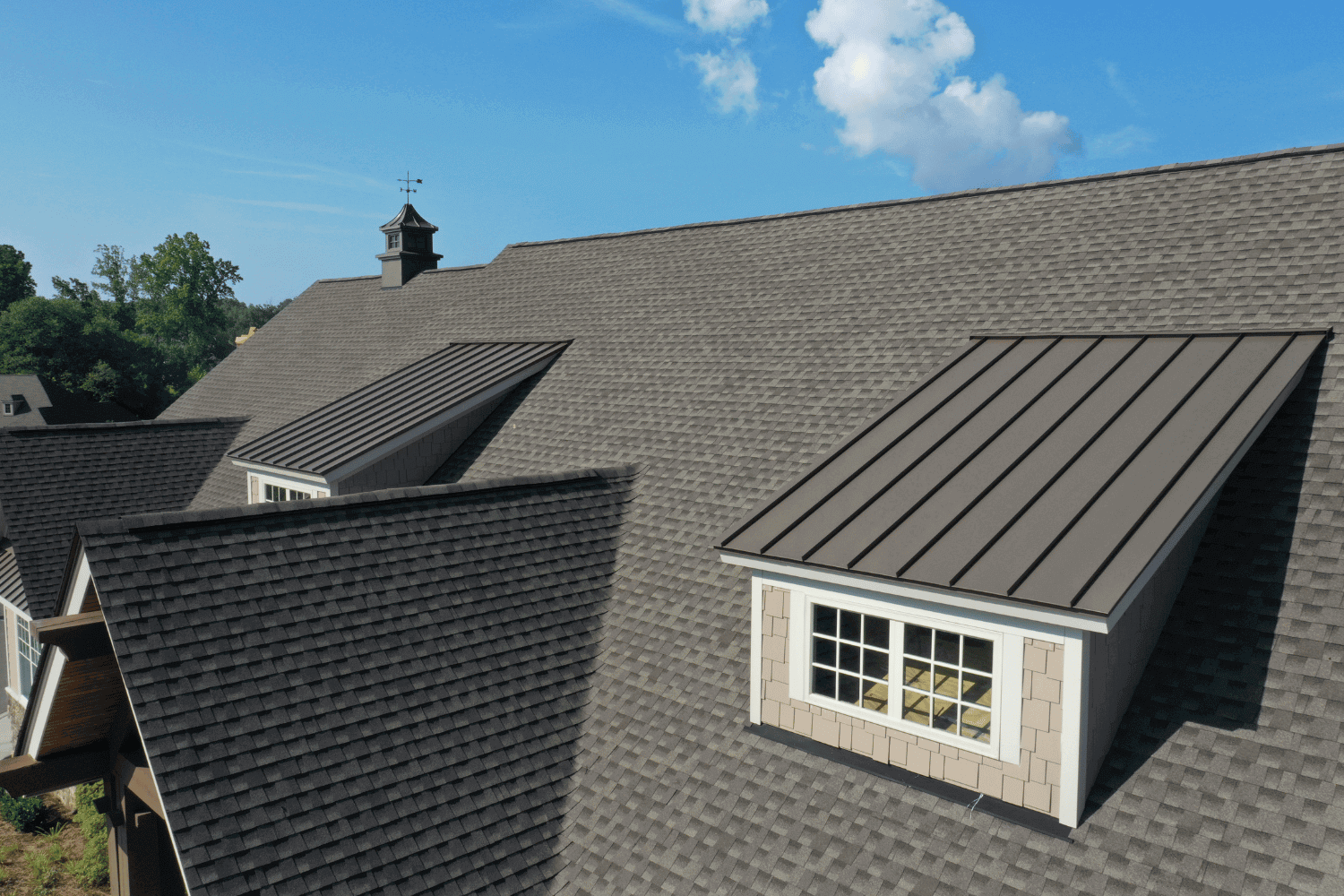
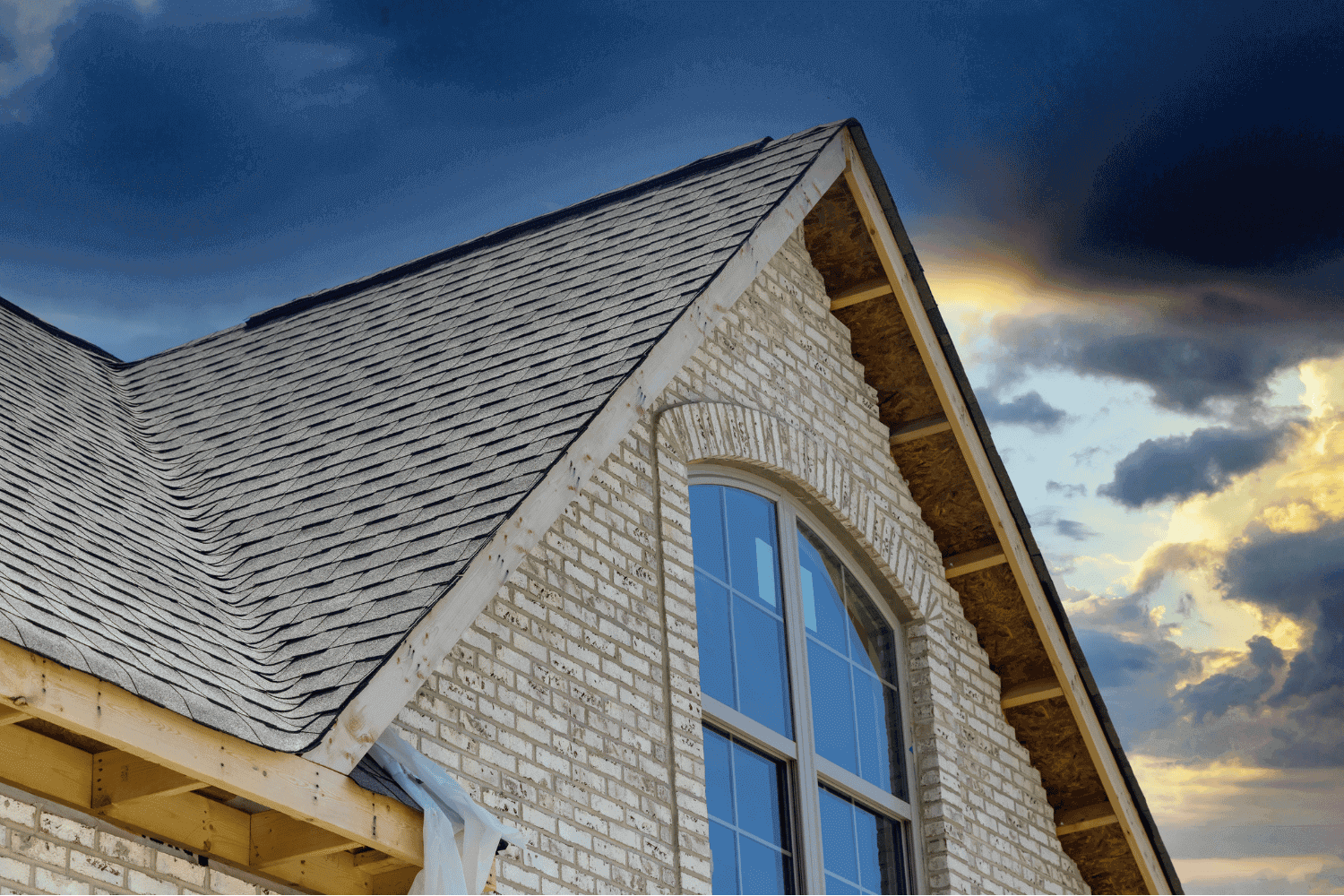
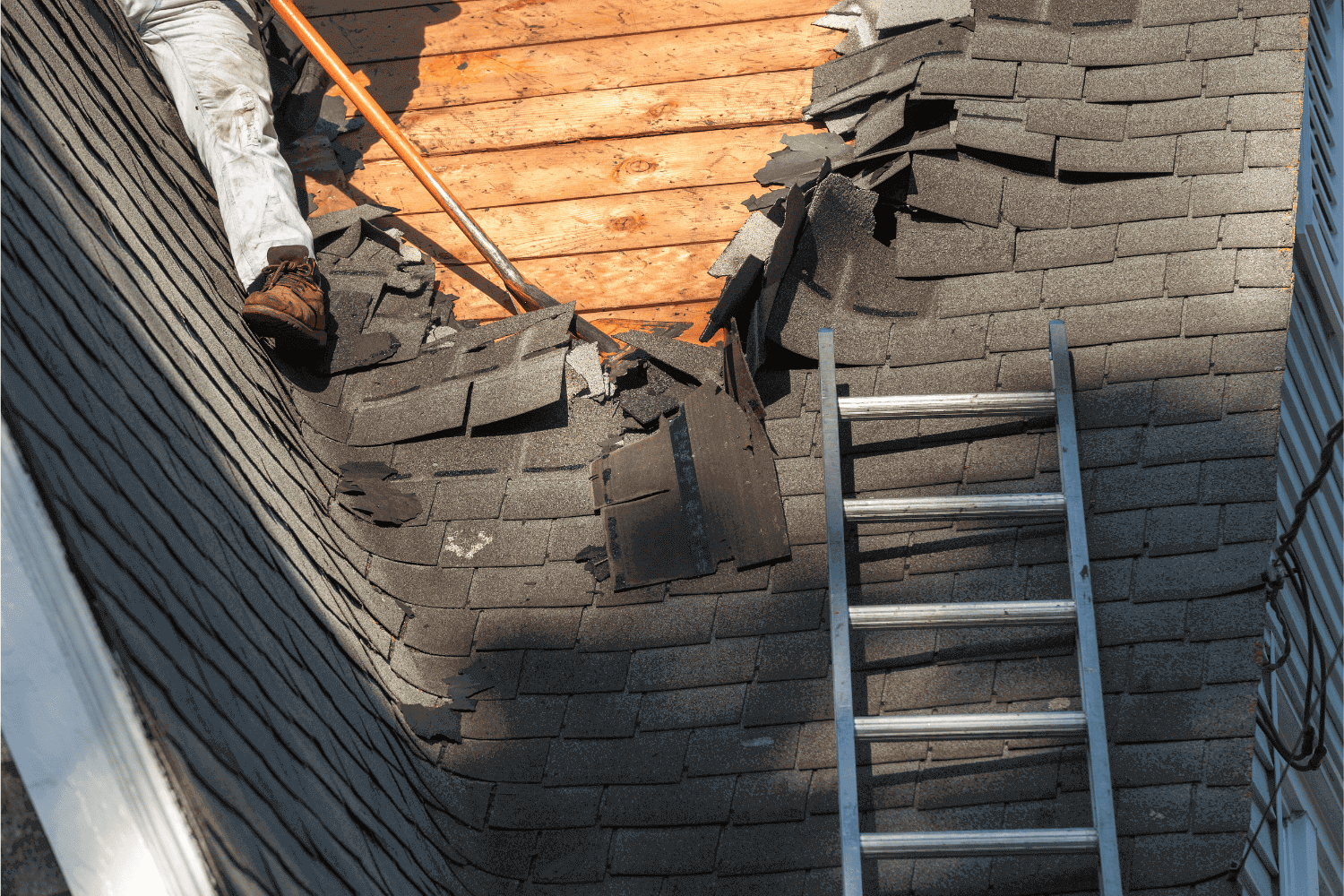
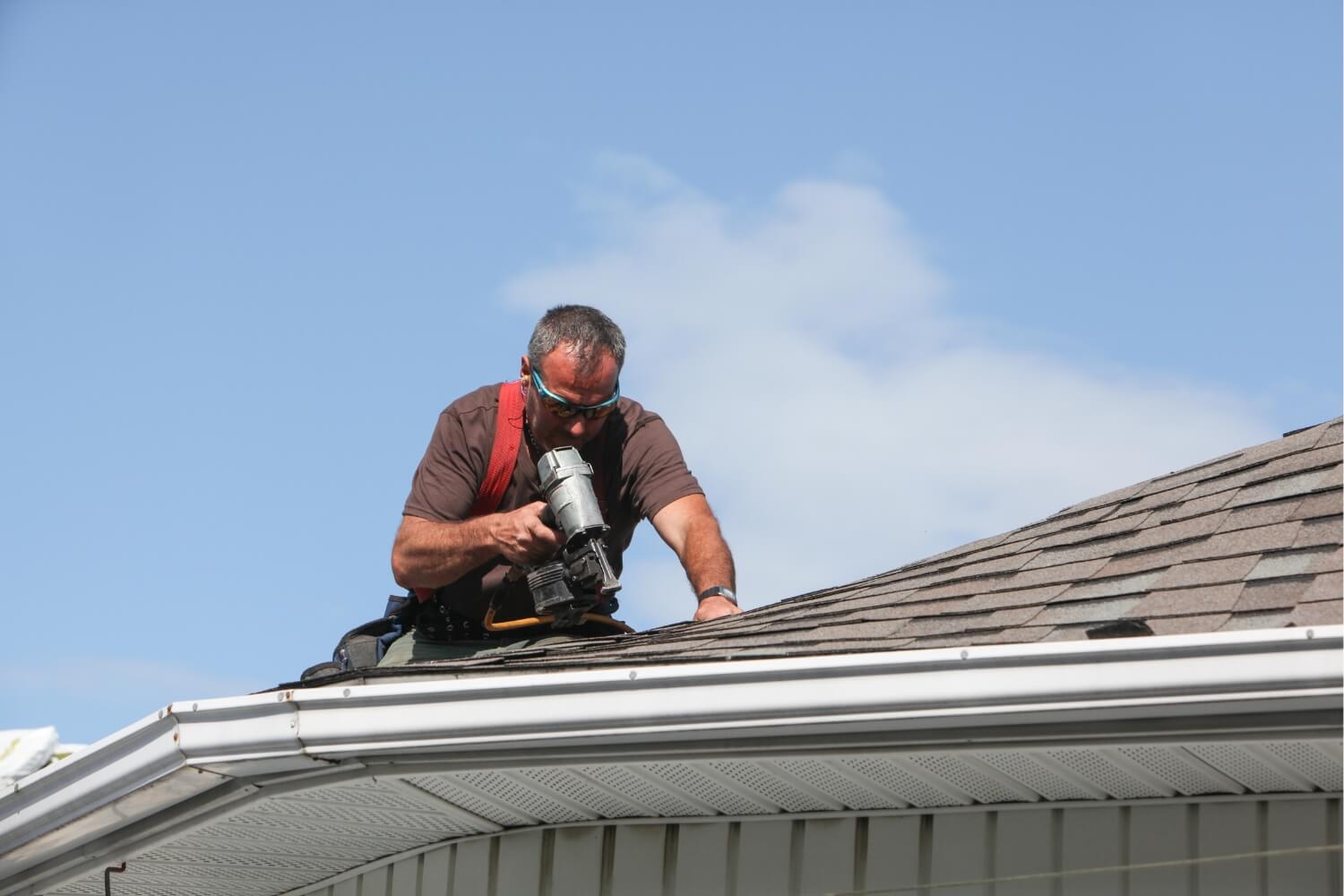
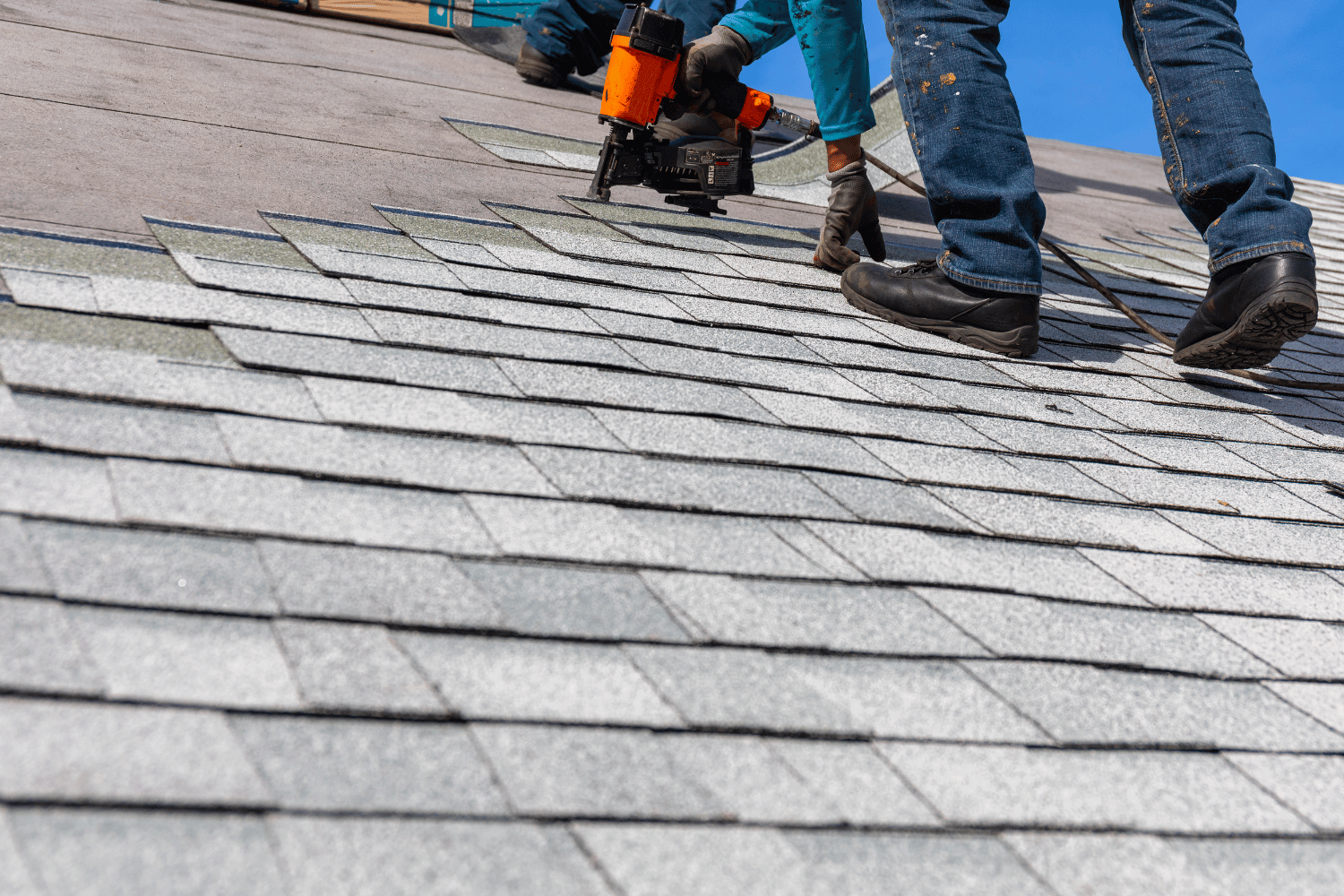
A professional roofing contractor inspecting a hail-damaged roof

What Does Hail Roof Damage Look Like?

What Does Hail Roof Damage Look Like?

So what does hail roof damage look like? Hail storms can wreak havoc on your roof, leaving it vulnerable to leaks and further issues. In this guide, we’ll show you how to spot the signs of hail damage on various roofing materials, such as asphalt shingles, wood shingles, and metal roofs, so you can take action before the damage worsens.

Key Takeaways

  • Different roofing materials react uniquely to hail, making it essential to identify specific damage signs like dents, granule loss, and fractures quickly.
  • Timely inspections by professional contractors after a hail storm can prevent further roof damage and ensure accurate insurance claims.
  • Understanding your insurance policy regarding hail damage, including ACV and RCV coverage, is crucial for minimizing out-of-pocket costs during repairs.

Identifying Hail Damage on Different Roofing Materials

An image showing roofing materials affected by hail damage

Hail storms can wreak havoc on roofs, but the damage they cause can vary significantly depending on the type of roofing material. Recognizing these differences allows for proper assessment and repair. Whether you have asphalt shingles, wood shingles, or metal roofing, understanding how hail impacts these materials will help you spot roof hail damage more effectively.

Each type of roofing material reacts differently to hail impacts. For instance, what might appear as a minor dent on a metal roof could be a significant crack on asphalt shingles. Understanding these distinctions helps accurately identify hail damage and determine the necessary repairs. This knowledge not only helps in maintaining your roof but also in filing accurate insurance claims.

Let’s delve deeper into how to identify hail damage on different roofing materials.

Asphalt Shingles

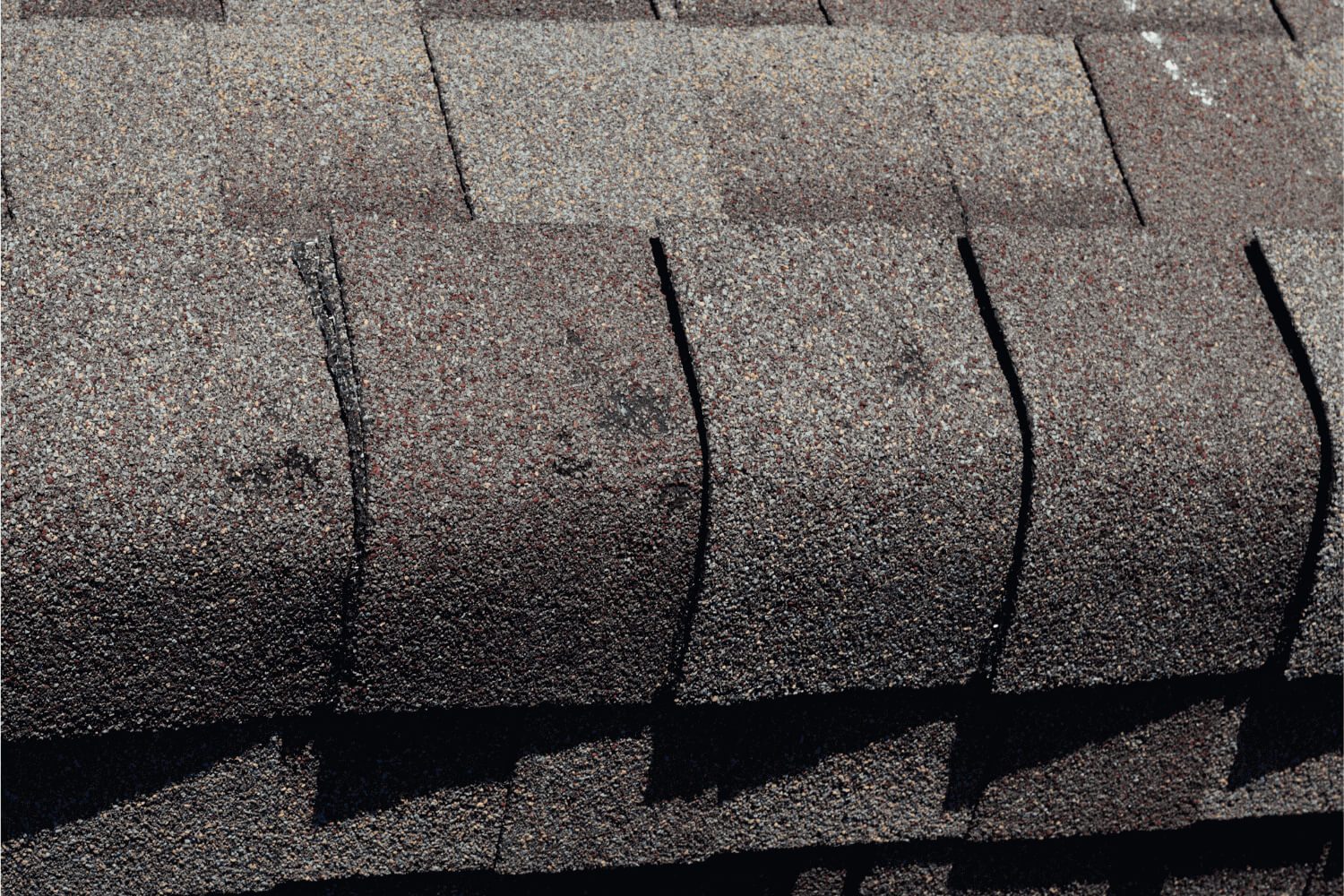
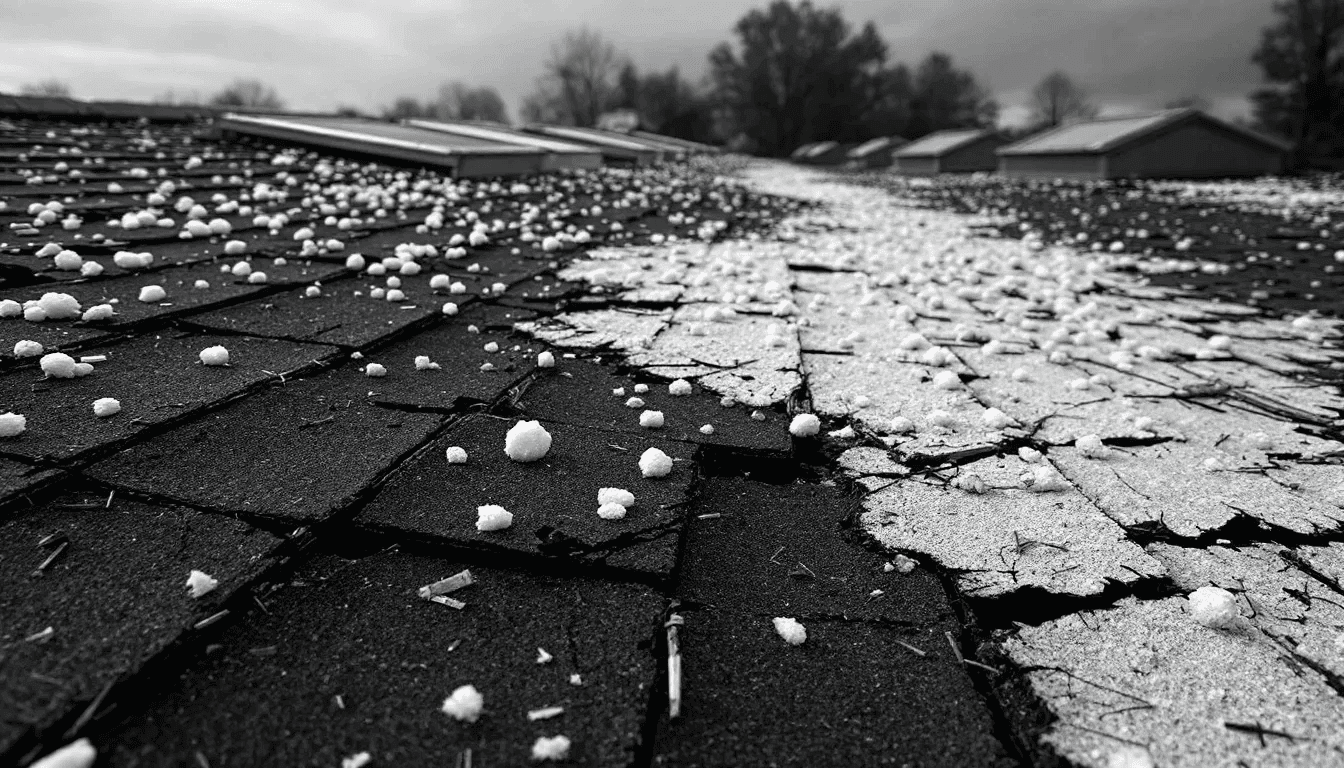
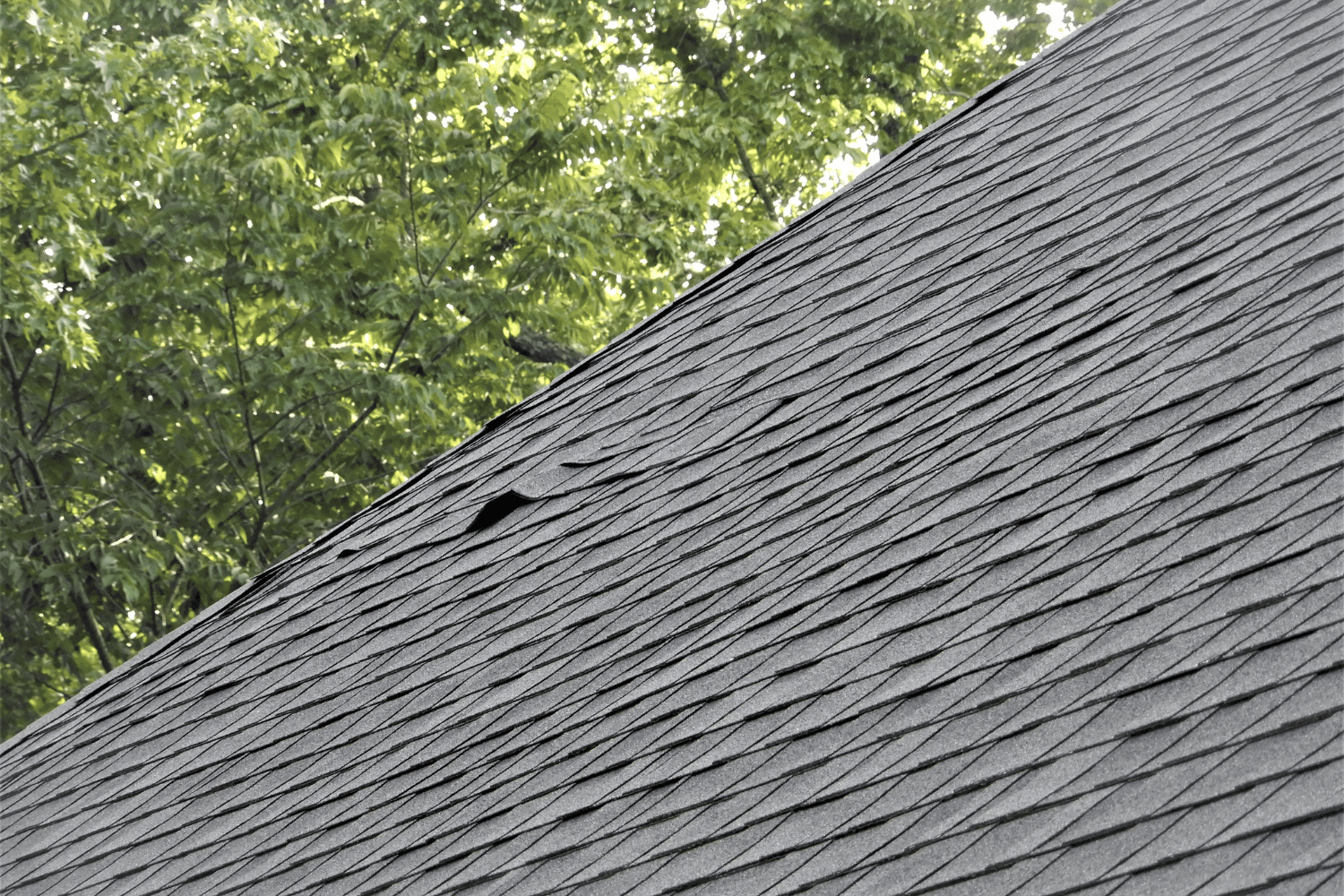
Asphalt shingles are a popular roofing material due to their cost-effectiveness and durability. However, they are not immune to the impacts of a hail storm. Common signs of hail damage on roof shingles include discoloration, small dark spots, cracks, and bald spots where granules have been knocked off. Hail can also cause bruises, holes, and fractures, weakening the shingles and making them more susceptible to further damage from UV exposure.
Addressing any observed damage promptly can prevent costly repairs later on.

Wood Shingles

Wood shingles offer a classic aesthetic but can suffer significantly in hail storms. Hail can cause various types of damage to wood shingles, including dents, splits, and splintering. Dents are typically on the surface, while more severe impacts lead to splits and splintering, compromising the shingles’ integrity.

Large hailstones can even crack or shatter dense wood shingles, necessitating immediate repairs to prevent water infiltration.

Metal Roofs

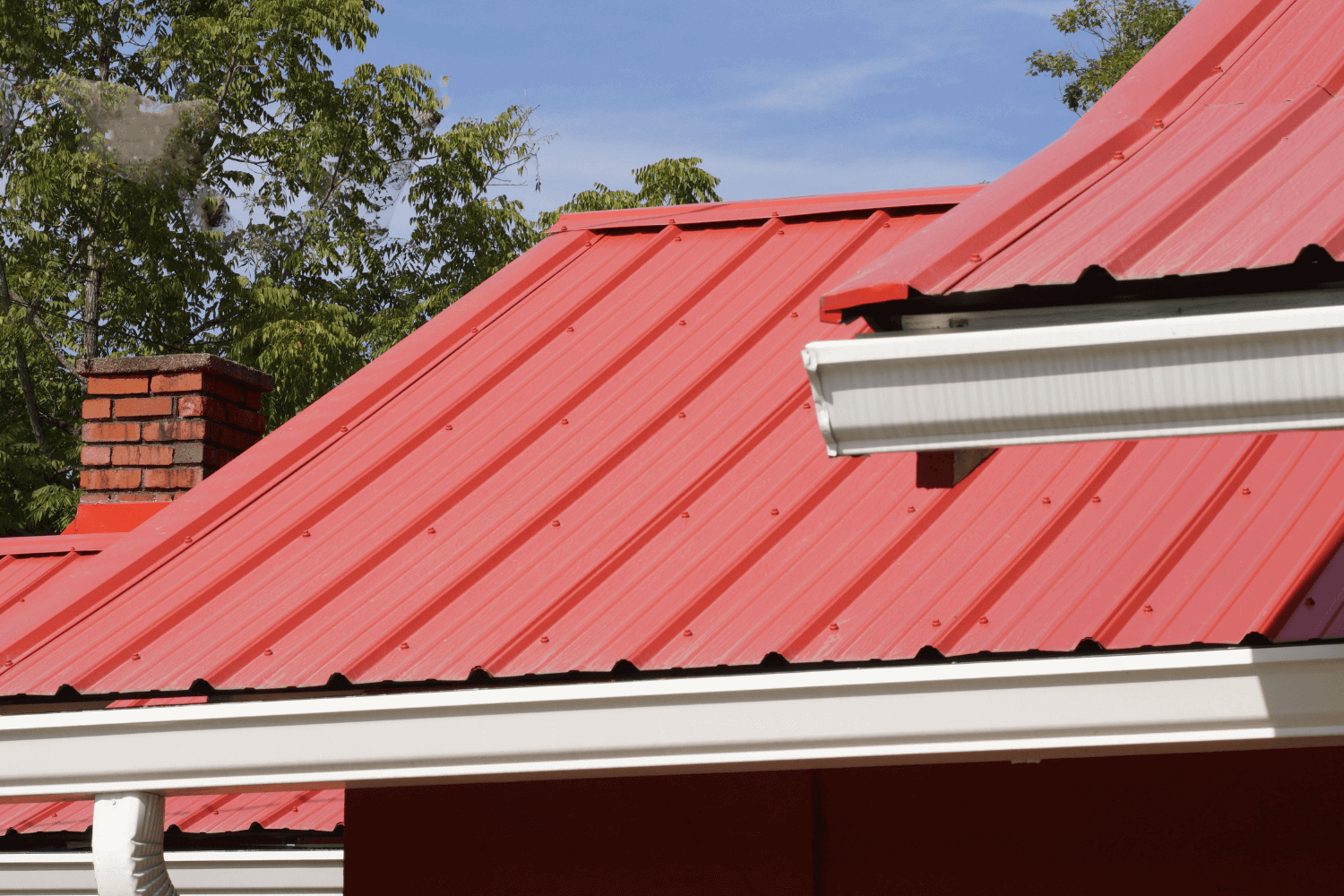
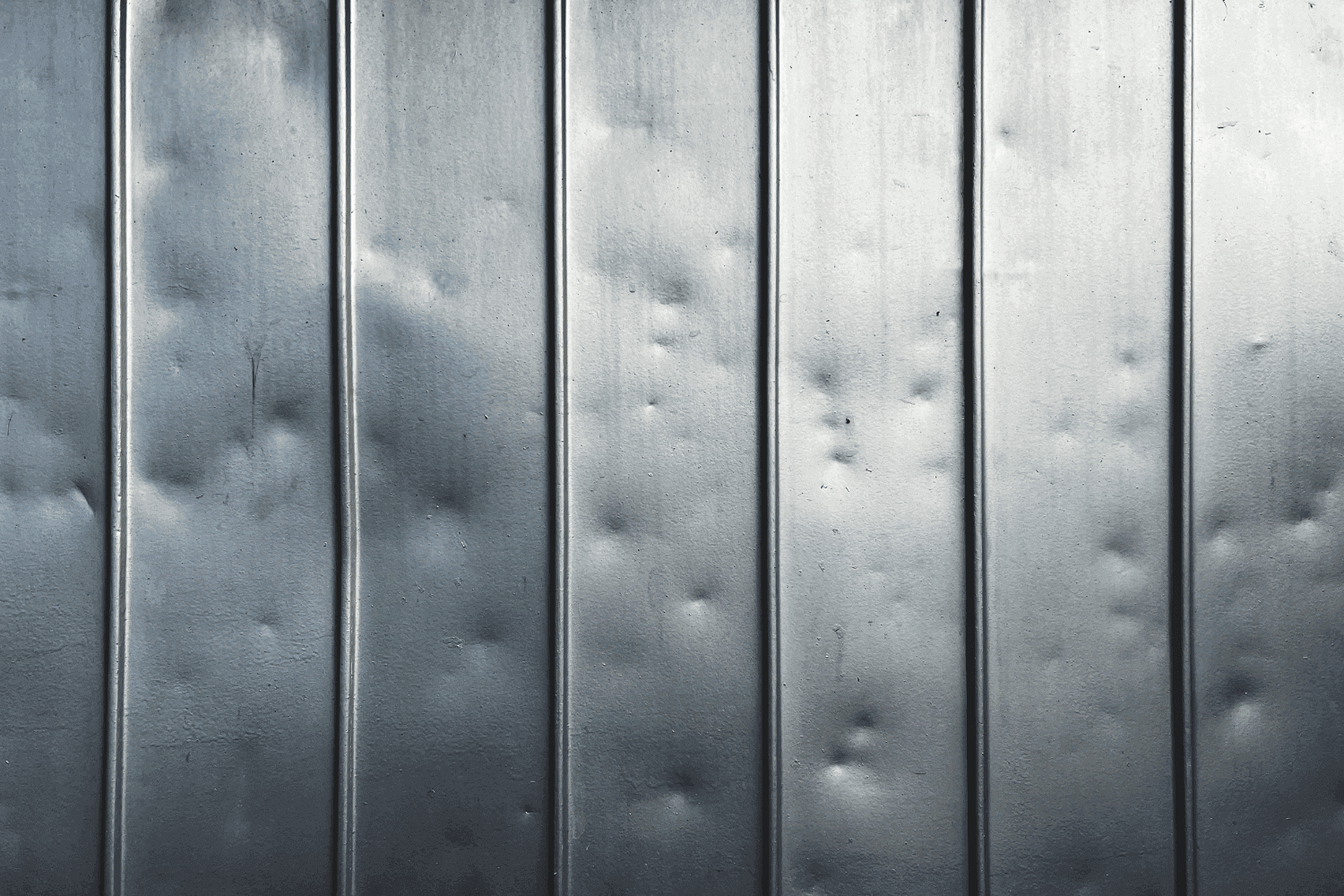
Metal roofs are known for their durability, but they are not completely impervious to hail damage. Common signs of hail damage on metal roofs include dents and punctures. While some dents might be purely cosmetic, significant impacts can cause punctures that lead to leaks.

If you suspect hail damage on your metal roof, having a professional assess the situation can help determine the extent of the hail roof damage and the necessary repairs.

Key Indicators of Hail Damage

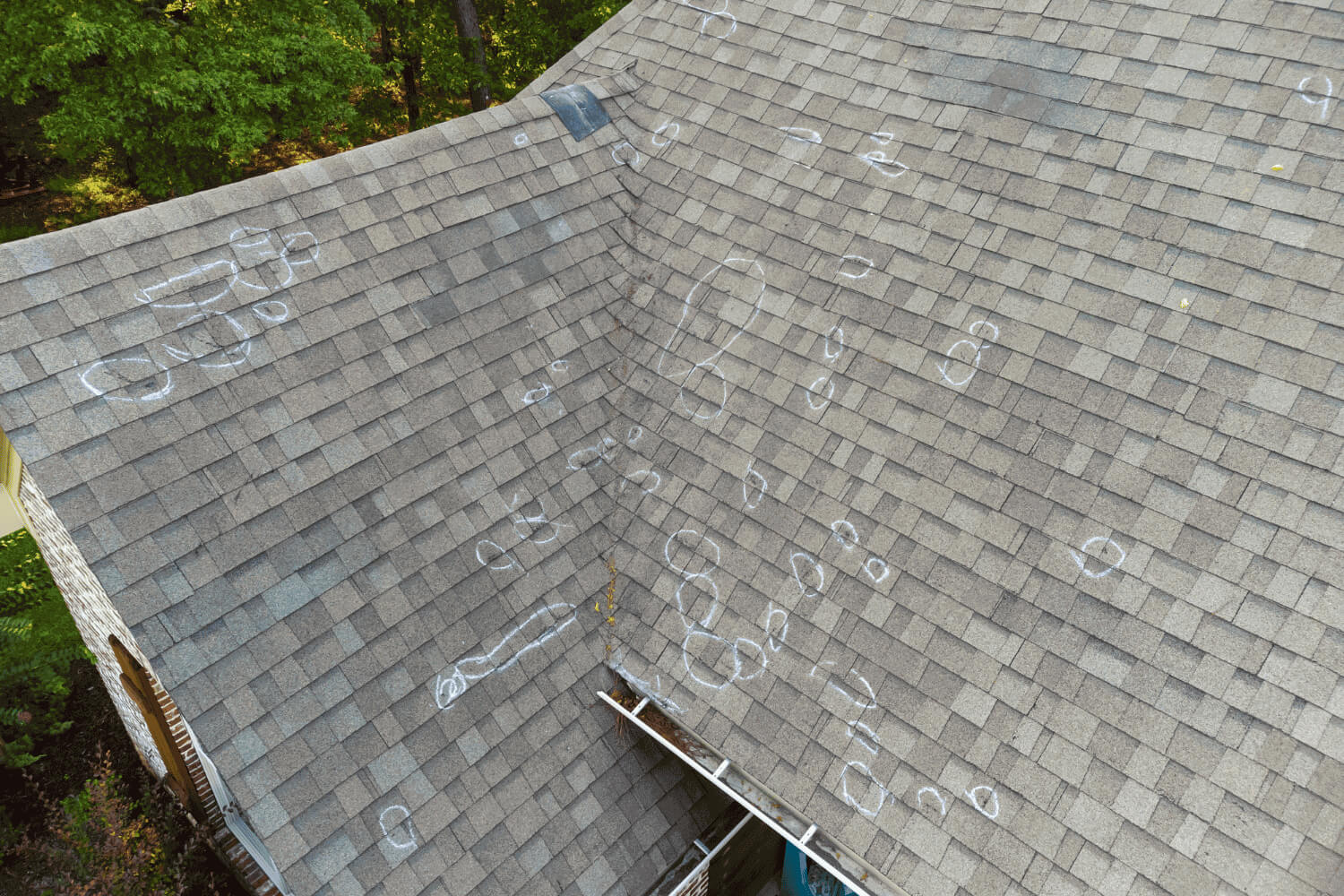
An example of hail damage on a roof, highlighting dents and impact marks

Identifying hail damage on your roof is not always straightforward, but certain key indicators can help you spot the signs. These indicators include dents, impact marks, granule loss, and cracked or broken shingles. Inspecting your roof thoroughly after a hail storm helps catch any damage early and address it promptly.

Inspecting not just the shingles but also roof vents, gutters, roof flashing, and other roof penetrations for hail damage is critical. Additionally, checking for signs of hail damage beyond the roof, such as dents in siding and outdoor items, can provide further clues. Recognizing these indicators helps identify hail damage more effectively, ensuring timely repairs and preventing further issues.

Let’s break down these key indicators in more detail.

Dents and Impact Marks

Dents and impact marks are some of the most evident signs of hail damage. These can appear as:

  • Soft, bruise-like hits on the roof, indicating that the shingles have been compromised
  • Random hits on asphalt shingles without a clear pattern
  • Splits with distinct brown or orange coloration on wood shingles

While hail damage on metal roofs is often cosmetic, significant impacts can cause punctures. Noticing these dents and impact marks early can prevent further damage.

Granule Loss

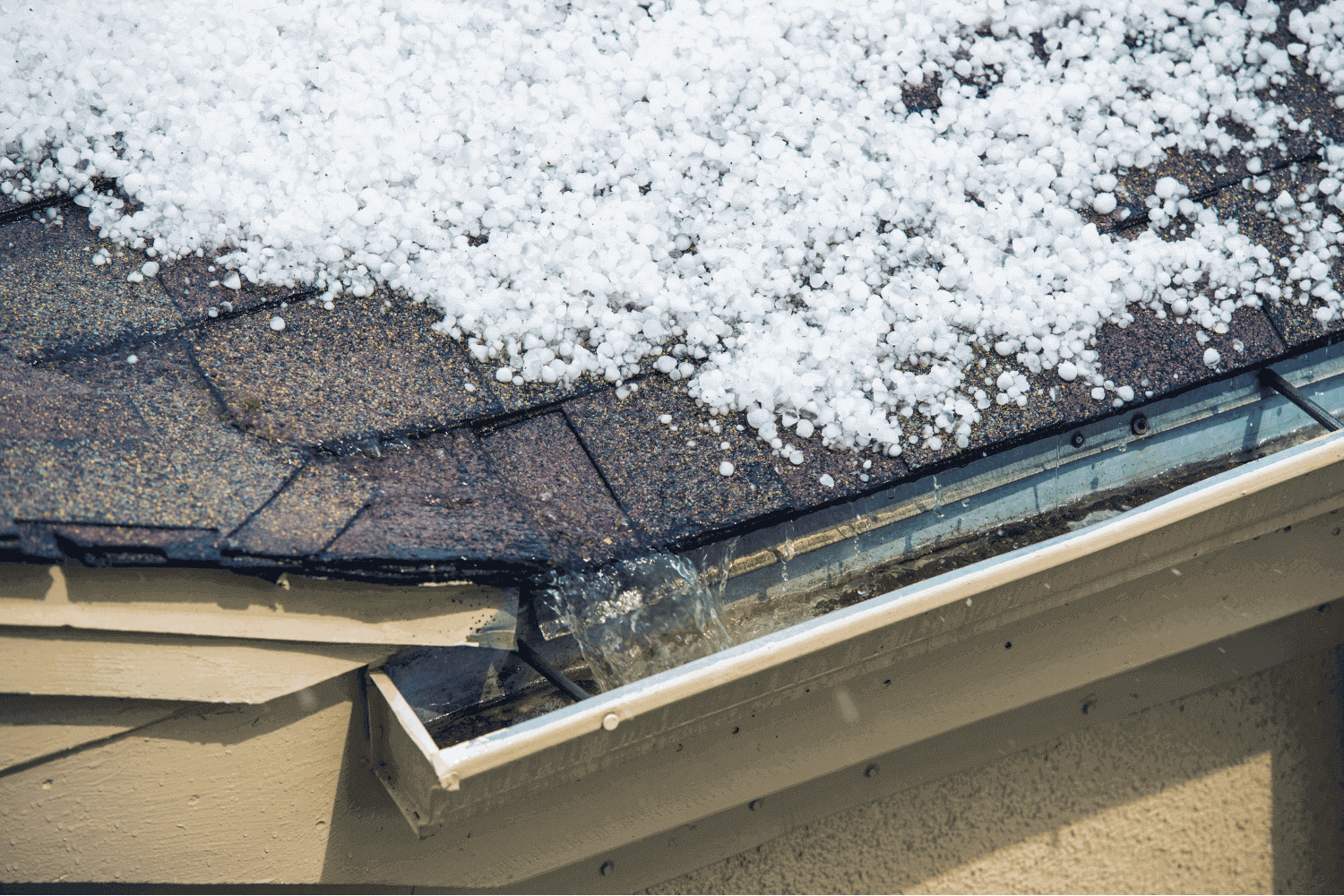
Granule loss is another critical indicator of hail damage, especially on asphalt shingles. Hail impact can result in shiny patches and loss of granules, exposing the underlying asphalt to UV damage and increasing the risk of cracking and water leaks. An unusual amount of shingle granules in your gutters can also be a sign of hail damage.

This loss of granules can drastically affect the roof’s integrity and should be addressed promptly.

Cracked or Broken Shingles

Hail can cause significant damage to shingles, leading to cracks and breaks. These cracks can appear as splits with brown or orange coloration, indicating structural damage. Cracked or broken shingles can lead to potential leaks and further damage to the roof, making it crucial to repair or replace them as soon as possible.

Identifying and addressing these issues early can prevent more extensive and costly repairs later.

Factors Affecting Hail Damage Severity

A visual representation of factors affecting hail damage severity, including hail size and wind direction

The severity of hail damage to your roof can be influenced by several factors, including the size and shape of the hail, wind speed and direction, and the age and condition of your roofing materials. Recognizing these factors can help you better prepare for and respond to hail damage.

Different roofing materials react uniquely to hail, affecting the appearance and extent of the damage. The combination of storm conditions and the current state of your roof plays a critical role in determining the severity of damage.

Let’s explore these factors in more detail.

Hail Size and Shape

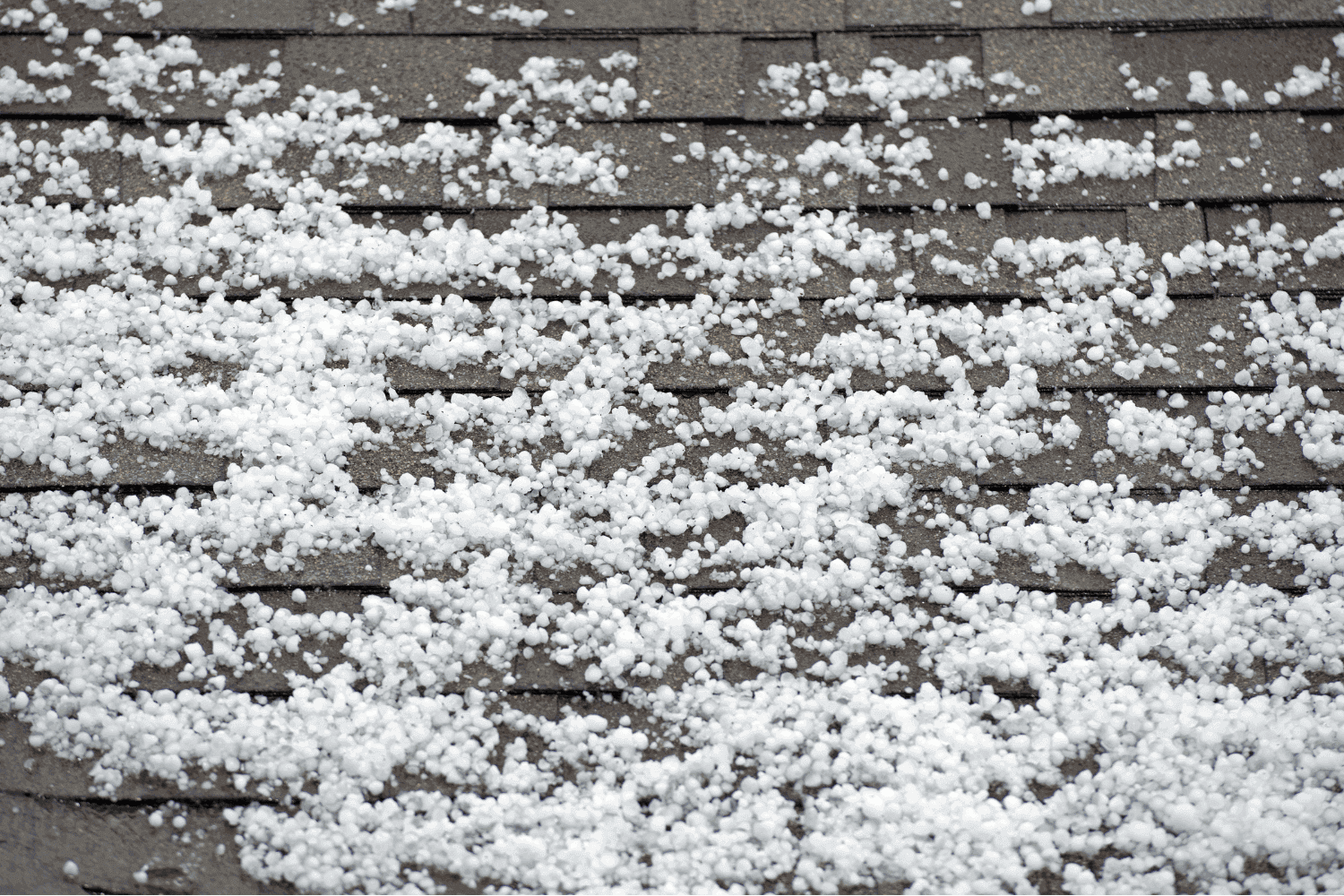
Hailstones can vary significantly in size, ranging from tiny pellets to large baseball-sized stones. Hail over 1 inch in diameter is generally capable of causing noticeable damage to roofing materials. The impact speed of hailstones, which can range from 44 to 72 mph for sizes between 2 and 4 inches, also contributes to the potential for significant damage.

Recognizing the size and shape of hailstones can help gauge the potential damage to your roof.

Wind Speed and Direction

High wind speeds during a hail storm can significantly increase the severity of the damage inflicted on roofs. The wind direction can also play a crucial role in determining which parts of the roof are most affected. Wind-driven hail can cause more extensive damage, particularly on older or already compromised roofing materials.

Recognizing these factors helps identify the most vulnerable areas of your roof.

Roofing Material Age and Condition

The age and condition of your roofing materials are critical factors in determining their vulnerability to hail damage. Older roofing materials tend to be more susceptible to damage due to wear and degradation over time. Asphalt shingles with significant granule loss are more vulnerable to hail impacts. Similarly, wood shingles can split or splinter more easily if they have already experienced age-related deterioration.

Regular maintenance and timely repairs can mitigate these vulnerabilities.

Why Timely Roof Inspections Are Crucial

Hail damage to metal roofing

Timely roof inspections after a hail storm help identify damage that may not be immediately visible. These inspections help roofing professionals assess the extent of the damage and provide appropriate repair recommendations. Addressing minor damage quickly can prevent it from escalating into more significant problems and help avoid costly repairs.

Failing to inspect your roof after a hail storm can lead to water leaks inside the home, causing further damage and potentially leading to mold growth and structural problems. Acting quickly after roof damage is identified can prevent future leaks from minor issues.

The Role of a Professional Roofing Contractor

If you suspect hail damage on your roof, it is advisable to call a professional roofing contractor for inspection. Professional roofers have the expertise and equipment to conduct thorough inspections, covering all aspects of the roof, not just storm damage.

They also take photos of any damage for documentation and assessment, which is crucial for filing insurance claims. Hiring a professional ensures a comprehensive and safe inspection, potentially avoiding future headaches.

Insurance Claims

Timely roof inspections are crucial for insurance claims. Dents and impact marks on the roof surface are key indicators of hail damage that prompt inspections should identify. Having a contractor inspect the roof alongside the insurance adjuster is crucial, as insurance companies often look for reasons not to replace the roof.

Proper documentation, including photos and professional assessments, supports your claim and ensures appropriate coverage for repairs.

Repairing Hail-Damaged Roofs

A professional roofing contractor inspecting a hail-damaged roof

Repairing hail-damaged roofs promptly is essential to maintaining the integrity of your home. Neglecting hail damage can result in roof leaks and water damage. This raises the risk of costly interior damage, mold growth, and structural issues. Addressing hail damage promptly is crucial for maintaining roof integrity and may help avoid a complete roof replacement.

Depending on the severity of the damage, different repair options are available. Temporary solutions can provide immediate protection, while more extensive damage may require a full roof replacement. Let’s explore these repair methods in more detail.

Temporary Solutions

Temporary solutions can be effective in protecting your roof from further damage until permanent repairs are completed. Covering damaged areas with a tarp can prevent leaks. Roofing cement can seal small leaks temporarily, protecting the interior from water damage.

Roofing tape is another quick way to patch minor cracks and holes in shingles until more permanent solutions are available. These measures can provide immediate relief and buy time for more comprehensive repairs.

Full Roof Replacement

Extensive hail damage may necessitate a full roof replacement to ensure structural integrity and prevent future leaks. If the damage compromises the roof’s protective ability, replacing the entire roof might be the best option.

A professional roofing contractor can assess the damage and recommend whether a full replacement is required, ensuring your home remains safe and secure.

Does Insurance Cover Hail Damage?

Most homeowners’ insurance policies cover hail damage, but it’s crucial to review your specific policy to understand the coverage details. Not all insurance policies provide the same level of coverage, so knowing what your policy includes is essential to avoid unexpected expenses.

Knowing your insurance policy can help you navigate the claims process more effectively. Insurance policies for hail damage generally fall under two categories: Actual Cash Value (ACV) and Replacement Cost Value (RCV). Knowing the difference between these types of coverage can significantly impact your out-of-pocket costs.

Understanding Your Policy

Insurance policies covering hail damage typically fall under two categories: Actual Cash Value (ACV) and Replacement Cost Value (RCV) policies. An ACV policy provides the depreciated value of the hail-damaged roof, meaning you receive a payout based on the current value of your roof, not its replacement cost.

In contrast, an RCV policy covers the full cost to replace the roof with a new one, ensuring you receive enough to cover the entire cost of a new roof, minus your deductible. Knowing these differences is crucial when reviewing your policy, as it affects your out-of-pocket costs after a hail storm.

Filing an Insurance Claim

Filing an insurance claim for hail damage involves several steps to ensure you receive the coverage you deserve. Start by taking detailed photos of the damage for documentation. Next, obtain estimates from licensed contractors to support your claim and provide a realistic picture of repair costs.

Most insurance policies allow up to one year to file a claim for hail damage, so acting promptly is important. Having a professional roofing contractor inspect the damage alongside the insurance adjuster can also help ensure that all damage is accurately assessed and properly documented.

Summary

In conclusion, identifying and addressing hail roof damage promptly is vital to maintaining the integrity of your home. Understanding how hail impacts different roofing materials, recognizing key indicators of damage, and knowing the factors that affect the severity of the damage can help you take swift action. Timely roof inspections by a professional roofing contractor are crucial for spotting damage early and filing effective insurance claims. Whether you need temporary repairs or a full roof replacement, addressing hail damage quickly can prevent further issues and save you from expensive future repairs. Stay proactive, keep your roof in top condition, and ensure your home remains safe and secure.

Frequently Asked Questions

What are common signs of hail damage on a roof?

If you notice dents, impact marks, granule loss, or cracked shingles on your roof, it’s likely showing signs of hail damage. Addressing these issues promptly can save you from more extensive repairs down the line!

How can I tell if my roof needs a full replacement?

A full roof replacement is necessary if you notice extensive hail damage like widespread cracks, punctures, or significant granule loss. Take action now to protect your home!

Does my homeowners’ insurance cover hail damage?

Yes, most homeowners’ insurance policies cover hail damage, but it’s crucial to review your policy to ensure you’re fully protected. Take the time to understand your coverage and stay prepared!

What should I do immediately after a hail storm?

Immediately after a hail storm, check your roof for damage. If damage is found, take photos for documentation and reach out to a professional roofing contractor. Acting quickly can save you from costly repairs down the line!

How can I find a reliable roofing contractor?

To find a reliable roofing contractor, focus on those with positive reviews, proper licenses, and recognized certifications like GAF Master-Elite®. Ask for referrals from friends or family and check for complaints with the Better Business Bureau to ensure you’re making a trustworthy choice.

Cost and warranties of architectural shingles explained

Architectural Shingles for Roof: Benefits and Features

Architectural Shingles for Roof: Benefits and Features

Architecture shingles are known for their beauty and durability, making them a top choice for homeowners’ roofs. This article will cover what architectural shingles are, their benefits, and how they stack up against traditional options.

Key Takeaways

  • Architectural shingles offer superior durability, aesthetic appeal, and enhanced weather resistance compared to traditional three-tab shingles.
  • These shingles can last between 30 to 50 years with proper installation and maintenance, providing long-term value and reliability for homeowners.
  • Choosing architectural shingles involves considering factors such as climate, budget, and desired aesthetics, with a variety of brands and warranty options available.

Understanding Architectural Shingles

An overview of architectural shingles for roof

Architectural shingles, also known as laminated shingles or dimensional shingles, are renowned for their dimensional appearance and durability. Their construction not only enhances the longevity of the roofing but also adds a layered look that significantly boosts the visual appeal of roofs.
What Are Architectural Shingles?

Architectural shingles are designed to offer superior weather protection and enhance the aesthetic appeal of homes. Composed of a heavy fiberglass mat embedded with water-resistant asphalt shingle and ceramic-coated granules, these roofing shingles and architectural roofing shingles are highly durable.

These shingles protect homes from various weather conditions and provide an aesthetic upgrade. Their ability to mimic the appearance of more expensive roofing materials like wood shakes or slate makes them a versatile and attractive option for homeowners seeking both functionality and beauty in their roofing choices.

How Do Architectural Shingles Differ from Traditional Shingles?

Architectural shingles differ from traditional three-tab shingles in several key ways:

  • Their multiple layers enhance durability
  • They create a more textured, visually appealing look compared to the flat, single-layer design of traditional shingles
  • This layered construction makes them more resilient against harsh weather conditions like high winds and hail

Overall, architectural shingles provide better home protection.

Benefits of Architectural Shingles

The aesthetic benefits of architectural shingles

The benefits of architectural shingles extend beyond just their good looks. They are favored by homeowners for their combination of visual appeal and durability, making them a popular choice for new roofs. Architectural shingles offer a unique blend of aesthetic and structural advantages that set them apart from other roofing options, significantly enhancing both the curb appeal and value of homes.

Their enhanced durability and cost-effectiveness make architectural shingles a reliable and attractive roofing solution. Whether aiming to increase roof longevity or add elegance to your home’s exterior, architectural shingles offer a versatile solution for various needs and preferences.

Enhanced Durability and Longevity

A standout benefit of architectural shingles is their superior durability and longevity. They are designed to withstand severe weather conditions, including high winds and hail, making them suitable for various climates. With proper care, architectural shingles can last between 30 to 50 years, offering a reliable long-term roofing option. Premium designer shingles provide superior weather resistance and often come with lifetime warranties, reflecting their higher durability and performance.

The layered construction of architectural shingles enhances their robustness, helping them better resist damage from debris and environmental factors. This durability results in fewer repairs and replacements over the years, ultimately providing significant value for homeowners.

Aesthetic Appeal and Architectural Interest

Architectural shingles are about both function and form. They offer a three-dimensional look that can mimic more expensive materials like slate and wood shakes, adding a premium aesthetic without the associated weight. This allows homeowners to achieve a high-end look at a more affordable price.

Choosing architectural shingles can significantly enhance curb appeal, impacting the overall aesthetic and potentially increasing market value. New color options introduced in 2023, such as Midnight Plum and Desert Rose, cater to various architectural styles, allowing for a customized aesthetic.

Cost-Effectiveness

Although the initial cost of architectural shingles may be higher than traditional options, their long-term value is undeniable. Their durability, aesthetic appeal, and relatively low maintenance costs make them an affordable choice for many homeowners.

Compared to metal roofs, which have higher initial costs, architectural shingles balance affordability and performance, leading to significant savings over time.

Installation and Maintenance of Architectural Shingles

Proper installation techniques for architectural shingles

Proper installation and maintenance maximize the benefits of architectural shingles. Correct installation according to local building codes and manufacturer guidelines significantly impacts performance and longevity. Regular maintenance, such as clearing debris and conducting periodic inspections, extends the life of architectural shingles and maintains their aesthetic appeal.

Proper installation and maintenance help homeowners protect their investment and enjoy the full range of benefits architectural shingles offer. Following best practices and addressing common issues promptly ensures roofs remain in excellent condition for years.

Proper Installation Techniques

Professional installation ensures architectural shingles are applied correctly and meet local building regulations. Effective installation techniques include thorough preparation, such as inspecting the roof and gathering necessary materials, to ensure a seamless process.

Skilled installers follow manufacturer guidelines to ensure optimal performance and long-lasting protection.

Maintenance Tips for Longevity

Regular maintenance is key to extending the lifespan of architectural shingles. Homeowners should schedule periodic inspections to check for debris, damage, and signs of wear. Identifying issues early, such as cracked or missing shingles, can prevent more significant problems like leaks and structural damage.

Cleaning the roof to remove debris and prevent moisture buildup maintains the shingles’ integrity. Managing algae and moss growth using appropriate cleaning solutions and ensuring proper ventilation helps keep the roof looking its best and performing well.

Trimming trees to allow sunlight and airflow can significantly reduce the risk of algae and moss damage.

Common Issues and Solutions

Typical issues with architectural shingles include algae growth and discoloration due to their organic content. Regular maintenance, like clearing debris and inspecting for damage, can help prevent these problems and extend the life of the shingles.

Installing algae-resistant shingles and ensuring proper ventilation effectively minimize discoloration and other common issues.

Choosing the Right Architectural Shingles

Choosing the right architectural shingles for roofing

Choosing the right architectural shingles involves considering several factors, including climate, home style, and budget. The choice of shingles significantly impacts the performance, longevity, and aesthetic appeal of your roof. Evaluating these factors carefully ensures an informed decision that meets your needs and preferences.

Top brands like GAF and IKO offer various architectural shingles with unique features and warranties, providing homeowners with a range of asphalt shingle options. Understanding the different factors and available options allows homeowners to select the best shingles for their specific requirements and enhance the overall look and value of their homes.

Factors to Consider

When choosing architectural shingles, consider the climate conditions in your area, as they can affect the performance and longevity of the roofing materials. Homeowners should also weigh factors such as the architectural design of their home, budget, and desired aesthetic appeal. The complexity and accessibility of the roof can influence the overall cost of installation.

Evaluating these factors ensures the selected shingles enhance the home’s appearance and provide necessary protection against the elements. The cost per square foot for architectural asphalt shingles typically ranges around $5.86, making it a cost-effective choice for many homeowners.

Popular Brands and Options

Prominent brands in the architectural shingles market include GAF and IKO, known for their distinctive offerings and extensive warranties. GAF’s Timberline HD Ultra Shingles are particularly popular for their combination of durability and aesthetic appeal. These brands offer a variety of styles and colors, allowing homeowners to choose shingles that best match their preferences and home design.

Color Selection and Matching

Selecting the right color for your architectural shingles enhances the visual appeal of your home. Consider the existing exterior elements, such as brick or siding, to ensure a cohesive look.

Many manufacturers offer interactive online tools to help homeowners visualize how different shingle colors will appear on their homes, making it easier to select the perfect match.

Cost and Warranties of Architectural Shingles

Cost and warranties of architectural shingles explained

Understanding the costs and warranties of architectural shingles is crucial for making an informed decision. Architectural shingles are generally more affordable than materials like tile or slate and they offer significant long-term savings due to their durability and lower maintenance requirements. Investing in architectural shingles can lead to a good return on investment, as their aesthetic appeal and longevity can increase Home value.

Warranties for architectural shingles often provide substantial coverage, offering peace of mind for homeowners. Standard warranties typically span 30 years, with some options extending to 50 years or even lifetime coverage. Enhanced warranty options are also available, providing full roof system coverage and additional protections against mold and wind damage.

Average Costs

The cost of installing architectural shingles varies based on factors such as roof complexity, labor costs, and the specific type of shingles chosen. Basic architectural shingles generally have an installed cost between $5 and $15 per square foot. For shingles with a 30-year warranty, the typical installation cost falls between $5 and $6 per square foot, while those with a 50-year warranty range from $7 to $12 per square foot.

On average, homeowners can expect to pay about $10,500 for the installation of architectural shingles on a 1,500 square foot roof. However, for more complex roof installations, the cost can rise up to $22,500.

It’s important to obtain multiple quotes and consider the long-term value when budgeting for a new roof.

Warranty Options

Architectural shingles come with a variety of warranty options that can significantly impact the overall value and peace of mind for homeowners. Standard warranties typically last 30 years, with some manufacturers offering enhanced warranties that cover the entire roofing system for up to 50 years or even a lifetime.

For instance, some companies may provide a lifetime limited warranty, making them a reliable choice for long-term protection. Enhanced warranties may also offer additional protections against mold and wind damage, ensuring comprehensive coverage for homeowners.

Architectural Shingles vs. Other Roofing Materials

Comparing architectural shingles with other roofing materials helps homeowners understand the unique advantages and potential drawbacks of each option. Architectural shingles are known for their aesthetic appeal and durability, often serving as an upgrade from traditional shingles. They originated in the 1980s as an advanced type of dimensional shingle, designed to provide both functional and visual benefits.

When evaluating different roofing options, it’s important to consider factors such as cost, installation complexity, weight, and overall longevity. This comparison can help homeowners make an informed decision about the best roofing material for their specific needs.

Architectural Shingles vs. Metal Roofing

Architectural shingles and metal roofing each have their own set of benefits and drawbacks. Asphalt shingles, including architectural ones, are substantially cheaper to install, costing between $2 and $6 per square foot, compared to $8 to $16 for metal roofing. Metal roofs generally require more installation expertise and are heavier, which can complicate the installation process.

However, metal roofs offer superior longevity and energy efficiency, which can lead to long-term savings despite their higher initial cost.

Architectural Shingles vs. Tile and Slate

Tile and slate roofing materials are often favored in luxury markets for their aesthetic appeal and superior longevity. However, they add significant weight to a structure, often requiring additional structural support compared to architectural shingles. The installation of tile roofs is more labor-intensive and costly due to the heavier materials, which may also necessitate more complex structural adjustments.

While architectural shingles can mimic certain aesthetics, the genuine material of tile and slate is often preferred for its luxurious appearance.

Real-Life Examples

Real-life examples provide valuable insights into the practical benefits and performance of architectural shingles. Enhanced resale value and improved aesthetics can be achieved with this type of roofing material. By examining specific projects and hearing from satisfied homeowners, you can better understand the impact of architectural shingles on your own home.

Customer Testimonials

Homeowners frequently express high satisfaction levels with architectural shingles, citing their longevity, durability, and attractive appearance as significant benefits. Many testimonials highlight the excellent performance of architectural shingles during severe weather conditions, showcasing their resilience. Overall, positive feedback from homeowners reflects a strong endorsement for architectural shingles as a roofing choice.

Summary

In summary, architectural shingles offer a compelling combination of durability, aesthetic appeal, and cost-effectiveness. They provide a versatile and reliable roofing solution that can enhance the overall look and value of a home. By understanding the benefits, proper installation and maintenance practices, and how to choose the right shingles, homeowners can make informed decisions that ensure long-lasting satisfaction and protection. Whether you’re considering a new roof or replacing an old one, architectural shingles are a worthy investment that can transform your home.

Frequently Asked Questions

What are architectural shingles made of?

Architectural shingles are primarily composed of a heavy fiberglass mat, water-resistant asphalt, and ceramic-coated granules, which contribute to their durability and aesthetic appeal.

How do architectural shingles compare to traditional three-tab shingles?

Architectural shingles outperform traditional three-tab shingles by offering superior durability and a more attractive, layered appearance. This makes them a better choice for long-lasting and visually appealing roofing solutions.

How long do architectural shingles typically last?

Architectural shingles typically last between 30 to 50 years with proper care, making them a durable roofing choice.

What are the average costs of installing architectural shingles?

The average cost of installing architectural shingles typically ranges from $5 to $15 per square foot, influenced by the roof’s type and complexity. It’s essential to consider these factors when budgeting for your roofing project.

What types of warranties are available for architectural shingles?

Architectural shingles usually come with standard warranties ranging from 30 to 50 years, with some offering lifetime coverage. Enhanced warranties can also include protections against mold and wind damage.

A variety of roofing materials including asphalt shingles and roofing tools

Step-by-Step Guide to Shingling Roof

Step-by-Step Guide to Shingling Roof

Wondering how to start shingling roof? This guide offers step-by-step instructions, detailing everything from gathering essential materials and tools to executing key installation techniques safely. You’ll also learn about roof deck preparation, removing old shingles, and laying new ones.

Key Takeaways

  • Gather essential materials like asphalt shingles, roofing nails, and safety gear before starting the roofing project.
  • Preparation of the roof deck and proper installation techniques, including underlayment and flashing, are crucial for ensuring a durable roofing system.
  • Follow manufacturer guidelines for shingle placement, nailing, and sealing to prevent leaks and enhance the roof’s longevity.

Essential Roofing Materials and Tools

A variety of roofing materials including asphalt shingles and roofing tools

Before starting your roofing project, gather all the necessary materials and tools. Specific items are needed to ensure a smooth and efficient process. The core materials include asphalt shingles, roofing nails, hammers, and nail guns. These items form the backbone of your roofing materials and will play a critical role in the success of your shingle installation.

A roofing nail gun, in particular, is essential for the quick application of shingles, making the process far more efficient than using a manual hammer. Additionally, preparing your work area by cleaning debris, covering plants, and moving lawn furniture will set the stage for a hassle-free installation.

Now, let’s focus on the specific materials and tools you’ll need, beginning with asphalt shingles.

Asphalt Shingles

Asphalt shingles are a popular choice for many homeowners due to their affordability and variety. They come in standard and architectural varieties, with the latter offering greater durability. Asphalt roofing shingles are also known for their versatility and ease of installation.
Before installing roof shingles, follow these steps:

  1. Measure the roof area in square feet.
  2. Refer to the shingle packaging for coverage details.
  3. Always buy extra shingles to account for mistakes and future repairs.

Follow the manufacturer’s guidelines for nailing patterns and quantities, typically using 4-6 nails per shingle. In high-wind areas, it’s advisable to use six nails per shingle. Proper installation is crucial as shingles rely on gravity to shed water and prevent ingress.

Roofing Nails and Tools

Having the right tools is vital for your roofing project. Essential tools include roofing nails, hammers, and nail guns. Roofing nails are specifically designed to securely attach shingles and withstand environmental stressors. Using a nail gun not only speeds up the process but also ensures that the nails are driven consistently and securely.

Other tools like utility knives for cutting shingles and magnetic sweepers for collecting stray nails enhance the efficiency and safety of your roofing project. Invest in the right tools to achieve a durable and aesthetically pleasing finish.

Safety Gear

Safety is paramount when working on a roof. Personal fall arrest systems are necessary for roofers working at heights of six feet or more. Safety boots with thick soles protect against injuries from nails or other sharp objects that may protrude through the roofing material.

Always wear appropriate safety gear to prevent accidents and ensure a safe working environment.

Preparing Your Roof Deck

A clean and prepared roof deck ready for shingle installation

Preparation is crucial for a successful shingle installation. Ensure compliance with local building codes and obtain necessary permits before starting. A clean and flat roof deck surface ensures a smooth and aesthetically pleasing finish on your new roof.

The first step is to thoroughly clean and inspect the roof deck. Remove any debris and check for damage that needs to be addressed before you start shingling. Make sure the roof deck is dry and securely fastened to prevent movement and provide a solid foundation for your shingles.

Cleaning and Inspecting the Roof Deck

Clean the roof deck thoroughly, removing large debris and using magnetic sweepers to collect stray nails. Inspect the roof deck for any hidden damage that could compromise the integrity of your new shingles. A detailed inspection will identify potential hazards and ensure the surface is ready for shingle installation.

Magnetic devices or metal detectors can find and remove remaining nails, ensuring homeowner safety and project quality.

Installing Drip Edge

Installing a drip edge is crucial for preparing your roof deck. It should extend at least 1/4 inch over the edge to direct water into the gutters. This component helps prevent water damage by ensuring that water is directed away from the fascia and into the gutter system.

Secure and align the drip edge correctly during installation. This enhances the roof’s durability and contributes to a neat, finished appearance.

Removing Old Shingles

A worker using a roofing shovel to remove old shingles from a roof

Before you install roof shingles, you must remove the old ones. Start the removal process from the peak of the roof, using a roofing shovel to lift the shingles. This tool is designed to efficiently pry up and remove the shingles from the roof deck.

Removing old existing shingles safely ensures a solid foundation for new roofing materials.

Using a Roofing Shovel

A roofing shovel is more efficient than a garden fork for removing shingles. Its design facilitates shingle removal. Insert the blade under the shingle and leverage it to lift the shingle off safely.

Disposing of Old Shingles

Proper disposal of old shingles maintains a clean worksite and adheres to local regulations. Drop the shingles in a trash bin or designated pile for proper disposal. This keeps the work area tidy and ensures compliance with local disposal guidelines.

Installing Underlayment

Underlayment provides additional protection against water infiltration and adds extra insulation to the roof. Complete the application of underlayment and valley flashing before applying roof shingles.

Types of Underlayment

Two main types of roof underlayment exist: asphalt-saturated felt and synthetic. Asphalt-saturated felt, a traditional underlayment, is created by saturating a paper or fiberglass mat with asphalt and is available in grades No.15 and No.30. Synthetic underlayment, made from polymers, offers better longevity and moisture resistance.

Choose between these options based on budget, desired longevity, and moisture resistance needs. Both types provide essential moisture protection, ensuring a durable roofing system.

Installation Process

When installing underlayment, begin at the eave and overlap each course by at least four inches to ensure proper sealing. Ensure it overhangs the drip edge by 1/4” to 3/4”. Avoid creases or bubbles for a smooth surface. This layer acts as a secondary barrier, enhancing the durability and effectiveness of your roofing system.

A chalk line helps maintain alignment while applying underlayment, ensuring a professional and polished finish.

Flashing Installation

Flashing prevents water damage by protecting the seams and intersections of the roof. It acts as a barrier against water leaks around roof structures such as chimneys, skylights, and vents.

Applying roofing cement to the edges of shingles around these structures enhances waterproofing and prevents leaks.

Metal Flashing

A drip edge, a metal flashing, directs water away from the fascia and into the gutter, preventing water damage. Measure the perimeter of the roofing areas to determine the amount of drip edge flashing required. Proper installation places the drip edge under ice and water at the eaves and over it on rakes.

A comprehensive post-installation inspection checks for issues like leaks and structural integrity, ensuring all components are correctly installed.

Ice and Water Protector

The ice and water protector prevents ice dams and adds water-shedding protection, especially in cold climates. Install it along the roof edge, extending at least 24 inches inside the vertical extension of the wall.

Laying the First Row of Shingles

The first row of newly installed asphalt shingles on a roof

Laying the first row of shingles sets a solid foundation for the rest of the roof. Start by placing a narrow row of shingles along the roof’s edge to establish a base for the first full row.

Proper shingle overlap ensures both aesthetic appeal and functional water resistance.

Starter Strip Shingles

Starter shingles, the first layer at roof edges, ensure water runoff and prevent leaks. These can be either designated starter shingles or standard three-tab shingles used at the roof edges.

Proper installation of starter shingles ensures a durable and waterproof roofing system.

Aligning the First Row

A chalk line helps maintain straightness in shingle arrangement. Snap a chalk line along the bottom edge before laying shingles to establish the first row.

Aligning the first row of shingles ensures a professional finish on your roof.

Installing Shingle Courses

Follow the manufacturer’s suggested layout and mounting technique for a successful installation. Properly cut shingles to ensure a tight fit and prevent gaps that could lead to leaks.

Use a utility knife or specialized shingle cutter to trim shingles for a snug fit around roof features, minimizing gaps.

Overlapping Shingles

Proper shingle overlap prevents potential leaks and moisture ingress. Each course should overlap by at least six inches to effectively channel water off the roof.

Stagger shingles properly to avoid a straight line vertically across the roof, which can compromise integrity and aesthetic appeal.

Nailing Technique

Proper nail placement and driving them flush without cutting into the shingle ensures wind-resistance. Use nails at least two inches long for adequate penetration into multiple layers.

Longer nails, typically at least two inches, are recommended for anchoring ridge cap shingles. Nail down the final ridge cap piece and cover the nail heads with asphalt roof cement for sealing.

Working Around Roof Structures

Properly cut shingles to accommodate these features while maintaining a watertight seal. Proper alignment around these structures prevents water intrusion and maintains the roof’s integrity.

Cutting Shingles to Fit

Use a utility knife for precise cuts when fitting shingles around roof structures. Some installers prefer to cut shingles after they are applied, allowing for precise adjustments along the edge.

A circular saw can be effective for cutting shingles, especially on hip roofs, when combined with a snap line for guidance. Ensure cuts fit around roof features like vents or chimneys for proper sealing.

Sealing Edges with Roofing Cement

Sealing edges with roofing cement prevents water leaks that can cause significant damage. Apply roofing cement along the edges of shingles or flashing, ensuring a good bond to prevent water infiltration.

Ensure the surface is clean and dry before applying roofing cement. Use a putty knife to smooth it out evenly for effective sealing.

Installing Ridge Cap Shingles

Ridge cap shingles being placed on a newly shingled roof

Separate ridge cap shingles where perforated and bend them over the roof peak for installation. Properly install by bending the shingles over the ridge and securing them with nails.

Placing Ridge Caps

Installing ridge cap shingles ensures maximum durability and resistance against wind damage. Start at the end opposite the prevailing wind direction for optimum wind-resistance.

Securely nailing down ridge caps maintains the durability and weather resistance of your roof.

Securing Ridge Caps

Use longer nails to ensure proper penetration when nailing ridge cap shingles. Seal the last ridge cap piece by nailing it in place and covering the nail heads with asphalt roof cement.

Finally, seal the last ridge shingle with roofing cement for added protection.

Clean-Up and Inspection

After completing the installation, conduct a thorough clean-up to remove leftover materials and debris. Lay tarps around the work area to collect debris, simplifying the clean-up process.

Place old shingles in a rental trash container to facilitate proper disposal and avoid cluttering the worksite.

Removing Debris

Using a leaf blower can expedite the removal of leaves and debris from the roof surface. It is essential to remove debris safely from the roof to prevent accidents and ensure a clean work area.

Always handle debris with care and dispose of it properly to avoid creating hazards.

Final Inspection

After debris removal, inspect the roof for stains or growths to identify potential issues. Proper disposal of debris not only enhances safety but also prevents potential hazards from sharp or heavy materials left on-site.

Conducting a final inspection ensures that the newly shingled roof is free of issues and ready to withstand the elements.

Summary

In summary, shingling a roof involves several critical steps, from gathering the necessary materials and tools to installing underlayment and flashing, laying shingles, and securing ridge caps. Each step is essential for ensuring the durability and effectiveness of your roof. By following this step-by-step guide, you can achieve a professional-quality roofing installation that will protect your home for years to come.

Whether you’re doing it yourself or overseeing a roofing contractor, understanding these steps empowers you to ensure the job is done right. Embrace the challenge and take pride in your newly shingled roof, knowing that you’ve equipped yourself with the knowledge to tackle any roofing project confidently.

Frequently Asked Questions

How do I determine the number of shingles needed for my roof?

To determine the number of shingles needed for your roof, measure the total roof area in square feet and check the shingle packaging for coverage. It’s advisable to purchase additional shingles for mistakes and future repairs.

What safety gear is necessary for installing roof shingles?

It is crucial to use personal fall arrest systems when working at heights above six feet and to wear safety boots with thick soles to protect against injuries from sharp objects. Prioritizing this gear will enhance your safety during roof shingle installation.

Why is it important to install a drip edge?

Installing a drip edge is crucial as it helps direct water into the gutters, thereby preventing water damage to both the fascia and roof deck. This simple addition protects the integrity and longevity of your roofing system.

How do I properly overlap shingles during installation?

To ensure effective water drainage, overlap each course of shingles by at least six inches and stagger them to prevent a continuous vertical line. This technique will help maintain the integrity of your roof.

What is the role of underlayment in roofing?

Underlayment plays a crucial role in enhancing your roof’s protection against water infiltration and provides additional insulation. This secondary layer is essential for maintaining the integrity and efficiency of your roofing system.

An illustration showing water seeping through a basement wall, highlighting the causes of water leakage

How to Fix Water Seeping Through Basement Wall Quickly

How to Fix Water Seeping Through Basement Wall Quickly

Water seeping through basement walls is a serious issue that needs quick action. In this article, you’ll learn how water seeping through basement walls can occur, how to spot the early signs, and the steps you can take to fix it immediately and prevent future issues.

Key Takeaways

  • Water seepage in basements is often caused by hydrostatic pressure, drainage issues, and foundation cracks, which necessitate preventive measures.
  • Identifying early signs of water seepage, such as mold, water stains, and damp odors, is crucial for timely action to prevent serious damage.
  • Effective long-term solutions include exterior and interior waterproofing, proper landscaping, and professional intervention for persistent issues.

Causes of Water Seeping Through Basement Walls

An illustration showing water seeping through a basement wall, highlighting the causes of water leakage

Knowing why water is seeping through your basement walls is crucial to finding a solution. Hydrostatic pressure is a primary culprit. It builds up in the soil around your foundation, pushing water inside where the basement walls meet the floor. Improper drainage can worsen this issue.

Another common issue arises from the seals at the top of the foundation wall and even from leaking ceilings. These areas can become weak points where water leaks into the basement. Additionally, cracks in the foundation, whether vertical or horizontal, provide a direct path for water to enter. These cracks may seem minor but can lead to significant problems over time.

Improper drainage systems and issues with basement windows or window wells also contribute to water leakage in a leaky basement. Water from rain or surface runoff that isn’t directed away from your foundation pools around your home, seeping through entry points. Proper maintenance of exterior walls and drainage systems can prevent water damage.

Signs of Water Seepage in Your Basement

Signs of water seepage in a basement, including wet spots and mold growth

Spotting the signs of water seepage early can save significant trouble and expense. A persistent damp or musty odor often indicates hidden moisture in the basement and can be a precursor to mold growth, which damages Home and poses health risks.

Visible mold is another clear indicator of water leakage. Mold can appear as black, green, or white spots on walls, floors, or ceilings. Water stains on surfaces, peeling paint or wallpaper, and efflorescence—a white, chalky residue—indicate that water is penetrating your basement walls or floors. These visual clues suggest prolonged water presence and potential ongoing leakage.

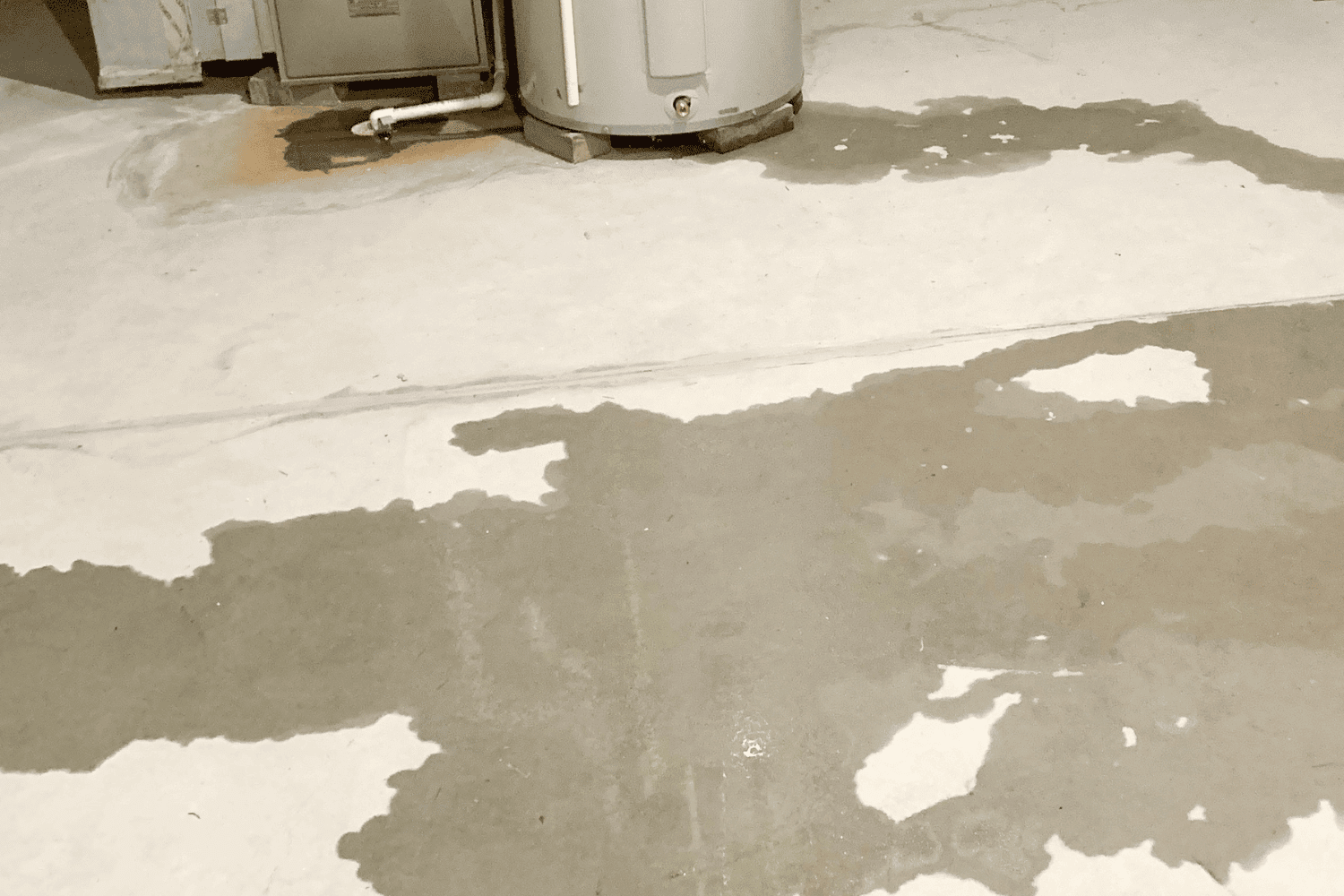
Pooling water on the basement floor or darkened, damp walls and floors are also major red flags. These signs indicate water is entering your wet basement, potentially leading to severe issues like flooding. Identifying these signs early allows for timely preventive action.

Immediate Steps to Take When You Notice Water Seepage

When you first notice water seepage in your basement, quick action is crucial. Minimize soil saturation around the foundation to help prevent moisture issues. Ensure the soil slopes away from the foundation to redirect water away from your home.

Regularly maintaining gutters and downspouts by keeping them clear of debris prevents overflow and water seepage. Ensuring these systems are in good working order helps prevent water from pooling around your foundation.

Installing window well covers can reduce water infiltration by directing rainwater away from basement windows and preventing debris from entering basement’s window wells. These covers offer a simple yet effective solution to stop water from entering through the window wells.

Long-term Solutions for Preventing Water Seepage

A photo illustrating long-term solutions for preventing water seepage in basements

Immediate actions are essential, but long-term solutions provide lasting protection for your basement. Comprehensive waterproofing measures, including both exterior and interior methods, as well as landscaping and drainage improvements, are effective against persistent water seepage.

Addressing the root causes of water leaking and implementing long-term solutions can prevent water damage and protect your home for years. Here are some detailed methods.

Exterior Waterproofing Methods

Exterior waterproofing is essential to prevent water from entering your basement. Installing an exterior French drain addresses yard drainage issues by directing water away from the foundation, managing surface runoff, and reducing hydrostatic pressure.

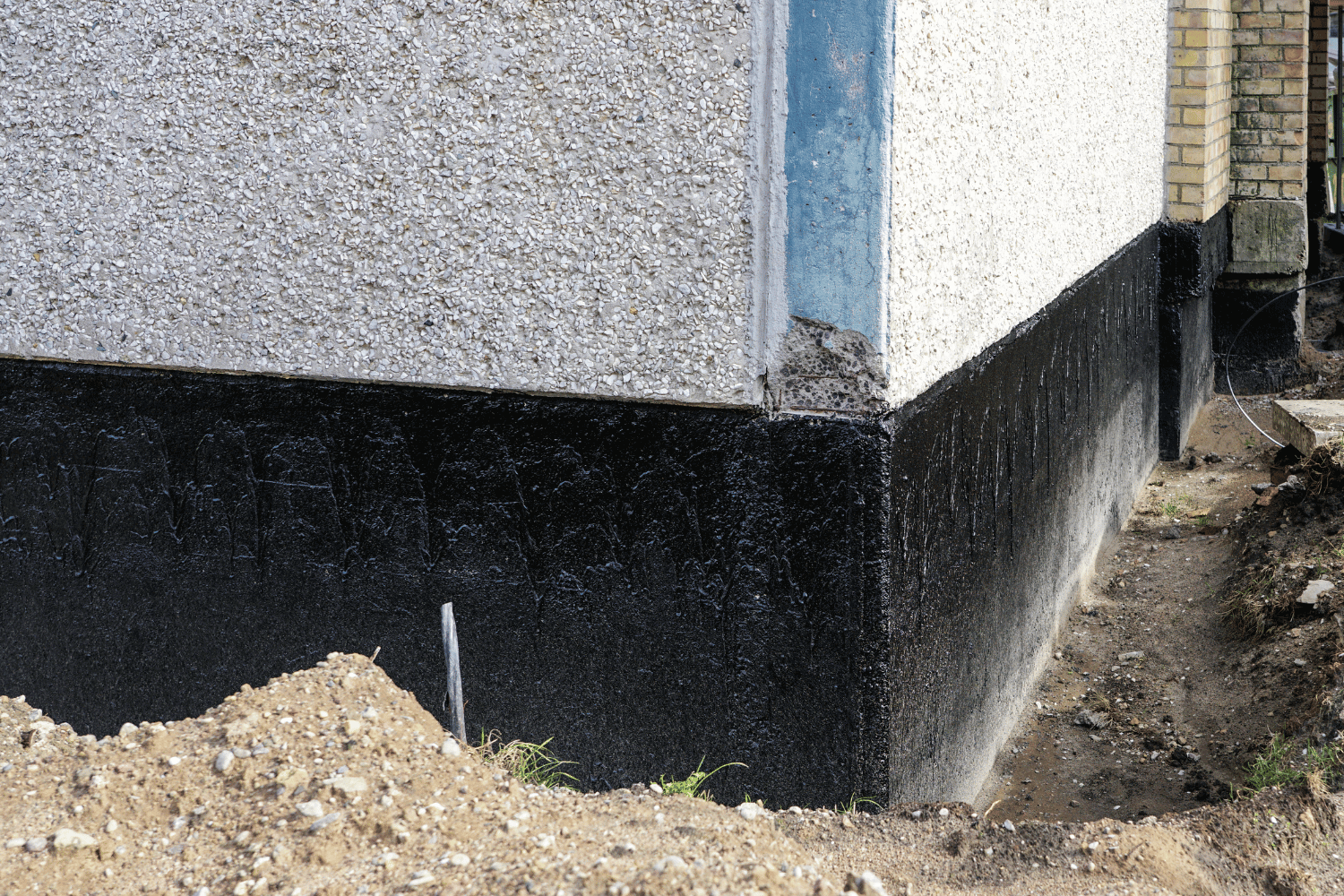
Applying masonry waterproofing paint to exterior walls creates a moisture barrier, preventing water leakage through the exterior wall. This simple yet powerful technique enhances your home’s exterior waterproofing.

Exterior waterproofing methods are crucial for keeping your basement dry. Addressing entry points and redirecting water away from the foundation significantly reduces the risk of water seepage.

Interior Waterproofing Techniques

Interior waterproofing techniques complement exterior methods by providing extra protection. A sump pump, which removes accumulated water and prevents flooding, is highly effective. Activated by a float switch when the water level rises, it ensures efficient water removal.

Installing a drain tile system is another crucial technique. Perforated pipes placed underground around the basement perimeter collect and channel water away from the home, managing groundwater and preventing accumulation to keep your basement dry.

Sealing foundation cracks with polyurethane caulk or hydraulic cement is vital. Even small cracks can lead to significant water infiltration, so addressing these vulnerabilities is key to preventing water seepage.

Landscaping and Drainage Improvements

Proper landscaping and drainage improvements are vital for preventing water seepage. Installing gutter extensions to deposit water at least 5 feet away from the foundation can greatly reduce the risk of pooling around your home.

Regularly cleaning your gutters, at least twice a year, prevents clogs that can lead to overflow and water damage. Additionally, grading your landscape to slope away from the foundation helps reduce water accumulation near the walls.

Choosing appropriate plant placement is important to mitigate the risk of roots affecting the foundation walls. Strategically planting vegetation enhances your home’s drainage and prevents further foundation damage. To fully understand these benefits, it’s essential to view this site properly.

Professional Help for Persistent Water Seepage

A professional inspecting a basement for persistent water seepage issues

When water seepage becomes persistent, seeking professional help is often the best course of action. Prompt water damage restoration prevents mold growth and structural damage. Professionals offer thorough basement sealing, waterproofing, foundation repair, and concrete leveling services.

Consulting professional waterproofing experts ensures severe water seepage issues are effectively addressed. These experts have the knowledge and tools to identify root causes and implement comprehensive solutions to prevent future problems.

A&M Home Services is a reliable option for homeowners dealing with water seepage. They offer a range of services, including waterproofing, and are dedicated to getting the job done right the first time.

Cost Considerations for Fixing Water Seepage

Addressing water seepage in your basement can vary in cost depending on the severity and solutions needed. Waterproofing a basement averages between $3 and $10 per square foot, translating to $3,000 to $10,000 for a 1,000 square foot basement.

Damp proofing is a less expensive option, costing around $3 to $6 per square foot but is generally less effective than comprehensive waterproofing methods. Basic acrylic waterproofing paint costs between $1 and $8 per square foot, making it affordable for some homeowners.

Additional costs include foundation repairs, ranging from $2,000 to $8,000, and mold remediation services, costing between $500 and $3,500 depending on severity. Hiring a professional for basement waterproofing typically costs about $200 per hour.

Summary

In summary, water seeping through basement walls is a common but manageable issue. By understanding the causes, recognizing the signs, and taking both immediate and long-term actions, you can protect your home from water damage. Exterior and interior waterproofing techniques, along with proper landscaping and drainage improvements, provide comprehensive solutions.

If water seepage persists, seeking professional help is crucial. Addressing these issues promptly can prevent mold growth and structural damage. With the right approach, you can ensure that your basement remains dry and safe for years to come.

Frequently Asked Questions

What are the common causes of water seeping through basement walls?

Water seeping through basement walls is commonly caused by hydrostatic pressure, improper drainage, cracks in the foundation, and problems with basement windows and window wells. Addressing these issues promptly can help prevent further damage.

How can I spot signs of water seepage in my basement?

To effectively spot water seepage in your basement, check for musty odors, mold growth, water stains, peeling paint, efflorescence, pooling water, and any damp or darkened walls and floors. Identifying these signs early can help prevent further damage.

What immediate steps should I take when I notice water seepage?

Act quickly to minimize soil saturation around your foundation, ensure gutters and downspouts are functioning properly, and consider installing window well covers to prevent further water infiltration. This proactive approach will help protect your Home from significant water damage.

What long-term solutions are available for preventing water seepage?

Implementing exterior and interior waterproofing methods, including French drains and sump pumps, along with sealing foundation cracks and enhancing landscaping and drainage, serves as effective long-term solutions to prevent water seepage. These strategies can significantly improve water management and protect your Home over time.

When should I seek professional help for water seepage issues?

You should seek professional help for water seepage issues if it persists despite your attempts to fix it, as experts can address severe problems more effectively.

An example of wind damage on a metal roof illustrating the effects of high winds

How to Protect Your Home from Wind Damage: Metal Roof Solutions

Wind damage to metal roofs can lead to both minor and severe problems. This article will guide you on how to identify, prevent, and repair wind damage metal roof issues. Understanding these aspects is crucial for maintaining the longevity and integrity of your roof.

Key Takeaways

  • Understanding wind damage to metal roofs includes recognizing causes such as wind uplift and signs like loose fasteners and seam separations, which can lead to significant structural issues.
  • Wind resistance in metal roofs is influenced by factors like material quality, proper installation, and roof design, with thicker materials and steep slopes enhancing durability against high winds.
  • Preventative measures such as regular inspections, timely repairs, and installation of protective coatings are essential for maintaining the integrity of metal roofs and safeguarding against wind damage.

Understanding Wind Damage to Metal Roofs

An example of wind damage on a metal roof illustrating the effects of high winds

Wind damage to metal roofs can range from minor cosmetic issues to significant structural problems. Wind uplift, a phenomenon where wind pressure pulls or pushes on the roof, is a primary cause of damage. Metal roofs, though highly durable, are not immune to the forces of nature. Regular maintenance helps prevent significant damage and prolongs the roof’s lifespan.

When wind speeds exceed certain thresholds, they can cause stress on metal panels, leading to issues like panel deflection and seam separations. Understanding wind damage is essential for protecting your roof. Here are the causes and signs to watch for.

Causes of Wind Damage

Wind uplift occurs when the air pressure beneath the roofing is greater than the pressure above it, creating a lifting effect on the roof. This can lead to the separation of panels and failure of clips, particularly in standing seam metal roofs. High winds and extreme weather conditions exacerbate this effect, causing significant damage to metal roofs. Incorrect installation practices can also increase the likelihood of wind damage, as improperly secured panels are more susceptible to uplift and detachment.

In severe cases, wind uplift can cause the roof deck to detach from the supporting structure, leading to catastrophic roof failure. Knowing the wind resistance of your roof is vital for assessing its vulnerability to damage. Addressing these causes allows homeowners to reinforce their roofs against wind loads and high winds.

Signs of Wind Damage

Early identification of wind damage signs can prevent minor issues from becoming major problems. Common signs include loose or missing fasteners, which can compromise the roof’s integrity and lead to further damage if not addressed promptly. Panel deflection and seam separations are also indicators of wind damage, often resulting from wind uplift and high wind speeds.

Unusual noises, such as rattling or banging, can also signal loose metal roofing panels, indicating potential wind damage. Regular inspections help detect these issues early, enabling timely repairs and maintenance to preserve the roof’s integrity.

Factors Influencing Wind Resistance in Metal Roofs

A photo showing the quality and thickness of the materials used, installation practices, and roof design

Several factors influence the wind resistance of metal roofs, including the quality and thickness of the materials used, installation practices, and roof design. Most metal roofs can resist wind speeds up to 140 mph, with engineered systems exceeding 160 mph. Wind speeds exceeding 100 mph can result in severe damage to roofs. This can ultimately lead to catastrophic roof failures.

Examining these factors reveals how they contribute to a roof’s wind resistance.

Material Quality and Thickness

The quality and thickness of the roofing materials play a significant role in wind resistance. Thicker metal gauges enhance durability and resistance against wind and hail damage. For instance, 26-gauge steel is recommended for better hail protection. Higher-grade metal sheets offer enhanced resistance to rust and corrosion. This feature contributes significantly to the overall durability of the materials.

Installation Practices

Proper installation enhances the wind resistance of metal roofs. Professional installation ensures that materials are selected carefully and installed correctly to withstand wind uplift. Specialized skills and experience are necessary for installing metal roofs, as improper techniques can heighten the risk of wind damage.

Selecting a contractor familiar with regional wind uplift requirements ensures effective roof installation. Techniques like using more clips and ensuring quality fasteners prevent panel detachment in high winds.

Roof Design Considerations

Roof design significantly impacts wind resistance. Steeper roof slopes improve wind resistance by reducing uplift forces. Wider metal panels tend to deflect more than narrower panels, affecting their performance against wind forces. Aerodynamic shapes and proper installation techniques are essential for reducing the risk of wind uplift in metal roofs.

Location and weather conditions also influence how wind uplift affects roofs. Wind uplift tests measure the wind pressure a roof can withstand, ensuring it meets safety requirements. Considering these design elements enhances a roof’s ability to withstand windborne debris and severe weather.

Preventative Measures for Protecting Metal Roofs from Wind Damage

A photo showing a professional inspecting a metal roof for potential wind damage

Preventative measures are key to protecting metal roofs from wind damage. Proper installation, regular maintenance, and the application of protective coatings can significantly enhance a roof’s wind resistance.

Preventative measures are a cost-effective investment compared to post-damage repairs.

Regular Roof Inspections

Regular inspections promptly identify and address potential damage. Conducting inspections every six months helps maintain metal roofs effectively. Inspections should focus on the integrity of seals and the security of roof access points, as well as identifying leaks and seam separations.

Protective Coatings and Treatments

Protective coatings help prevent damage to metal roofs. Silicone-based paint acts as a barrier against corrosion, while roof coating systems prevent leaks by sealing seams and cleaning the roof. Periodic maintenance of these coatings can prolong the roof’s lifespan by up to 20 years.

Timely Repairs and Maintenance

Timely repairs prevent minor damages from escalating into severe issues. Addressing loose fasteners, replacing damaged panels, and regular inspections enhance roof stability and wind resistance. Building owners should prioritize timely repairs to maintain their roof’s integrity and avoid costly repairs in the long run.

Repairing Wind Damage on Metal Roofs

A worker repairing wind damage on a metal roof

Repairing wind damage on metal roofs involves addressing common issues such as dents, punctures, leaks, seam separation, rust, corrosion, and roof damage. Documenting findings and making temporary fixes until repairs can be made is crucial if wind damage is suspected.

Consulting a professional ensures accurate damage assessment and determines the best repair approach.

Fixing Loose or Missing Fasteners

Loose or missing fasteners can lead to gaps or misalignments in the roofing panels, compromising the roof’s integrity. Inspect the roof after a storm for any fasteners that might have come loose or been dislodged.

Use a socket wrench to tighten loose fasteners to the manufacturer’s specified torque settings and replace any missing fasteners with ones that match the existing materials.

Addressing Panel Deflection and Separation

Panel deflection occurs due to an upward pull from the roof deck as a result of wind pressure. Professional inspection is essential for detecting leaks and seam separations in metal roofing systems.

Addressing these issues promptly can prevent significant damage and ensure the roof’s functionality.

Replacing Damaged Panels

Replacing damaged metal panels is crucial for maintaining the roof’s integrity. Panels showing significant signs of damage, such as rust, large holes, or severe denting, should be replaced rather than repaired.

Carefully remove the damaged sections by unscrewing or unfastening them, then install new panels by securing them with appropriate fasteners, ensuring they are properly aligned and sealed.

Choosing the Right Metal Roofing System for Wind-Prone Areas

Comparison of different metal roofing systems suitable for wind-prone areas

Selecting the right metal roofing system is essential for homes in wind-prone areas. Metal roofs are known for their exceptional wind resistance, impact resistance, and overall durability, making them ideal for hurricane-prone regions.

Here’s how to choose the best system for your home.

Comparing Metal Roofing Systems

Not all metal roofing systems perform the same under wind conditions. Some styles, like standing seam metal roofs, perform substantially better than others. Typical gauges for residential metal roofing materials range from 24 to 26 gauge, offering varying levels of wind resistance.

Comparing different systems is crucial for ensuring optimal wind resistance.

Selecting Wind-Resistant Materials

Choosing the right materials is key to protecting your home from wind damage. High-quality materials such as Galvalume and aluminum are recommended for their superior performance in high-wind areas. Galvalume is known for its high durability and corrosion resistance, making it a top choice for regions prone to high winds.

Aluminum roofing material is lightweight yet strong, offering outstanding performance and resistance against severe weather conditions. By choosing these materials, homeowners can ensure their roofs withstand wind speeds and minimize wind damage.

Professional Installation Matters

The effectiveness of a metal roofing system in resisting wind damage significantly relies on the quality of installation. Hiring an experienced professional roofing contractor ensures that the roof is installed correctly, following local codes and regulations to handle high wind pressures. Proper fastening and sealing techniques are crucial for enhancing wind resistance and preventing costly repairs.

Insurance Considerations for Wind Damage on Metal Roofs

Understanding insurance considerations is essential for homeowners to ensure coverage for wind damage on metal roofs. Wind damage is one of the primary reasons homeowners file insurance claims, often surpassing claims for other types of damage.

Knowing what to expect from insurance policies helps homeowners protect their investments.

Coverage for Wind Damage

Metal roofs are typically covered under standard homeowners’ insurance policies for wind damage. It’s important for homeowners to ensure their policy explicitly covers damage to metal roofs. Engaging in detailed discussions with insurance providers can help avoid misunderstandings about coverage limitations and exclusions.

Homeowners insurance generally includes coverage for wind damage, addressing repairs and replacements due to severe storms. However, policyholders must review their insurance coverage to understand specific limits and exclusions regarding wind damage.

Filing a Claim

Understanding your insurance policy helps you know what coverage is available for wind damage. Document all damage thoroughly with photographs and detailed descriptions before contacting your insurance company.

Effective communication with your insurance agent, providing required documentation, and following their procedures will ensure a smooth claims process.

Potential Discounts for Wind-Resistant Roofs

Many homeowners may not be aware that having a wind-resistant metal roof can qualify them for potential insurance discounts. Some insurance providers offer discounts for homes with metal roofs due to their resistance to hail and wind damage.

Qualifying for these discounts can help offset the cost of installing wind-resistant roofing, making it a financially wise investment.

Summary

In conclusion, protecting your home from wind damage with a metal roof involves understanding the causes and signs of damage, enhancing wind resistance through quality materials and proper installation, taking preventative measures, and knowing how to repair and insure your roof. By following these guidelines, you can ensure the longevity and durability of your metal roof, providing peace of mind during extreme weather conditions. Remember, investing in a wind-resistant roofing system is not only a wise financial decision but also a crucial step in safeguarding your home.

Frequently Asked Questions

How often should I inspect my metal roof for wind damage?

You should inspect your metal roof for wind damage every six months to ensure its integrity and address any potential issues promptly. Regular checks will help maintain its condition and extend its lifespan.

What are the best materials for a wind-resistant metal roof?

Galvalume and aluminum are the best materials for a wind-resistant metal roof due to their high durability and excellent corrosion resistance. These qualities make them particularly suitable for high-wind environments.

How can I tell if my metal roof has been damaged by wind?

To determine if your metal roof has been damaged by wind, look for signs such as loose or missing fasteners, panel deflection, seam separations, and any unusual noises. Timely inspection and repair can prevent further issues.

Does homeowners insurance cover wind damage to metal roofs?

Homeowners insurance generally covers wind damage to metal roofs, but it’s crucial to review your specific policy and consult your insurance provider for any limitations.

Can I get insurance discounts for having a wind-resistant metal roof?

Yes, many insurance providers offer discounts for homes with wind-resistant metal roofs, as they are more resilient to hail and wind damage. It’s advisable to check with your insurer for specific discount options.

A photo depicting the process of repairing hail roof damage

Essential Tips for Identifying Hail Roof Damage

Is your roof damaged by hail? This guide will show you how to spot hail roof damage and what steps to take next to protect your home.

Key Takeaways

  • Hail storms can cause considerable roof damage, even from small hailstones, making early detection through inspections important to prevent extensive repairs.
  • Signs of hail damage include granule loss from shingles, dents in gutters, and cracked or missing shingles, which may compromise roof integrity and aesthetic value.
  • Hiring a qualified roofing contractor with proper certifications is essential for accurate assessment and repair of hail damage, ensuring effective restoration and compliance with insurance claims.

Essential Tips for Identifying Hail Roof Damage

An image showing signs of hail damage on a roof.

Hail storms can cause varying degrees of damage to roofs, influenced by the size and density of the hailstones. Typically, hailstones ranging from 1 to 4 inches in diameter can cause significant damage to roofs, but even smaller hailstones can create problems that may go unnoticed. Wind speed and direction, as well as the age and condition of your roofing materials, also play a significant role in the extent of the damage.

When hail hits, the immediate impacts might include the loss of protective granules from asphalt shingles, leading to potential UV damage to the underlying materials. You might also notice dented gutters, downspouts, or even bruising to the shingle underlayment, which are subtle signs that can easily be missed without a thorough inspection. It’s crucial to understand these signs to prevent long-term issues.

Hiring a professional roofing contractor to examine your roof can be very beneficial. They can distinguish between hail damage and other types of roof damage, ensuring that any necessary repairs are accurately identified and addressed. Regular inspections after hail storms can identify damage early, preventing extensive and costly repairs later.

Introduction

In 2022, over 4,400 severe hail reports were documented, with the associated claim costs reaching $1 billion, according to State Farm. Hail storms can cause significant roof damage, leading to costly repairs and insurance claims. As a homeowner, understanding how to identify and manage hail damage is crucial to protecting your Home and managing potential repair costs.

A&M Home Services, Inc. offers valuable insights and best practices for homeowners dealing with hail damage. Understanding the common signs of hail damage and taking proactive measures can help you protect your roof and keep it in good condition. This guide will provide you with the knowledge needed to identify and address hail damage effectively.

Understanding Hail Roof Damage

An image showing signs of hail damage on a roof

Hail storms can inflict varying levels of damage on roofs, influenced by factors such as the size and density of the hailstones. Even smaller hail, under 1 inch in size, can cause significant damage that often goes unnoticed by homeowners. The extent of the damage is also affected by wind speed, direction, and the type of roofing materials used.

Recognizing the various types of hail damage is important. Hail damage can range from bruising to shingles, which can lead to granule loss and UV exposure, to more severe damage like fractures in the underlying roof structure. This damage can be either functional, affecting the roof’s integrity, or cosmetic, impacting the appearance without compromising performance.

Detecting hail damage early is key. Repairing or replacing damaged roofs quickly and installing impact-resistant shingles can minimize future hail storm effects. Consistent inspections and maintenance help keep your roof in good condition.

Effects on Asphalt Shingles

Asphalt shingles are particularly vulnerable to hail damage. One of the most significant indicators of hail damage to asphalt shingles is the loss of protective granules, which exposes the underlying material to UV damage. This granule loss not only compromises the shingles’ protective layer but also accelerates the aging process of the roof.

In more severe cases, hail impacts can lead to punctures, tears, or fractures in the shingles, affecting their overall performance and aesthetics. Look for granule loss and potential cracking, which indicate surface hail damage on an asphalt shingle roof.

Metal Roofing Impacts

Metal roofs, while generally more durable, are not immune to hail damage. Hail can cause impact dents that, while often cosmetic, can indicate potential underlying issues. For instance, hailstones measuring 1.5 inches in diameter can damage softer components of metal roofs, such as ridge caps or plastic roof vents.

The extent of hail damage depends on the type of roof. It can be categorized as either purely cosmetic or structural damage. Frequent inspections help assess the damage and determine necessary repairs.

Common Signs of Hail Damage

An illustration depicting the effects of hail damage on different roofing materials.

Identifying hail damage early can save homeowners from costly repairs. Common signs of hail damage include:

  • Dents or impact marks on the roof
  • Loss of protective granules from asphalt shingles
  • Dents in gutters and downspouts
  • Granules clogging gutters
  • Damage to siding or decks

Even smaller hailstones, under 1 inch, can cause noticeable damage. Homeowners should also inspect siding, windowsills, air conditioning units, and decks for signs of hail damage.

Hail damage can sometimes be unnoticeable, leading to significant issues if not identified early. Being aware of common signs and conducting regular inspections can prevent further problems.

Dented Gutters and Downspouts

Dented gutters and downspouts are common indicators of hail damage. The presence of dings in aluminum gutters can signal previous hail impacts on the roof.

Inspecting these areas along with the roof itself during a thorough inspection can help identify potential damage.

Cracked or Missing Shingles

Hail can cause roof shingles to crack or even dislodge them from the roof. This hail damaged roof can lead to potential structural issues and compromise the integrity of the roof.

Homeowners should look for visual signs such as granule loss, discoloration, or small dark spots that indicate hail damage.

Granules in Gutters

Granules in gutters often indicate that shingles have been compromised by hail damage. Granule shedding from shingles suggests potential hail damage and warrants a closer inspection of the roof.

Inspecting Your Roof for Hail Damage

After a hail storm, it’s crucial to inspect your roof for damage. Start by checking for broken branches, leaves, or flowers in the yard, which can indicate hail damage. If you notice damage to other parts of your Home, it’s essential to get your roof inspected immediately.

When inspecting your roof, pay attention to critical areas like vents, chimneys, skylights, and shingles. If you suspect hail damage, arrange for a free roof inspection by a qualified expert. A thorough inspection can help identify hidden damage, ensuring timely repairs.

Ensure you have the proper safety gear and knowledge before inspecting the roof yourself. Use tools like sticks or chalk for marking any observed hail damage during your inspection. However, if you’re not confident, it’s best to contact a professional.

Visual Inspection from Ground Level

A ground-level visual inspection can help you spot obvious signs of hail damage safely. Look for dents in metal roofs, cracked shingles, or granules in gutters during your inspection.

Identifying roof damage early can prevent more serious issues later.

Closer Inspection with Proper Safety Gear

Wearing appropriate gear, such as soft-soled shoes, is important for safety during a closer roof inspection. Using tools like a camera can help you document and evaluate roof conditions while minimizing risks.

Professional Roof Inspection

If you suspect hail damage, it’s best to call a professional roofing contractor for an inspection. A professional can quickly determine the severity of the hail damage roof repairs needed and recommend necessary repairs.

They will check all aspects of the roof, including flashing, roof vents, skylights, gutters, and chimney caps, to ensure a thorough assessment.

Consequences of Ignoring Hail Damage

An image illustrating the consequences of ignoring hail damage on a roof.

Ignoring hail damage can lead to serious problems, like roof leaks and structural integrity issues. Water damage from hail can weaken the structural integrity of wooden supports in the roof, potentially leading to more extensive damage. Additionally, untreated hail damage can create gaps in the roofing structure, allowing drafts to enter and resulting in decreased energy efficiency.

Mold growth and wood rot are other problems that can arise from ignoring hail damage, often becoming severe by the time they are detected. Timely repairs and professional inspections can prevent these issues from escalating.

Potential Roof Leaks

Hail damage can cause water leakage inside the home. Water passing through the roofing system due to hail damage requires urgent fixing. Persistent leaks from hail damage can cause significant structural deterioration over time.

An untreated roof can become increasingly vulnerable to further damage from additional weather events.

Structural Integrity Issues

Tiny openings created by hail can develop into larger leaks if not addressed promptly. Acting quickly after detecting roof damage or roof hail damage can prevent future leaks from minute scratches.

Water entering through hail-damaged areas can lead to mold growth within the home.

Repairing Hail Roof Damage

A photo depicting the process of repairing hail roof damage

Repairing hail roof damage can involve minor repairs or a full roof replacement, depending on the extent of the damage. Class 4 impact-resistant shingles are a recommended roofing material to reduce hail damage. Choosing the right repair option is important for maintaining the roof’s integrity and ensuring long-term protection.

Minor repairs might involve replacing individual shingles or sealing small leaks, which can often be done without needing a complete roof overhaul. Severe damage might require a full roof replacement to ensure uniformity and longevity.

Minor Repairs

Minor repairs can often involve replacing individual shingles or sealing small leaks. Individual shingles can often be replaced for minor damage, avoiding a complete roof overhaul.

Matching new shingles to old ones can be challenging due to discontinued colors and styles, but it’s a common solution for addressing hail damage.

Full Roof Replacement

A complete roof replacement may be needed if hail damage is severe, particularly with hailstones larger than 1 inch. A full roof replacement is often recommended in such cases to ensure uniformity and longevity.

While the cost can vary, the investment is essential for the long-term protection of your home.

Insurance and Hail Damage

Dealing with hail damage often involves navigating insurance claims. Most insurance companies cover the costs of roof replacements after significant storm damage. Homeowner’s insurance typically covers repairs from hail storms, but it’s important to understand the specifics of your policy.

Providing evidence of shingle damage and other hail impacts is essential for a successful claim. Installing Class 4 shingles may also provide homeowners with an insurance discount. For more information about your insurance coverage, contact your insurance agent.

Filing an Insurance Claim

Once a roof inspection confirms hail damage, the next step is to file an insurance claim to cover hail damage. Report the damage to your homeowners insurance and be aware of your deductible, as it may affect your decision to file a claim.

Typically, an insurance claim for hail damage requires at least 8 hits within a 10ft x 10ft square on at least three sides of your roof.

Working with Your Insurance Company

Coordinating with the insurance adjuster, who will assess the damage and determine if it qualifies for coverage, is part of working with your insurance company. Having a professional roofing company present during the adjuster’s visit can ensure all damage is properly documented and addressed.

Choosing a Professional Roofing Contractor

Choosing a professional roofing contractor experienced in hail damage repair is crucial for effective restoration. Contractors should have specific certifications to demonstrate their expertise in inspecting and repairing hail damage. Trust and experience with insurance claims are also important when choosing a contractor.

A reputable roofing contractor should offer a warranty on their work, ensuring protection against future issues. Verifying contractor credentials ensures you hire a qualified professional who can effectively address hail roof damage.

Checking Credentials

A storm damage expert should have HAAG Certification, signifying their training and expertise in assessing hail damage. A&M Home Services is recognized as a GAF Master-Elite® Contractor, indicating a high level of professionalism and expertise in roofing services.

Verifying contractor credentials ensures you hire a qualified professional.

Reading Reviews and Testimonials

Customer feedback offers valuable insights into a contractor’s reliability and quality of work. Platforms like Yelp or Angie’s List can offer insights into a contractor’s reliability and service quality.

Be cautious of companies with numerous negative feedback, as this can be a red flag.

Summary

Identifying hail roof damage early is crucial for preventing costly repairs and maintaining the integrity of your roof. Regular inspections, both by homeowners and professionals, can help catch damage early and ensure timely repairs. Understanding the common signs of hail damage, such as dented gutters, cracked shingles, and granules in gutters, is essential for effective damage assessment.

Working with a qualified roofing contractor and understanding your insurance coverage can streamline the repair process and provide peace of mind. By taking proactive steps, homeowners can protect their roofs from hail damage and ensure their homes remain safe and secure.

Frequently Asked Questions

What are the common signs of hail roof damage?

Common signs of hail roof damage include dents in gutters and downspouts, cracked or missing shingles, and granules accumulating in the gutters. It’s essential to inspect your roof after a hailstorm for these indicators.

How can I safely inspect my roof for hail damage?

To safely inspect your roof for hail damage, begin with a visual inspection from the ground for visible signs of damage. If you need to get closer, ensure you use proper safety gear to protect yourself.

When should I call a professional roofing contractor?

If you suspect hail damage or see significant signs of wear and tear on your roof, it’s essential to call a professional roofing contractor for a thorough inspection immediately. Taking action promptly can prevent further damage and costly repairs.

How does insurance cover hail damage?

Insurance typically covers hail damage under homeowner’s policies, but it’s essential to consult your insurance agent for details on your specific coverage.

What qualifications should I look for in a roofing contractor?

To ensure a reliable roofing contractor, prioritize those with certifications such as HAAG and GAF Master-Elite®, along with strong customer reviews and a solid warranty on their services. This combination significantly enhances your chances of quality work.

An illustration of interior waterproofing measures for a basement.

Best Methods to Achieve a Waterproof Basement Foundation

Struggling with water in your basement? Securing a waterproof basement foundation is crucial for your home’s safety. This guide covers effective ways to prevent water infiltration and protect your basement.

Key Takeaways

  • Waterproofing your basement foundation is essential for preventing mold growth, protecting structural integrity, and reducing energy costs.
  • Identifying water issues early, such as musty smells and water stains, allows for timely intervention and helps maintain a healthy living environment.
  • Choosing the right waterproofing methods and products, and considering professional help for severe cases, ensures effective long-term protection against water infiltration.

Importance of Waterproofing Your Basement Foundation

An illustration depicting the importance of waterproof basement walls.


Waterproofing your basement foundation is not just about keeping your basement dry; it’s about protecting your entire home. Dampness in basements can lead to mold growth, which can damage drywall, flooring, and paint. Mold is not only unsightly but also poses health risks, especially for people with respiratory issues. Waterproofing your basement prevents water infiltration and mold growth, promoting a healthier living environment.

High moisture levels in a basement can increase relative humidity, leading to further mold growth and even potential structural damage. Groundwater can seep through basement walls, causing bowing and cracking. This not only compromises the structural integrity of your home but can also be costly to repair. Waterproofing helps resist these stresses from water and soil pressures, protecting your home from significant structural issues.

Moreover, a waterproofed basement can lower energy costs by reducing humidity and easing the workload on your HVAC system. It ensures that your basement remains a comfortable and usable space, potentially increasing the value of your home. Whether you use your basement as a storage area, a living space, or a finished basement, waterproofing is a crucial step in maintaining its integrity.

Identifying Water Issues in Your Basement

A diagram illustrating common water entry points in a basement.


Identifying water issues in your basement early can save you from extensive damage and costly repairs. Musty smells in the basement are often the first sign of water issues. These odors result from dampness and mold growth, which can thrive in moist environments. Additionally, water stains on walls and floors are common indicators of water infiltration. These stains not only mar the appearance of your basement but also signal underlying moisture problems.

Visible leaks and moisture issues are clear signs that your waterproof basement walls and foundation walls may require waterproofing, especially if you have wet basement walls. Addressing these issues promptly prevents further damage and maintains a healthy living environment.

Understanding the signs of water issues allows you to take steps to waterproof your basement and protect your home.

Testing for Moisture

One effective way to determine the source of moisture in your basement is the aluminum foil test. Tape a piece of aluminum foil to the basement wall and leave it for 24 hours. After this period, check the foil for moisture.

A wet underside indicates water seeping through the wall from the outside. Dampness on the side facing the wall suggests exterior moisture entry. If the underside is dry, the problem is room humidity.

Dampness on the exposed side indicates high humidity, requiring ventilation and dehumidification. This simple test can help you pinpoint the source of moisture and determine the best course of action to waterproof your basement.

Common Entry Points for Water

Water can enter your basement through various entry points, including mortar joints, pipes, and window wells. These areas are often vulnerable to water retention and infiltration. Doors, windows, and window wells are particularly susceptible, as they can allow water to seep in during heavy rainfall or flooding.

Hydrostatic pressure and soil saturation lead to water infiltration. Cracks from flooding or high water tables cause significant damage if not addressed.

Identifying these entry points is crucial for implementing effective waterproofing and protecting your basement.

Interior Waterproofing Solutions

Interior waterproofing combats basement moisture, keeping the area dry. These methods include applying sealants and using dehumidifiers. Common waterproofing materials include epoxy, polyurethane, and cementitious products, which are effective in sealing basement walls and preventing water infiltration.

Epoxy and polyurethane are generally more effective for significant moisture problems. Cementitious coatings offer a budget-friendly choice for creating a waterproof barrier in basements.

Waterproofing damp basement walls requires several steps. Firstly, you need to remove standing water, identify the water source, and clean the walls before sealing leaks and applying a waterproof coating.

Sealing Cracks and Holes

Sealing cracks and holes in basement walls prevents water infiltration and related issues. Hydraulic cement, caulk, and epoxy resin can be effectively used to seal holes and cracks. Hydraulic cement is particularly useful for filling large cracks and gaps, creating a watertight bond.

Apply hydraulic cement within three minutes after mixing, as it sets quickly.

Common entry points for water include gaps around pipes entering the basement and improperly sealed window frames. Sealing these areas maintains a dry basement.

Interior Waterproofing Measures

An illustration of interior waterproofing measures for a basement.


Interior waterproofing measures are essential for protecting your basement from water infiltration. These methods focus on creating barriers inside the basement walls to prevent water from entering. A&M specializes in interior waterproofing systems, effectively channeling water away from the basement and reducing the risk of water accumulation.

Proper interior drainage is crucial for preventing water buildup around basement foundations. Improving this drainage significantly enhances a basement foundation’s waterproofing capability.

Installing Interior Waterproof Membranes

A waterproof membrane on interior basement walls creates a protective barrier against water infiltration. Common types of waterproof membranes used in interior systems include epoxy, polyurethane, and cementitious coatings. Proper installation involves ensuring surfaces are clean, applying the membrane according to manufacturer instructions, and avoiding walking on exposed membranes.

By focusing on interior solutions, A&M ensures that the waterproofing system remains intact and effective in preventing water intrusion.

Enhancing Interior Drainage

Enhancing interior drainage ensures proper water management away from the foundation, preventing water accumulation. Solutions like sump pumps and interior drainage channels effectively redirect water within basements.

Proper interior drainage prevents water accumulation around basement foundations. Improving interior drainage significantly enhances a basement foundation’s waterproofing capability.

Addressing Standing Water and Poor Drainage

A cartoon representation of addressing standing water in a basement.


Disable electricity before addressing standing water in the basement to reduce shock risk. A utility pump effectively removes water during flooding events. To keep water away from the basement, inspect and repair gutters and downspouts and grade the yard away from the foundation.

If flooded, pump out the water first. Only after that should you seal any cracks in the walls. Ensure sump pumps and floor drains are functional before removing standing water. Improving yard drainage might involve regrading the ground and installing drain tile systems.

Sump Pump Installation

Consider installing a sump pump if standing water is a recurring problem. Sump pumps come in two varieties. These are pedestal pumps and submersible pumps. Submersible pumps are more powerful than pedestal pumps, suited for flood-prone areas.

In flood-prone areas, selecting a submersible pump ensures better performance. This ensures efficient water removal and helps keep your basement dry.

Maintaining Gutters and Downspouts

Maintaining gutters and downspouts prevents water pooling around the foundation. Downspouts should extend at least 6 feet away from the foundation to reduce water pooling. Regularly inspect and clean gutters to prevent debris blockages and water overflow.

Properly installed and maintained gutters and downspouts prevent water damage and keep the basement dry. This simple maintenance task can significantly protect most homes.

Professional vs. DIY Waterproofing

An illustration contrasting professional and DIY waterproofing methods.


Choosing between professional and DIY methods for waterproofing your basement can significantly impact the project’s effectiveness and cost. The average cost of waterproofing a basement is between $3,000 and $10,000, with labor costs being a significant factor. Interior waterproofing techniques are generally less expensive than exterior methods due to lower labor complexity.

DIY waterproofing might be viable for modest water problems, potentially saving money. However, DIY methods might not be effective for severe or recurrent moisture issues. Some manufacturers do not provide warranties for DIY waterproofing product installations. In such cases, hiring professionals is often recommended for comprehensive waterproofing, especially in complex situations.

Professional waterproofing typically offers long-term protection, preventing leaks and water damage. Hiring a professional is advisable if leaks keep returning or the problem doesn’t improve. Professionals can address severe moisture problems and ensure your basement remains dry and usable.

How to Choose the Right Waterproofing Products

Selecting the right waterproofing products depends on the specific moisture issues in your basement. For example, epoxy and polyurethane are effective for significant moisture problems, while cementitious coatings offer a budget-friendly option for creating a waterproof barrier. Consider the severity of water damage and choose products that address those issues effectively.

The best moisture barrier often combines interior and exterior waterproofing methods tailored to specific conditions. This approach ensures comprehensive protection against water infiltration, keeping the basement dry and safe. Research products, read reviews, and consult professionals to make informed decisions.

Hiring a Professional Waterproofing Contractor

Hiring a professional waterproofing contractor can be daunting, but finding someone reliable and experienced is crucial. Consult local consumer groups like the Better Business Bureau to create a list of potential contractors. Ask for and verify references from previous clients to ensure the contractor’s credibility and quality of work.

Ensure the contractor presents current proof of general liability insurance to protect against potential damages. Request a detailed estimate with line items for costs and time to ensure pricing transparency. This helps you understand what you’re paying for and avoid unexpected expenses.

Clarify if the contractor offers a guarantee or warranty, as these terms protect your investment. Be cautious of contractors requiring unusually large deposits; standard practice is 10-15% of the project cost. Avoid contractors using scare tactics to push for immediate decisions, as this may indicate untrustworthiness.

Taking these steps ensures you hire a professional waterproofing contractor who provides quality service and peace of mind.

Summary

In conclusion, waterproofing your basement foundation is crucial for maintaining a dry, safe, and usable basement. Identifying water issues early, such as musty smells and water stains, can help you take prompt action to prevent further damage. Interior waterproofing solutions like coatings and sealants, along with exterior measures like waterproof membranes and yard drainage, provide comprehensive protection against water infiltration.

Choosing the right waterproofing products and deciding between professional and DIY methods are essential steps in the process. Professional waterproofing offers long-term protection and peace of mind, especially for severe moisture problems. By following the guidelines in this guide, you can ensure that your basement remains dry and protected, enhancing the overall value and safety of your home.

Frequently Asked Questions

What are the signs of water issues in a basement?

The presence of musty odors, water stains on walls and floors, visible leaks, and mold growth are clear indicators of water issues in a basement. Addressing these signs promptly is essential to prevent further damage.

How can I test for moisture in my basement?

To test for moisture in your basement, use the aluminum foil test by taping a piece of foil to the wall and checking for moisture after 24 hours. This method will help you identify the source of any moisture problems effectively.

What are the benefits of professional waterproofing?

Professional waterproofing offers long-term protection and effectively tackles severe moisture issues, ensuring comprehensive coverage that surpasses DIY solutions.

How do I choose the right waterproofing products?

Choose waterproofing products by assessing the specific moisture issues in your basement, using epoxy for serious problems or cementitious coatings for cost-effective solutions, and consider combining interior and exterior methods for optimal results.

What should I look for when hiring a waterproofing contractor?

When hiring a waterproofing contractor, it’s essential to check references, verify insurance, and request detailed estimates while ensuring they provide a warranty. Be cautious of contractors who employ scare tactics or demand large deposits.

An illustration of fixing curled and cracked shingles on a roof.

Essential Shingle Repair on Roof: A Step-by-Step Guide

Damaged or missing shingles can lead to costly leaks and structural issues. This guide will show you how to identify and perform shingle repair on roof damage, step by step.

Key Takeaways

  • Detect and address shingle damage early to prevent leaks and structural issues.
  • Use appropriate tools and safety precautions when performing DIY roof repairs.
  • Regular maintenance and inspections can help avoid future roof damage and costly repairs.

Recognizing Damaged Roof Shingles

An illustration showing various types of damaged roof shingles including curled and cracked shingles.


Detecting damaged shingles is the first step in roof maintenance. Look for missing shingles, curled ends, cracks, and granule loss, often caused by severe storms, aging, strong winds, or prolonged sun exposure. Upon noticing these signs, promptly inspect your roof and address issues to prevent further damage.

Cracked, loosened, or warped shingles can lead to significant roof damage if left unattended. Missing or severely damaged shingles should be replaced immediately to avoid leaks and costly water damage. Neglecting these issues can result in water seeping into your home, causing structural damage and mold growth.

You might be able to repair missing asphalt shingles yourself, saving time and money. Only proceed if you’re comfortable with the process and have the right tools and materials. Next, we’ll cover the tools and materials needed for effective shingle repair.

Essential Tools and Materials for Shingle Repair

An illustration of essential tools for shingle repair, including a utility knife, and roofing nails.


Gather all necessary tools and materials before starting roof shingle repairs. Essential tools include roofing nails, a pry bar, a utility knife, and a hammer, which will help remove damaged shingles and install new ones.

With these tools and materials on hand, you’ll be prepared for any shingle repair project. Next, we’ll discuss critical safety precautions to take before starting roof repairs.

Safety First: Proper Safety Precautions

Prioritize safety when working on your roof. Use proper safety equipment, such as safety harnesses and hard hats. Wearing non-slip shoes will also help prevent accidents, especially when working on steep or slippery surfaces. Always use a sturdy ladder that extends at least three feet above the roof edge and maintain three points of contact while climbing.

Avoid working on your roof during wet or icy conditions to reduce slip and fall risks. The best time for repairs is during warm, dry afternoons when the surface is less slippery. Following these safety precautions ensures a safe and efficient shingle repair job.

Removing Old Shingles

An illustration demonstrating the process of removing old shingles from a roof.


Removing old shingles is essential in the repair process. You’ll need a flat pry bar and a hammer to extract the roofing nails. Start at the top of the roof and work your way down. Carefully insert the pry bar under the shingle tabs to lift them and expose the nails for removal.

Pull nails out slowly and carefully to avoid damaging surrounding shingles. After removing the damaged shingles, discard them properly and ensure all nails are extracted. Use a claw hammer for better leverage on stubborn nails.

With the old shingles removed, you’re ready to install the replacement shingles. We’ll guide you through the installation process, starting with preparing the area.

Installing Replacement Shingles

An illustration of the installation process for replacement shingles on a roof.


Installing replacement shingles involves several steps to ensure a secure, long-lasting repair. First, gather the necessary tools: roofing nails, a pry bar, a utility knife, and the replacement shingles. Inspect the roof decking for damage and make any necessary repairs before you replace roof shingles.

Position the replacement shingles over the damaged area, ensuring correct alignment. Secure the new shingles with eight nails, four at the top and four at the bottom.

We’ll dive deeper into each step of the installation process in the following subsections.

Preparing the Area

Prepare the area properly before installing new shingles. Start by clearing any debris from the damaged area to ensure a proper bond with the new shingles. Ensure the roof decking is in good condition and make any necessary repairs before proceeding.

With the area prepared, you’re ready to move on.

Securing New Shingles

Securing new shingles is the final installation step. Use a roofing nail gun or hammer to nail the new shingles. Each shingle should have eight nails, four at the top and four at the bottom, to ensure stability. Align the new shingles carefully with the adjacent ones to create a uniform barrier.

Re-nail the shingles above the new ones to ensure they are secure. This maintains the integrity of the entire roof and prevents any loose shingles from causing further damage. With the new shingles firmly in place, your roof repair is nearly complete.

Fixing Curled or Cracked Shingles

An illustration of fixing curled and cracked shingles on a roof.


Besides replacing damaged shingles, you may need to fix curled or cracked ones. Repair curling shingles by lifting the edges and applying roofing sealant underneath. This secures the shingles and prevents further lifting.

Cracked shingles require a different approach. Visible cracks can lead to leaks, so address them promptly. The following subsections provide detailed instructions for fixing both curled and cracked shingles.

Fixing Curled Shingles

Use a caulking gun to apply the sealant to the edges of the curled shingles, ensuring proper adhesion.

This quick and cost-effective repair method requires only basic materials like caulk and bricks. Securing the curled shingles prevents further damage and extends your roof’s life.

Repairing Cracked Shingles

Repair cracked shingles by using roofing sealant to fill the cracks. Apply the sealant to fill the entire gap and prevent leaks. Cover the applied sealant with crushed granules from old shingles to improve the repair’s appearance.

This method repairs the cracks and blends the repair with the rest of the roof. Address cracked shingles promptly to prevent water damage and maintain your roof’s integrity.

Preventative Measures to Avoid Future Roof Damage

Prevent future roof damage with regular maintenance and inspections. Thorough inspections help spot minor issues before they become major problems. Keeping gutters clear is crucial for proper water drainage and avoiding roof water damage.

Removing debris and vegetation from your roof prevents water pooling and leaks. Regular tree trimming prevents branches from damaging the roof during storms. Proper attic ventilation and insulation help prevent moisture accumulation, reducing the risk of mold and roof damage.

Using high-quality roofing materials suited to your local climate greatly enhances roof durability. Implementing these preventative measures extends your roof’s life and helps avoid costly repairs.
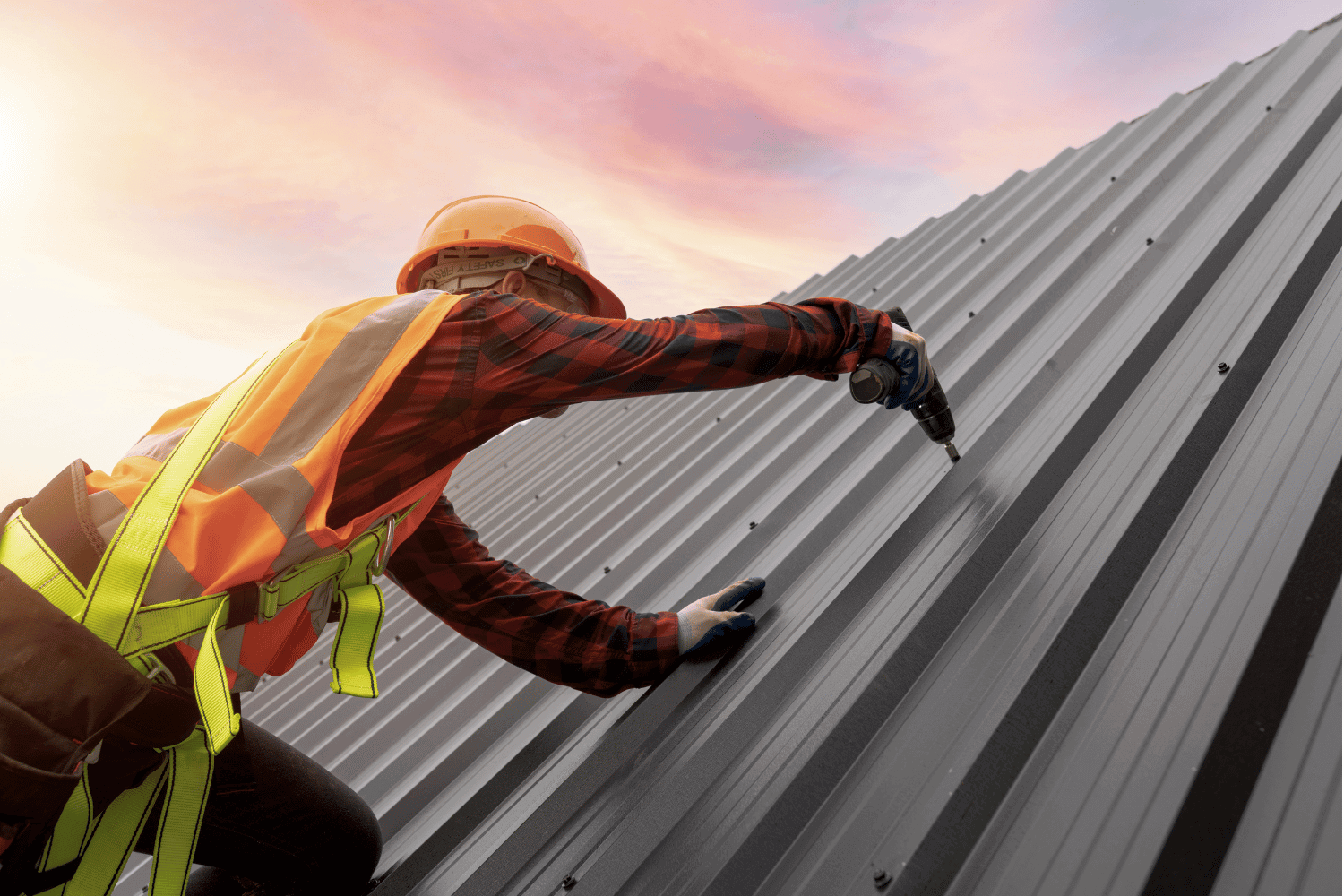
When to Call a Professional Roofer

DIY repairs can work for minor roof damage, but sometimes it’s best to call a professional roofer. Extensive damage, like a leaking roof or needing to replace most shingles, indicates the need for professional help. If unsure about repairs or lacking expertise, consult a roofing professional.

Consider DIY repairs if the roof is relatively new with only minor damage. For older roofs or extensive damage, hiring a professional is advisable. A professional roofer can assess the damage severity and apply proper repair methods.

Summary

Maintaining your roof is essential for protecting your home and ensuring your safety. By recognizing the signs of damaged shingles and taking prompt action, you can prevent further damage and costly repairs. Gathering the right tools and materials, following proper safety precautions, and understanding the steps involved in shingle repair can empower you to tackle minor roof repairs on your own.

However, for extensive damage or if you’re unsure about the repair process, it’s always best to consult a professional roofer. At A&M Home Services, we’re committed to providing exceptional customer service and ensuring your roof is in top shape. Remember, regular maintenance and preventative measures can extend the life of your roof and keep your home safe and secure.

Frequently Asked Questions

What services does A&M Home Services provide?

A&M Home Services offers a range of solutions, including roofing, gutter replacement, waterproofing, and siding. Their comprehensive services ensure that all your home improvement needs are met effectively.

What is A&M Home Services’ commitment to customer service?

A&M Home Services is committed to delivering exceptional customer service and ensuring that every job is completed correctly on the first attempt.

What is the service area of A&M Home Services?

A&M Home Services operates in Northern Indiana and Southern Michigan.

What type of contractor is A&M Home Services recognized as?

A&M Home Services is recognized as a GAF Master-Elite® Contractor, highlighting their expertise and quality in roofing services. This designation signifies a commitment to high standards in the industry.

How does A&M Home Services give back to the community?

A&M Home Services demonstrates its commitment to the community by providing a free roof to a community member in need each year. This initiative reflects their dedication to making a positive impact locally.

A visual representation of signs indicating a roof needs replacement, including missing shingles and water damage.

How Long Will A Roof Last? Lifespan of Different Roof Types

Wondering how long a will roof last? The answer depends on the type of material used. Roof lifespans vary widely: asphalt shingles typically last 15-30 years, while slate roofs can endure up to 200 years. This article will explore the longevity of different roofing materials and the factors that affect their durability.
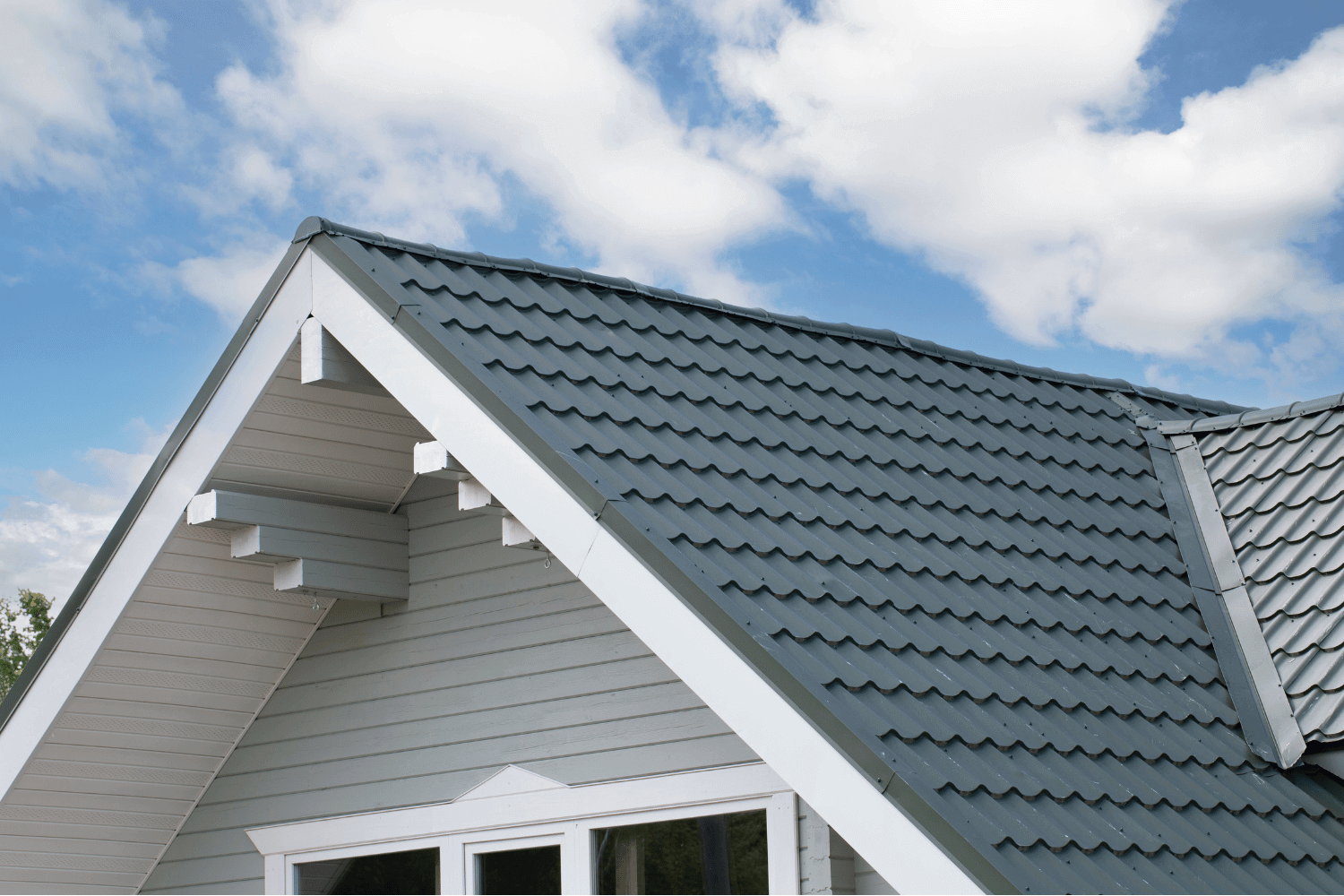
Key Takeaways

  • Roof lifespans vary significantly by material, ranging from 15 years for asphalt shingles to over 200 years for slate.
  • Key factors influencing roof longevity include installation quality, material quality, climate impact, ventilation, and regular maintenance.
  • Regular inspections and timely repairs are essential for extending a roof’s life, preventing small issues from escalating into costly problems.

Lifespan of Common Roofing Materials

An illustration showing various roofing materials including asphalt shingles and metal roofs, highlighting their lifespan.


A roof’s lifespan significantly impacts its ability to shield your home from the elements. Roofing materials vary widely in durability, with some lasting just a few decades and others enduring for over a century. Knowing these differences assists in selecting the best material for your requirements and budget.

Roofing materials can last from 20 years, as seen with asphalt shingles, to over 100 years, such as slate, metal, and clay. Some need replacement within two decades, while others endure over a century with proper care. Your choice of roofing material greatly affects its longevity and the frequency of replacement.

Asphalt Shingles

Asphalt shingles are popular for their affordability and easy installation. Their lifespan typically spans 15 to 30 years, influenced by shingle quality and climate. Three-tab shingles last 15 to 18 years, while premium and architectural shingles can endure 20 to 30 years or more under optimal conditions.

Climate, material quality, and maintenance significantly affect asphalt shingle longevity. Poor attic ventilation can further reduce their lifespan by undermining shingle integrity.

Routine maintenance and timely repairs extend the life of asphalt shingles and avoid premature asphalt roof replacement.

Metal Roofs

Metal roofs are prized for their durability, often lasting 40 to 70 years. Premium metals like copper and zinc can exceed 100 years. Common steel roofs with galvanized zinc or aluminum coatings last 25-50 years, while stone-coated steel tiles and standing seam roofs generally endure 30-50 years. Tin roofs can surpass 50 years.

Metal roofs’ longevity makes them appealing for long-term investment, despite higher initial costs. Fewer repairs and replacements can render a metal roof cost-effective over time.

Slate Roofs

Slate roofs, known for their exceptional durability, last 75 to 200 years, making them one of the longest-lasting options. Copper also boasts a roof’s lifespan exceeding 100 years.

Requiring minimal upkeep, slate roofs are a low-maintenance, highly durable option for homeowners seeking long-term roofing solutions.

Wood Shingles and Shakes

Wood shingles and shakes provide a natural, aesthetically pleasing roofing choice. Their lifespan ranges from 20 to 40 years, with cedar shakes averaging 30 years. Climate, vegetation, and maintenance practices can influence their longevity.

High-quality materials and suitable climate conditions can extend cedar shakes’ lifespan, outlasting other wood types used in roofing. Wood shakes generally last longer than asphalt shingles, appealing to those who prefer a natural roof aesthetic.

Clay and Concrete Tiles

Clay and concrete tiles are celebrated for their durability. Clay tiles last 50 to 100 years, making them one of the most enduring roofing materials. Concrete tiles, though slightly less durable, still offer 40 to 75 years of longevity. Overall, clay tiles are more durable, but concrete tiles also provide substantial longevity.
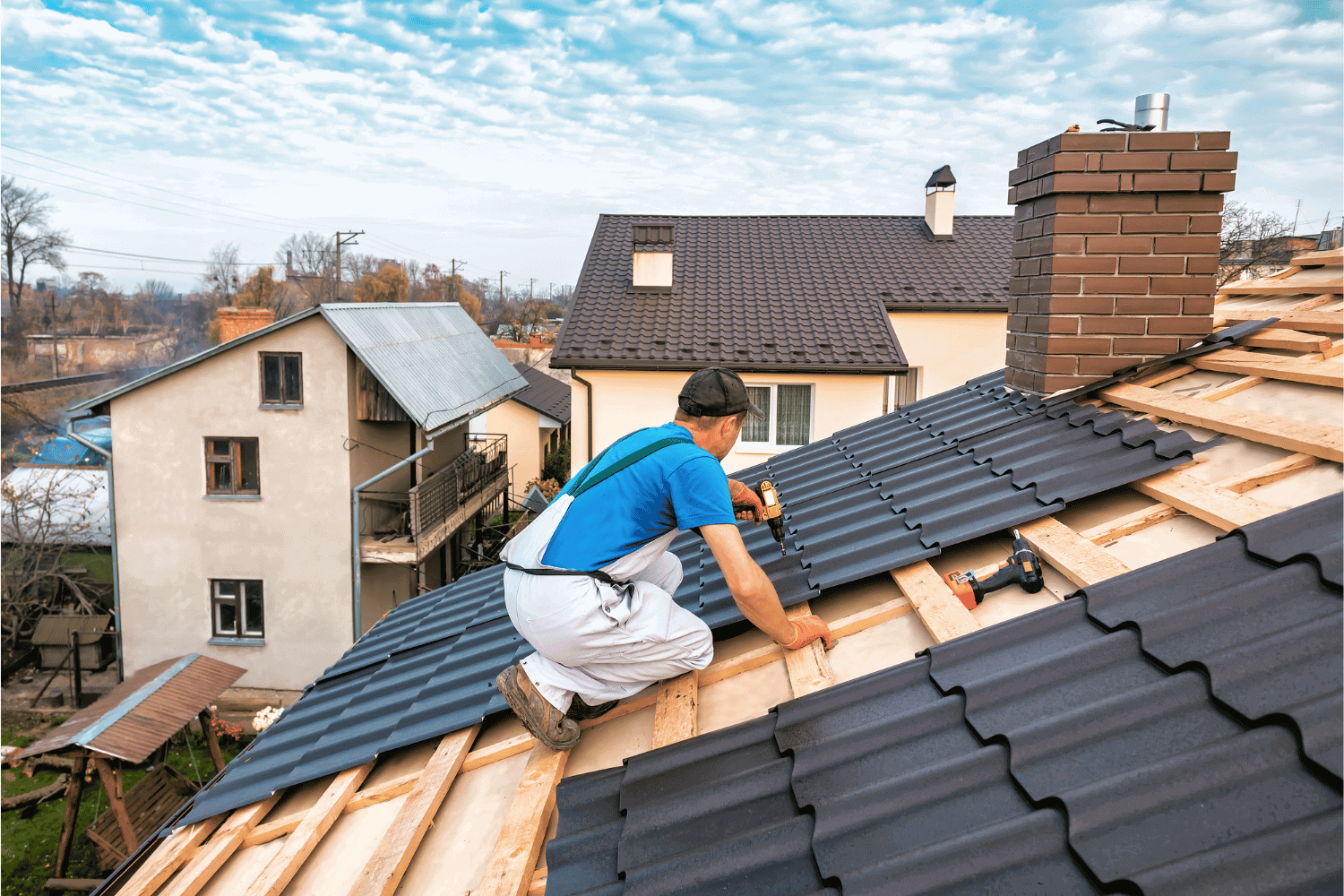
Clay tiles typically last 50 to 100 years, ideal for long-term roofing. Concrete tiles, while not as enduring, still provide a substantial lifespan, offering a durable and reliable option.

Key Factors Affecting Roof Longevity

An infographic illustrating key factors affecting roof longevity, including installation quality and maintenance.


Several factors influence roof longevity beyond the materials used. Installation quality, material quality, climate, ventilation, insulation, and regular maintenance are crucial. Understanding these aspects helps homeowners proactively extend their roof’s lifespan.

These factors are interconnected, and addressing them collectively enhances a roof’s durability. Proper installation and high-quality materials improve resistance to severe weather, while regular maintenance prevents minor issues from escalating.
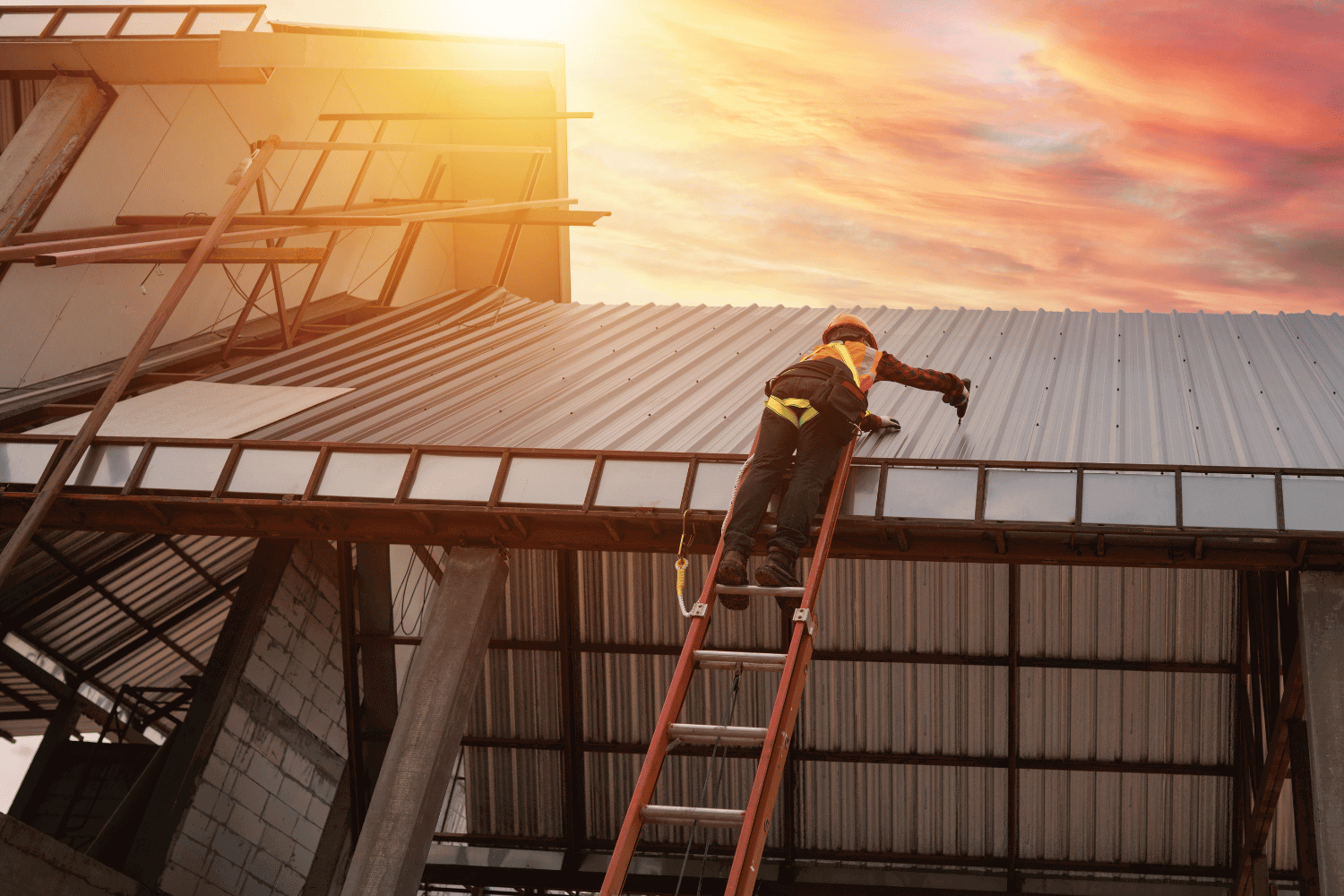
We’ll examine each of these factors in detail.

Quality of Installation

Installation quality is a major factor in roof longevity. Poor installation can cause issues like mold, damaged trusses, and premature failure. Professional installation of roofing materials maximizes lifespan and avoids errors. Faulty installation often leads to premature failure, highlighting the importance of skilled workmanship.

Common mistakes include poor workmanship, inadequate attic ventilation, and improper nailing.

Roofing Material Quality

High-quality roofing materials ensure better durability and performance over time, making them a worthwhile investment.

Investing in quality materials maximizes a roof’s life expectancy and reduces the need for frequent repairs and replacements.

Climate and Weather Conditions

Severe weather accelerates roof wear and tear. Rapid temperature swings damage roofing materials, especially asphalt and wood. Roof slope and style influence water shedding and sun exposure, affecting durability.
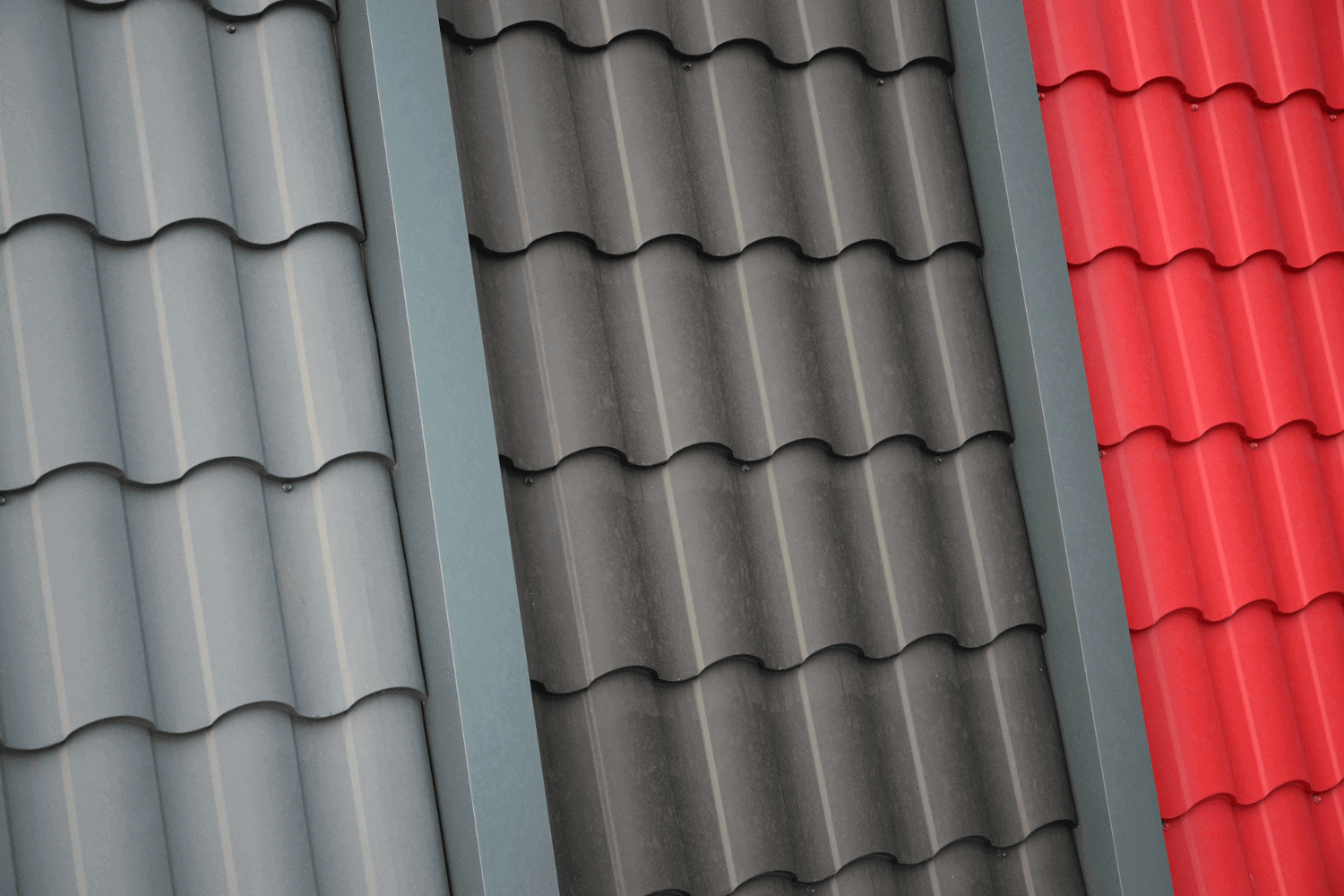
High winds can loosen or remove shingles, exposing the underlying structure.

Ventilation and Insulation

Ventilation and insulation are vital for roof integrity and longevity. Poor attic ventilation traps hot air in summer, deteriorating adhesives, and cold air in winter, causing damaging condensation. Issues include cracked shingles, swollen trusses, and mold growth. Proper ventilation maintains consistent roof temperature, minimizing heat or cold damage.
Attic insulation regulates roof temperatures, seals openings, and protects the roof deck from condensation. Poor insulation reduces roof integrity and longevity. A minimum R-value of R-38 is recommended for attic insulation in winter climates.

Ventilation and insulation jointly prevent heat damage and condensation, greatly extending roof longevity. Ensuring both proper insulation and ventilation in the attic is crucial for optimal conditions.
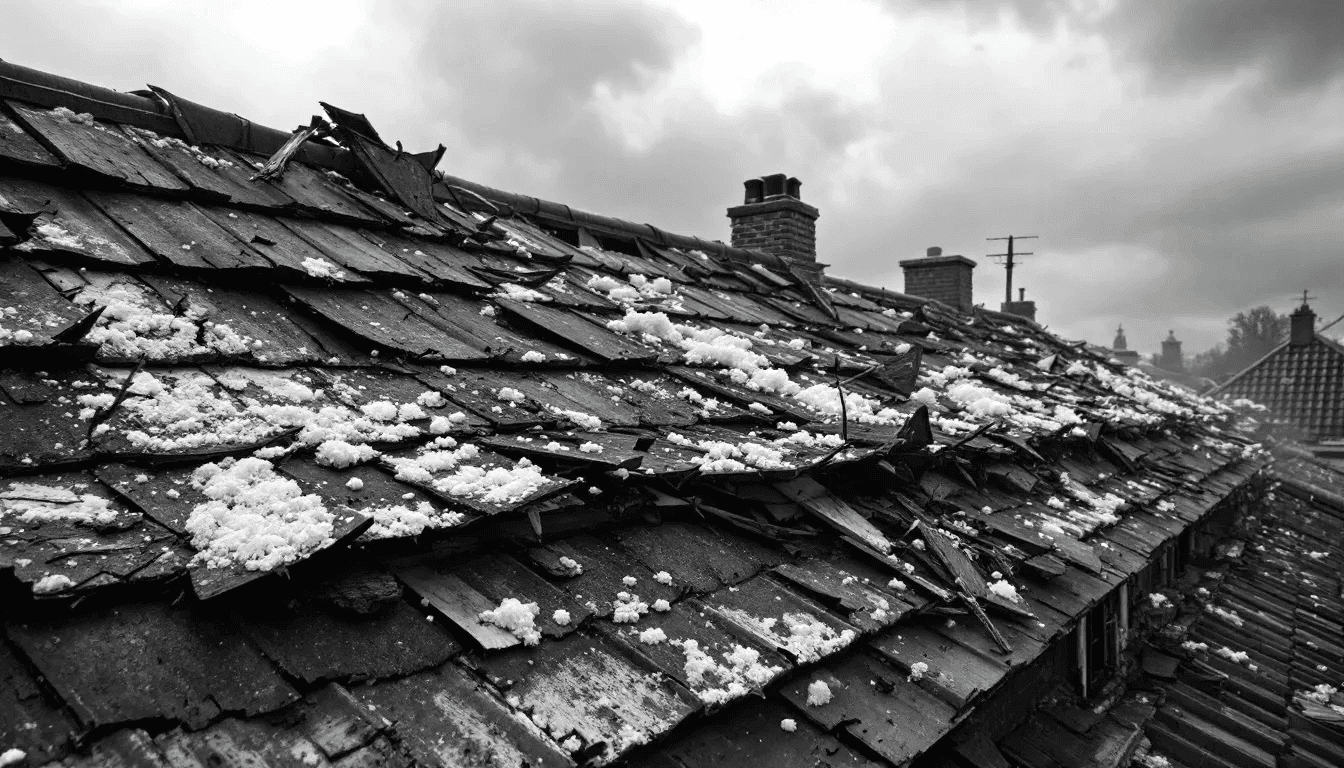
Regular Maintenance

Regular maintenance prolongs a roof’s life expectancy. Routine inspections identify early wear and damage, minimizing the risk of costly repairs. Consistent maintenance significantly extends roof longevity.

Roof maintenance prevents premature replacement and ensures long-lasting home protection.

Signs Your Roof Needs Replacement

A visual representation of signs indicating a roof needs replacement, including missing shingles and water damage.


Recognizing signs that a roof needs replacement is crucial to prevent further home damage. Roofs over 20 years old may be nearing the end of their useful life. Neighbors replacing their roofs can also indicate that yours might be due for replacement.

Additional indicators include a wet or shifting roof under pressure, curled shingle edges, cupped tabs, bald spots from missing granules, and cracked shingles. Early identification allows for timely action, avoiding extensive and costly repairs.

We will explore these signs in more detail.

Missing or Damaged Shingles

Shingle damage often appears as splitting, cracking, buckling, and curling. Clay tiles may crack or chip, while slate roofs can show missing or cracked shingles. Asphalt shingles may display disarray or significant wear as they deteriorate.

Age, extreme weather, and poor ventilation contribute to curled or damaged roof shingles edges. Replacing a few damaged shingles is preferable to replacing the entire roof when possible.

Water Damage and Leaks

Water stains on ceilings or walls usually indicate leaking roofs needing attention. Water damage and roof leaks signal potential roof failure and must not be ignored, as they can lead to significant structural and interior damage.

Addressing leaks promptly prevents costly repairs and extensive home damage.

Sagging Roof Deck

A spongy-feeling roof can indicate sagging. A wet or movable roof when pushed may need replacement. If sagging is suspected, use a broom to push at the spot and assess movement.

Granules in Gutters

Granules in gutters often signify extensive shingle wear, indicating that they may need replacement soon.

Regularly checking gutters for granules helps monitor roof condition and allows for timely action if needed.

How to Extend Your Roof’s Life Expectancy

An illustration showing maintenance tips to extend a roof's lifespan, including routine inspections and timely repairs.


Extending a roof’s life expectancy requires regular maintenance, timely repairs, and proper care. Annual inspections are crucial for identifying and addressing issues before they escalate. Routine maintenance prevents leaks and catches problems early, enhancing durability.

Prompt repairs prevent small issues from becoming larger, costlier problems. Regular cleaning and debris removal prevent deterioration and extend roof life. Inadequate insulation stresses the roof and reduces its lifespan, emphasizing the importance of quality installations.

We will explore these practices in more detail.

Routine Inspections

Annual roof inspections are essential for maintaining roof integrity and longevity. They can identify issues like missing shingles and cracked caulking, enabling timely repairs.

Regular attic checks can reveal early roof problems, especially leaks. Early identification through routine inspections prevents severe damage and costly repairs.

Timely Repairs

Routine maintenance extends roof life expectancy and helps detect minor issues before they become major problems. Loose, cracked, or missing shingles indicate deterioration needing immediate attention. Water stains, mold, and leaks signal potential roof failure and must be addressed promptly. Regular roof repairs can help prevent these issues from escalating.

A sagging roof deck can signal structural issues that require prompt repair to avoid further damage. Annual roof inspections can help identify minor issues, ensuring they are resolved before escalating into significant repairs.

Cleaning and Debris Removal

Regular gutter maintenance prevents water overflow that can damage the roof and siding. Cleaning off moss is recommended to prevent its growth on the roof.

Neglecting routine maintenance can lead to significant damage to the roof, making regular cleaning and debris removal essential for extending the roof’s life expectancy.

Understanding Roofing Warranties

An infographic explaining different types of roofing warranties, focusing on manufacturer's and workmanship warranties.


Roofing warranties provide homeowners with peace of mind by covering potential defects and issues that may arise post-installation. There are three primary types of roofing warranties: standard manufacturer, workmanship, and extended manufacturer warranties. Understanding these warranties can help you make informed decisions when hiring a roofing contractor and selecting roofing materials.

Reputable contractors often offer workmanship warranties that can vary significantly in duration, with some providing lifetime coverage. Knowing the details of these warranties can ensure you are adequately protected against defects and poor installation practices.

Manufacturer’s Warranty

A manufacturer’s warranty typically covers material defects, ensuring that the roofing materials used are free from significant flaws. A standard manufacturer warranty often covers material defects but does not include labor for removal and disposal of failed shingles. The typical duration of a manufacturer warranty ranges from 20 to 50 years.

Initial coverage under a manufacturer’s warranty typically includes labor costs for replacing defective shingles but requires prorated coverage after a set period.

Workmanship Warranty

Workmanship warranties from roofing contractors typically last between 5 to 10 years. These warranties cover installation errors and damage resulting from improper installation. Choosing reputable contractors is crucial for better warranty terms, as they are more likely to offer comprehensive coverage and stand behind their work.

Typically excluded from workmanship warranties are damages from poor workmanship and weather-related incidents.

Summary

In summary, the lifespan of your roof is influenced by various factors, including the type of roofing material, the quality of installation, climate conditions, and regular maintenance. Understanding these factors and recognizing the signs that indicate a need for roof replacement can help you make informed decisions and ensure your roof provides lasting protection for your home.

By investing in high-quality materials, ensuring proper installation, and engaging in regular maintenance, you can significantly extend your roof’s life expectancy. Remember, a well-maintained roof not only protects your home but also enhances its value and curb appeal. Stay proactive in your roof maintenance, and you’ll enjoy a durable and reliable roofing system for years to come.

Frequently Asked Questions

How long does an asphalt shingle roof last?

An asphalt shingle roof generally lasts between 15 to 30 years, influenced by shingle quality and climate. Therefore, proper maintenance can help maximize its lifespan.

What are the signs that a roof needs replacement?

If you notice missing or damaged shingles, leaks, water damage, a sagging roof deck, or granules collecting in your gutters, it’s time to consider a roof replacement. Addressing these issues promptly can help prevent further damage to your home.

How can I extend the lifespan of my roof?

To extend the lifespan of your roof, prioritize regular maintenance, timely repairs, and routine inspections. This proactive approach will help identify issues early and keep your roof in optimal condition.

What is a workmanship warranty?

A workmanship warranty protects against installation errors and damage caused by improper installation, generally lasting between 5 to 10 years. This ensures that any issues arising from poor workmanship will be addressed within this period.

What should be included in a regular roof inspection?

A regular roof inspection should include checking for missing shingles, cracked caulking, signs of leaks, and assessing the overall integrity of the roof. This helps ensure that potential issues are addressed before they lead to significant damage.

An infographic showing factors that influence roof longevity, such as climate and installation quality.

How Many Years for Roof Replacement: A Complete Guide

How many years for roof replacement? The lifespan of a roof typically ranges from 15 to 100 years, depending on the materials, installation quality, and maintenance practices. In this guide, we’ll explore the expected lifespans of different types of roofs, factors that impact their longevity, and tips to extend their life.

Key Takeaways

  • Roof lifespans vary widely, typically ranging from 15 to 100 years based on material, quality, and maintenance.
  • Regular inspections and proper maintenance are essential to extend a roof’s lifespan and prevent costly repairs.
  • Understanding roof warranties and associated costs helps homeowners make informed decisions regarding roof replacement and maintenance.

Understanding Roof Lifespan

An illustration depicting various types of roofs, including asphalt shingles and metal roofs, highlighting their lifespan.


The lifespan of a roof can vary widely depending on the type of roofing material used, the quality of installation, and the level of maintenance it receives. Generally, a typical roof lasts between 25 to 50 years. However, this range can be significantly impacted by the specific materials and care involved. For instance, investing in high-quality roofing materials and regular maintenance practices can extend your roof’s lifespan, while using low-quality materials can lower it. If you’re wondering how long does a roof last, it’s essential to consider these factors.

Before:

Different types of roofs have varying lifespans. Asphalt shingles, metal roofs, slate roofs, and wood shingles each offer unique benefits and longevity. Understanding these differences can help you choose the best roofing material for your home. Here are the specific lifespans of these common roofing materials.

After:

Different types of roofs have varying lifespans:

  • Asphalt shingles
  • Metal roofs
  • Slate roofs
  • Wood shingles

Each offers unique benefits and longevity. Understanding these differences can help you choose the best roofing material for your home.

Asphalt Shingles

Asphalt shingles are one of the most popular roofing materials due to their affordability and ease of installation. Typically, asphalt shingles last between 15 to 30 years, with the lifespan of your roof heavily influenced by the quality of the shingles and the level of maintenance they receive.

Warmer climates can reduce their lifespan due to increased brittleness, while colder climates can help them last longer. Regular preventative repairs by a professional roofing contractor can also extend the life of asphalt shingles.

Metal Roofs

Metal roofs are known for their durability and long lifespan, often outlasting asphalt roofs by a significant margin. With proper maintenance, metal roofs can last between 40 to 70 years or more. This longevity makes them a popular choice for homeowners looking for a long-term roofing solution.

To achieve their full lifespan potential, metal roofs require consistent inspections and maintenance.

Slate Roofs

Slate roofs are renowned for their exceptional longevity, making them one of the most durable roofing options available. Under ideal conditions, a slate roof can last between 75 to 100 years. However, the durability of slate roofs can be significantly affected by climate and sun exposure.

Maximizing the lifespan of a slate roof depends on proper installation and maintenance.

Wood Shingles and Shakes

Wood shingles and shakes offer a natural and aesthetically pleasing roofing option, with a typical lifespan ranging from 20 to 40 years. The lifespan of your roof can be significantly prolonged with proper maintenance and care. However, environmental factors such as humidity or dryness can affect the durability of wood shingles.

To ensure wood shingles and shakes last as long as possible, regular maintenance and inspections are key.

Factors Influencing Roof Longevity

An infographic showing factors that influence roof longevity, such as climate and installation quality.


Several factors can impact the average lifespan of a roof, including the quality of materials, installation practices, and environmental conditions. High-quality roofing materials typically lead to a longer roof lifespan, while low quality roofing materials can significantly lower it. Maximizing your roof’s life expectancy depends on choosing the right materials and ensuring proper installation.

Maintenance practices also play a vital role in extending the lifespan of your roof. Regular inspections and prompt repairs can stop minor issues from escalating into major problems, thus prolonging the roof’s lifespan.

Environmental factors such as climate and weather conditions can also significantly affect how long a roof lasts. Here is a detailed look at these factors that impact.

Climate and Weather Conditions

The local climate and weather conditions can significantly impact a roof’s lifespan. Fluctuating temperatures, extreme storms, heavy rain, and strong winds can cause faster deterioration, especially for less durable materials like asphalt shingles. High temperatures can make asphalt shingles brittle, leading to potential cracking or curling.

Proper attic ventilation helps prevent moisture buildup and reduces the risks of overheating or freezing. Understanding your local climate helps in choosing the appropriate roofing material and maintenance practices.

Installation Quality

The quality of roof installation is crucial for maximizing its lifespan. Professional installation ensures that the roof is properly ventilated and nailed, preventing leaks and early deterioration. Poor installation can void manufacturer warranties and lead to frequent repairs.

Selecting an experienced roofing contractor greatly influences the longevity of your roof.

Maintenance Practices

Regular maintenance is essential for extending the lifespan of your roof. Annual roof inspections can help catch potential issues early, reducing the risk of costly repairs. Timely repairs maintain the roof’s integrity and prevent further damage.

Neglecting regular inspections can result in undetected problems that lead to early roof replacement. Consistent maintenance practices are fundamental to extending your roof’s longevity.

Recognizing When You Need a New Roof

A cartoon showing visible signs of roof damage, indicating when you might need a new roof.


Recognizing the warning signs that indicate you need a new roof is essential for maintaining your home’s integrity. Delaying roof replacement can lead to increased energy bills, water damage, mold, pest infestation, and decreased Home value.

Timely action based on these warning signs you need can prevent further damage and higher costs in the future. Here are the key indicators that it might be time for a roof replacement.

Visible Damage

Visible damage to your roof, such as cracks in shingles, bald spots indicating missing granules, and bruised shingles with concave dents, are clear signs that your roof needs attention. These signs indicate significant issues that could lead to more extensive damage if not addressed promptly.

Regular inspections and roof repairs can help you catch these problems early, ensuring your roof remains in good condition.

Leaks and Water Damage

Interior leaks and water stains are often clear signals of underlying roof issues that require urgent attention. Damaged roof flashing can allow water to seep under shingles, leading to significant home infrastructure damage. Addressing roof leaks and water stains promptly is crucial to prevent severe damage to your home’s structure.

Regular inspections can help identify these issues before they escalate.

Age of the Roof

Knowing the age of your roof is essential for planning maintenance and replacements. As your roof approaches the end of its expected lifespan, it’s important to start saving and planning for a replacement. Regular inspections can help you determine when it’s time to consider a new roof, ensuring you are prepared for the investment.

Comparing Roof Warranties and Lifespans

An illustration comparing different roof warranties and their lifespan, emphasizing the importance of warranty coverage.


Homeowners should understand roof warranties as they offer coverage against costly repairs and replacements. Different roofing materials come with varying warranty periods, reflecting differences in durability.

While warranties can affect perceived roof longevity, they do not directly extend the lifespan of roofing materials. Comparing warranties and lifespans can help you make an informed decision when choosing a roofing material.

Warranty Coverage

Basic manufacturer warranties typically cover materials but not workmanship. Some manufacturers offer multiple warranty levels, including provisions for workmanship and material defects. Submitting a warranty claim often results in prorated coverage for material costs, with most warranties including a non-prorated coverage period followed by a prorated phase.

Knowing the details of warranty coverage helps avoid unexpected expenses.

Matching Warranty to Roof Type

Different roofing materials come with varied warranty lengths, reflecting their durability and expected lifespan. Matching the warranty to the type of roof materials you choose ensures you are adequately protected and can maximize your investment.

For example, while asphalt shingles may have shorter warranties, metal and slate roofs often come with longer coverage due to their durability.

How to Extend Your Roof’s Life Expectancy

An illustration showing maintenance practices to extend a roof's life expectancy, including regular inspections.


Extending the lifespan of your roof involves proactive maintenance and regular inspections. Proper maintenance can significantly reduce the need for frequent repairs and extend the life of your roof. Regular maintenance checks and seasonal inspections can detect small issues early, preventing major damage.

Here are effective strategies for extending your roof’s life expectancy.

Regular Inspections

Scheduling annual roof inspections is highly recommended for optimal maintenance. Regular inspections can catch potential issues early, reducing the risk of costly repairs.

A&M Home Services offers complimentary drone inspections, providing a detailed assessment of roof conditions without the need for ladders or scaffolding. Utilizing drone technology enhances safety and provides high-resolution imagery to identify potential issues.

Proper Ventilation

Adequate ventilation is crucial for preventing overheating and condensation issues in the roof’s structure. Proper attic airflow helps prevent moisture buildup and reduces the risk of overheating or freezing, extending the life of your roof.

Proper ventilation can significantly impact a roof’s lifespan.

Cleaning Gutters and Debris

Regularly cleaning gutters and removing debris from the roof surface is essential for preventing water damage. Ensuring gutters are clear allows rainwater to flow freely, protecting your roof from potential leaks and damage.

Identifying issues early through regular cleaning can facilitate repairs that avoid serious deterioration of the roof and underlying structure.

Cost Considerations for Roof Replacement

When considering roof replacement, it’s important to understand the financial aspects involved. The cost of a complete roof replacement typically ranges from $6,700 to $80,000, averaging around $11,500 for an average-sized home. Ignoring roof replacement can lead to structural damage and increased repair costs.

Proactively planning for roof replacement can help you manage these costs effectively.

Average Costs

The average cost for a roof replacement can vary significantly based on materials, labor, and other considerations. On an average home, the roof can be replaced in a day, but in extreme cases, it can take three to five days.

Understanding these costs and timelines can help you plan and budget for your roof replacement.

Budgeting Tips

When budgeting for a roof replacement, considering home equity can be a practical way to finance the project. Getting multiple estimates from different contractors can help you find the best price.

Additionally, timing your roof replacement during periods of low demand and inquiring about discounts for seniors or military personnel can provide cost savings. Considering a roof overlay may also save money by avoiding the expense of removing the old roof.

Schedule a Free Drone Roof Inspection with A&M Home Services

Maintaining your roof’s integrity is crucial, and regular inspections are a key part of this maintenance. A&M Home Services offers a free drone roof inspection, providing a thorough and detailed assessment of your roof’s condition without the need for ladders or scaffolding. This service is available for homeowners in Northern Indiana and Southern Michigan, making it convenient to schedule and ensure your roof is in top shape. Utilizing drones for inspections enhances safety and provides high-resolution imagery to identify potential issues early.

A&M Home Services is committed to exceptional customer service and ensuring the job is done right the first time. Our contractors are GAF Master-Elite® Contractors, a certification that underscores our dedication to quality and professionalism. With offices in Plymouth and South Bend, we are always ready to assist with your roofing needs.

Additionally, A&M Home Services gives back to the community by offering a free roof to a member in need each year. Schedule your free drone roof inspection today and take the first step towards maintaining a healthy roof.

Summary

Understanding the lifespan of your roof, the factors that influence its longevity, and recognizing when you need a new roof are crucial for every homeowner. Different roofing materials offer varying lifespans, and factors like climate, installation quality, and maintenance practices can significantly impact how long your roof lasts. Regular inspections and proactive maintenance can extend your roof’s life expectancy, while understanding cost considerations helps in planning for roof replacement. A&M Home Services is here to support you with top-notch services, including free drone inspections to ensure your roof remains in optimal condition. By staying informed and proactive, you can protect your home and investment for years to come.

Frequently Asked Questions

What is the life expectancy of a shingle roof?

The life expectancy of a shingle roof typically ranges from 15 to 30 years, depending on the type of shingles and environmental conditions. Three-tab shingles generally last 15 to 20 years, while architectural shingles can last 20 to 30 years.

How long does a roof typically last?

A roof typically lasts between 15 to 100 years, depending on the material; for instance, asphalt shingles last 15-30 years, while metal and slate roofs can last significantly longer. It’s essential to consider the roofing material to understand the expected lifespan.

What factors impact the lifespan of a roof?

The lifespan of a roof is significantly impacted by the quality of materials, installation practices, local climate, and regular maintenance. Ensuring high-quality materials and professional installation will help maximize your roof’s longevity.

How can I tell if I need a new roof?

You can tell if you need a new roof by looking for visible damage such as cracks or bald spots on shingles, checking for interior leaks and water stains, and considering if your roof has reached the end of its expected lifespan. If you notice these signs, it’s time to consult a professional.

What does a roof warranty typically cover?

A roof warranty typically covers defects in materials and workmanship, with some offering more comprehensive protection. It’s essential to review the specific terms to understand the extent of coverage provided.