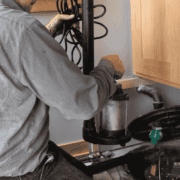
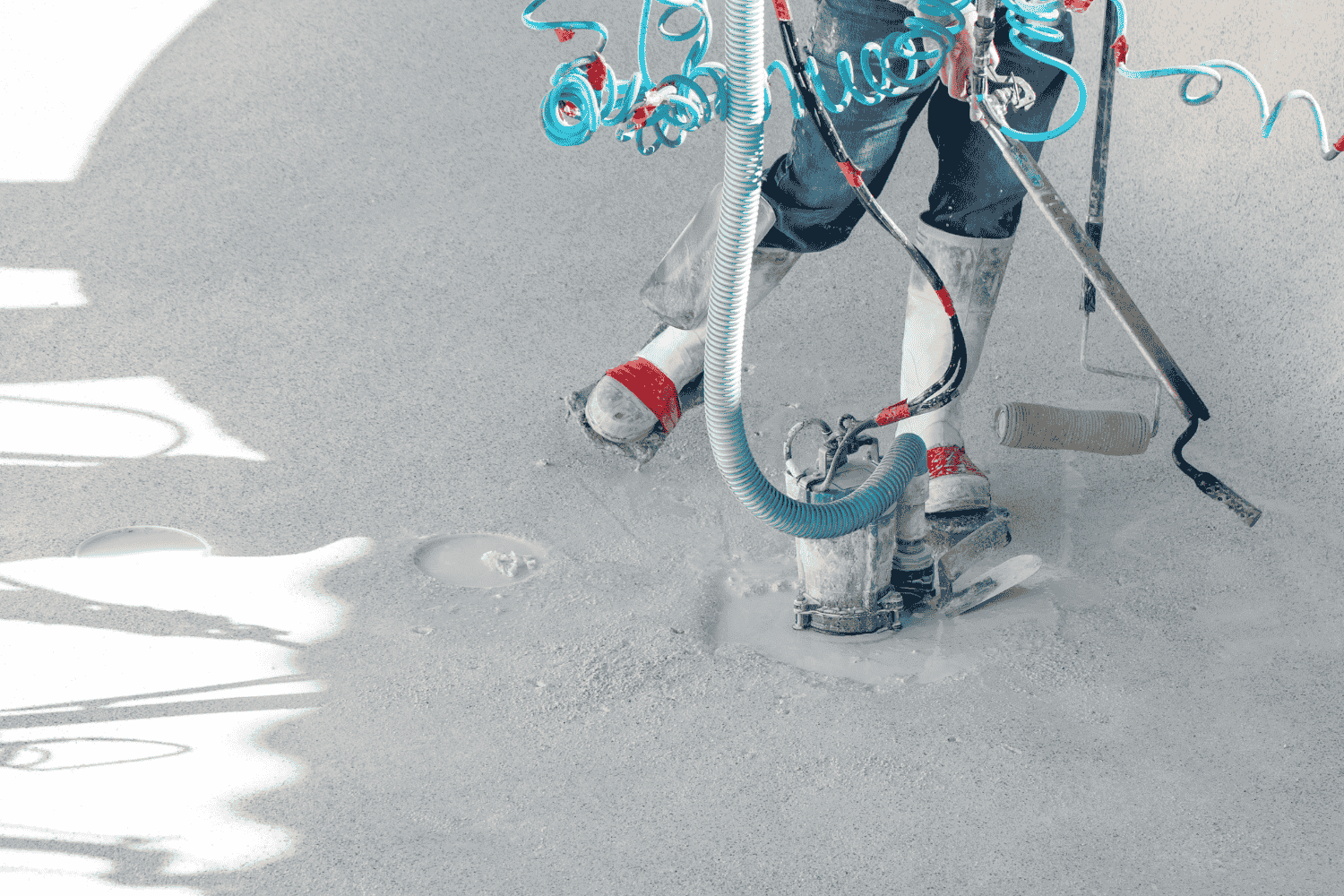
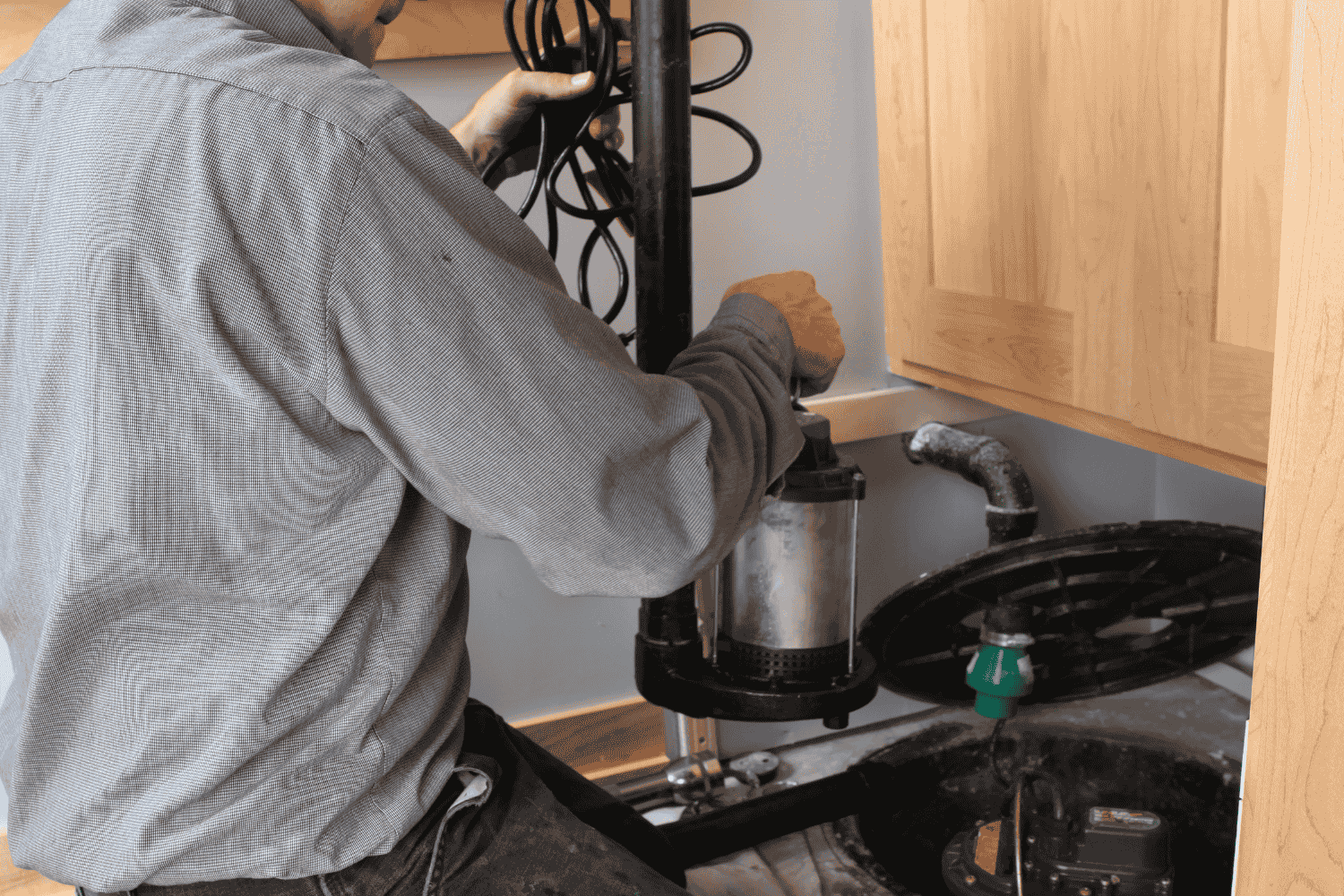
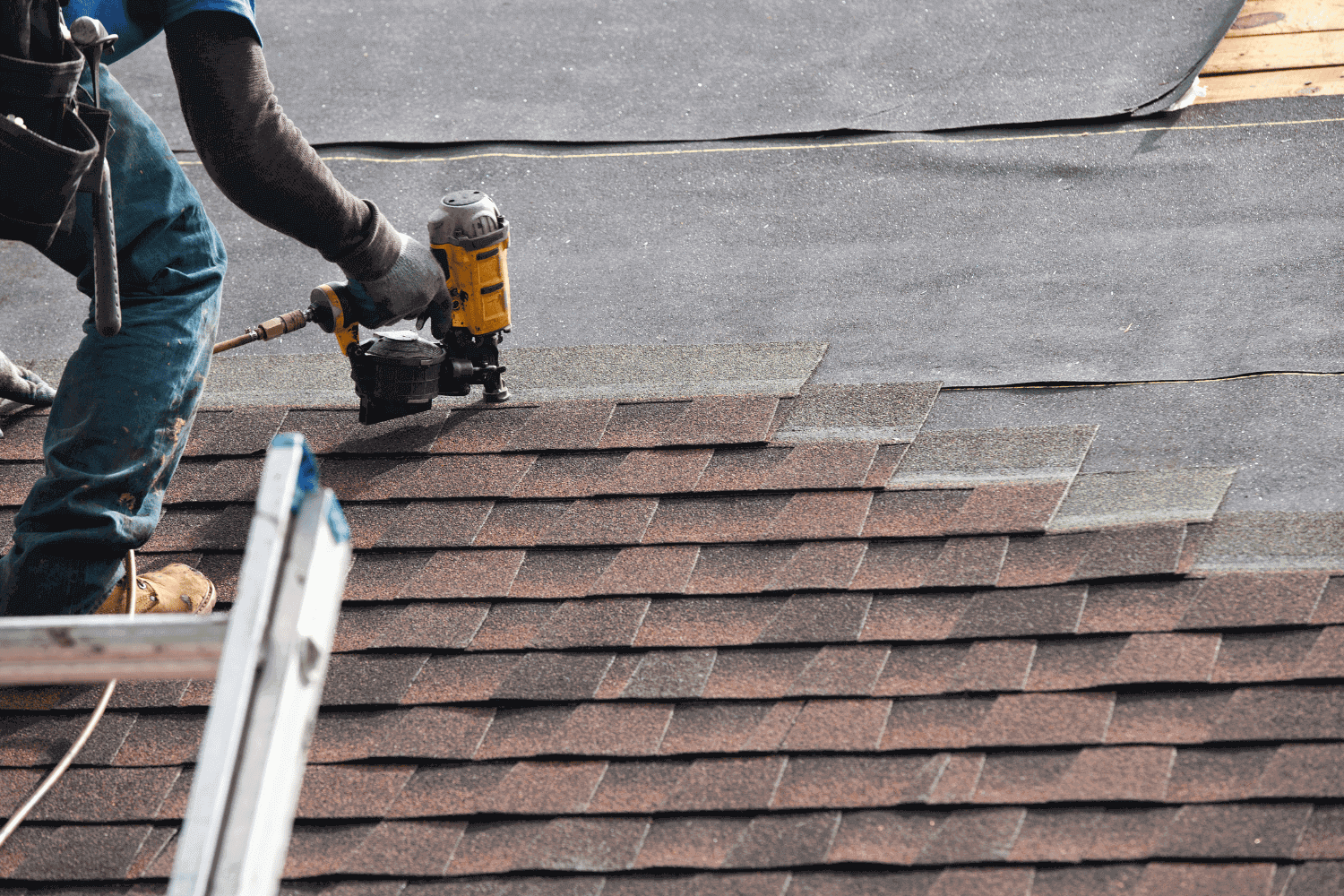
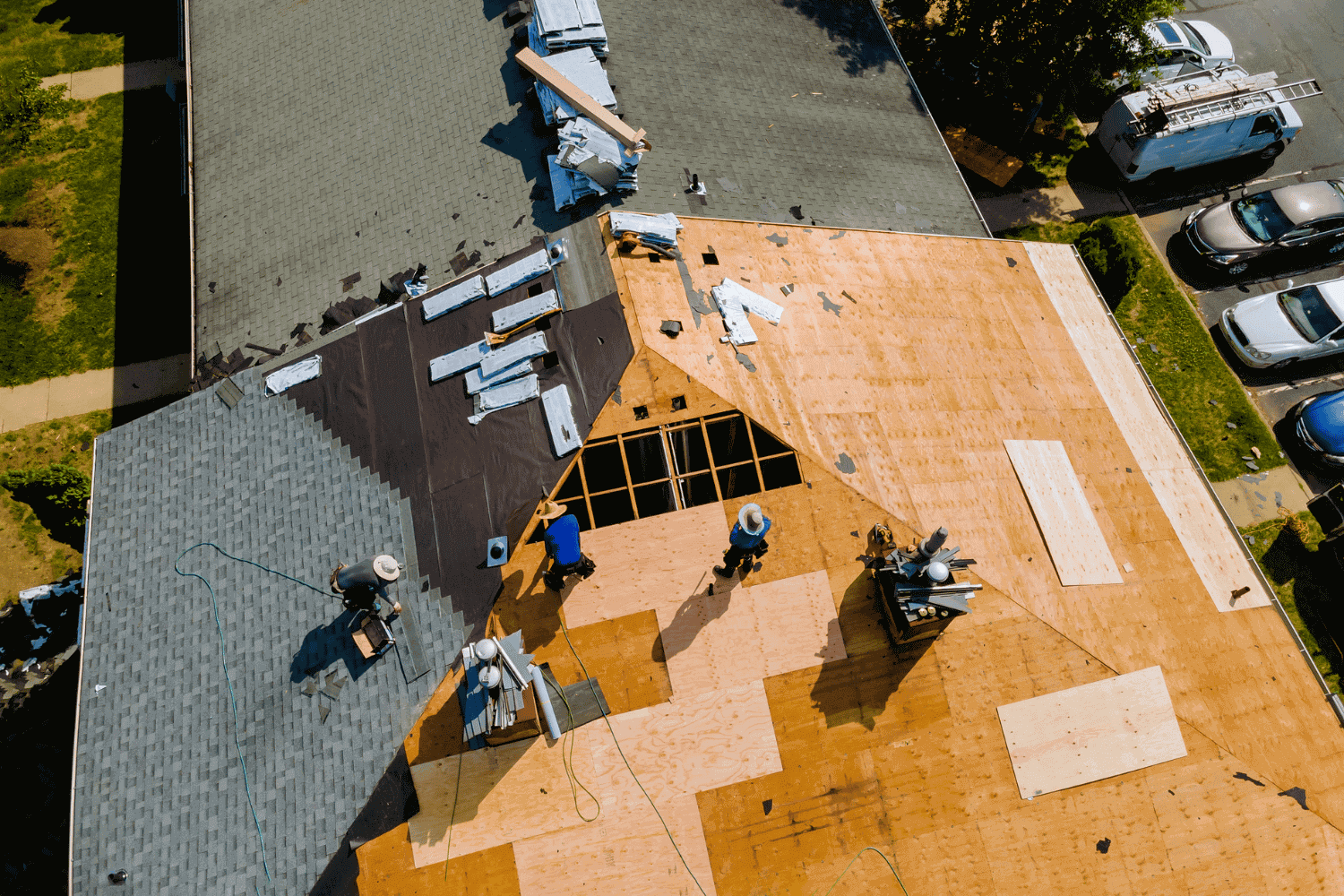
A step-by-step guide illustrating the replacement of a sump pump.

How to Easily Replace a Sump Pump: A Step-by-Step Guide

Need to replace a sump pump? This guide covers everything you need to know to easily and effectively replace your sump pump, from identifying problems to completing installation.

Key Takeaways

  • Recognize replacement signs like age over seven years, excessive vibrations, and constant running to protect your home from water damage.

  • Choose between submersible and pedestal sump pumps based on your basement size, water levels, and budget, as each has distinct advantages.

  • Ensuring proper preparation, testing, and regular maintenance of your new sump pump is crucial for its longevity and effectiveness in preventing flooding.

Signs You Need to Replace Your Sump Pump

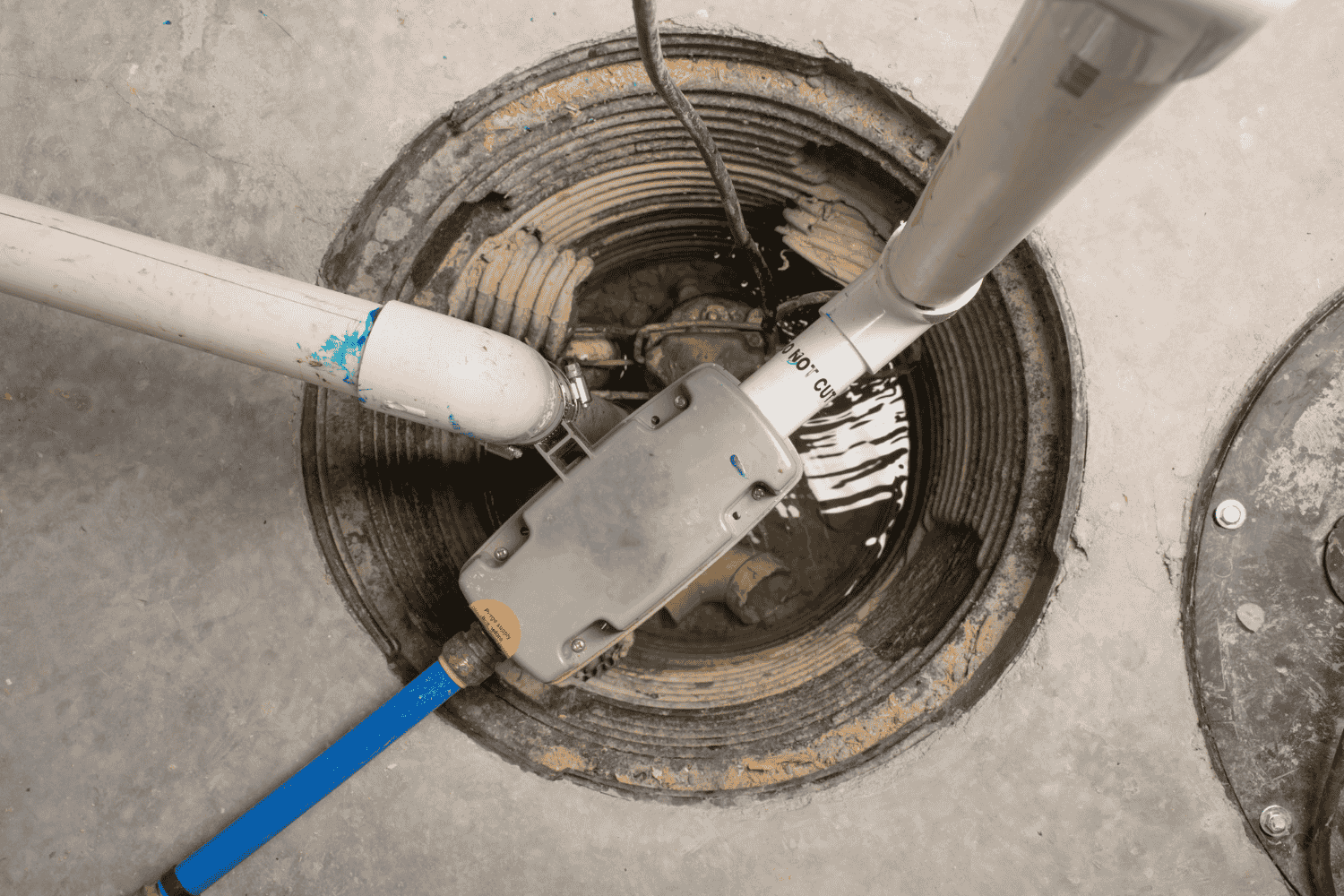
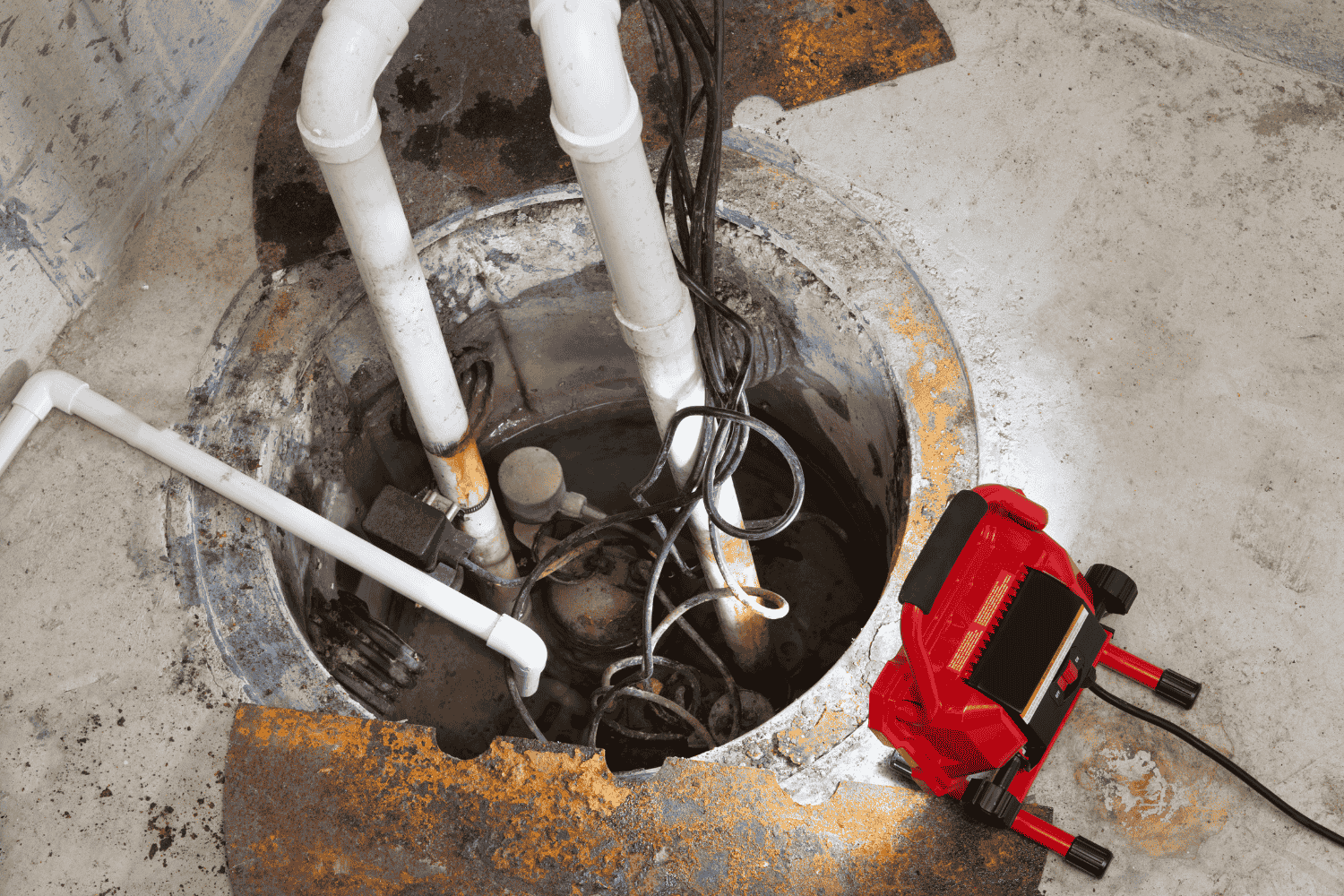
A sump pump pit showing signs of water accumulation, indicating a need to replace a sump pump.

Protecting your home from water damage involves recognizing the signs that your sump pump needs replacement. One of the first indicators is age. If your sump pump is older than seven years, it’s time to consider a replacement. After ten years, a sump pump’s efficiency significantly decreases, increasing the likelihood of failures.

In addition to age, observe how your sump pump operates. Excessive vibrations during operation often signal a damaged impeller, which can lead to more severe problems if not addressed. If your sump pump runs continuously without a clear reason, it may indicate a malfunctioning switch or float. Similarly, irregular cycling, where the pump turns on and off frequently, could be due to a faulty float switch or wiring issues.

Visible rust on or around the sump pump may indicate iron bacteria, which can clog the system. Such signs suggest it’s time to invest in a new sump pump to keep your basement dry and safe.

Types of Sump Pumps

Different types of sump pumps displayed together for comparison.

Selecting the appropriate sump pump for your home is crucial for effective water management. There are two primary types to consider: submersible and pedestal sump pumps.

Submersible sump pumps are designed to be fully underwater. They are typically quieter and less visible during operation, making them a popular choice for many homeowners. Although they tend to be more expensive, they can handle solids like dirt and debris, which pedestal pumps cannot.

On the other hand, pedestal pump sump pumps have the sump pump motor mounted above the sump pit, making them easier to access for maintenance but also noisier. They are often more durable and have a longer lifespan compared to submersible models.

Your choice between submersible and pedestal sump pumps will depend on factors such as the size of your basement, the typical water levels, and your budget.

Preparing for Sump Pump Replacement

Proper preparation is key before replacing your sump pump. Start by choosing the correct size. A pump that is too small may not handle heavy water influx, leading to potential flooding. Turn off the electricity supply to avoid accidents. This critical safety measure should not be overlooked.

Gather the necessary tools, such as a hand saw, safety glasses, and PVC pipe. Ensure you have everything on hand before beginning the replacement. Disconnect the discharge pipe before removing the old sump pump. This will make the removal process smoother and safer.

Following these preparatory steps ensures a smooth replacement process and reduces the risk of injury or damage to your home.

Step-by-Step Guide to Replacing a Sump Pump

A step-by-step guide illustrating the replacement of a sump pump.

With preparation complete, proceed with the replacement sump pump. The steps include unplugging and removing the old pump, installing the new one, and testing to ensure proper operation. Each step is vital for a successful replacement. First, safely unplug and remove the old sump pump. Next, install the new pump, and finally, test the setup to ensure proper functioning.

Unplugging and Removing the Old Sump Pump

Unplug the old sump pump for safety, then carefully disconnect the old discharge pipe from the discharge line. If secured with screws, unscrew them to release the pump. Handle the unit cautiously, as there may be debris in the sump pit.

Once unplugged, you can lift the old sump pump out of the pit. Make sure to inspect the bottom pipe and any other connectors for wear and tear. Removing the old unit is a straightforward task, but it requires attention to detail to avoid damaging the existing plumbing system.

Installing the New Sump Pump

Lower the new pump into the sump pit, ensuring it sits securely on a pump stand. Reconnect the discharge pipe and install a check valve to prevent backflow, thereby maintaining system efficiency.

Reinstall the sump pump lid, ensuring all necessary wires are threaded through the appropriate openings, and press the lid down firmly. Double-check all connections to avoid leaks and ensure proper operation.

Testing the New Sump Pump

Testing your new sump pump is crucial. Pour water into the sump pit until the float switch activates, triggering the pump. Ensure the pump discharges water correctly and that the water level drops as expected.

After the initial test, perform regular tests to ensure long-term functionality. Regular testing helps catch potential issues early, ensuring your pump is always ready to handle excess water.

DIY vs. Hiring a Professional

Choosing between DIY replacement and hiring a professional can be challenging. DIY can save money but requires skill and knowledge to avoid mistakes, which could lead to costly repairs.

Hiring a professional ensures the job is done correctly and efficiently, reducing the risk of future malfunctions due to their experience and expertise.

Professional installation costs range from $90 to $800 and often include a warranty for added peace of mind.

Maintenance Tips for Your New Sump Pump

A technician performing maintenance on a new sump pump.

Maintaining your new sump pump is crucial for its longevity and efficiency. Regular testing, especially before heavy rainfall seasons, ensures it activates when water levels rise. Pour water into the sump pump pit to test if it activates and shuts off properly.

Inspect your sump pump every three to four months to ensure correct operation. Clean the intake screen and remove any debris or sediment build-up to prevent clogging. Ensure the discharge pipe slopes away from the house to prevent backflow issues.

Install a battery backup to ensure your sump pump operates during power outages, providing reliable protection when needed most.

Cost Considerations for Sump Pump Replacement

A visual representation of cost factors related to sump pump replacement.

Understanding the costs of sump pump replacement helps in effective budgeting. The average cost ranges from $800 to $1,600, depending on factors like pump price, labor, and additional features. Backup systems, such as battery backups, add to the cost but provide peace of mind during power outages.

Labor costs vary based on location, the plumber’s experience, and installation complexity. Backup batteries typically cost between $150 to $300, a worthwhile investment for uninterrupted protection.

Consider both the initial cost and long-term benefits when budgeting for a new sump pump.

Preventing Future Sump Pump Failures

Prevent future sump pump failures with regular maintenance and inspections. Common causes of failure include overheating, heavy rain, and wear and tear. Annual testing before the rainy season ensures your pump is ready to handle excess water.

Regularly inspect the float switch, a common failure point that should be replaced every two years. Ensure the discharge area is clear and directs water away from your house to prevent flooding. Routine maintenance checks and professional installation significantly extend the lifespan of your sump pump.

Sump pumps prevent basement flooding by effectively removing collected water. Preventive measures ensure your sump pump remains reliable and efficient.

Summary

In summary, replacing your sump pump is a vital task to protect your home from water damage and mold growth. Recognizing the signs of a failing pump, understanding the different types of sump pumps, and following a step-by-step replacement guide are crucial for maintaining a dry and safe basement.

Remember, whether you choose to replace the pump yourself or hire a professional, regular maintenance and preventive measures are key to ensuring your sump pump’s longevity and efficiency. Take action today to safeguard your home against potential water damage and enjoy peace of mind.

Frequently Asked Questions

Why do I need a sump pump for my basement?

A sump pump is essential to prevent water damage in your basement, as it efficiently removes excess water during heavy rains or flooding, safeguarding your home from structural issues and mold growth.

How do I know if I need a new sump pump or a replacement?

If your sump pump frequently malfunctions, produces unusual noises, or is over 7–10 years old, it’s likely time for a replacement. Regular maintenance and awareness of these signs can help you make an informed decision.

What types of sump pumps are available?

Sump pumps are primarily available as submersible and pedestal models. The choice between them depends on your basement size, water table levels, and budget considerations.

How long does professional sump pump installation take?

Professional sump pump installation generally takes a few hours, though the exact duration may vary based on the complexity of the system.

Are there any maintenance requirements for my sump pump?

Regular maintenance is essential for your sump pump, including cleaning the unit, testing its functionality, and inspecting components such as the float switch and discharge line to ensure optimal performance.


DIY methods for foundation crack repair including epoxy and hydraulic cement.

The Best Ways to Repair Cracks in Foundation

Worried about foundation cracks? This guide covers how to repair cracks in foundation, from identifying crack types to assessing their severity. Learn about DIY fixes and when to call a professional.

Key Takeaways

  • Identifying foundation crack types, such as vertical, horizontal, and stair-step, is essential for determining the appropriate repair method and assessing structural significance.

  • Effective DIY methods, including epoxy injections and hydraulic cement, can address minor cracks, while severe issues may require professional repairs like piering or waterproofing solutions.

  • Implementing preventive measures, such as proper drainage and landscaping, is crucial to avoiding future foundation cracks and maintaining structural health.

Identifying Different Types of Foundation Cracks

Various types of foundation cracks including vertical and horizontal cracks.

Foundation cracks come in various shapes and sizes, each hinting at a different underlying issue. Recognizing the type of crack is the first step toward determining the best repair strategy. Common causes of foundation cracks include:

  • Settlement

  • Ground movement

  • Moisture intrusion

  • Freeze-thaw damage

Identifying the components of foundation cracks helps determine if the issue is minor, like shrinkage cracks, or more severe, such as horizontal cracks. Common signs include uneven floors, drywall cracks, and sticking doors or windows.

Let’s break down the different types of cracks you might encounter.

Vertical Foundation Cracks

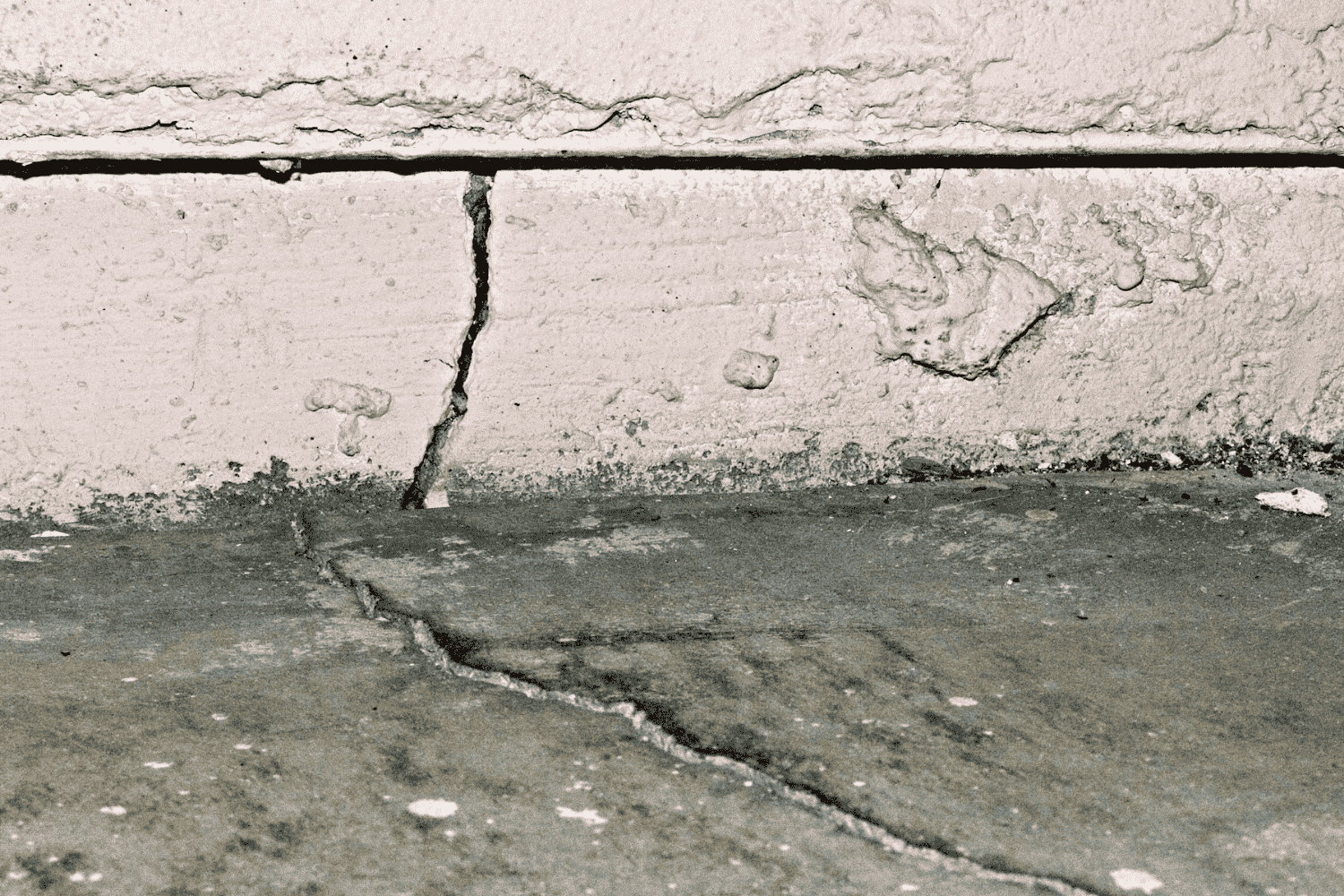
Vertical foundation cracks are among the most common types of cracks found in concrete foundations. These cracks usually appear due to the settling of the concrete foundation or shrinkage during the curing process. While these cracks can look alarming, they often signify less severe problems compared to horizontal cracks.

Typically, vertical cracks run up and down the wall and can appear as hairline fractures. They are often the result of the natural expansion and contraction of the concrete. Monitoring these cracks is crucial, especially if they widen beyond 1/8 of an inch, as this could indicate more serious foundation settlement issues.

Horizontal Cracks

Horizontal cracks, on the other hand, are more worrisome. These cracks can signify significant foundation issues and potential failure of the foundation wall. They often result from hydrostatic pressure due to water buildup outside the foundation, improper grading, or settling soil.

Noticing horizontal cracks in your foundation walls should prompt immediate contact with a professional. Even if a horizontal crack up to 12 inches wide may not pose an immediate structural threat, it still requires close monitoring.

Stair-Step Cracks

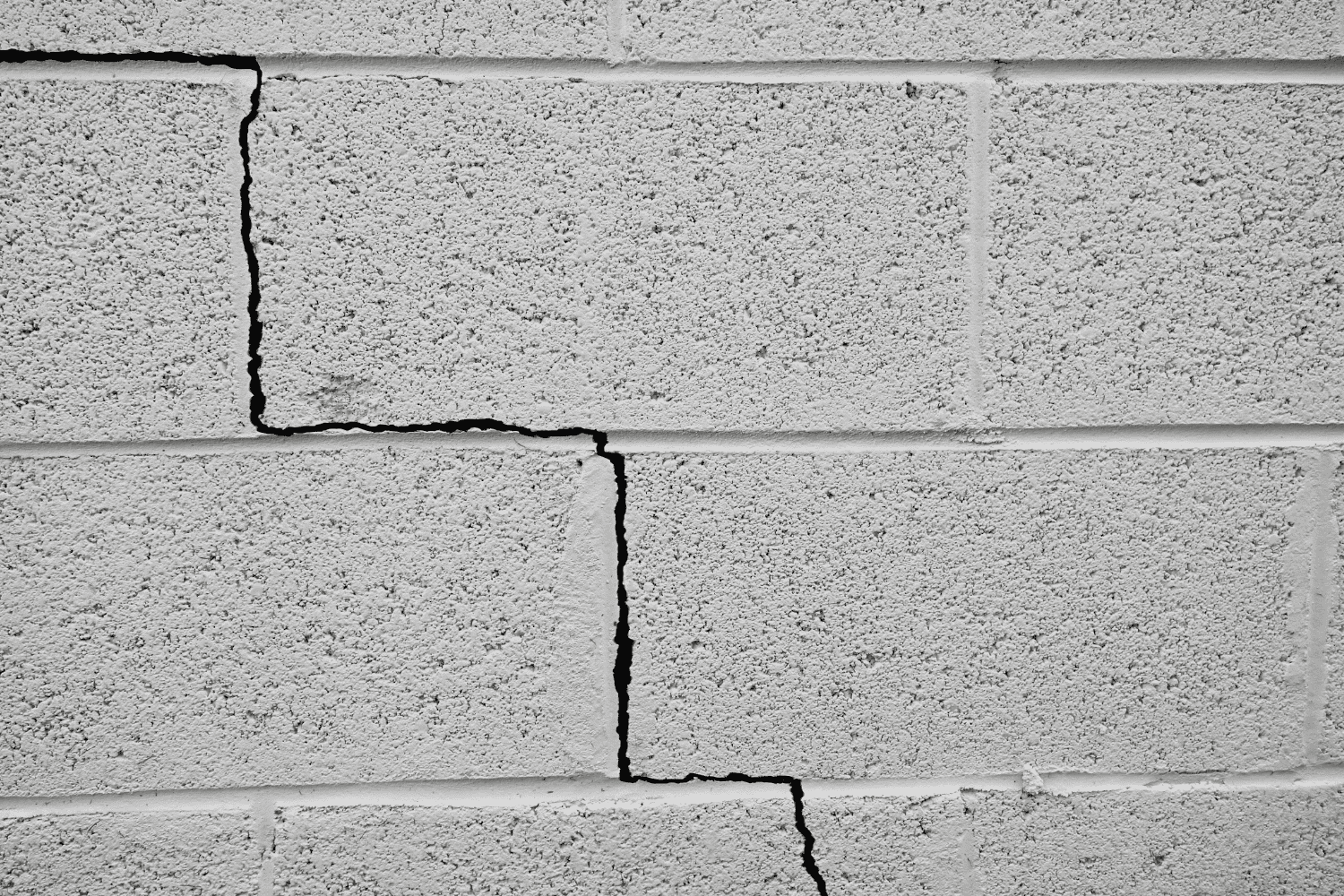
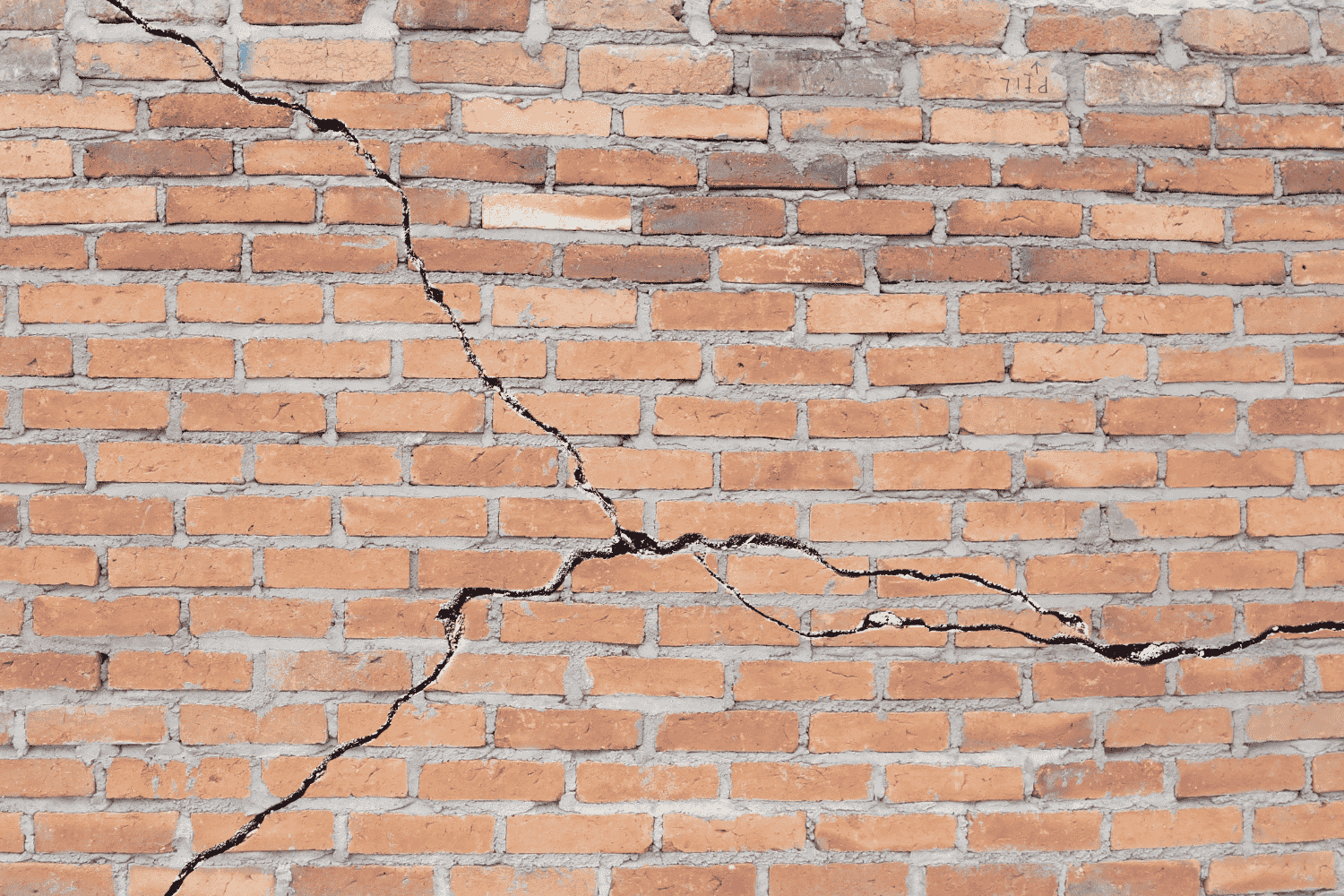
Stair-step cracks are typically found in brick or block foundations and run diagonally along the mortar joints. These cracks occur primarily due to soil movement under the home, which can affect the overall stability of the foundation.

Unaddressed stair-step cracks can signal significant structural issues needing professional assessment. Monitoring these cracks and understanding their progression is vital for maintaining your home’s structural integrity.

Assessing the Severity of Foundation Cracks

Measuring the severity of foundation cracks to assess structural integrity.

Evaluating the severity of foundation cracks goes beyond mere observation. Regular checks aid in early detection of potential issues. Vertical cracks are common in poured foundations and usually not a major structural concern.

However, the size of the crack and whether it changes direction can indicate more serious problems. Cracks that are between 1/8 and 1/4 of an inch may pose no structural problem, but larger or widening cracks need immediate attention.

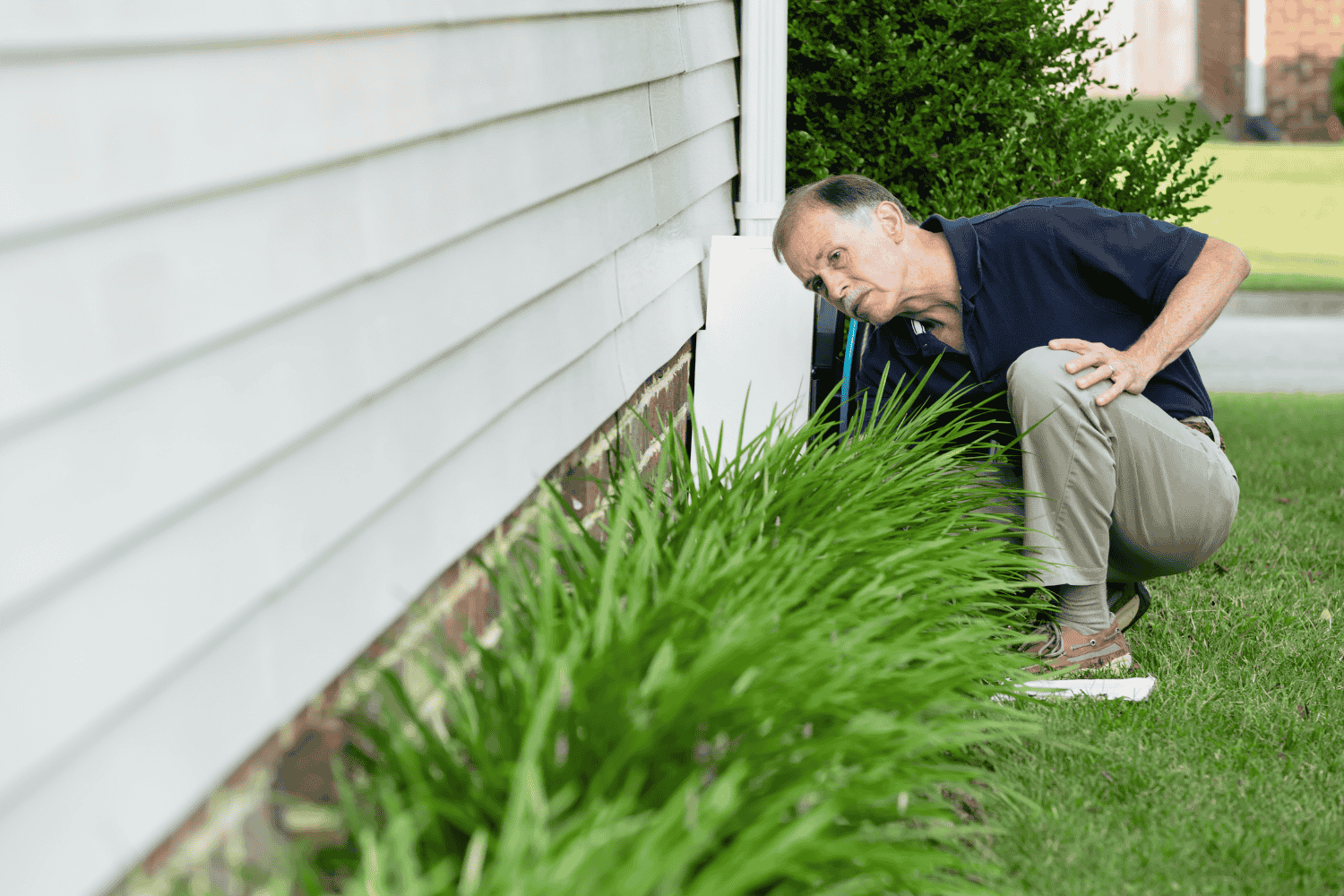
Noticing any signs of a foundation problem warrants immediate contact with a professional foundation repair contractor.

Measuring Crack Width and Movement

Accurate assessment of foundation cracks involves measuring their width and movement over time. Marking the ends of each crack with a pencil and dating them is effective. Tools like a tape measure and photos assist in monitoring crack width and movement.

Tracking the size and movement of foundation cracks is vital for assessing potential structural issues. Regular updates to your measurements offer valuable data for deciding on the need for professional intervention.

Signs of Structural Problems

Signs such as a foundation crack changing direction indicate serious structural problems requiring professional attention. Larger cracks or those accompanied by issues like sticking doors or windows should prompt immediate professional evaluation.

Severe cases may require techniques like piering or jacking to provide necessary support to a compromised foundation. Grasping the severity of the crack and other potential issues is vital before attempting repairs.

DIY Foundation Crack Repair Methods

DIY methods for foundation crack repair including epoxy and hydraulic cement.

DIY foundation crack repair methods are effective for minor issues and can save homeowners money. Quick repairs allow for easier and cheaper solutions. These methods are suitable for cracks that don’t threaten the home’s structural integrity. Additionally, homeowners should consider professional crack repair for foundations when dealing with more significant issues.

For small hairline cracks, materials like masonry paint or concrete crack repair kits can be used. However, most DIY repairs fail due to a large cavity behind the foundation crack or improper application.

Epoxy and Polyurethane Injections

Epoxy and polyurethane injections are common for repairing small cracks and preventing water seepage. Clean the foundation cracks using an air compressor before repair. For cracks less than 1/4 inch wide, open them with a hammer and chisel to form a small V-shape and remove debris.

Epoxy injections are applied by installing ‘T’ shaped injection ports and ensuring the resin material can access the full depth of the crack for effective sealing. An epoxy injection can also effectively seal cracks.

Using Hydraulic Cement

Hydraulic cement is another effective method for filling larger cracks and preventing water leaks. Mix hydraulic cement with water as per package instructions to create a workable consistency. For cracks wider than 1/2 inch, use foam backer rods alongside concrete caulk to provide support for the hydraulic cement.

After the hydraulic cement dries, apply a waterproof masonry sealer over the patched area to prevent moisture infiltration. However, hydraulic cement does not bond well with the original concrete, potentially resulting in future leaks if not applied correctly.

Professional Foundation Crack Repair Solutions

Professional foundation repair solutions being implemented.

Sometimes, DIY methods aren’t sufficient, requiring professional foundation crack repair solutions. Identifying the type of foundation crack helps determine the appropriate repair method. A foundation contractor or structural engineer should evaluate cracks to ensure they aren’t indicative of major structural issues.

Professional repair methods include crack sealing, underpinning, piering, and slabjacking. While some repairs might cause minor disruptions, most processes are designed to minimize inconvenience.

Piering or Jacking Must Be Done

In severe cases piering or jacking of foundation failure, piering or jacking is necessary to restore stability. Piering or jacking offers the support needed to stabilize a foundation.

Complete foundation collapse can cause irreversible damage to the home, making these methods critical for severe cases.

Carbon Fiber Strengthening System

The carbon fiber strengthening system is a modern method to reinforce cracked foundation walls. Safebase carbon fiber straps offer durable support, minimizing wall movement and preventing further damage.

Installation involves cleaning the wall surface, applying adhesive, and securely attaching the straps to provide optimal stability.

Waterproofing Measures

Waterproofing protects foundations from moisture intrusion, which can lead to structural damage. Ignoring waterproofing measures increases the risk of significant future repairs.

Common waterproofing techniques include external waterproofing membranes, interior sealants, and drainage systems. Effective waterproofing measures not only protect against water damage but also enhance Home value by ensuring structural integrity.

Preventive Measures to Avoid Future Foundation Cracks

Proper drainage systems to prevent moisture intrusion through cracks.

Prevention is always better than cure. Implementing preventive measures can help avoid future foundation cracks. Keeping water away from the house is a key method to prevent foundation cracks.

Consistent moisture levels in the soil surrounding the foundation and regrading the yard can prevent water accumulation around the foundation. Repairing small cracks promptly can also avoid larger issues.

Proper Drainage Systems

Proper drainage systems prevent water accumulation around the foundation. Ensure the drainage systems effectively channel rainwater away from the foundation.

Installing a French drain can significantly improve water management around the foundation.

Landscaping Tips

Landscaping plays a crucial role in maintaining foundation health. Using deep-rooted plants far from the foundation can reduce soil movement risk. Avoiding heavy mulching near the foundation helps maintain consistent soil moisture levels.

Costs Associated with Foundation Crack Repairs

The costs associated with foundation crack repairs can vary significantly. Costs vary based on the severity of the damage, the size of the home, and the repair method. Understanding these cost factors helps homeowners make informed decisions about attempting DIY repairs or hiring professionals.

DIY Repair Costs

DIY repair options are increasingly popular for addressing minor foundation issues. A popular DIY foundation repair kit costs approximately $90. DIY epoxy repair kits range in price from $75 to $225, making them a budget-friendly option.

Professional Repair Costs

Hiring professionals for foundation repairs can involve substantial expenses. Extensive foundation repairs may cost between $7,000 and $30,000, especially if piering or carbon fiber installations are necessary. Labor-intensive methods often add significantly to the overall expenses when hiring professional services.

Summary

In summary, understanding the different types of foundation cracks and their causes is essential for determining the appropriate repair method. Regular assessments and monitoring can help in early detection of potential issues. For minor cracks, DIY methods can be effective, but professional solutions are necessary for more severe cases.

Taking preventive measures can help avoid future foundation problems, saving homeowners from costly repairs. By staying proactive and informed, you can ensure the longevity and stability of your home’s foundation.

Frequently Asked Questions

What are common causes of foundation problems?

Common causes of foundation problems include poor drainage, soil erosion, fluctuating moisture levels, tree root intrusion, and improper construction. Addressing these issues proactively can help maintain your foundation’s integrity.

What methods are used to fix foundation problems?

To fix foundation problems, methods such as crack sealing, underpinning, piering, slabjacking, and installing drainage systems are commonly used. These techniques effectively address structural issues and water-related concerns.

What factors influence the cost of foundation repair?

The cost of foundation repair is primarily influenced by the severity of the damage, the size of the home, and the chosen repair method. Understanding these factors can help you better prepare for potential expenses.

Will foundation repairs disrupt daily life?

Foundation repairs can cause minor disruptions, but they are typically planned to minimize inconvenience to your daily life.

Can foundation issues affect a home’s resale value?

Yes, foundation issues can significantly decrease a home’s resale value, but professional repairs can restore integrity and provide reassurance to potential buyers.


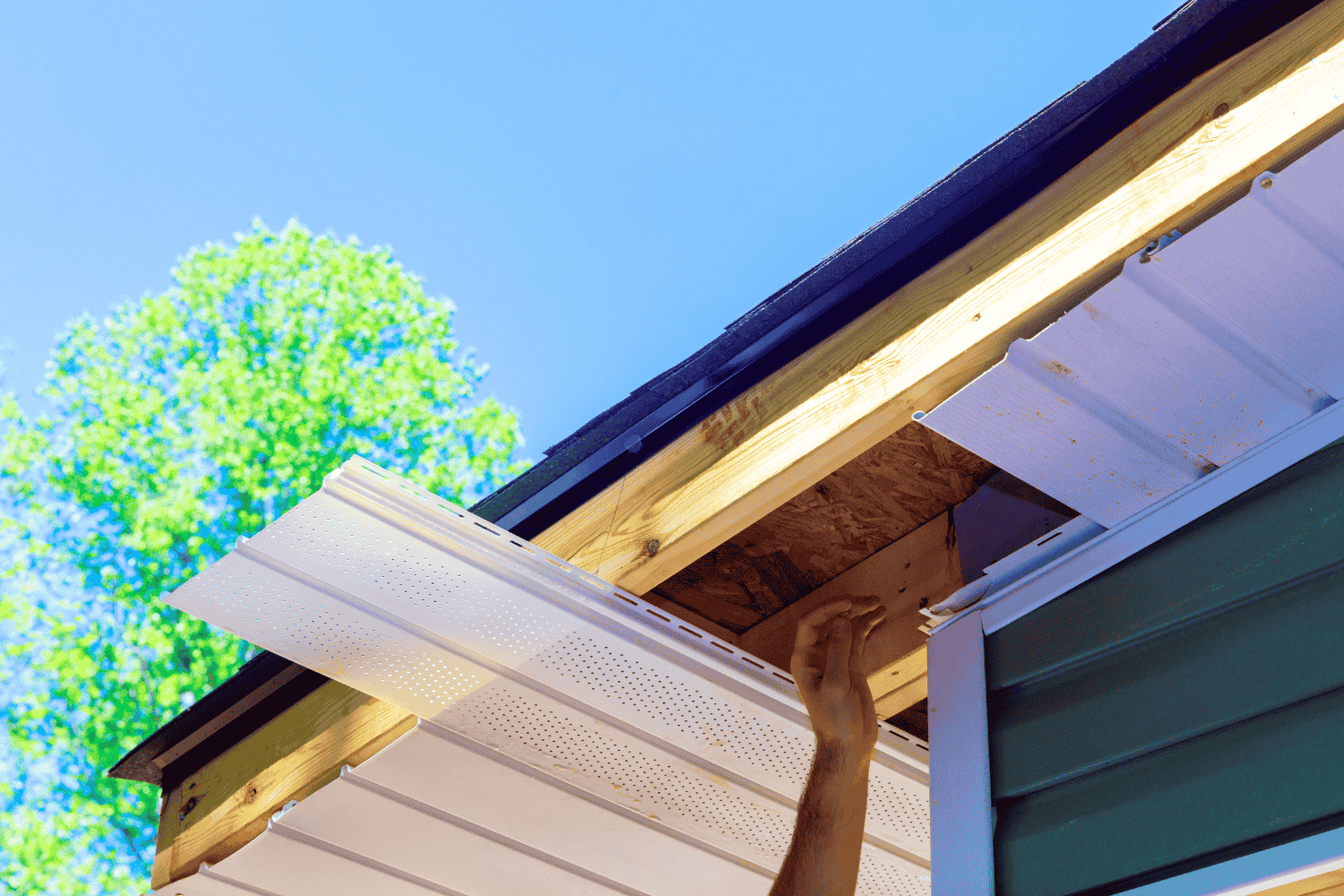
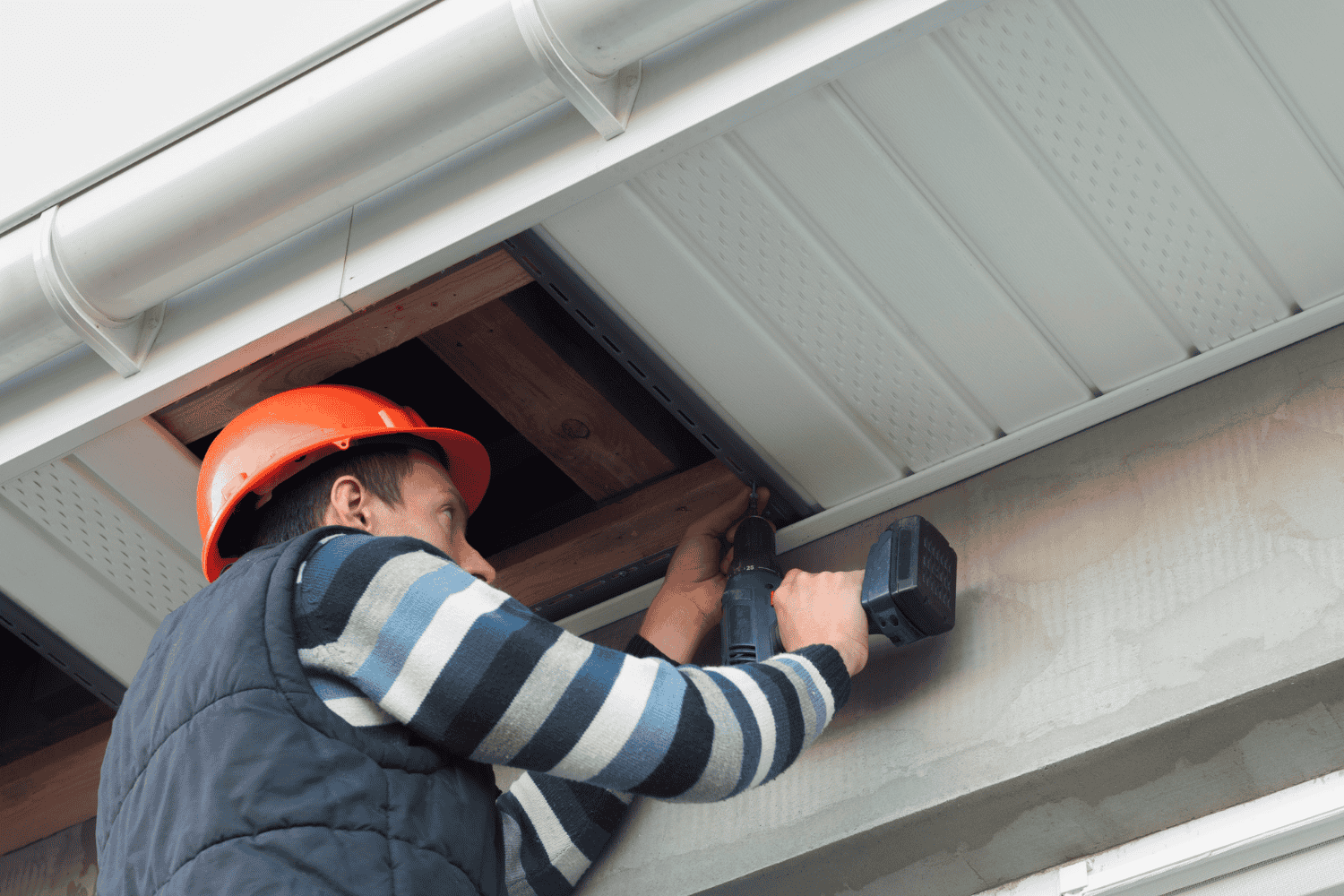
Vinyl soffit installation process.

Best Practices for Installation of Soffit: A Step-by-Step Guide

The installation of soffit is a key part of safeguarding your home’s eaves and ensuring proper ventilation. In this guide, we’ll cover everything from surface preparation to fitting soffit panels, tailored for both open and enclosed eaves.

Key Takeaways

  • Begin soffit installation by thoroughly inspecting and securing surfaces to ensure a stable foundation and correct eave type.

  • Accurately measure, cut, and fit soffit panels while accounting for expansion gaps to maintain aesthetics and functionality.

  • Incorporate proper ventilation and choose suitable materials like vinyl or aluminum to enhance durability and reduce maintenance.

Best Practices for Installation of Soffit: A Step-by-Step Guide

Installing soffit over open eaves.

Before starting the installation process, laying the groundwork properly is important. Inspect all surfaces for any loose panels or boards and secure them firmly. A strong foundation ensures a stable installation. Check the straightness of these surfaces, as any irregularities can impact the appearance and functionality of your soffit.

It’s important to understand the types of eaves—open and enclosed—since they require different installation approaches. Open eaves often have exposed rafters, while enclosed eaves are covered, influencing how you’ll install the soffit panels.

Measure soffit lengths accurately and consider local building codes for ventilation requirements to ensure compliance and functionality.

Introduction

Soffit installation may seem daunting at first, but with the right guidance, it can be a manageable and rewarding DIY project. Our comprehensive guide is designed to empower homeowners to tackle this task themselves, offering a step-by-step approach that demystifies the process. Following these steps will save you money and deepen your appreciation for your home’s construction and maintenance as you install soffit.

You’ll learn how to measure, cut, and fit soffit panels, ensuring proper ventilation and a polished finish. The guide covers everything from surface preparation and understanding eave types to the final touches that ensure your soffit installation is durable and aesthetically pleasing.

Whether you’re working with vinyl or aluminum soffit, this guide has you covered.

Preparing for Soffit Installation

Preparing for soffit installation with necessary tools and materials.

Proper preparation is key to a successful soffit installation. Begin by inspecting all surfaces for any loose panels or boards and secure them to create a stable base. Check for straightness since any deviations can affect the overall look and effectiveness of your soffit. Inspect the rafters for any signs of rot to ensure the structural integrity of your installation.

Understand the different eave types—open and enclosed eave—since it influences the installation approach. Open eaves typically feature exposed rafters, while enclosed eaves are covered, each requiring specific techniques.

Ensure that any nailing strips used are adequately secured to provide a reliable anchor for your soffit panels. Proper measurement and addressing underlying issues like water damage are also critical steps.

Tools and Materials Needed

The right tools and materials are crucial for a smooth installation process. High-quality materials contribute to the longevity and low maintenance of your soffit installation. Essential tools include a hammer, utility knife, tape measure, carpenter’s square, and tin snips. Using a cutting table for your soffit panels helps achieve cleaner and more precise cuts compared to hand tools alone.

Always prioritize safety. Scaffolding, especially for high areas, ensures both safety and efficiency during installation. Selecting appropriate materials like vinyl or aluminum soffit based on your needs and preferences contributes to the overall success of your project.

Installing Soffit Over Open Eaves

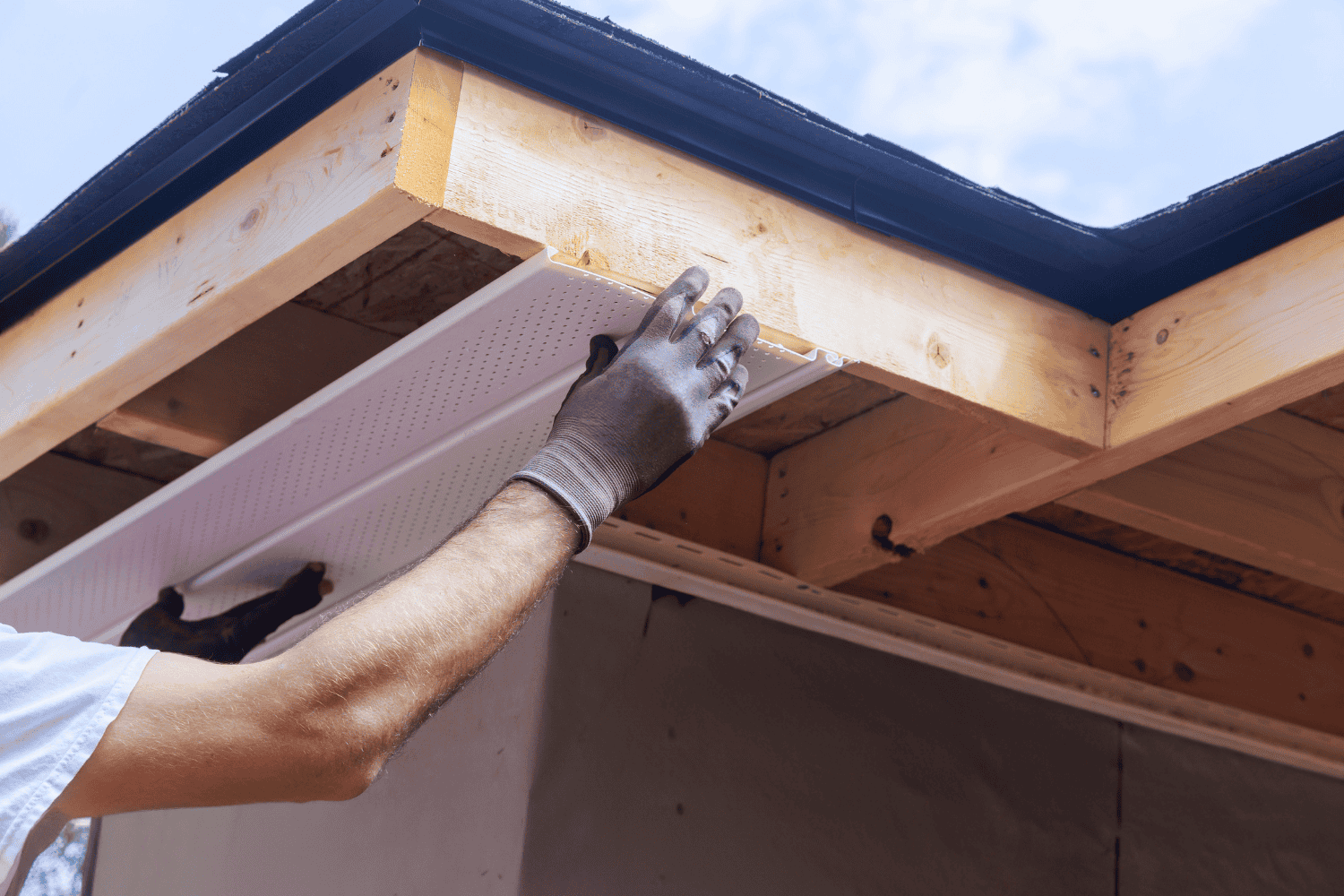
Vinyl soffit installation process.

Installing soffit over open eaves needs specific techniques due to the exposed rafters or trusses typical of this eave type. Proper installation ensures effective ventilation and protects the building structure from water damage. This section guides you through the necessary steps, from securing nailing strips to fitting and securing soffit panels.

Open eaves present unique challenges, but careful planning and execution ensure a professional finish. Proper ventilation is crucial, as it prevents moisture buildup and extends the lifespan of your roof and soffit.

Nailing Strip Requirements

Nailing strips provide support to your soffit panels. For eave spans over 16 inches, install nailing strips to ensure stability. Place these strips at specified intervals to comply with manufacturers’ guidelines and local building codes. Proper placement of nailing strips ensures the soffit panels are securely fastened and do not sag over time.

Check local building codes for ventilation requirements, as they may dictate the use of vented soffit panels. Following these guidelines ensures your installation looks good and functions effectively.

Fitting Soffit Panels

Accurate measurement is crucial when fitting soffit panels. Measure the lengths carefully and subtract half an inch to allow for expansion. This helps prevent buckling and ensures a snug fit. When cutting the panels, create expansion gaps to accommodate movement.

Properly fitting panels promote adequate airflow through the eaves, essential for ventilation. This is vital for maintaining the longevity of your roof and preventing moisture buildup.

Securing Soffit Panels

Properly securing soffit panels ensures a durable and aesthetically pleasing finish. Use 1-1/2-inch trim nails to fasten the panels and fascia. Drive the nails straight in to prevent splitting the panels and maintain structural integrity. Avoid over-nailing to prevent compromising the panels’ strength.

Following these steps ensures your soffit installation is both secure and visually appealing. Properly secured panels will withstand weather conditions and maintain their appearance over time.

Installing Soffit Over Enclosed Eaves

Installing soffit over enclosed eaves is similar to open eaves, with specific considerations. Measure the soffit panels carefully, subtracting half an inch for expansion. Start the installation from the wall and move towards the fascia board, leaving room for expansion.

Enclosed eaves may need J-channels to secure the edges of the soffit panels. This method anchors the panels and prevents sagging over time, ensuring a professional and durable finish.

Using J-Channel

J-channel is crucial in soffit installation, especially for enclosed eaves. This piece of aluminum fits against the wall and secures the edges of the soffit. Install the J-channel with a gap to allow for expansion and contraction, ensuring a proper fit with the soffit double channel.

Nail the J-channel securely before installing the soffit panels to prevent sagging and maintain stability. This is crucial for achieving a clean and professional look.

Replacing Damaged Soffit

Remove any existing damaged or rotting soffit before installing new panels. This ensures the new installation is secure and free from underlying issues.

When installing vented soffit panels, cut adequate openings for ventilation if the existing soffit lacks them. This ensures proper airflow, prevents moisture buildup, and extends the lifespan of your roof and soffit.

Panel Installation Techniques

Installing soffit panels in the correct order is crucial. Start with the J-channel, followed by the soffit panels. Position fasteners in the center of the slots and avoid over-tightening to allow for expansion and prevent damage.

Ensure vented soffit panels have adequate openings for ventilation. This is vital for maintaining proper airflow and preventing moisture buildup, which can lead to damage over time.

Porch Ceilings Installation

Porch ceilings installation using soffit panels.

Installing soffit on porch ceilings requires accurate measurements to minimize waste and ensure a perfect fit. Use a ladder to reach the ceiling safely and basic tools like a hammer, utility knife, tape measure, and carpenter’s square for the installation.

After installing the fascia board, reattach the gutter pipes securely and check for gaps between the boards. This ensures a clean and professional finish, enhancing the overall look of your porch.

Aluminum Soffit Installation

Aluminum soffit offers a durable and polished look, ideal for porch ceilings and other high-visibility areas. This material eliminates the need for repainting, resists peeling and rotting, providing a long-lasting solution.

Soffit panels typically come in 12-foot lengths and 12- or 16-inch widths, with options for vented and unvented types. Choosing the right type ensures proper ventilation and a professional finish.

Vinyl Soffit Installation

A step-by-step guide on installing soffit panels.

Vinyl soffit installation follows a similar process to vertical siding and vinyl siding, with panels installed lengthwise from the wall to the fascia. Subtract half an inch from the measurement to allow for expansion, ensuring a snug fit.

Corners require careful measurement and installation of J-channels, with panels cut at a 45° angle for a proper fit. This ensures a clean and professional finish.

Finishing Touches and Maintenance

Finishing touches and regular maintenance are essential for extending the lifespan of your soffit installation. Using a drip edge helps protect the top edge of the fascia trim from moisture. Regularly inspect and clean the soffit panels and fascia to remove debris and prevent damage.

Inspect the fascia covers for signs of damage or decay, especially near the gutter areas. Proper maintenance ensures your soffit and fascia remain in good condition, reducing the need for frequent repairs.

Summary

In summary, installing soffits is a manageable DIY project that can significantly enhance the appearance and functionality of your home. By following the steps outlined in this guide, you can ensure a professional and durable installation. Proper preparation, accurate measurements, and attention to detail are key to success.

Remember, regular maintenance is essential for prolonging the lifespan of your soffit and fascia. With the right materials and techniques, your home will look great and be well-protected for years to come. Happy installing!

Frequently Asked Questions

When should I consider replacing my roof instead of repairing it?

If your roof is over 20 years old, exhibits widespread damage, or requires frequent repairs, it’s advisable to opt for a full replacement instead.

What roofing material provides a good balance of durability and cost?

Architectural shingles provide an excellent balance of durability and cost-effectiveness, making them a popular choice for roofing. They also enhance the aesthetic appeal of your home.

How long does it typically take to replace a roof?

Replacing a roof typically takes one to three days, but larger or more complex roofs may extend the time required. It’s important to plan accordingly based on your specific situation.

Are there energy-efficient roofing options?

Absolutely, energy-efficient roofing options include metal roofs, cool roofs, and specialized reflective shingles that help lower heat absorption and enhance energy efficiency. Choosing these materials can significantly reduce your energy costs.

What roofing materials are suitable for Indiana’s climate?

Asphalt shingles, metal roofing, and slate are the most suitable materials for Indiana’s climate, offering durability and resilience against diverse weather conditions. Choosing the right material will ensure your roof withstands Indiana’s challenges effectively.


The Best Ways to Seal Windows for Maximum Energy Efficiency

Are you struggling with drafts and high energy bills? Learn how to seal windows to improve your home’s energy efficiency. This guide covers how to find leaks, pick the right tools, and apply effective sealing methods. Discover practical tips that will help make your home warmer and more cost-efficient.

Key Takeaways

  • Identify and seal window leaks to enhance energy efficiency; use methods like incense sticks for locating drafts.

  • Utilize essential tools like caulking guns, weatherstripping, and spray foam to effectively seal various window types.

  • Consider eco-friendly sealing options and hire professionals for window replacement to ensure optimal performance and energy savings.

Identifying Window Leaks

Insulating materials being used around window frames to improve energy efficiency.

Identifying window leaks is the first step towards better energy efficiency in your home. These leaks are common culprits of heat loss, especially around windows and doors. Carefully inspect areas where different building materials converge, such as around window frames. If you notice daylight peeking through these areas, it’s a clear sign of potential air leaks.

A simple yet effective method to track air movement around windows is using an incense stick. Light the stick and slowly move it around the edges of your windows and doors. If the smoke wavers or gets sucked out, you’ve pinpointed a draft. This method is not only effective but also quite engaging, turning a mundane task into a bit of a detective game.

Finally, consider the entire window setup, from the frame to the window trim and interior trim. Inspect for cracks, gaps, or any visible signs of wear. Large gaps can be particularly problematic, allowing significant air leakage. Addressing these issues will help maintain a warm, energy-efficient home.

Essential Tools and Materials for Sealing Windows

A variety of window types including double-hung and casement windows that need sealing.

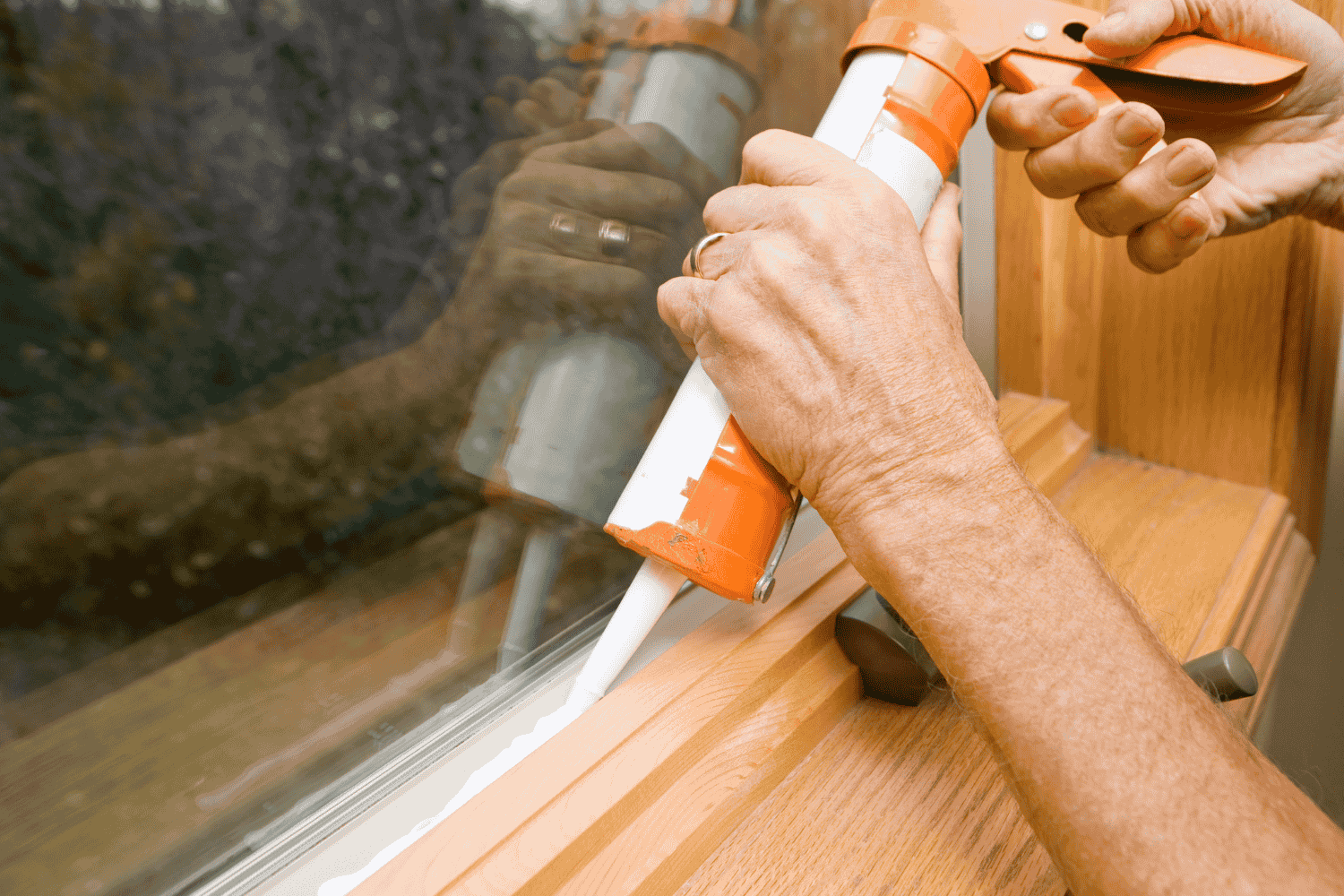
Having the right tools and materials is crucial for a successful sealing project. A caulking gun helps apply caulk smoothly and evenly around window frames. Paired with a putty knife, you can ensure a tight, neat seal along the edges. Foam sealant is another excellent choice, particularly for filling larger gaps around window frames. Its ability to expand makes it ideal for irregular spaces.

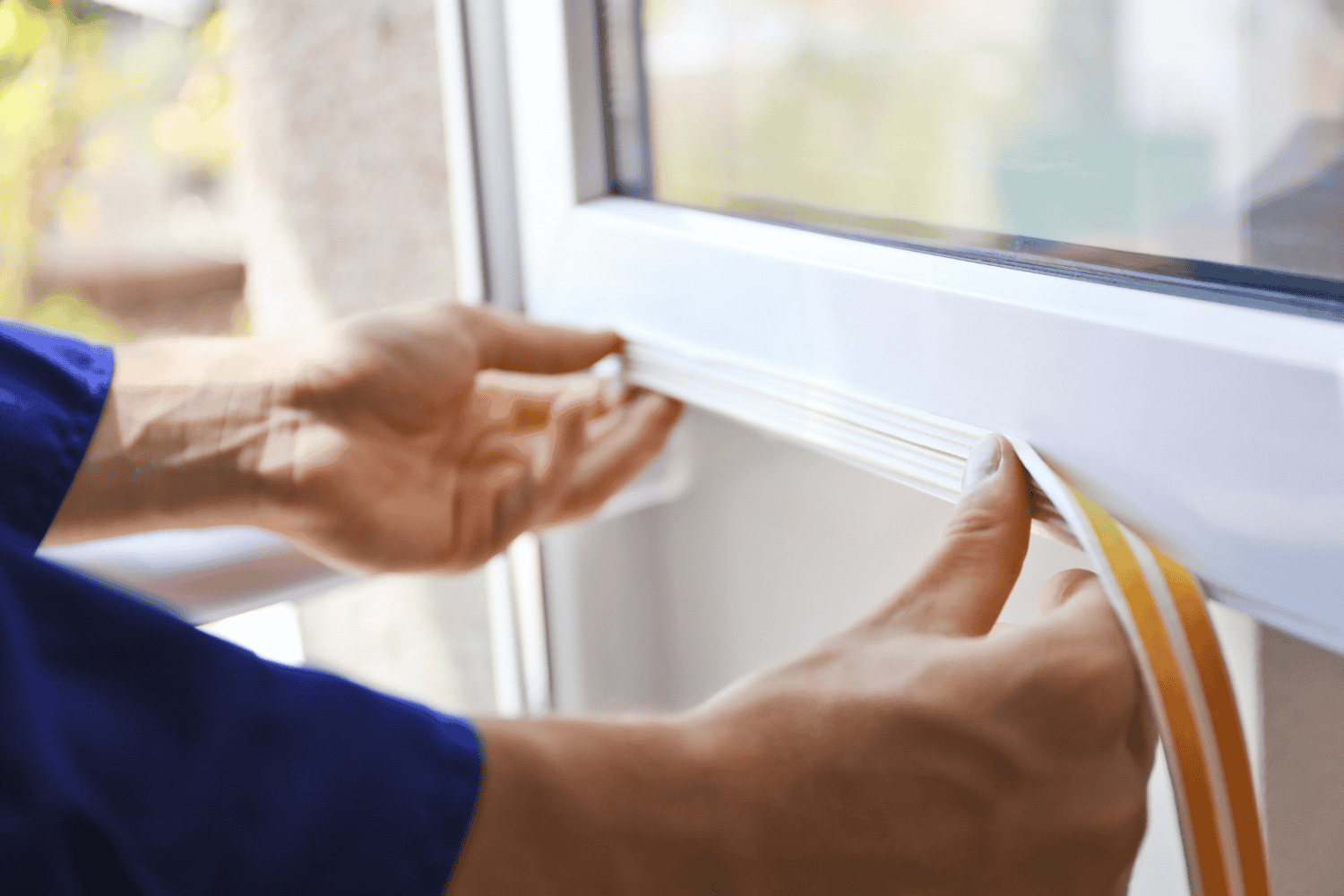
Weatherstripping helps seal the moving parts of windows, preventing drafts and enhancing insulation. Additionally, having a utility knife on hand helps in cutting materials to the desired length and shape. These tools and materials collectively help achieve a good seal, reducing drafts and improving energy efficiency.

Effective Methods for Sealing Windows

Tools and materials for sealing windows including a caulking gun and putty knife.

Several effective methods stand out for sealing windows. Caulking is ideal for filling small gaps around window frames, providing a tight seal against air leaks. Remove any old caulk before applying new caulk to ensure better adhesion and effectiveness.

Weatherstripping is another effective method, particularly for sealing the movable parts of windows. This flexible material can be applied around window frames to prevent drafts. For larger gaps, spray foam insulation is highly effective. It expands to fill the gaps, providing excellent insulation properties. Clean the window area and remove old caulk to ensure proper adhesion of spray foam.

Additionally, applying window insulation film can create a barrier that minimizes heat loss, further enhancing energy efficiency. Combining these methods ensures your windows are well-sealed, maintaining comfort and lowering energy bills.

Sealing Specific Types of Windows

A person applying caulk to a window frame to seal air leaks.

Not all windows are created equal, and different types require specific sealing techniques to be effective. Whether you have double-hung, casement, or sliding windows, tailored methods ensure that each window type is properly sealed, preventing air leaks and drafts.

The following subsections cover best practices for sealing different types of windows, equipping you to tackle any window in your home.

Sealing Double-Hung Windows

Double-hung windows often have drafts, but proper sealing can greatly improve their energy efficiency. First, ensure the sash locks are used properly to reduce airflow through gaps. Next, apply weatherstripping around the edges of the window frame to fill any gaps and prevent air leaks.

Additionally, sealing the meeting rails with caulk or weatherstripping can close any remaining gaps, providing a comprehensive solution for drafty windows. These techniques will better equip your double-hung windows to keep the cold out and the warmth in.

Sealing Casement Windows

If not properly sealed, casement windows can also let in drafts. Installing weatherstripping around the frame helps minimize air leaks. Self-adhesive foam weatherstripping is an effective method for this purpose. Adjusting the latch can help achieve a tighter fit, enhancing the seal against drafts.

Combining these methods ensures your casement windows are well-sealed and energy-efficient.

Sealing Sliding Windows

Sealing sliding windows requires a different approach. Applying weatherstripping along the tracks enhances their energy efficiency. Vinyl or rubber weatherstripping works particularly well for this purpose.

For larger gaps, foam tape can be used to improve sealing and energy efficiency. These techniques will help keep your sliding windows sealed and your home comfortable.

Insulating Around Window Frames

A close-up view of a drafty window frame showing air leaks and gaps.

Insulating around window frames helps reduce air leakage and improve energy efficiency. Applying weatherstripping around the door frame enhances insulation. Foam backer rods used with spray foam can significantly enhance insulation, minimizing air leakage.

Using a backer rod in larger gaps before applying spray foam ensures a more uniform seal. After the foam has cured, trimming excess foam ensures a neat finish and proper alignment with the window frame.

Incorporating these techniques creates a well-insulated barrier around your surrounding surfaces.

Eco-Friendly Sealing Options

Eco-friendly sealing options are ideal for those looking to reduce their carbon footprint. Products made from recycled materials or sustainable sources serve as sustainable sealing options for windows. These products enhance home efficiency while contributing to environmental conservation.

Window inserts, another eco-friendly option, can reduce condensation, improve energy savings, and enhance aesthetics. Combining caulking with weatherstripping maximizes energy efficiency, making it a cost-effective and eco-friendly solution.

Professional Window Replacement Services

Sometimes, sealing windows may not suffice, necessitating professional window replacement services. Energy auditors and weatherization specialists can offer expert advice on the best sealing techniques.

A&M Home Services offers professional window replacement and installation services for both old and new homes.

They recommend materials like:

  • Wood, which offers beauty and warmth

  • Vinyl, which is easy to care for

  • Fiberglass, which provides high performance and durability against extreme temperatures

Contact A&M Home Services at 574-318-3326 or online for a free estimate.

Additional Tips for Reducing Drafts

Besides sealing windows, additional tips can help reduce drafts in your home. Draft stoppers effectively block cold air from entering through the bottom of doors. Placing foam gaskets behind electrical outlets and switches can also stop drafts.

Regularly check chimneys, flues, and vents for leaks, and ensure fireplace dampers are closed when not in use, to significantly reduce drafts. Cover sliding windows with plastic shrink wrap during winter for added draft protection.

Cost Considerations for Sealing Windows

Sealing windows is a cost-effective way to improve energy efficiency, but consider the costs involved. The cost for sealing windows ranges from $43 to $89 per seal, depending on materials and labor. Basic labor costs can vary significantly, from $151 to $411, based on project conditions.

The total cost for sealing windows typically falls between $252 and $526. DIY sealing can be cheaper, but hiring professionals may be more cost-effective in the long run due to potential hidden costs and the need for specialized tools. Proper installation by professionals ensures optimal performance and longevity of the windows. Warranties on windows are usually valid only if installed correctly by trained professionals.

Summary

Sealing your windows is a vital step in enhancing energy efficiency and maintaining a comfortable home environment. From identifying window leaks to using the right tools and materials, and applying effective sealing methods, this guide has covered everything you need to know. By incorporating eco-friendly options and considering professional services when necessary, you can ensure your home stays warm and energy-efficient through the cold months. Take action today, and enjoy the benefits of a well-sealed home.

Frequently Asked Questions

What services does A&M Home Services offer?

A&M Home Services specializes in professional window replacement and installation, enhancing both old homes and new constructions. Transform your living space today!

What materials do A&M Home Services recommend for window frames?

A&M Home Services recommends using wood, vinyl, or fiberglass for your window frames. Choosing any of these materials will ensure durability and aesthetic appeal for your home!

What are the advantages of wood frame windows according to A&M Home Services?

Wood frame windows provide stunning aesthetics, warmth, and energy efficiency while allowing for design flexibility to complement any style. Embrace the natural beauty and comfort they bring to your home!

What are the benefits of vinyl frame windows?

Vinyl frame windows are a fantastic choice because they are low maintenance and energy efficient, saving you time and money. You can enjoy their durability without the hassle of frequent upkeep!

How can potential customers get a free estimate from A&M Home Services?

To get your free estimate from A&M Home Services, simply call 574-318-3326 or reach out online. Take that step today and see how we can assist you!


Sustainable and environmentally friendly siding options.

Best Siding on Homes: Top Options for Every Style and Budget

Looking to enhance your home’s exterior? Choosing the right siding on homes can boost curb appeal, protect against the elements, and add value. This guide will explore top siding materials, their costs, and the pros and cons of each option.

Key Takeaways

  • Vinyl siding is the most popular choice due to its affordability, low maintenance, and variety of styles, while wood siding offers classic appeal but requires regular upkeep.

  • Fiber cement and brick siding are known for their durability and longevity, making them ideal long-term investments for homeowners seeking value.

  • Factors such as local climate, maintenance requirements, and budget constraints are critical when selecting siding materials, ensuring optimal performance and aesthetic appeal.

Understanding Siding Materials

Sustainable and environmentally friendly siding options.

The world of siding materials and other siding materials is vast and varied, each offering unique benefits. From the affordable and low-maintenance vinyl siding to the classic and visually appealing wood siding, and from the durable fiber cement to the modern and sleek metal options, there’s something for every homeowner.

Choosing the right siding material enhances curb appeal, provides protection against the elements, and adds value to your home.

Vinyl Siding

Vinyl siding remains the most popular choice in the U.S. thanks to its affordability and low maintenance.

This material offers a plethora of color choices and styles, including:

  • shiplap

  • clapboard

  • Dutch lap

  • board and batten

  • cedar shake

This allows homeowners to customize their exterior siding to their liking.

Moreover, vinyl siding is durable and requires minimal upkeep, making it a practical option for many.

Proper installation on flat surfaces with a 1/2-inch foam board for insulation ensures the longevity and performance of vinyl siding. Vinyl siding’s cost-effectiveness and low maintenance are significant, but its success depends on correct installation.

Wood Siding

Wood siding, known for its classic appeal and versatility, uses materials like cedar, redwood, pine, and spruce. Cedar and redwood are particularly popular for clapboard siding, also known as bevel siding, due to their resistance to rot. The natural aesthetic of natural wood siding can significantly enhance the home’s overall appeal.

However, wood siding demands regular maintenance, including repainting or re-staining every 5-7 years and frequent inspections for pests like termites and rodents. Moisture can also lead to mold growth if the siding is not properly maintained, requiring homeowners to stay vigilant.

Fiber Cement Siding

Fiber cement siding is a composite material made from cement, sand, and cellulose fiber, offering remarkable durability and resistance to pests. This siding material withstands extreme weather conditions without buckling or swelling, making it an excellent choice for areas prone to hurricanes or wildfires.

Beyond its durability, fiber cement siding requires low maintenance, is nonflammable, and resists termites. It mimics the look of wood, providing a classic appearance with more durability and a better return on investment compared to vinyl siding. Its versatility in color and design options also makes it a popular choice among homeowners.

Metal Siding

Metal siding, including steel siding and aluminum, offers a durable construction with a modern aesthetic. This type of siding requires little to no maintenance and can outlast many standard house siding options, making it a long-term investment for homeowners.

However, metal siding can face issues like rust in wet climates and dents in lighter metals. It’s also not soundproof, which may require additional considerations for noise reduction. Despite these potential drawbacks, metal siding remains a popular choice for its sleek look and longevity.

Brick Veneer

Brick veneer is a cost-effective alternative to full brick, maintaining an elegant appearance while being durable. Although it generally falls on the higher end of the siding cost scale, its durability and multiple style and color options make it a worthwhile investment for homeowners seeking a timeless look.

Stone Veneer

Stone veneer siding is highly durable and weather-resistant, suitable for various home exteriors. It offers multiple style and color options, enhancing its aesthetic appeal.

The application process involves attaching a framework to backing material, gluing stones in place, and caulking seams, making it a lightweight and easy-to-install option for homeowners.

Factors to Consider When Choosing Siding

Factors to consider when choosing siding for homes.

Choosing the right siding involves considering several factors such as the local climate, maintenance requirements, budget constraints, energy efficiency, and aesthetic appeal. Each of these factors plays a crucial role in determining the best siding material for your home, ensuring it not only looks great but also performs well over time.

Climate and Weather Conditions

When selecting siding, local climate and weather conditions are paramount. Siding materials that can handle expansion and contraction are recommended for areas with extreme temperature fluctuations.

Additionally, lighter shades of siding can help keep homes cooler in hot weather by reflecting sunlight, contributing to better energy efficiency.

Maintenance Requirements

Different siding materials come with varying maintenance needs. Vinyl siding, for instance, is popular due to its minimal upkeep and resistance to fading. On the other hand, wood siding requires regular maintenance to prevent rotting, including sealing, inspection, and repainting.

To prolong the lifespan of any siding material, regular maintenance such as routine cleaning, inspecting for cracks, and ensuring tight seals to prevent moisture infiltration is necessary. Even materials like fiber cement and brick, known for their durability, benefit from proper flashing and caulking to manage moisture effectively.

Budget Constraints

Budget is a critical factor in choosing siding. Vinyl and aluminum siding are considered budget-friendly options, with vinyl costing approximately $2 per square foot. Wood siding is also among the least expensive materials available. However, brick and stone siding fall on the higher end of the cost spectrum, significantly impacting the overall budget.

While initial costs matter, long-term savings should also be considered. Fiber cement siding, for example, may have a higher upfront cost but can lead to long-term savings in maintenance and increased home value.

Selecting an experienced contractor ensures proper material choices that align with your budget and home requirements.

Energy Efficiency

Energy-efficient siding can significantly reduce utility bills by enhancing insulation and minimizing energy consumption. Materials that provide good insulation help maintain indoor temperatures, reducing the strain on heating and cooling systems.

Properly chosen energy-efficient siding can also decrease a home’s carbon footprint by minimizing reliance on heating and cooling systems.

Aesthetic Appeal

The aesthetic appeal of siding plays a significant role in enhancing a home’s curb appeal. Choosing siding that complements the architectural style of the home can create a cohesive and attractive look.

Vertical siding styles, like board-and-batten, can create a more modern look and add a unique focal point to the home’s exterior.

Installation and Professional Help

Proper installation of siding is crucial for its longevity and performance. Hiring professional siding installers ensures the work is done efficiently, minimizing disruptions and reducing the chance of future issues.

Experienced contractors bring accumulated knowledge and expertise, ensuring quality results.

DIY vs. Professional Installation

Homeowners must decide between DIY installation and hiring a professional contractor. While DIY can save on labor costs, it often requires specialized tools and can lead to costly errors. On the other hand, professional installation can lead to fewer mistakes, a higher quality finish, and often includes warranties on both materials and workmanship.

Professional contractors ensure proper installation, which is vital for the siding’s longevity and performance. Weigh the potential benefits of professional installation against the savings of DIY efforts, considering your skill level and the project’s complexity.

Finding a Local Contractor

Selecting a local contractor with extensive experience in siding projects is advisable to ensure quality results. Experienced contractors are valuable because they can navigate the complexities of siding installation, ensuring proper techniques are used. They also help in selecting the best materials that align with your budget and home requirements.

Cost of Professional Installation

The total cost of professional siding installation includes both labor and material expenses, which can vary significantly. Labor costs typically range from $40 to $70 per hour, depending on location and contractor expertise.

Understanding these costs helps in budgeting for your siding project.

Enhancing Curb Appeal with Siding

A beautiful home showcasing enhanced curb appeal with siding.

Siding plays a crucial role in defining the curb appeal of a home. Choosing siding that aligns with the home’s overall style can significantly improve exterior appeal. Mixing different materials like stone and vinyl can create an eye-catching contrast, enhancing the visual interest and dimension of a home.

Accent Siding Styles

Accent siding styles can transform the look of your home. Board-and-batten siding, for example, is a popular choice that complements modern farmhouse designs, providing a rustic yet stylish look. Horizontal lap siding can create a widening effect on the home’s exterior, adding a layer of charm and appeal. Accent siding styles like cedar shakes can significantly enhance a home’s visual interest and dimension.

By choosing the right accent style, homeowners can highlight architectural features and create a unique aesthetic. This approach not only enhances curb appeal but also adds value to the home by creating a distinctive and attractive exterior.

Color Choices

Color choices play a crucial role in enhancing a home’s visual appearance and curb appeal. Darker hues can create a dramatic and sophisticated look that complements architectural features. Conversely, light-colored siding can make a house appear larger, offering a more spacious look.

When selecting siding colors, consider the architectural style of the home to create a cohesive and harmonious appearance.

Combining Materials

Different siding materials can enhance the texture and depth of a home’s exterior. For instance, mixing traditional siding with stone accents can create a visually striking facade. This trend allows homeowners to experiment with various materials, such as wood and vinyl, to achieve a unique and attractive exterior.

Using natural and synthetic materials in combination can also improve the home’s insulation properties, contributing to energy efficiency.

Longevity and Durability of Siding Materials

Durable siding materials that withstand the elements.

The durability and performance of siding materials are critical for ensuring a home’s longevity and minimizing maintenance costs. Proper installation and regular maintenance are essential to maximize the lifespan of siding materials, protecting your investment and enhancing your home’s curb appeal.

Longest-Lasting Siding Options

Fiber cement and brick siding are well-known for their longevity and durability. Fiber cement siding can last up to 50 years, making it an excellent long-lasting choice. Brick siding offers durability, elegance, and energy efficiency, making it a timeless option for homeowners. Everlast Composite siding is another durable option but has limited color choices.

Maintaining Siding Longevity

Regular maintenance is crucial to prolonging the lifespan of siding. High-grade vinyl siding, for example, can resist fading and warping with proper care. Siding must be suitable for local weather conditions; materials should provide protection against moisture in rainy regions and UV resistance in sunny areas. Professional installation minimizes risks of damage from water and wind, ensuring the siding’s longevity.

Implementing weatherproofing measures, such as routine inspections and cleaning, can help maintain the integrity of siding. Exposure to elements like UV rays, moisture, and freezing temperatures can lead to the deterioration of siding materials over time, making ongoing maintenance essential.

Environmental Impact of Siding Choices

Various types of siding materials displayed on homes.

With increasing awareness of environmental issues, it is crucial to consider the eco-friendliness of siding choices. Materials like vinyl and metal not only offer low maintenance and durability but also generate minimal waste during their life cycle, making them more environmentally friendly options.

Recyclable and Sustainable Materials

Recyclable and sustainable siding materials benefit both homeowners and the environment. Vinyl siding can be recycled through a closed-loop process, reducing landfill waste. Wood siding can be eco-friendly when sourced from responsibly managed forests or reclaimed from other projects.

Using recyclable and sustainable materials in siding contributes to environmental conservation and reduces waste.

Energy-Efficient Siding

Energy-efficient siding plays a crucial role in reducing energy consumption and minimizing a home’s carbon footprint. Vinyl siding is known for its energy efficiency, requiring less labor for installation and lasting for decades.

Furthermore, materials like fiber cement siding are celebrated for their durability and recyclability, making them a leading choice for eco-conscious homeowners.

Summary

Selecting the right siding for your home is a multifaceted decision that involves considering factors such as climate, maintenance, budget, energy efficiency, and aesthetic appeal. Each siding material offers unique benefits and drawbacks, making it essential to understand these nuances to make an informed choice.

In summary, vinyl siding is budget-friendly and low maintenance, wood siding offers classic appeal but requires regular upkeep, fiber cement is durable and versatile, metal siding provides a modern look with minimal maintenance, and brick and stone veneers offer elegance and durability. By carefully weighing these factors, you can enhance your home’s curb appeal, protect against the elements, and increase your home’s value. Choose wisely, and your home will thank you for years to come.

Frequently Asked Questions

What are the benefits of insulated siding?

Insulated siding enhances your home’s energy efficiency by minimizing heat loss, reduces noise, and contributes to a consistent indoor temperature, ultimately leading to lower energy bills and increased comfort.

How do I know which siding material is right for my home?

The right siding material for your home is determined by your specific climate conditions, personal aesthetic preferences, and desired maintenance level. Consider these factors carefully to make an informed decision.

Can I paint wood or composite siding?

Yes, you can paint both wood and composite siding, giving you the opportunity to refresh your home’s look with your chosen color.

Is vinyl siding eco-friendly?

Vinyl siding can be eco-friendly, particularly when choosing insulated varieties that enhance energy efficiency and are available in recyclable forms. Consider these options to align with sustainable practices.

Does new siding increase the value of my home?

Yes, new siding enhances curb appeal and can significantly increase your home’s value, making it a worthwhile investment.


Comparison of corrugated metal roofing with other roofing types.

Top Corrugated Metal Roof Options for Durable, Stylish Protection

Curious about the benefits of corrugated metal roofs? This guide breaks down why this roofing type is favored for durability, cost-effectiveness, and ease of maintenance. You’ll learn about different material options, installation costs, and long-term savings, helping you decide if a corrugated metal roof is right for you.

Key Takeaways

  • Corrugated metal roofing offers durability, low maintenance, and customizable design options, making it suitable for various applications, including residential, commercial, and agricultural settings.

  • The cost of corrugated metal roofing ranges from $7.00 to $13.00 per square foot, with long-term savings due to its energy efficiency and extended lifespan of up to 70 years.

  • The installation process, while requiring precise measurements and specialized skills, benefits from the lightweight nature of the materials, facilitating easier handling and quicker project completion.

Top Corrugated Metal Roof Options for Durable, Stylish Protection
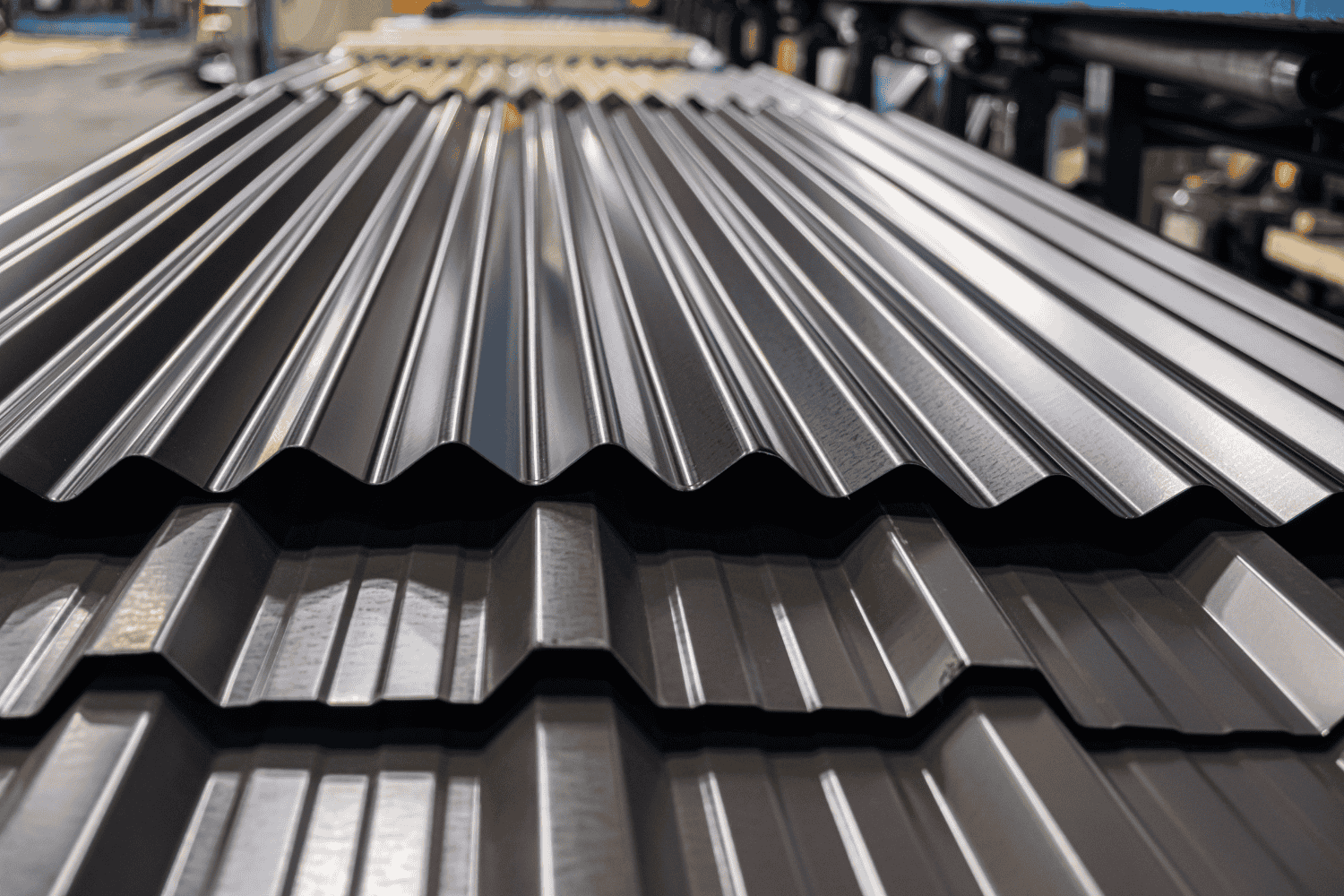
A stylish corrugated metal roof showcasing durability and protection.

Corrugated metal roofing panels are crafted from sheets of corrugated sheet metal that are roll formed into a series of ridges and grooves, enhancing their strength and stiffness. Typically made from steel or aluminum, these corrugated panels feature a wavy design that promotes water drainage and structural integrity. Customization options abound, including variations in panel size, thickness, and material type, allowing for tailored solutions that meet both aesthetic and functional needs.

The cost of corrugated metal roofing can vary significantly, ranging from $7.00 to $13.00 per square foot for materials and installation. Factors such as material choice, installation complexity, and additional features can influence the overall expense, which can range from $15,000 to $50,000 for a complete roof.

Despite the initial investment, the durability and low cost maintenance requirements of corrugated metal roofs offer long-term savings and peace of mind for Home owners.

Introduction

Corrugated metal roofing has become a go-to option for many due to its unique characteristics and advantages. Its versatility and aesthetic appeal have significantly contributed to its growing popularity. Whether it’s for residential homes or commercial buildings, corrugated metal roofing offers a blend of attractiveness and affordability, making it a reliable choice for a wide range of construction needs.

The Metal Roofing Learning Center offers detailed information for those looking to explore the various options available for corrugated metal roofing. Here, you can find detailed information to guide you through the selection process, ensuring you choose the perfect fit for your project. From panel sizes and shapes to material types and finishes, the options are vast and varied, catering to all sorts of architectural styles and requirements.

Corrugated Metal Roofing Panels Overview

Corrugated metal roofing panels are designed to enhance both the strength and stiffness of the roof. These panels, typically made from steel or aluminum, feature a wavy or corrugated design that not only adds to their structural integrity but also promotes efficient water drainage. Customization options are plentiful, allowing for variations in panel size, thickness, and material type to meet specific needs.

The aesthetic and functional benefits of metal roofing are further enhanced by the availability of various shapes and sizes. Additional trims and accessories can also be integrated to boost both the performance and visual appeal of the roofing system. Whether you’re looking for a modern, industrial look or a more traditional style, corrugated metal roofing offers the flexibility to achieve your desired outcome.

Material Options

Corrugated metal roofing panels are primarily constructed from materials like steel, aluminum, copper, and zinc, each offering unique advantages. Galvanized steel, for example, is coated in zinc to provide rust resistance, making it particularly effective in coastal areas with high humidity. Corrugated steel is favored for its high tensile strength and ability to shed water effectively, which is ideal for regions with heavy rainfall.

Another popular material is Galvalume steel, which features a coating of zinc, aluminum, and silicone, offering enhanced durability and self-healing properties. Aluminum, known for its lightweight nature, is also highly resistant to corrosion, making it suitable for various climates, especially coastal areas.

The choice of material significantly impacts both the cost and performance of the roofing system, with higher gauge steel providing better durability and lower maintenance costs over time.

Key Features

One of the standout features of corrugated metal roofing is its ability to withstand extreme weather conditions, including high winds and heavy rainfall. These panels are lightweight, which simplifies installation and reduces structural load, ultimately lowering building costs. The lightweight nature of these panels also facilitates easier handling during installation, allowing for quicker project completion.

The corrosion resistance of materials like Galvalume and galvanized steel ensures longevity by preventing rust. Additionally, the choice of paint finish can affect the roof’s longevity and maintenance needs, with some finishes requiring less upkeep than others.

Overall, the combination of durability, ease of installation, and low maintenance makes corrugated metal roofing a highly attractive option for many Home owners.

Benefits of Choosing Corrugated Metal Roofing
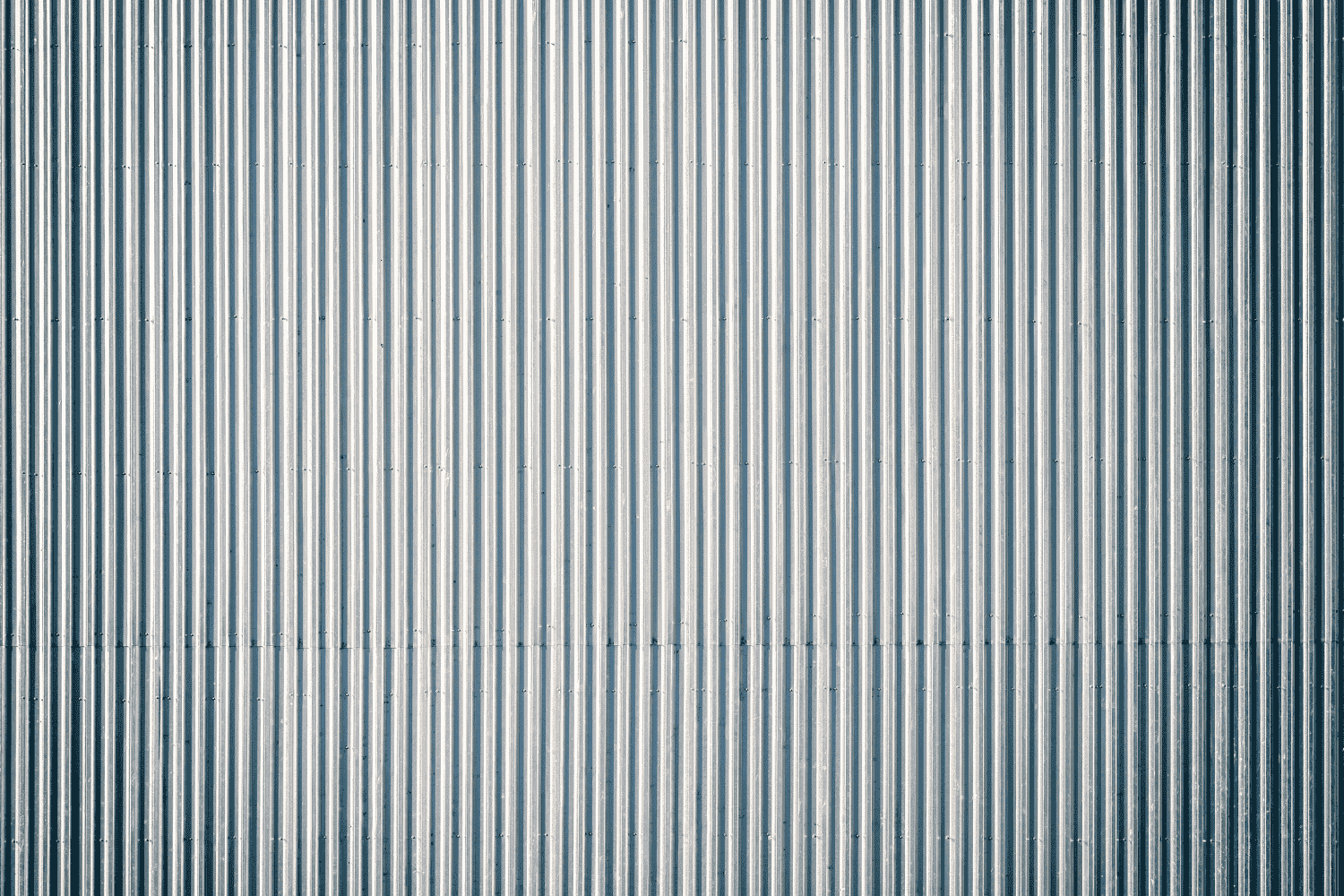
Benefits of corrugated metal roofing, highlighting corrosion resistance and durability.

Corrugated metal roofing is recognized for its combination of durability, energy efficiency, and modern aesthetics. These roofing panels are praised for their strength, cost-effectiveness, and ability to withstand severe weather conditions like hail, storms, and heavy rains without leaking. The affordability and aesthetic appeal of corrugated metal roofs make them an increasingly popular choice among homeowners.

In addition to their practical benefits, corrugated metal roofing is also an environmentally friendly option. These roofs are recyclable, addressing environmental concerns in construction and contributing to a more sustainable building practice.

The significant advantages of corrugated metal roofing—durability, energy efficiency, and low maintenance—make it a compelling option for a wide range of applications.

Longevity and Durability

Corrugated metal roofs can last over 50 years with proper installation and maintenance, far exceeding the typical lifespan of asphalt shingles. These roofs can endure extreme weather conditions, including high winds and heavy rain, with a lifespan ranging from 40 to 70 years. The durability of these roofs minimizes the frequency of replacements, contributing to long-term cost efficiency.

The longevity of corrugated metal roofs also leads to reduced repair costs and lower energy bills over time. For commercial and agricultural applications, the low maintenance needs of these roofs are particularly advantageous. Overall, the combination of durability and minimal upkeep makes corrugated metal roofing a smart investment for any Home.

Energy Efficiency

Corrugated metal roofs can significantly improve indoor comfort by reflecting heat, thus saving on cooling costs. Homeowners can see energy savings of around 40% with metal roofs, as they reflect heat, particularly benefiting those in warmer climates with pre-painted options. Insulated corrugated metal roofs can reduce energy bills by up to 40% due to their ability to retain warmth in the winter and reflect heat in the summer.

Many corrugated metal roofs feature reflective coatings that help keep homes cooler in summer and warmer in winter. These reflective coatings can further maximize energy savings by minimizing heat absorption.

Overall, the energy-efficient properties of corrugated metal roofs can result in significant utility savings, enhancing their appeal for both residential and commercial properties.

Low Maintenance Requirements

Corrugated metal roofs are designed to require minimal maintenance, saving time and money for homeowners. These roofs typically need only periodic re-coating and fastener checks, along with occasional cleaning to remove debris. Regular checks for loose fasteners and signs of corrosion are recommended to ensure the integrity and longevity of the metal roof.

Compared to traditional roofing materials, corrugated metal roofs can last for many years without major maintenance. This low maintenance requirement makes corrugated metal roofing an attractive option for Home owners seeking a durable and hassle-free roofing solution. The combination of ease of upkeep and long-lasting performance underscores the value of choosing corrugated metal roofing.

Installation Process for Corrugated Metal Roofing
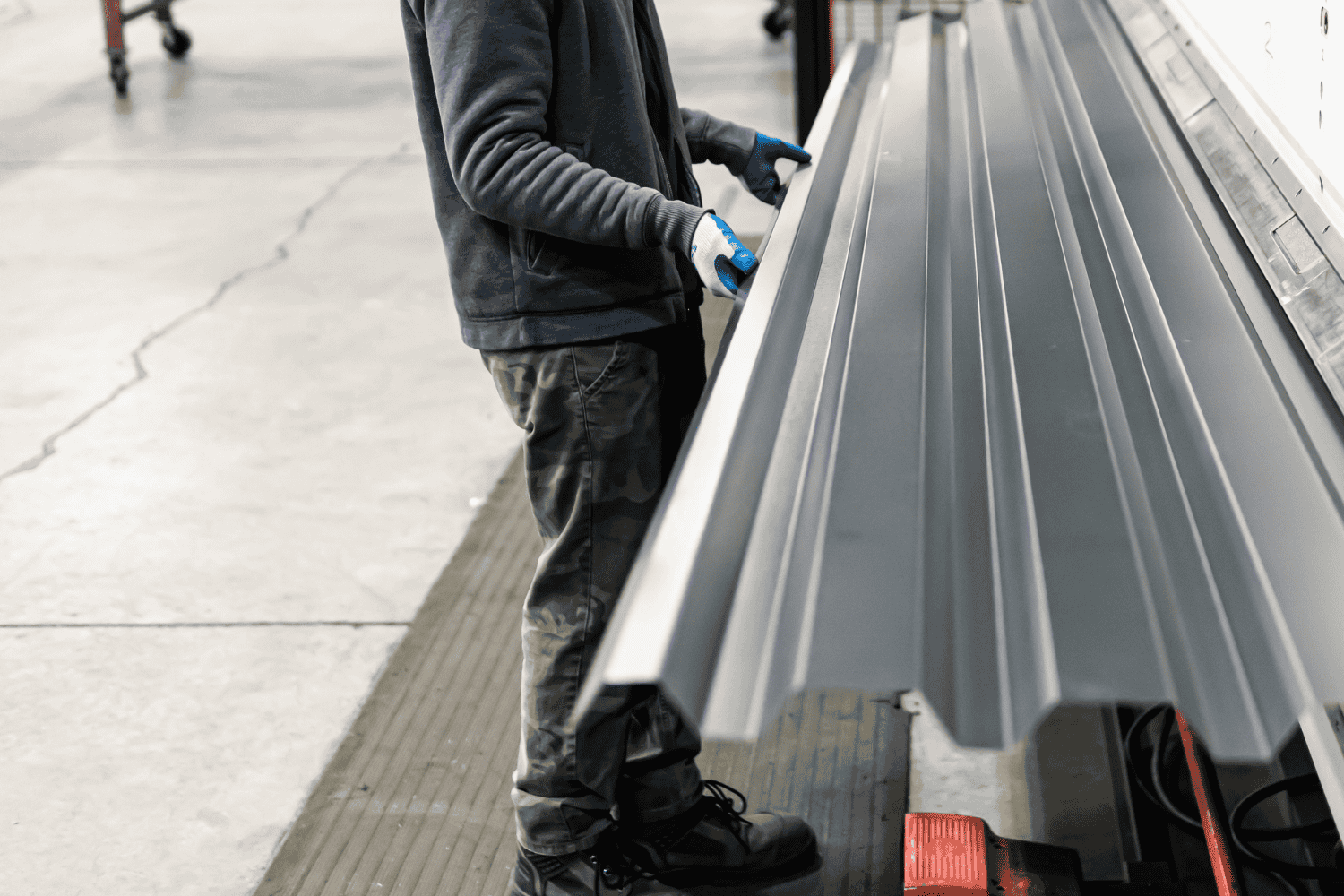
The installation process of corrugated metal roofing panels.

The installation of corrugated metal roofing involves several key stages, including preparation, actual installation, and post-installation inspection. These roofs are lightweight and easy to install, which can lower overall building costs. The installation process requires precise measurements and the use of overlapping panels for effective coverage.

Post-installation inspection is crucial to ensure that the corrugated metal roofing is secure and properly aligned. By following the proper steps, homeowners can ensure a durable and long-lasting roof that offers excellent protection against the elements.

The installation process consists of several key stages, each crucial for ensuring a durable and effective roof.

Preparation and Planning

The installation of corrugated metal roofing requires careful planning and adherence to specific steps to ensure durability and effectiveness. Accurate measurements of the roof area are essential for determining the amount of corrugated metal needed for installation. When planning, ensure the roof framing allows for purlins spaced no more than 36 inches apart for optimal panel support.

Employing proper fastening techniques is key to securing corrugated metal panels and preventing future issues. By taking these preparation steps seriously, homeowners can avoid common pitfalls and ensure a successful installation process. Proper planning and preparation set the stage for a smooth and efficient installation.

Installation Steps

The installation process for corrugated metal roofing is more complex and requires specialized skills, resulting in higher labor costs compared to asphalt shingle installation. The complexity of the roof design can increase labor costs, especially if specialized installation techniques are needed. However, the lightweight nature of corrugated metal allows for easier installation and less material for structural support.

The installation time varies based on the size and complexity of the roof, but the overall process is generally quicker than other roofing types due to the lightweight composition of the panels. Following a step-by-step guide ensures that each panel is installed correctly and securely, providing a durable and reliable roofing solution. Proper installation techniques are essential for maximizing the lifespan and performance of the roof.

Post-Installation Inspection

Conducting a detailed inspection after installation ensures that all panels are securely fastened and properly aligned. After installation, check for proper alignment of panels and seal any visible seams to prevent leaks. Inspect the roofing for proper fastening; screws should be snug but not over-tightened to avoid panel distortion.

A thorough inspection after installation helps to identify any misalignments or loose fasteners that could lead to problems down the road. By addressing any issues immediately, homeowners can ensure the long-term durability and performance of their corrugated metal roofing system. Post-installation inspection is a critical step in the installation process, providing peace of mind and confidence in the quality of the roof.

Customization Options for Corrugated Metal Roofing
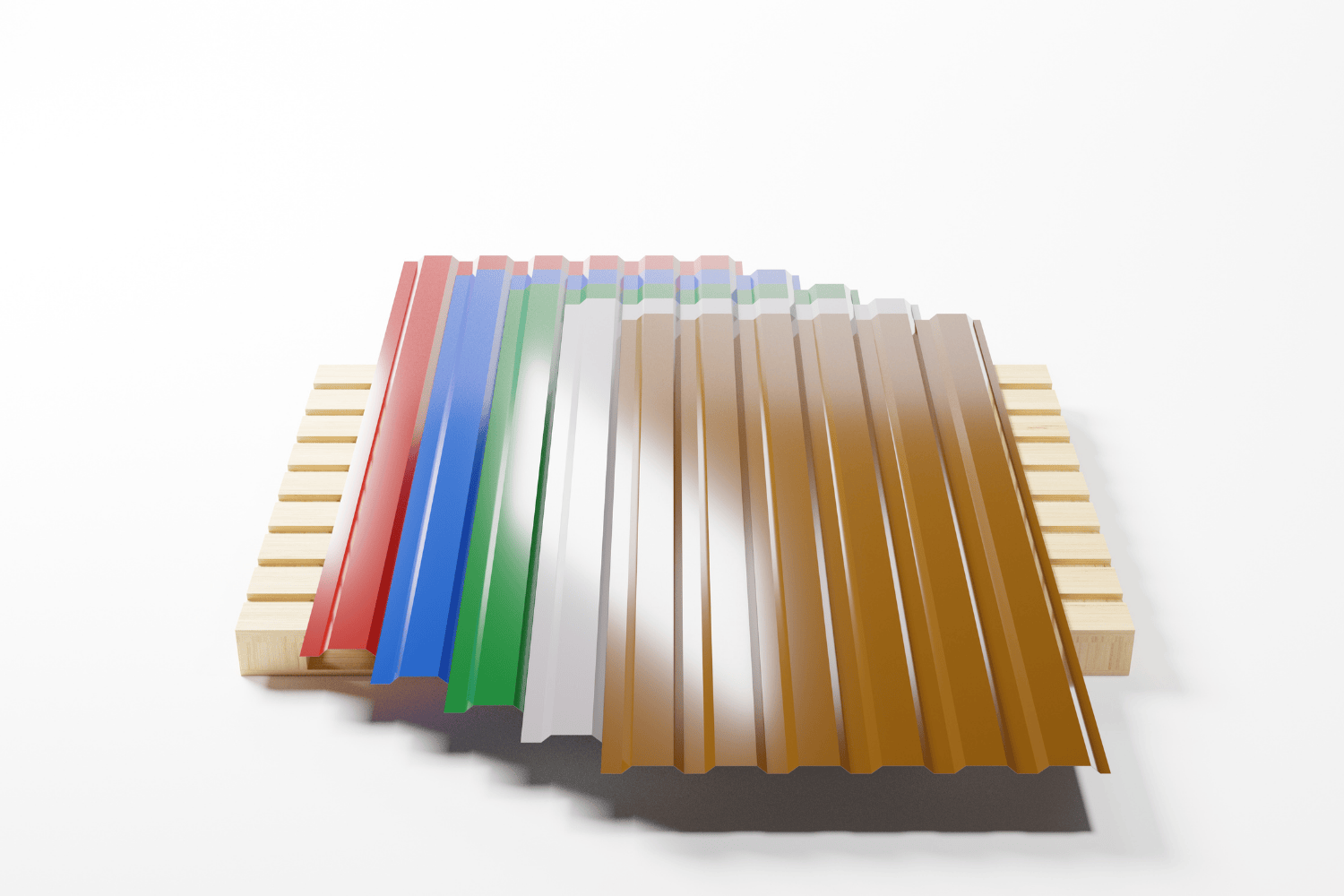
Customization options for corrugated metal roofing, showcasing various colors and profiles.

Customization options for corrugated metal roofing allow homeowners to personalize the look of their roofs. Common design styles for corrugated metal panels include farmhouse and industrial themes. These roofing panels can be tailored with various profiles and textures to meet specific design preferences.

The ability to customize corrugated metal roofing extends beyond aesthetics to include functional enhancements. Trims and accessories can be added to improve both the performance and visual appeal of the roof. Exploring the various customization options, such as color choices, profiles, textures, and trim, allows homeowners to personalize their roofs to match their preferences.

Color Choices

Corrugated metal roofing offers a wide range of color options to suit various design preferences and styles. One of the available options in corrugated metal roofing colors is the streaked series, which provides a unique visual effect. To ensure that the chosen color for corrugated metal roofing matches expectations, it is recommended to verify colors using actual metal samples.

With a variety of colors to choose from, homeowners can select the perfect shade to complement their Home’s exterior. Whether you prefer classic silver or a bold, vibrant hue, the color options available for corrugated metal roofing can help achieve the desired look. The ability to customize the color of your roof adds a personal touch and enhances your Home’s curb appeal.

Profiles and Textures

Different textures can be applied to metal roofing materials to enhance their visual appeal and character. Textures in corrugated metal can range from smooth finishes to embossed patterns. These profiles and textures provide unique styling options for homeowners and businesses, allowing them to achieve a distinctive look that complements their overall design aesthetic.

The choice of profile and texture can significantly impact the roof’s appearance and functionality. For instance, a smooth finish might be ideal for a modern, sleek look, while an embossed pattern can add a touch of elegance and sophistication. By experimenting with different profiles and textures, Home owners can create a customized roofing solution that truly stands out.

Trim and Accessories

Trim options for corrugated metal roofs include eave trim, valley trim, and ridge caps. These trims and accessories provide enhanced functionality and aesthetic appeal to the roofing system. Eave trim helps direct rainwater away from the roof edges, preventing water damage, while valley trim maintains the integrity of the roof’s structure by channeling water runoff.

Ridge caps are used at the peak of the roof to provide a finished look and protect against moisture intrusion. Using the right trims and accessories not only enhances the visual appeal but also boosts the longevity of corrugated metal roofing. Properly selected and installed trims and accessories can make a significant difference in both the performance and aesthetics of your roofing system.

Cost Considerations for Corrugated Metal Roofing

Corrugated metal roofing is considered more affordable than many other metal roofing styles, making it an attractive option for budget-conscious buyers. Before installation, it’s essential to measure the roof area and calculate the total square footage required, adding approximately 15% for overlaps. The overall cost of a corrugated metal roof is influenced by factors such as material choice, installation complexity, and additional features required for installation.

Corrugated metal roofs typically require minimal maintenance, needing only occasional inspections and a recoat for longevity. This low maintenance requirement contributes to significant long-term savings compared to other roofing materials. By investing in corrugated metal roofing, homeowners can enjoy a durable and cost-effective solution that requires less upkeep over time.

Factors Influencing Cost

The choice of material significantly impacts the cost of corrugated metal roofing, as prices can range from $3.50 to $6.50 per square foot for basic options. Smaller roofing projects often incur higher costs per square foot, with potential increases of 20% to 100% for jobs under 1,000 square feet. The overall cost is also influenced by the complexity of the installation process, as more intricate designs may require additional materials and labor.

Purchasing directly from manufacturers can lead to significant savings, ranging from 15% to 50% compared to buying through distributors. By carefully considering these factors, homeowners can make informed decisions that align with their budget and project requirements. Understanding the cost drivers helps in planning and optimizing the investment in corrugated metal roofing.

Long-Term Savings

The low maintenance requirements of corrugated metal roofs contribute to significant long-term savings compared to other roofing materials. While metal roofing often has a higher upfront cost, its longevity, energy efficiency, and low maintenance requirements make it cost-effective in the long run. The durability of corrugated metal roofs means they can withstand harsh weather conditions over time, contributing to substantial long-term savings.

Overall, by investing in corrugated metal roofing, homeowners can expect substantial savings over time due to its durability and minimized upkeep. The initial investment is offset by the reduced need for repairs and replacements, making corrugated metal roofing a wise financial choice for the long term.

Comparing Corrugated Metal Roofing to Other Roofing Types
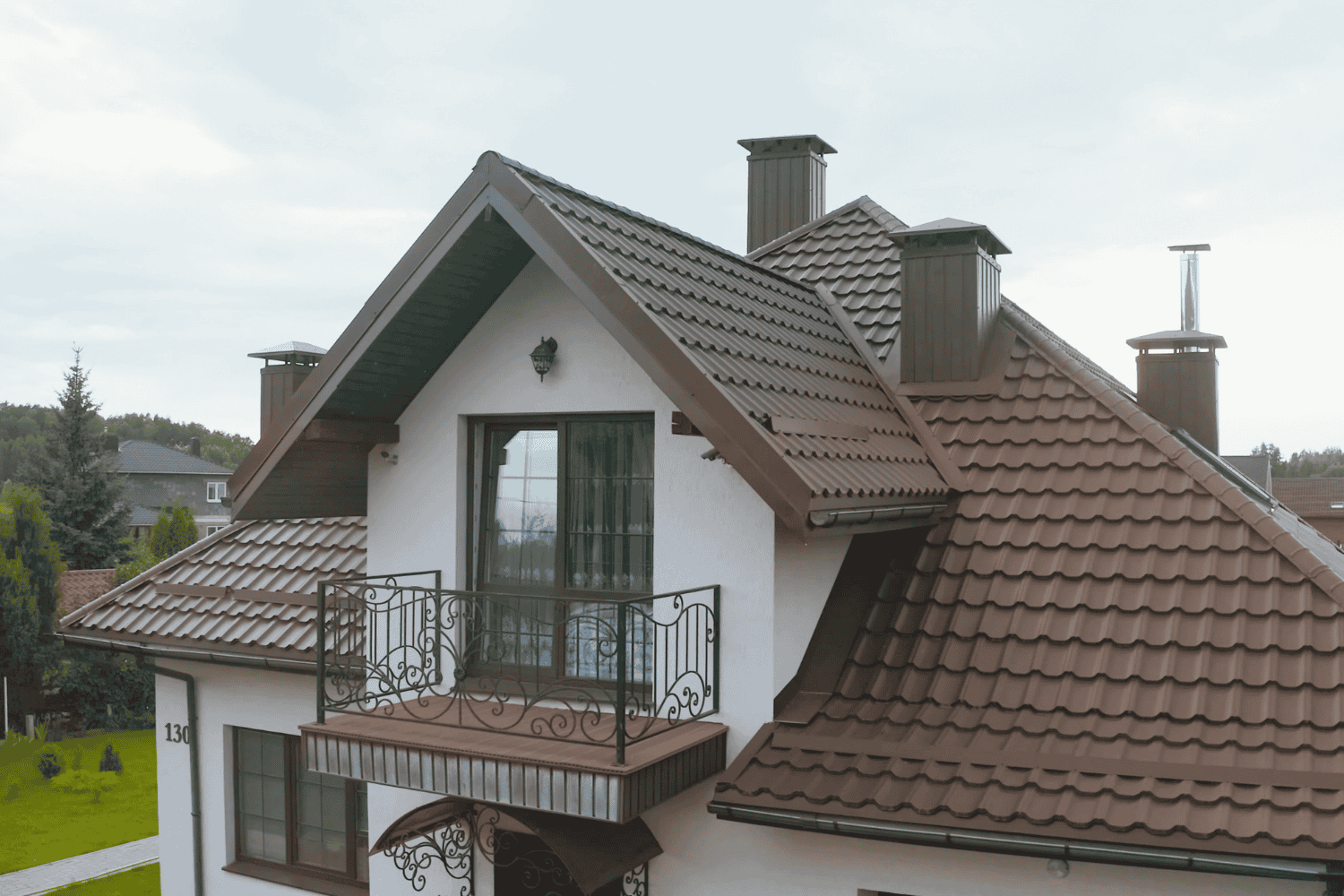
Comparison of corrugated metal roofing with other roofing types.

Corrugated metal roofs are a versatile option that can provide durability and efficiency compared to traditional roofing materials. Common materials used for corrugated metal roofing include galvanized steel, Galvalume, and aluminum. Corrugated metal roofing offers a longer lifespan and requires less maintenance than asphalt shingles, which can lead to significant cost savings over time.

While standing seam metal roofs offer similar longevity to corrugated metal roofs, they tend to be more expensive due to their construction and installation requirements. Understanding the differences between these roofing types helps homeowners make informed decisions based on their budget, aesthetic preferences, and maintenance capabilities.

Let’s delve into specific comparisons to highlight the benefits and drawbacks of each option.

Corrugated Metal vs. Asphalt Shingles

Corrugated metal roofs are known for their exceptional durability, lasting up to 50 years or more, while an asphalt shingle roof typically has a lifespan of 20-30 years. Metal roofs are highly resistant to extreme weather conditions, including strong winds and heavy snow, whereas asphalt shingles may suffer from damage under similar conditions.

Although upfront installation costs for corrugated metal roofing are typically higher compared to asphalt shingles, the long-term savings can make metal roofs a more cost-effective choice. Asphalt shingles, while cheaper to install initially, have a shorter lifespan and may require more frequent replacements, leading to higher overall costs.

Additionally, corrugated metal roofs require minimal maintenance, usually just periodic cleaning, while asphalt shingles need regular inspections and may require repairs after weather events. This comparison highlights the long-term benefits of choosing corrugated metal roofing over asphalt shingles.

Corrugated Metal vs. Standing Seam Metal Roofs

The two types of metal roofing panels compared are exposed fastener panels and standing seam panels. Standing seam metal roofs typically feature concealed fasteners, which provide a sleeker appearance and potentially better weather resistance compared to corrugated metal roofs. Concealed fasteners found in standing seam roofs reduce the risk of leaks compared to the exposed fasteners of corrugated metal roofing.

The lifespan of a standing seam metal roof can exceed 75 years, significantly outlasting corrugated metal options. However, the higher cost of standing seam metal roofs may be a consideration for budget-conscious homeowners.

By comparing the aesthetics, installation requirements, and costs of these two metal roofing types, Home owners can make an informed decision that best suits their needs.

Common Applications of Corrugated Metal Roofing

Corrugated metal roofing is used in diverse settings, including residential construction, agricultural barns, and commercial buildings, due to its strength and weather resistance. This type of roofing enhances commercial building value through reliable weather protection and longevity. In agricultural settings, corrugated metal roofing is favored for its resistance to harsh weather conditions.

The versatility of corrugated metal roofing makes it suitable for a variety of applications, from sheds and outbuildings to barns and residential homes. Its resilience and adaptability make it a practical and reliable choice for Home owners in different sectors.

Examining the specific applications in residential, commercial, and agricultural contexts highlights the versatility of corrugated metal roofing.

Residential Use

In residential settings, corrugated metal roofs provide a mix of aesthetic appeal and protection, making them suitable for homes, sheds, and garages. This type of roofing can offer a modern aesthetic while enhancing a home’s durability against the elements. Homeowners appreciate the combination of style and functionality that corrugated metal roofing brings to their properties.

By choosing corrugated metal roofing, homeowners can enjoy a roof that not only looks great but also provides robust protection against harsh weather conditions. The modern and sleek appearance of corrugated metal roofing can complement various architectural styles, adding to the overall curb appeal of residential properties.

Commercial and Agricultural Use

Agricultural structures like livestock shelters and crop storage benefit from the weathertight seal that metal roofing provides. Corrugated metal roofing is a popular choice for commercial buildings and agricultural structures due to its durability and low maintenance requirements. In commercial buildings, the longevity of corrugated metal roofing reduces the frequency and cost of replacements, making it a smart investment.

Overall, the versatility, cost-effectiveness, and reliability of corrugated metal roofing make it an excellent choice for both commercial and agricultural use. Home owners in these sectors can rely on corrugated metal roofing to provide long-lasting protection and minimal upkeep, ensuring their buildings remain in top condition for many years.

Summary

Corrugated metal roofing stands out as a durable, energy-efficient, and low-maintenance option suitable for a variety of applications. From residential homes to commercial and agricultural buildings, this roofing type offers significant benefits that make it a compelling choice for many Home owners. The ability to customize the look and function of corrugated metal roofing further enhances its appeal, allowing for tailored solutions that meet specific needs and preferences.

Investing in corrugated metal roofing can lead to long-term savings and peace of mind, thanks to its longevity and minimal maintenance requirements. As you consider your roofing options, remember that corrugated metal roofing combines practicality with aesthetics, offering a reliable and stylish solution for protecting your Home. Embrace the advantages of corrugated metal roofing and make a choice that will serve you well for decades to come.

Frequently Asked Questions

What services does A&M Home Services offer for metal roofing in Indiana?

A&M Home Services provides installation, repair, and maintenance for metal roofing on residential and commercial properties in Indiana. This ensures durable and long-lasting roofing solutions for their clients.

How does metal roofing perform in extreme weather conditions?

Metal roofing excels in extreme weather conditions due to its durability, effectively resisting heavy rain, high winds, and hail. This resilience makes it a reliable choice for protection against the elements.

Is metal roofing more expensive to install compared to other roofing types?

Metal roofing typically has a higher initial installation cost than other roofing types, but its durability and energy efficiency can make it more economical over time.

What maintenance is required for a metal roof?

To ensure your metal roof remains in optimal condition, conduct regular inspections for loose fasteners, proper panel alignment, and any signs of corrosion. Addressing these issues promptly will help maintain the longevity of your roof.

What factors influence the cost of installing a metal roof?

The cost of installing a metal roof is primarily influenced by the roof size, material selection, and complexity of the installation. These factors collectively determine the overall expense.


A roof with multiple layers of shingles showcasing the second layer of shingles on the roof.

Adding a Second Layer of Shingles on Roof: Risks Involved

Is adding a Second Layer of Shingles on Roof a good idea? Adding a second layer of shingles is cost-effective but poses significant drawbacks such as hidden damage and increased roof weight.Inspection challenges and leak detection difficulties can also arise with multiple shingle layers, potentially leading to costly repairs and structural risks.

Adding a second layer can void manufacturer warranties and reduce the lifespan of the new shingles, impacting the home’s resale value and aesthetic appeal.

Why Homeowners Consider Adding a Second Layer of Shingles

A roof with multiple layers of shingles showcasing the second layer of shingles on the roof.

Many homeowners choose to add a second layer of shingles primarily for the immediate cost savings it offers. Compared to a complete tear-off and roof replacement, adding a second layer is significantly cheaper. This option is not only budget-friendly but also time-efficient. The process of overlaying new shingles over existing ones is generally quicker, sparing homeowners from prolonged construction periods.

Additionally, the convenience factor plays a big role. Removing old shingles can be messy and disruptive, and many homeowners opt for the hassle-free alternative of adding a second layer to avoid the debris and inconvenience. While these reasons make this option appealing, it’s crucial to understand the potential drawbacks that come with it.

Major Drawbacks of Multiple Roof Layers

Adding a second layer of shingles might seem like an easy fix, but it comes with significant drawbacks. These include inspection challenges, increased roof weight, and difficulties in leak detection. Each of these issues can compromise the integrity and longevity of your roof, leading to more severe problems down the line.

Inspection Challenges

When a second layer of shingles is added, it becomes nearly impossible to properly inspect the underlying roof decking for damage or rot. The additional layer hides any issues that may be lurking beneath, making it challenging for home inspectors and roofing contractors to identify potential problems. This lack of visibility can lead to undetected problems that worsen over time, eventually resulting in costly repairs.

Furthermore, adding a second layer means there’s no opportunity to examine the condition of the existing materials. This can be especially problematic if the underlying shingles or decking have reached the end of their lifespan. Building codes in some areas might also prohibit multiple roof layers due to these inspection difficulties, making it a labor-intensive and potentially non-compliant choice.

Increased Roof Weight

One of the most concerning aspects of adding a second layer of shingles is the increased weight it puts on the roof. Asphalt shingles are already quite heavy, and doubling up can add significant stress to the roof decking and the overall structure of the house. This extra weight, also known as dead load, can compromise the structural integrity, especially in older homes.

Insurance companies may also have reservations about covering roofs with increased weight due to the potential for structural failure. In the worst-case scenario, the added weight could lead to a roof collapse, leaving homeowners with hefty repair bills and no insurance coverage. Considering the weight factor seriously is essential before opting for multiple roof layers due to this risk.

Leak Detection Difficulties

Detecting and repairing roof leak becomes a much more complex task when there are multiple layers of shingles. Water can migrate between the layers, making it hard to pinpoint the exact source of the leak. This situation not only complicates repairs but also increases the likelihood of extensive water damage if the leak goes unnoticed for an extended period.

The accumulation of heat and moisture between the layers accelerates the deterioration of shingles. This hidden damage can lead to more frequent and severe roof leaks over time. Homeowners may find themselves facing more problems and higher repair costs than they anticipated by simply adding a second layer of shingles.

Impact on Roofing Materials and Warranties

A stack of roofing materials including new shingles and old shingles, illustrating the impact on roofing materials and warranties.

Adding a second layer of shingles doesn’t just impact the roof’s structural integrity; it also affects the roofing materials and warranties. The existing materials and components, which may already be at the end of their lifespan, are not replaced, leading to a host of potential issues down the road.

Warranties provided by shingle manufacturers often have stipulations that are voided when a second layer is added.

Voided Shingle Warranty

One of the most significant drawbacks is the potential voiding of the shingle warranty. Many shingle manufacturers clearly state that their warranties are invalid if new shingles are placed over an existing layer. This means that by adding a second layer, homeowners may lose out on valuable warranty coverage that could have provided protection for up to 50 years.

Losing this warranty can result in substantial financial losses, especially if issues arise that would have otherwise been covered. This aspect makes it crucial for homeowners to thoroughly understand the warranty issues before making a decision. Consulting with a reputable roofing contractor can provide clarity on the implications of adding a second layer of shingles.

Reduced Lifespan of Shingles

Adding a second layer of shingles can significantly reduce the lifespan of the new shingles. The additional layer traps heat and moisture, accelerating the wear and tear on the roofing materials. This increased deterioration means that the new shingles will not last as long as they would if installed on a single layer.

Addressing signs of damage promptly through proactive maintenance can help mitigate some of these issues. However, the inherent problems with multiple shingle layers mean that homeowners may still face a shorter lifespan for their roof, leading to the need for a roof replacement sooner than expected.

Aesthetic and Resale Value Concerns

A house with an uneven roof appearance due to multiple layers of shingles, raising aesthetic and resale value concerns.

The decision to add a second layer of shingles can also have a significant impact on the aesthetic appeal and resale value of a home. An uneven appearance and potential for increased aging and deterioration are just some of the issues that can arise, making it a less attractive option for homeowners looking to maintain or increase the value of their Home.

Uneven Appearance

Adding a second layer of shingles often results in a visually uneven roof. When architectural shingles are layered over 3-tab asphalt shingles, the differences in exposure sizes create noticeable bumps every few shingles. This uneven appearance can detract from the overall look of the home, leading to what many might consider poor workmanship.

Furthermore, these visual imperfections can be quite apparent from a distance, affecting the curb appeal of the house. Homeowners who take pride in their Home’s aesthetics may find this a significant downside to adding a second layer of shingles.

Lower Home Resale Value

Homes with multiple layers of shingles often face issues during inspections, resulting in negative reports that can deter potential buyers. Home inspectors may note the presence of multiple layers as a potential problem, which can influence buyer decisions and negotiation tactics.

These complications can ultimately reduce the home’s resale value. While adding a second layer of shingles may save money initially, it could significantly impact the ability to sell the home for its full value in the long run.

Alternatives to Adding a Second Layer of Shingles

A construction worker assessing a roof for full replacement options, highlighting alternatives to adding a second layer of shingles.

Given the numerous drawbacks associated with adding a second layer of shingles, it’s worth considering alternative solutions.

Full roof replacement and proper maintenance are two viable options that can provide better long-term results without the risks associated with multiple roof layers and a new roof.

Full Roof Replacement

A full roof replacement, though initially more expensive, can be more cost-effective in the long run. Reputable roofing contractors often recommend this approach to ensure the best structural integrity and longevity for the roof. By removing the old shingles and replacing the roof flashing, homeowners can prevent leaks and ensure proper installation.

A full tear-off and roof replacement typically takes about a day for an average-sized home, with costs ranging from $6,700 to $80,000, averaging around $11,500. While this may seem like a significant investment, the peace of mind and long-term durability it provides are well worth it.

Proper Roof Maintenance

Regular maintenance is crucial for prolonging the lifespan of a single layer of shingles. Addressing issues such as dark streaks or discoloration caused by humidity and algae growth promptly can prevent significant damage and the need for costly repairs.

Regular maintenance tasks can extend the overall life of a roof, delaying the need for a replacement. This proactive approach not only saves money but also ensures that the roof remains in good condition for as long as possible.

Summary

In summary, while adding a second layer of shingles may seem like an attractive option due to its cost and time savings, the potential drawbacks far outweigh the benefits. From inspection challenges and increased roof weight to leak detection difficulties and aesthetic concerns, multiple roof layers can lead to significant long-term issues. Additionally, the impact on roofing materials and warranties further complicates the decision.

Considering alternatives like a full roof replacement or proper maintenance can provide better results. These options ensure the structural integrity, longevity, and aesthetic appeal of your roof, ultimately protecting your investment. Making an informed decision now can save homeowners from future headaches and financial burdens.

Frequently Asked Questions

Why do many homeowners consider adding a second layer of shingles?

Many homeowners opt for a second layer of shingles due to the immediate cost savings and faster installation compared to a full roof replacement. This approach can be a practical solution for those looking to extend the life of their roof without significant expenses.

What are the inspection challenges with adding a second layer of shingles?

Adding a second layer of shingles complicates inspections as it obscures the roof decking, potentially concealing underlying issues and requiring more extensive examination. It’s essential to address these challenges to ensure the roof’s integrity and longevity.

How does adding a second layer of shingles affect the roof’s weight?

Adding a second layer of shingles significantly increases the roof’s weight, potentially compromising structural integrity. It is essential to consider these factors carefully before proceeding.

What impact does adding a second layer of shingles have on warranties?

Adding a second layer of shingles typically voids the manufacturer’s warranty on new shingles, which can lead to significant financial losses if issues arise. It’s essential to consider this potential risk before proceeding.

What are the alternatives to adding a second layer of shingles?

A full roof replacement and proper roof maintenance are effective alternatives to adding a second layer of shingles, as they ensure the roof’s structural integrity and longevity.

A close-up view of asphalt shingles showing the texture and granules.

Understanding Granules on Shingles: What They Mean for Your Roof

Granules on shingles are crucial for your roof’s protection. They guard against UV rays, weather damage, and even fires. If you see granule loss, it could signal a problem with your roof. This article covers why these granules are important and what to do if they start coming off.

Key Takeaways

  • Granules on shingles provide essential protection, enhancing fire resistance and UV protection, which helps maintain the durability and longevity of the roof.
  • Regular inspections can identify early signs of granule loss, allowing homeowners to address potential issues and prolong the life of their roofing system.
  • Widespread granule loss, particularly on roofs older than 20 years, may indicate the need for a roof replacement to prevent costly damages and ensure effective functioning.

Understanding Granules on Shingles: What They Mean for Your Roof

A close-up view of asphalt shingles showing the texture and granules.

Granules used in shingles are typically composed of crushed stone and can include materials like slate, stone, or ceramics. These shingle granules are not just for show; they serve a critical purpose in protecting your roof and maintaining its durability. The granules provide a color that enhances the curb appeal of your home while also imparting fire-resistant qualities to the shingles.

Moreover, these tiny granules protect the underlying layers of your roofing system from the elements. Granules protect your roof from harmful UV rays, weather conditions, and potential fire hazards, significantly enhancing its longevity and aesthetic appeal. Understanding their importance is the first step in ensuring your roof remains robust and reliable.

Introduction

Knowing the role of granules on shingles helps maintain roof integrity and prevent costly repairs. Being aware of granule loss helps homeowners avoid premature roof deterioration and potential leaks, prolonging the life of their roofing investment.

Granules enhance the aesthetic appeal of roofing shingles, contributing to the overall look of the home. Regular inspections can help prevent granule loss from worsening. Regular professional inspections can uncover early signs of granule loss, allowing for timely interventions and safeguarding your roof.

What Are Shingle Granules?

An image illustrating the composition of shingle granules.

Crushed stone in shingle granules provides essential structural integrity and waterproofing to asphalt shingles. These granules serve several essential functions, including protecting the roof and maintaining its durability against environmental factors. Without these granules, the underlying layers of roofing materials would be exposed to the elements, leading to faster deterioration and potential damage.

In addition to their functional properties, mineral granules enhance the aesthetic appeal of shingles through their textural qualities and color. They are available in various colors, allowing homeowners to select a style that complements their home. This combination of structural and aesthetic benefits makes granules an indispensable component of roofing shingles.

The Function of Granules on Asphalt Shingles

A visual representation of the function of granules on asphalt shingles.

Granules offer fire resistance, color, and protection against UV rays. Blocking harmful UV rays, they prevent asphalt deterioration and extend the lifespan of roofing shingles. Additionally, granules protect the underlying layers from weather exposure, which enhances the durability of the roofing system.

They help prevent rain, snow, and ice from collecting on the roof and gutters, reducing potential damage. Aesthetically, granules can be manufactured in various colors, allowing homeowners to select a style that complements their home. High-quality shingles often include UV inhibitors to enhance durability and minimize granule loss.

UV Protection

Granules protect the asphalt layer from sunlight, preventing aging and deterioration. Acting as a barrier against harmful rays, granules prevent asphalt degradation, which is crucial in avoiding premature aging of shingles. This protection helps maintain the roof’s integrity, ensuring it remains durable and effective over time.

Weather Resistance

Granules weatherproof roofing systems, enhancing their ability to withstand environmental elements. They enhance the shingles’ ability to resist harsh weather conditions, including heavy rain and strong winds. Granules also boost shingles’ resilience against impacts from debris, acting as a first line of defense against weathering threats.

Fire Resistance

Granules enhance the fire-resistant properties of asphalt shingles, increasing their safety in case of fire. Made from materials that are resistant to fire, asphalt shingle granules enhance the overall safety of the roofing system. They add a layer of protection, helping to prevent fire spread and improving roof fire safety.

Causes of Granule Loss on Roofing Shingles

An image depicting granule loss on a shingle roof.

Common causes of granule loss include aging roofs, improper installation, and severe weather events. As roofs age, the bond between asphalt and granules weakens, leading to increased granule loss. Normal wear and tear, along with exposure to wind, water, mold, and impacts, contribute to granule loss as the roof ages.

Improper installation accelerates granule loss and leads to further roofing issues. Installation defects like poor-quality materials or inadequate sealing can cause significant granule loss.

Severe weather conditions, like hail and heavy wind, can lead to significant granule loss and compromise roofing system integrity.

Aging Roof

The age of the roof is the primary cause of granule loss on roofing shingles. As roofs age, they erode due to exposure to wind, water, mold, or impacts. The bond between asphalt and granules tends to weaken, increasing granule loss over time. A lack of granules accelerates roof deterioration due to exposure to the elements.

Improper Roof Installation

Improper installation practices can result in a faster loss of granules and other roofing problems. Failing to meet roofing installation standards can significantly increase granule loss. Improper handling and cutting of shingles during installation contribute to granule detachment. While some granule loss during installation is normal, excessive loss may indicate installation issues.

Severe Weather

Severe weather conditions can compromise the integrity of granules, leading to their detachment. Wind-driven rain exacerbates granule loss during storms. Inspecting your roof after severe weather can identify early signs of granule loss and prevent further damage.

Signs of Excessive Granule Loss

Homeowners can spot granule loss by checking for bald spots on shingles and examining areas around downspouts and gutters. Loose granules in gutters, patchy, discolored, or bald areas on the roof indicate significant granule loss. Finding large amounts of granules in the gutters indicates excessive granule loss, especially for older roofs.

Discoloration, bald spots, and excessive granules in gutters are key indicators that repairs or roof replacement may be necessary. Noticing these signs allows you to take prompt action to address potential roofing problems before they escalate.

Discolored or Bald Spots

Homeowners should look for uneven coloration or bald spots on their roof as indicators of potential granule loss. Look for irregular patches or areas lacking granules on the shingles, which may suggest a deeper issue with the roof’s integrity.

Granules in Gutters

Finding granules in gutters is often a normal occurrence, especially after a storm, as shingles naturally shed granules due to aging. However, excessive granule loss can lead to clogged gutters, which might cause water pooling in undesirable areas, damaging the roof and home’s foundation.

Homeowners should not be overly concerned about a few granules found in the gutters, as this is often not indicative of a problem. If excessive granule loss is noticed, it is crucial to contact a professional roofer for a thorough inspection to assess the roof’s condition.

Impact of Granule Loss on Your Roof’s Lifespan

Granules serve as a protective layer that safeguards the asphalt and fiberglass mat layers from weather damage. They help to prevent the accumulation of water, snow, and ice on roofs and gutters, preserving the roof’s structural integrity. Significant granule loss can expose the shingle’s bitumen layer to elements, hastening deterioration.

Missing shingle granules can indicate increased vulnerability to damage from storms, water, or impacts. Roof damage and costly repairs can result from asphalt shingle granule loss. Extensive granule loss, combined with the age of the roof, indicates the need for roof replacement. Addressing granule loss promptly can prevent these issues and extend the lifespan of your roof.

Decreased Durability

Granule loss leads to significant deterioration of the shingles, making them more susceptible to damage from the elements. As granules are lost, the underlying asphalt becomes exposed, weakening the shingles and reducing their overall lifespan. Decreased shingle durability can lead to increased risk of leaks, water damage, and the need for costly repairs.

When granules are lost, the shingles cannot effectively resist harsh weather, which can accelerate further deterioration.

Increased Risk of Leaks

Granules direct water off shingles and prevent pooling, essential for maintaining roof integrity. When few shingle granules are lost, the exposed asphalt layer loses effectiveness, compromising the roof’s water protection.

Compromised roof shingles can develop gaps and cracks, increasing the likelihood of leaks. The combined effect of granule loss and the resulting exposure to the elements creates an increased risk of leaks and severe water damage within the roofing structure.

Preventing and Managing Granule Loss

A checklist for preventing granule loss on roofing shingles.

Regular inspections can help reduce the risk of granule loss on your roof. Hiring a professional roofing service ensures safety during hazardous work and effective repairs.

Power washing removes granules from shingles, accelerating wear and leading to further granule loss. Manufacturing defects in roofing materials can cause premature granule loss, highlighting the importance of quality materials.

Regular Roof Inspections

Regular inspections help catch early signs of granule loss, which is crucial for maintaining your roof. Annual roof maintenance helps manage granule loss. If you notice granule loss on your roof, find a trusted professional roofing contractor.

When choosing a roofing contractor, select a reputable one with quality reviews.

Proper Maintenance

Avoid excessive walking on shingles to minimize granule loss during maintenance. Regularly cleaning gutters helps prevent water damage and reduces shingle wear. Trimming overhanging branches minimizes debris buildup and prevents shading that can accelerate wear.

Proper maintenance practices ensure the longevity and effectiveness of your roof.

Choosing Quality Roofing Materials

Choosing high-quality roofing materials can significantly enhance the longevity and performance of your asphalt shingle roof. Specific high-quality asphalt shingles are known for their long-term performance and help prevent significant granule loss. While cheaper shingles may seem attractive, they often come with lower quality and less durability.

Investing in quality materials provides better protection and fewer maintenance issues in the long run.

When to Consider Roof Replacement

Widespread granule loss, especially on roofs older than 20 years, may indicate it’s time for a replacement. Significant granule loss around downspouts or in gutters may indicate that your roof is nearing the end of its useful life. It’s essential to address these issues quickly to maintain your roof’s functionality and prevent further damage.

If your roof is nearing the end of its lifespan, call a roofer for an assessment. They can provide a professional evaluation to determine the roof’s condition and whether a replacement is necessary. Addressing these issues proactively can save you from more extensive damage and higher costs in the future.

Age of the Roof

Roof replacement should be considered as it approaches 80-85% of its expected lifespan. A roof nearing the end of its life expectancy often requires a professional evaluation to determine its condition. Addressing issues early ensures the longevity and effectiveness of your roofing system.

Extent of Damage

Assessing the severity of granule loss helps determine if a new roof installation is needed. Factors such as the extent of damage from storms, heavy rainfall, and other factors can influence the decision. A professional roofer can offer a free estimate and help determine the best course of action for your roof replacement.

Working with a Professional Roofing Company

Hiring a professional roofing company ensures effective inspections, repairs, and replacements. Contractors often provide warranties for their work, safeguarding against potential future issues. Working with professionals ensures your roof is in good hands and any issues are addressed promptly and efficiently.

Professional roofing services enhance the quality and durability of your roof through expert repair and replacement. Companies like A&M Home Services employ licensed and knowledgeable roofers, ensuring high workmanship standards. Professional roofing services often come with warranties that safeguard your investment.

Summary

Understanding the role of granules in your roofing system is crucial for maintaining its integrity and longevity. From protecting against UV rays and weather elements to providing fire resistance, granules play a vital role in preserving your roof.

Regular inspections, proper maintenance, and choosing quality materials can prevent excessive granule loss and extend the life of your roof. When signs of significant granule loss appear, consulting with a professional roofer ensures timely interventions and effective solutions. Taking these proactive steps will keep your roof in optimal condition, safeguarding your home for years to come.

Frequently Asked Questions

What are shingle granules made of?

Shingle granules are primarily made of crushed stone materials such as slate, stone, or ceramics. This composition enhances their durability and functionality on roofing structures.

How do granules protect my roof?

Granules serve as a critical shield for your roof by safeguarding its layers from UV rays, harsh weather, and fire risks. This protection enhances the longevity and integrity of your roofing system.

Why is my roof losing granules?

Your roof may be losing granules due to aging, improper installation, or damage from severe weather. It is essential to address these issues promptly to maintain the integrity of your roof.

How can I prevent granule loss?

To prevent granule loss, conduct regular roof inspections, ensure proper maintenance, and select high-quality roofing materials. These actions will significantly enhance the longevity and effectiveness of your roof.

When should I consider a roof replacement?

You should consider a roof replacement when there is widespread granule loss, particularly if the roof is over 20 years old or exhibits significant damage. Timely replacement can prevent further issues and ensure the integrity of your home.

A comfortable home environment enhanced by attic insulation.

Why Is Attic Insulation Important?

Attic insulation is essential for reducing energy bills, maintaining home comfort, extending the lifespan of HVAC systems, and preventing moisture damage. Understanding why attic insulation is important can help you make informed decisions for a more efficient and comfortable home.

Key Takeaways

  • Attic insulation can reduce energy bills by 15% to 50%, improving overall energy efficiency and comfort within the home.
  • Proper insulation protects HVAC systems by minimizing their workload, extending their lifespan and ensuring they operate efficiently.
  • Insulation improves indoor air quality by blocking outdoor pollutants and moisture, preventing mold growth and enhancing overall home health.

Why Is Attic Insulation Important?

An overview of attic insulation importance.

Attic insulation is not just a layer of material; it’s a shield that protects your home from various external and internal elements. A key benefit of attic insulation is its ability to significantly reduce energy bills. Homeowners can save between 15% to 50% annually on energy costs, depending on the quality and type of insulation. This is because a well-insulated attic keeps the heat inside during winter and prevents cool air from escaping in summer, leading to a more consistent indoor temperature throughout the year.

Beyond energy savings, proper attic insulation also extends the lifespan of your HVAC system. Insulation helps heating and cooling units operate more efficiently and last longer by reducing their workload.

Additionally, insulation prevents moisture accumulation, which can lead to mold growth and structural damage. Lastly, it enhances indoor air quality by blocking outdoor pollutants and allergens from infiltrating your home.

Introduction

Attic insulation is a cornerstone of home comfort and energy efficiency. It plays a pivotal role in maintaining a consistent temperature throughout your house, ensuring that you stay warm during the winter and cool in the summer. This consistency not only eliminates hot and cold spots but also reduces the strain on your HVAC system, extending its lifespan and improving its efficiency.

Moreover, proper insulation acts as a barrier against outdoor pollutants and allergens, significantly enhancing indoor air quality. By reducing energy consumption, attic insulation also lowers your carbon footprint, contributing to environmental protection. In essence, investing in adequate insulation is one of the most important things you can do to improve your home’s overall efficiency and comfort.

Reduces Energy Bills

A visual representation of reduced energy bills due to proper insulation.

One of the most tangible benefits of attic insulation is the reduction in energy bills. Proper insulation can save homeowners an average of 30% on utility costs. This is because insulation helps maintain a consistent indoor temperature, reducing the need for constant heating and cooling. By preventing heat loss in the winter and keeping your home cool in the summer, insulation ensures that your HVAC system doesn’t have to work as hard, leading to significant savings on energy bills.

Moreover, proper attic insulation contributes to energy efficiency by reducing air leakage. This minimizes the escape of conditioned air, further lowering energy consumption and costs. Inadequate insulation, on the other hand, can lead to moisture accumulation, increasing the risk of mold growth and structural damage.

Therefore, installing insulation is a wise investment that pays off through reduced energy bills and a more comfortable living environment.

Enhances Indoor Comfort

A comfortable home environment enhanced by attic insulation.

A properly insulated attic goes a long way in enhancing indoor comfort. By stabilizing temperatures, insulation minimizes drafts and prevents conditioned air from escaping your home. This means that whether it’s the peak of summer or the dead of winter, your home remains at a comfortable temperature without the need for constant thermostat adjustments.

Furthermore, effective attic insulation eliminates hot and cold spots, ensuring a consistent temperature throughout the house. This not only enhances comfort but also improves overall satisfaction with your living space. Without adequate insulation, you might find some rooms too hot and others too cold, leading to discomfort and higher energy bills.

Protects HVAC System

Proper insulation is a boon for your HVAC system. A well-insulated attic reduces the workload on heating and cooling units, minimizing wear and tear and extending their lifespan. By reducing the frequency of HVAC operation, insulation helps in maintaining the efficiency of the system, which in turn lowers energy costs.

Insufficient attic insulation, however, puts additional strain on your HVAC system, leading to premature failures and costly repairs. Therefore, ensuring a properly insulated attic is not just about comfort and energy savings; it’s also about protecting your significant investment in your home’s heating and cooling systems.

Improves Indoor Air Quality

Attic insulation plays a crucial role in improving indoor air quality. Insulation minimizes the infiltration of allergens and contaminants into your home by creating a barrier against outdoor pollutants. This is especially important for individuals with asthma or allergies, as insulation helps reduce triggers and symptoms.

Additionally, a well-insulated attic can contribute to a quieter home environment by providing noise reduction. Insulation also helps in preventing pest infestations, which can compromise both the insulation material and indoor air quality.

Therefore, proper insulation not only ensures energy efficiency and comfort but also promotes a healthier living space.

Prevents Moisture Damage

Moisture is a silent enemy that can cause significant damage to your home’s structure. Proper attic insulation prevents moisture buildup, which is critical for maintaining the integrity of wooden structures. By keeping moisture at bay, insulation helps in preventing the growth of mold and mildew, which can lead to health issues and costly repairs.

Inadequate insulation, on the other hand, can lead to higher levels of moisture, increasing the risk of structural damage and ice dams during winter. Therefore, ensuring adequate insulation in your uninsulated attic is essential for protecting your home from moisture-related problems.

Environmental Impact

Attic insulation has a significant positive impact on the environment. By reducing energy consumption, insulation lowers the demand for energy production, which in turn reduces pollution and carbon emissions. This makes your home not only more energy-efficient but also more eco-friendly.

Blown-in cellulose insulation, for instance, is an eco-friendly option made from recycled materials that helps reduce air leakage and energy consumption. Proper insulation also eases the reliance on HVAC systems, minimizing operational demand and temperature fluctuations, especially in cold air conditions and warm air.

Investing in attic insulation is a step towards a greener and more sustainable future.

Signs You Need New Insulation

Signs indicating the need for new insulation in an attic.

Recognizing the signs that you need new insulation can save you from many discomforts and high energy bills. Key indicators include fluctuating temperatures in your home, unusually high energy bills, and visible wear and tear on your current insulation.

Understanding these signs can help you take timely action and ensure your home remains comfortable and energy-efficient.

Fluctuating Temperatures

Inadequate insulation often results in fluctuating temperatures in different areas of your home. If one room feels like a sauna while another is an icebox, it’s a clear indication that your home is not maintaining a consistent temperature. This inconsistency can lead to discomfort and increased energy bills, as your HVAC system works overtime to compensate for the inadequate insulation and hot air.

Inconsistent temperatures can also result in higher energy costs, as the heating or cooling system must run longer to achieve the desired indoor climate. By ensuring adequate insulation, you can maintain a consistent temperature throughout your home, enhancing comfort and reducing energy expenses.

High Energy Bills

Seeing a sudden spike in your energy bills? This could be a sign that your attic insulation is no longer effective. Inadequate insulation causes your HVAC system to work harder to maintain a comfortable temperature, leading to higher energy consumption and increased costs.

A noticeable increase in energy costs often indicates that your current insulation is failing. By investing in new insulation, you can improve energy efficiency, reduce energy consumption, and save money on utility bills.

Visible Insulation Wear

Visible signs of wear and tear on your insulation, such as cracks, water damage, or pest infestations, indicate the need for replacement. Insulation that shows evidence of shifting or sagging is also a sign that it is no longer providing adequate protection.

Addressing these issues by installing new insulation ensures your home remains energy-efficient and comfortable. Regular inspection of your attic insulation can help you catch these signs early and take proactive measures to maintain your home’s insulation.

Types of Attic Insulation

Different types of attic insulation materials displayed.

There are several types of attic insulation, each with its unique benefits and characteristics. Common options include loose fill insulation, batt and roll insulation, and spray foam insulation.

Knowing the differences helps you choose the right insulation type for your attic space and specific needs.

Loose Fill Insulation

Loose fill insulation is a popular choice for attics because it can cover hard-to-reach areas effectively. Unlike batt or roll insulation, loose fill provides better coverage and can be installed on the attic floor to keep the attic cold.

This type of insulation is ideal for attics with irregular shapes or multiple obstructions, as it can fill gaps and voids more easily than other types. Choosing loose fill insulation ensures thorough coverage and enhanced energy efficiency in your attic.

Batt and Roll Insulation

Batt and roll insulation, often made from fiberglass, is another common choice for attic spaces. This insulation type comes in pre-cut panels or rolls, making it easy for homeowners to install themselves. It is suitable for a variety of attic types and offers good thermal protection and energy efficiency.

The pre-cut nature of batt and roll insulation allows for straightforward installation, making it a popular DIY option. Proper fitting and sealing are essential to maximize the effectiveness of batt and roll insulation.

Spray Foam Insulation

Spray foam insulation provides an effective air barrier, significantly reducing air infiltration and improving energy efficiency. This type of insulation expands upon application, filling gaps and creating a tight seal that other insulation types may not achieve.

Spray foam insulation is particularly beneficial for homes with complex attic spaces or areas prone to air leaks. Choosing spray foam enhances your home’s energy efficiency and indoor air quality, making it a worthwhile investment.

Preparing for Attic Insulation Installation

Before installing new attic insulation, it’s crucial to prepare the space properly. Clear out any dust and debris to ensure the insulation can be laid evenly and effectively. Inspect the attic for structural issues, such as roof leaks, and address any problems before proceeding with the insulation installation.

Additionally, check for pest infestations, as pests can damage insulation materials. Sealing air leaks around fixtures and ducts enhances the performance of the new insulation.

Measure the current insulation depth to determine how much additional insulation is necessary.

Professional Installation vs. DIY

When it comes to installing insulation, homeowners often face the choice between professional installation and a DIY approach. Hiring professionals ensures compliance with local building codes and reduces the risk of improper installation. Professionals can also offer warranties on their work, providing assurance against future issues.

While DIY might save on labor costs, mistakes could lead to higher energy bills and poor insulation performance. Professionals are trained to handle hazardous materials safely and can provide even coverage and proper sealing of gaps.

Therefore, investing in professional installation can be a wise decision, enhancing the effectiveness and longevity of your attic insulation.

Summary

In conclusion, attic insulation is a critical component of a comfortable, energy-efficient home. It reduces energy bills by preventing heat loss and maintaining a consistent indoor temperature, enhances indoor comfort by eliminating drafts and temperature fluctuations, and protects your HVAC system by reducing its workload. Additionally, proper insulation improves indoor air quality by blocking outdoor pollutants and allergens, prevents moisture damage, and has a significant positive environmental impact.

Recognizing the signs that you need new insulation, such as fluctuating temperatures, high energy bills, and visible insulation wear, can help you take timely action. With various insulation types available, including loose fill, batt and roll, and spray foam, you can choose the best option for your attic space. Whether you opt for professional installation or a DIY approach, proper preparation and installation are key to maximizing the benefits of attic insulation. Investing in attic insulation not only improves your home’s comfort and efficiency but also contributes to a healthier and more sustainable environment.

Frequently Asked Questions

What service does A&M Home Services provide related to attics?

A&M Home Services specializes in professional attic insulation and ventilation services, ensuring a well-maintained and energy-efficient attic space.

What problems can proper attic insulation solve for homeowners?

Proper attic insulation can effectively address issues of uncomfortable indoor temperatures and reduce high energy bills for homeowners. Ensuring your attic is well-insulated not only enhances comfort but also improves energy efficiency.

What is a common issue for homes older than five years regarding attic insulation?

Insufficient or missing attic insulation is often a significant issue for homes older than five years. Ensuring your attic is properly insulated can enhance energy efficiency and comfort in your home.

How can homeowners determine if they are losing heated or cooled air?

Homeowners can effectively determine air loss by conducting an energy evaluation with insulation experts, who will identify any leaks and inefficiencies in the home. This proactive approach ensures better energy efficiency and comfort.

A house with a newly installed roof showcasing asphalt shingles.

A Complete Guide on How to Reroof a House

Need to reroof a house? This guide covers when to reroof, what materials you’ll need, and how to get it done, either doing it yourself or with professional help. Let’s ensure your next roofing project is a success.

Key Takeaways

  • Reroofing requires careful planning, with key indicators for replacement including widespread damage or an aging roof over 20 years.
  • Selecting the right materials is crucial; options like asphalt, metal, and synthetic shingles each offer unique benefits and considerations for longevity and cost.
  • Deciding between DIY and professional installation involves weighing cost savings against the risks of improper installation, with professional work ensuring quality and safety.

The Complete Guide to Reroof a House

A house with a newly installed roof showcasing asphalt shingles.

Reroofing a house involves more than just slapping new shingles over the old ones. It’s a meticulous process that requires careful planning and execution to ensure the longevity and durability of your home’s roof. From understanding when to reroof to selecting the best materials, each step plays a vital role in the overall success of the project.

This guide covers indicators for roof replacement, available roofing materials, and detailed reroofing steps, including DIY roof replacement options. We also explore cost considerations, DIY versus professional installation, and tips for enhancing and maintaining your new roof.

This guide will equip you with the knowledge needed to make informed decisions for your reroofing project.

Introduction

Roof replacement is not just a necessary repair; it’s an investment in the future of your home. A new roof can protect against weather damage, enhance energy efficiency, and significantly improve curb appeal. The condition of your roof directly impacts the overall durability and safety of your home, making it essential to address any issues promptly.

Replacing your roof can also increase your home’s value, providing peace of mind for both current homeowners and potential buyers. With so much riding on the integrity of your roof, making informed decisions about materials, contractors, and the reroofing process is crucial. This guide will provide you with the information needed to navigate these decisions confidently.

Understanding When to Reroof

Understanding when to reroof your home is key to the roof replacement process. Indicators such as widespread damage, frequent repairs, and an aging roof (over 20 to 25 years) signal the need for action. A roof inspection helps pinpoint specific issues and decide if replacement or repairs are needed.

Reroofing involves installing new shingles over existing ones that are still in good condition. This method can be a cost-effective solution if the underlying roof deck and sheathing are intact. However, if there are signs of structural issues, such as sagging or damaged flashing, a full roof replacement might be necessary. Understanding these indicators will help you make an informed decision about when to reroof.

Roof replacement can be done primarily in two ways. These methods are overlay and tear-off. An overlay adds a new layer of shingles over the existing ones, while a tear-off involves removing the old roof down to the deck. Each method has its pros and cons, and your choice will depend on the condition of your current roof and your long-term goals.

Choosing the Right Roofing Materials

Different types of roofing materials including asphalt shingles and metal roofs.

Selecting the right roofing materials is crucial for the success of your roof replacement project. There are various options available, each with distinct advantages and disadvantages. Asphalt shingles are the most commonly chosen due to their affordability and ease of installation, with a lifespan of about 20 to 25 years. They are available in different styles, including architectural shingles, which offer enhanced durability and aesthetic appeal.

Metal roofs are another popular choice, known for their longevity and resistance to severe weather conditions. They can last over 50 years, making them a durable option for homeowners seeking long-term roofing material solutions. Clay tiles and wood shakes provide excellent insulation and a natural aesthetic, though they require more maintenance and are typically more expensive.

Synthetic slate shingles replicate the look of traditional slate but are lighter and easier to install. Consider the climate in your area, your budget, and the architectural style of your home when choosing roofing materials. Consulting with a professional roofing contractor can also provide valuable insights into the best options for your specific needs.

Preparing for a Roof Replacement

Preparation is key to a successful roof replacement. Start by reviewing local regulations and permit requirements to ensure compliance with building codes. Clear driveways and outdoor spaces, and take safety measures to protect pets and children during the roofing project. Informing neighbors about the installation schedule and expected noise disturbances is also a courteous step.

Protecting your Home during the roofing process is essential. Cover flowers and shrubbery to prevent damage, and ensure that valuables in the attic are safely stored away from potential debris. Designate a safe and accessible area for storing roofing materials, such as a garage or covered area, to keep them protected from the elements.

Taking these proactive steps will help minimize disruptions and ensure a smoother roofing project. Proper preparation also reduces the risk of accidents and Home damage, making the overall experience less stressful for homeowners.

The Roof Replacement Process Explained

A professional roofing contractor working on a roof replacement project.

The roof replacement process involves several critical steps, each contributing to the durability and effectiveness of the new roof. From removing old shingles to installing new materials, understanding each phase can help you follow along and ensure the job is done correctly.

Let’s break down these steps in detail.

Removing Old Shingles

Removing old shingles is a crucial first step in the roof replacement process. New shingles should ideally not be placed over old ones as this can reduce the lifespan of the new materials and complicate future repairs. Using a roofing shovel, carefully remove the old shingles, nails, and any other debris to prepare the roof deck for the new installation.

Roof replacement can be done primarily in two ways. These methods are overlay and tear-off. While overlaying is more cost-effective, it’s not suitable for roofs with significant damage. The tear-off method, which involves removing the existing roof down to the deck, is often preferred as it allows for a thorough inspection and repair of the underlying structure.

Repairing the Roof Deck

Once the old shingles are removed, it’s essential to inspect and repair the roof deck. Addressing the condition of the roof deck ensures that the new roofing has a solid and reliable foundation. Any damaged wood should be replaced, and the deck should be made smooth and level to support the new materials.

For very old or heavily damaged roofs, repairing the frame or adding new sheathing may be necessary to maintain structural integrity. Addressing these issues is vital to avoid future problems before the new installation.

Installing Underlayment and Drip Edge

The next step involves installing the underlayment and drip edge. The underlayment is a protective layer that provides moisture and fire protection for the roof deck and roof decking. It acts as a barrier against water penetration, which is crucial for preventing leaks and damage to the underlying structure.

Drip edge flashing is installed along the eaves and valleys to protect these vulnerable areas from water infiltration. The metal drip edge prevents water from running onto the fascia boards and directs it away from the roof, enhancing the overall durability of the roofing system.

Laying New Shingles

With the underlayment and drip edge in place, the next step is laying the new shingles. Start by laying roofing paper over the roof deck to provide additional protection against moisture. Begin shingle installation at the roof edges and work your way up toward the roof peak, ensuring each shingle is securely fastened with roofing nails.

Ensuring proper alignment and spacing is critical to prevent leaks and enhance the longevity of the new roof. Use starter shingles at the edges to create a strong foundation for the first row of shingles, and continue layering until the entire roof is covered.

Adding Flashing and Roof Vents

Adding flashing and roof vents is the final step in the roof replacement process. Flashing is installed around areas prone to leaks, such as chimneys, skylights, and valleys, to provide a watertight seal. Metal flashing is nailed in place and sealed with caulk to prevent water infiltration.

Adequate ventilation is vital for maintaining roofing integrity and preventing premature failure. Ridge vents are installed at the roof ridge to allow hot air to escape from the attic, reducing heat buildup and preventing moisture damage. This step enhances both the roof’s functionality and the comfort of your living environment.

DIY vs. Professional Roof Replacement

When considering a roof replacement, homeowners often weigh the pros and cons of DIY versus hiring a professional. DIY roofing can offer initial cost savings, with materials ranging from $2,500 to $6,300, compared to the average cost of hiring a professional, which ranges between $5,700 to $12,300. However, DIY projects come with significant risks, including the potential for falls, injuries from heavy materials, and improper installation that can void manufacturer warranties.

Professional roofing contractors bring expertise, safety, and efficiency to the table. They can ensure that the roof replacement process is completed correctly and within a reasonable timeframe, often taking between 1 to 3 days depending on the size and complexity of the roof. While the upfront cost may be higher, the long-term benefits of a professionally installed roof often outweigh the initial savings of a DIY project.

While DIY efforts can be cost-effective for minor repairs or maintenance, hiring a professional roofer for major replacements ensures the job is done correctly, avoiding costly mistakes and ensuring the longevity of your new roof.

Cost Considerations for Reroofing

Adding flashing and roof vents is the final step in the roof replacement process.

The cost of reroofing can vary widely based on several factors, including the size of your roof, the materials chosen, and the complexity of the installation. On average, homeowners spend between $5,855 and $13,116 on roof replacements, with the national average being around $10,000. Material and labor costs typically account for 60% and 40% of the total expense, respectively, making the roof replacement cost an important consideration for homeowners.

Geographical location also plays a significant role in roofing costs, as material prices and labor rates can vary across different regions. Additionally, local building codes may require permits, adding to the overall expense. Investing in high-quality materials and professional installation can provide long-term benefits, including better warranties and increased home value.

Manufacturer warranties for asphalt shingles typically range from 20 to 30 years, with premium options offering up to 50-year coverage. These warranties cover defects within the expected lifespan, giving homeowners peace of mind. Grasping these cost considerations helps in budgeting effectively and making informed decisions about your reroofing project.

Enhancing Your Roof with Additional Features

Upgrading your roof with additional features can significantly enhance its functionality and aesthetic appeal. Skylights, for example, can increase natural light in your home, creating a more pleasant living environment and improving energy efficiency. Similarly, ridge vents help in proper ventilation, reducing heat buildup in the attic and preventing moisture damage.

These enhancements not only improve the overall performance of your roofing system but also add to the curb appeal and value of your home. Consider incorporating these features during your roof replacement to maximize the benefits and enjoy a more comfortable and efficient home.

Maintaining Your New Roof

A homeowner inspecting their new roof for maintenance.

Maintaining your new roof is essential to ensure its longevity and performance. Regular inspections can help identify early signs of damage or leaks, allowing for timely repairs. Cleaning debris from the roof and gutters prevents moisture buildup, which can lead to rot and deterioration.

Adequate attic ventilation prevents heat damage and mold growth, thereby extending the roof’s lifespan. Addressing any issues promptly and ensuring adequate insulation can help maintain energy efficiency and reduce cooling bills.

By following these maintenance tips, you can protect your investment and keep your new roof in excellent condition.

Summary

Reroofing your home is a significant undertaking, but with careful planning and the right information, you can ensure a successful project. From understanding when to reroof and selecting the best materials, to navigating the roof replacement process and considering the costs, each step plays a critical role in protecting your home and enhancing its value.

Remember, whether you choose to take on a DIY project or hire a professional roofing contractor, the key is to make informed decisions that align with your specific needs and budget. By following the guidelines and tips provided in this guide, you can achieve a durable, efficient, and aesthetically pleasing roof that will serve your home for years to come.

Frequently Asked Questions

When should I consider replacing my roof instead of repairing it?

Consider replacing your roof if it is over 20 years old, shows significant damage, or if frequent repairs fail to resolve ongoing issues. This approach ensures long-term protection and peace of mind.

What roofing material is known for balancing durability and cost?

Architectural shingles are known for effectively balancing durability and cost, making them a favored option for homeowners seeking both reliability and aesthetic value.

How long does the roof replacement process usually take?

Typically, a roof replacement takes between 1 to 3 days, contingent on the roof’s size and complexity, as well as weather conditions.

Does a new roof increase a home’s resale value?

A new roof indeed increases a home’s resale value by enhancing curb appeal, improving energy efficiency, and providing prospective buyers with peace of mind. Investing in a new roof can be a wise decision for maximizing your Home’s worth.

What preparations should be made for a roof replacement?

For a roof replacement, it’s essential to clear driveways and outdoor areas, protect attic valuables, and keep pets and children indoors to ensure safety. Taking these precautions will help facilitate a smooth and safe roofing process.