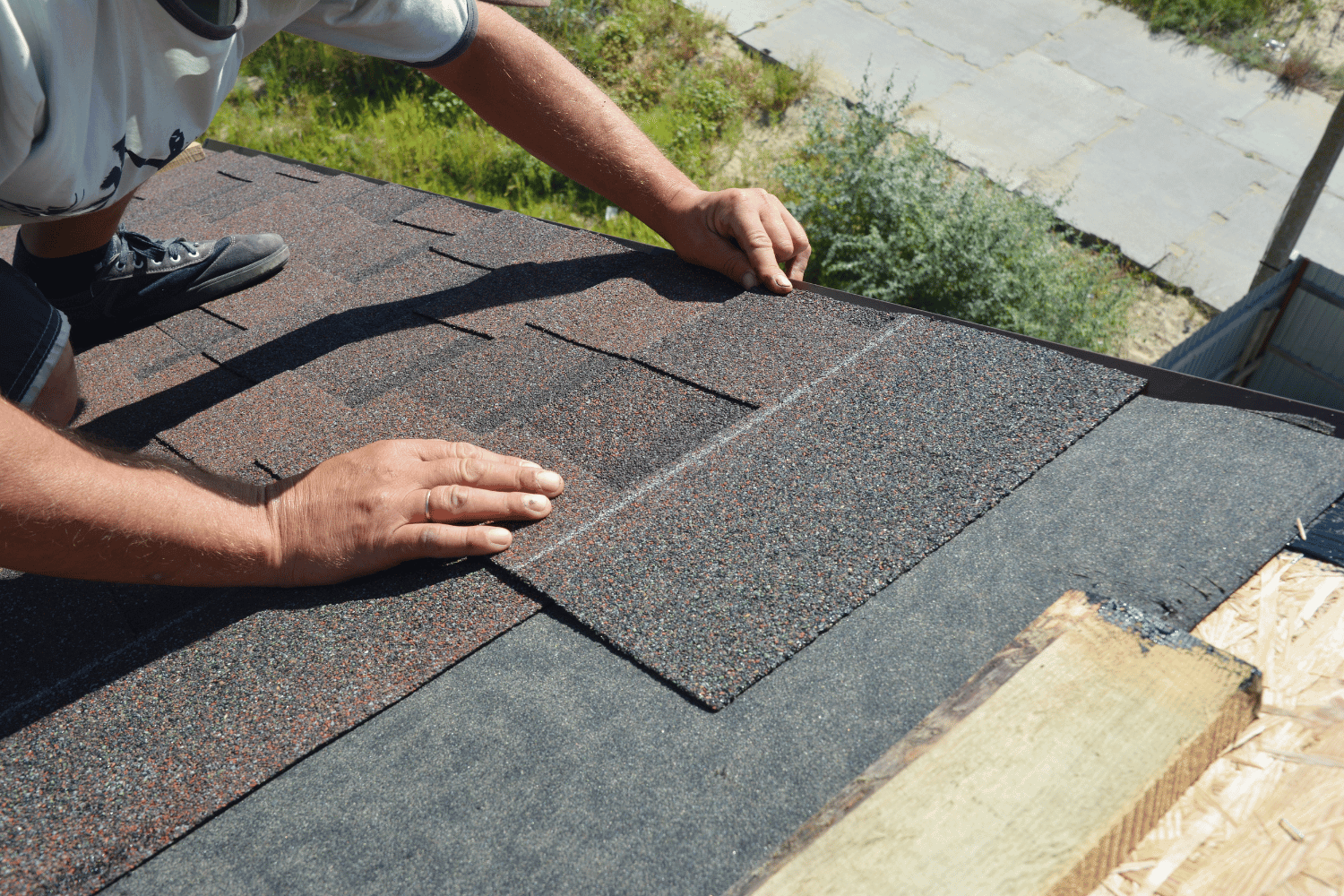
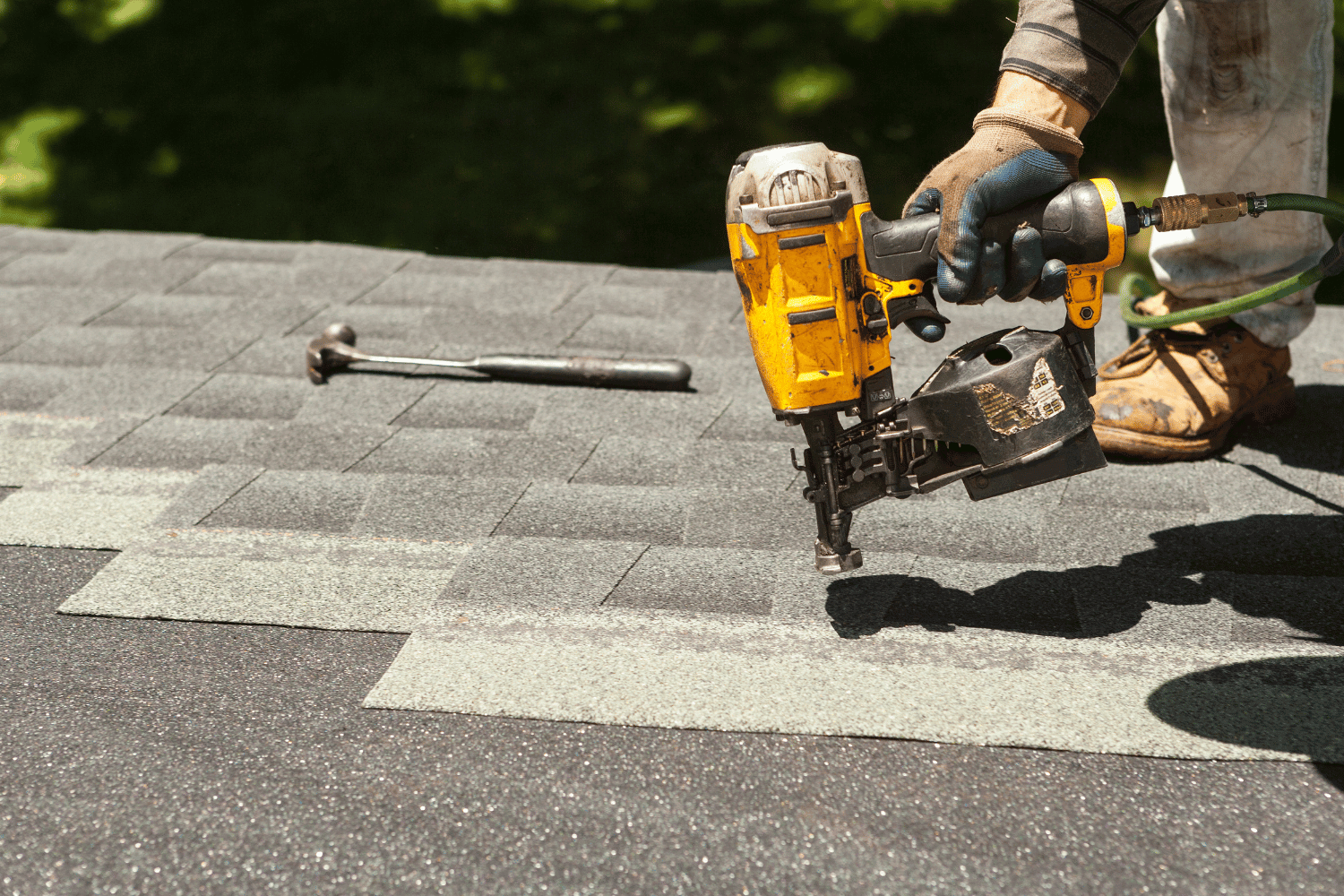
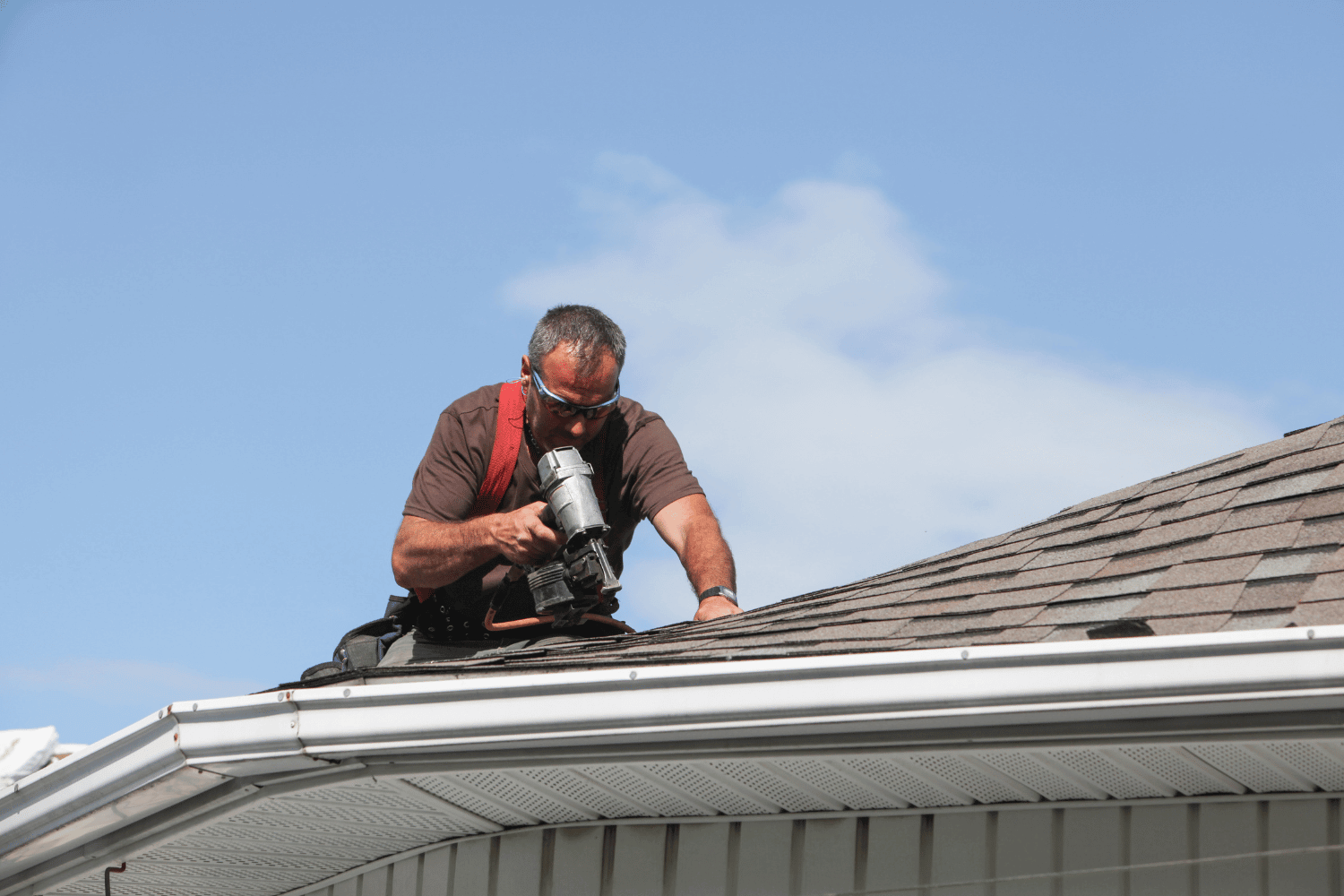
An infographic showing factors that influence roof longevity, such as climate and installation quality.

How Many Years for Roof Replacement: A Complete Guide

How many years for roof replacement? The lifespan of a roof typically ranges from 15 to 100 years, depending on the materials, installation quality, and maintenance practices. In this guide, we’ll explore the expected lifespans of different types of roofs, factors that impact their longevity, and tips to extend their life.

Key Takeaways

  • Roof lifespans vary widely, typically ranging from 15 to 100 years based on material, quality, and maintenance.
  • Regular inspections and proper maintenance are essential to extend a roof’s lifespan and prevent costly repairs.
  • Understanding roof warranties and associated costs helps homeowners make informed decisions regarding roof replacement and maintenance.

Understanding Roof Lifespan

An illustration depicting various types of roofs, including asphalt shingles and metal roofs, highlighting their lifespan.


The lifespan of a roof can vary widely depending on the type of roofing material used, the quality of installation, and the level of maintenance it receives. Generally, a typical roof lasts between 25 to 50 years. However, this range can be significantly impacted by the specific materials and care involved. For instance, investing in high-quality roofing materials and regular maintenance practices can extend your roof’s lifespan, while using low-quality materials can lower it. If you’re wondering how long does a roof last, it’s essential to consider these factors.

Before:

Different types of roofs have varying lifespans. Asphalt shingles, metal roofs, slate roofs, and wood shingles each offer unique benefits and longevity. Understanding these differences can help you choose the best roofing material for your home. Here are the specific lifespans of these common roofing materials.

After:

Different types of roofs have varying lifespans:

  • Asphalt shingles
  • Metal roofs
  • Slate roofs
  • Wood shingles

Each offers unique benefits and longevity. Understanding these differences can help you choose the best roofing material for your home.

Asphalt Shingles

Asphalt shingles are one of the most popular roofing materials due to their affordability and ease of installation. Typically, asphalt shingles last between 15 to 30 years, with the lifespan of your roof heavily influenced by the quality of the shingles and the level of maintenance they receive.

Warmer climates can reduce their lifespan due to increased brittleness, while colder climates can help them last longer. Regular preventative repairs by a professional roofing contractor can also extend the life of asphalt shingles.

Metal Roofs

Metal roofs are known for their durability and long lifespan, often outlasting asphalt roofs by a significant margin. With proper maintenance, metal roofs can last between 40 to 70 years or more. This longevity makes them a popular choice for homeowners looking for a long-term roofing solution.

To achieve their full lifespan potential, metal roofs require consistent inspections and maintenance.

Slate Roofs

Slate roofs are renowned for their exceptional longevity, making them one of the most durable roofing options available. Under ideal conditions, a slate roof can last between 75 to 100 years. However, the durability of slate roofs can be significantly affected by climate and sun exposure.

Maximizing the lifespan of a slate roof depends on proper installation and maintenance.

Wood Shingles and Shakes

Wood shingles and shakes offer a natural and aesthetically pleasing roofing option, with a typical lifespan ranging from 20 to 40 years. The lifespan of your roof can be significantly prolonged with proper maintenance and care. However, environmental factors such as humidity or dryness can affect the durability of wood shingles.

To ensure wood shingles and shakes last as long as possible, regular maintenance and inspections are key.

Factors Influencing Roof Longevity

An infographic showing factors that influence roof longevity, such as climate and installation quality.


Several factors can impact the average lifespan of a roof, including the quality of materials, installation practices, and environmental conditions. High-quality roofing materials typically lead to a longer roof lifespan, while low quality roofing materials can significantly lower it. Maximizing your roof’s life expectancy depends on choosing the right materials and ensuring proper installation.

Maintenance practices also play a vital role in extending the lifespan of your roof. Regular inspections and prompt repairs can stop minor issues from escalating into major problems, thus prolonging the roof’s lifespan.

Environmental factors such as climate and weather conditions can also significantly affect how long a roof lasts. Here is a detailed look at these factors that impact.

Climate and Weather Conditions

The local climate and weather conditions can significantly impact a roof’s lifespan. Fluctuating temperatures, extreme storms, heavy rain, and strong winds can cause faster deterioration, especially for less durable materials like asphalt shingles. High temperatures can make asphalt shingles brittle, leading to potential cracking or curling.

Proper attic ventilation helps prevent moisture buildup and reduces the risks of overheating or freezing. Understanding your local climate helps in choosing the appropriate roofing material and maintenance practices.

Installation Quality

The quality of roof installation is crucial for maximizing its lifespan. Professional installation ensures that the roof is properly ventilated and nailed, preventing leaks and early deterioration. Poor installation can void manufacturer warranties and lead to frequent repairs.

Selecting an experienced roofing contractor greatly influences the longevity of your roof.

Maintenance Practices

Regular maintenance is essential for extending the lifespan of your roof. Annual roof inspections can help catch potential issues early, reducing the risk of costly repairs. Timely repairs maintain the roof’s integrity and prevent further damage.

Neglecting regular inspections can result in undetected problems that lead to early roof replacement. Consistent maintenance practices are fundamental to extending your roof’s longevity.

Recognizing When You Need a New Roof

A cartoon showing visible signs of roof damage, indicating when you might need a new roof.


Recognizing the warning signs that indicate you need a new roof is essential for maintaining your home’s integrity. Delaying roof replacement can lead to increased energy bills, water damage, mold, pest infestation, and decreased Home value.

Timely action based on these warning signs you need can prevent further damage and higher costs in the future. Here are the key indicators that it might be time for a roof replacement.

Visible Damage

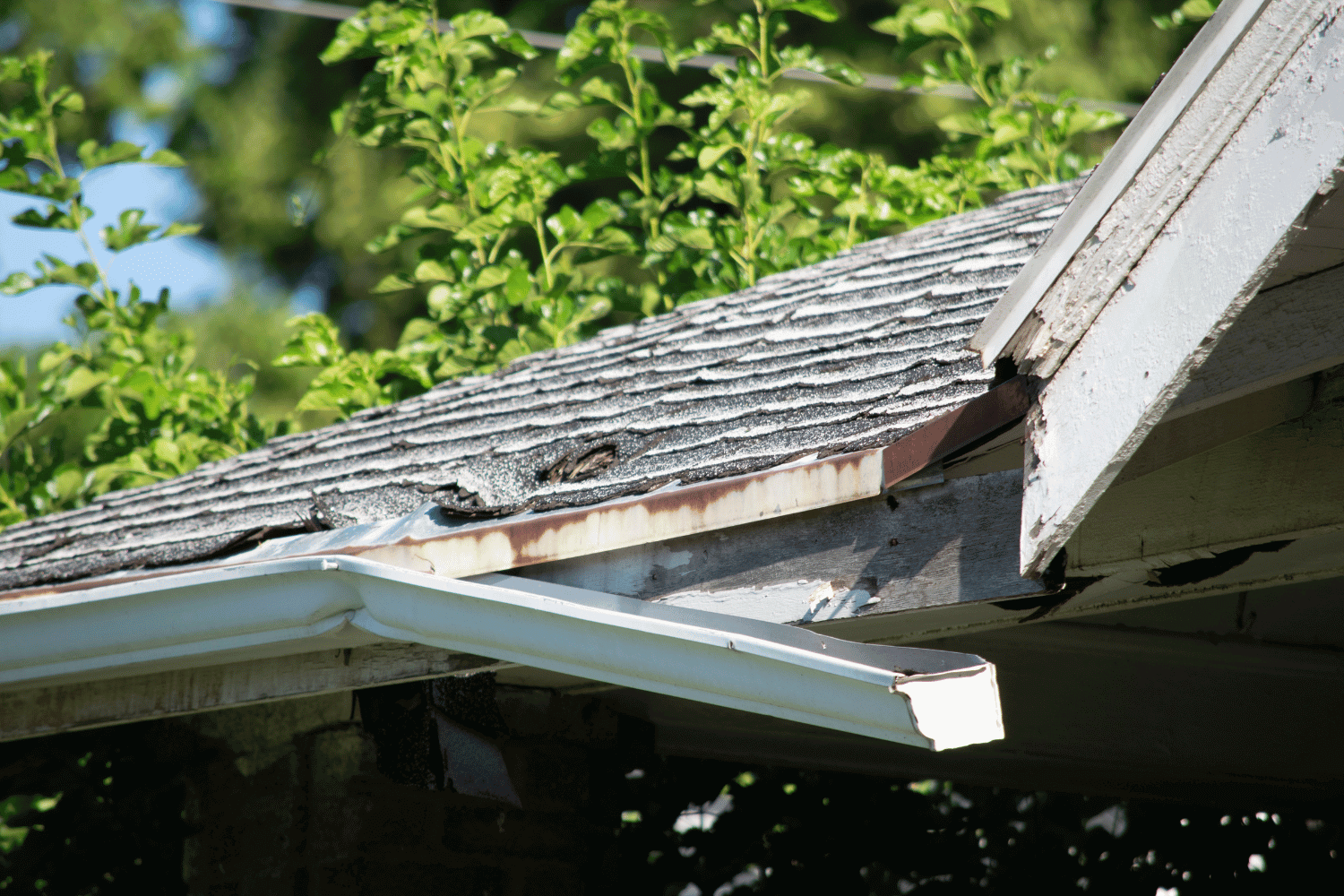
Visible damage to your roof, such as cracks in shingles, bald spots indicating missing granules, and bruised shingles with concave dents, are clear signs that your roof needs attention. These signs indicate significant issues that could lead to more extensive damage if not addressed promptly.

Regular inspections and roof repairs can help you catch these problems early, ensuring your roof remains in good condition.

Leaks and Water Damage

Interior leaks and water stains are often clear signals of underlying roof issues that require urgent attention. Damaged roof flashing can allow water to seep under shingles, leading to significant home infrastructure damage. Addressing roof leaks and water stains promptly is crucial to prevent severe damage to your home’s structure.

Regular inspections can help identify these issues before they escalate.

Age of the Roof

Knowing the age of your roof is essential for planning maintenance and replacements. As your roof approaches the end of its expected lifespan, it’s important to start saving and planning for a replacement. Regular inspections can help you determine when it’s time to consider a new roof, ensuring you are prepared for the investment.

Comparing Roof Warranties and Lifespans

An illustration comparing different roof warranties and their lifespan, emphasizing the importance of warranty coverage.


Homeowners should understand roof warranties as they offer coverage against costly repairs and replacements. Different roofing materials come with varying warranty periods, reflecting differences in durability.

While warranties can affect perceived roof longevity, they do not directly extend the lifespan of roofing materials. Comparing warranties and lifespans can help you make an informed decision when choosing a roofing material.

Warranty Coverage

Basic manufacturer warranties typically cover materials but not workmanship. Some manufacturers offer multiple warranty levels, including provisions for workmanship and material defects. Submitting a warranty claim often results in prorated coverage for material costs, with most warranties including a non-prorated coverage period followed by a prorated phase.

Knowing the details of warranty coverage helps avoid unexpected expenses.

Matching Warranty to Roof Type

Different roofing materials come with varied warranty lengths, reflecting their durability and expected lifespan. Matching the warranty to the type of roof materials you choose ensures you are adequately protected and can maximize your investment.

For example, while asphalt shingles may have shorter warranties, metal and slate roofs often come with longer coverage due to their durability.

How to Extend Your Roof’s Life Expectancy
An illustration showing maintenance practices to extend a roof's life expectancy, including regular inspections.


Extending the lifespan of your roof involves proactive maintenance and regular inspections. Proper maintenance can significantly reduce the need for frequent repairs and extend the life of your roof. Regular maintenance checks and seasonal inspections can detect small issues early, preventing major damage.

Here are effective strategies for extending your roof’s life expectancy.

Regular Inspections

Scheduling annual roof inspections is highly recommended for optimal maintenance. Regular inspections can catch potential issues early, reducing the risk of costly repairs.

A&M Home Services offers complimentary drone inspections, providing a detailed assessment of roof conditions without the need for ladders or scaffolding. Utilizing drone technology enhances safety and provides high-resolution imagery to identify potential issues.

Proper Ventilation

Adequate ventilation is crucial for preventing overheating and condensation issues in the roof’s structure. Proper attic airflow helps prevent moisture buildup and reduces the risk of overheating or freezing, extending the life of your roof.

Proper ventilation can significantly impact a roof’s lifespan.

Cleaning Gutters and Debris

Regularly cleaning gutters and removing debris from the roof surface is essential for preventing water damage. Ensuring gutters are clear allows rainwater to flow freely, protecting your roof from potential leaks and damage.

Identifying issues early through regular cleaning can facilitate repairs that avoid serious deterioration of the roof and underlying structure.

Cost Considerations for Roof Replacement

When considering roof replacement, it’s important to understand the financial aspects involved. The cost of a complete roof replacement typically ranges from $6,700 to $80,000, averaging around $11,500 for an average-sized home. Ignoring roof replacement can lead to structural damage and increased repair costs.

Proactively planning for roof replacement can help you manage these costs effectively.

Average Costs

The average cost for a roof replacement can vary significantly based on materials, labor, and other considerations. On an average home, the roof can be replaced in a day, but in extreme cases, it can take three to five days.

Understanding these costs and timelines can help you plan and budget for your roof replacement.

Budgeting Tips

When budgeting for a roof replacement, considering home equity can be a practical way to finance the project. Getting multiple estimates from different contractors can help you find the best price.

Additionally, timing your roof replacement during periods of low demand and inquiring about discounts for seniors or military personnel can provide cost savings. Considering a roof overlay may also save money by avoiding the expense of removing the old roof.

Schedule a Free Drone Roof Inspection with A&M Home Services

Maintaining your roof’s integrity is crucial, and regular inspections are a key part of this maintenance. A&M Home Services offers a free drone roof inspection, providing a thorough and detailed assessment of your roof’s condition without the need for ladders or scaffolding. This service is available for homeowners in Northern Indiana and Southern Michigan, making it convenient to schedule and ensure your roof is in top shape. Utilizing drones for inspections enhances safety and provides high-resolution imagery to identify potential issues early.

A&M Home Services is committed to exceptional customer service and ensuring the job is done right the first time. Our contractors are GAF Master-Elite® Contractors, a certification that underscores our dedication to quality and professionalism. With offices in Plymouth and South Bend, we are always ready to assist with your roofing needs.

Additionally, A&M Home Services gives back to the community by offering a free roof to a member in need each year. Schedule your free drone roof inspection today and take the first step towards maintaining a healthy roof.

Summary

Understanding the lifespan of your roof, the factors that influence its longevity, and recognizing when you need a new roof are crucial for every homeowner. Different roofing materials offer varying lifespans, and factors like climate, installation quality, and maintenance practices can significantly impact how long your roof lasts. Regular inspections and proactive maintenance can extend your roof’s life expectancy, while understanding cost considerations helps in planning for roof replacement. A&M Home Services is here to support you with top-notch services, including free drone inspections to ensure your roof remains in optimal condition. By staying informed and proactive, you can protect your home and investment for years to come.

Frequently Asked Questions

What is the life expectancy of a shingle roof?

The life expectancy of a shingle roof typically ranges from 15 to 30 years, depending on the type of shingles and environmental conditions. Three-tab shingles generally last 15 to 20 years, while architectural shingles can last 20 to 30 years.

How long does a roof typically last?

A roof typically lasts between 15 to 100 years, depending on the material; for instance, asphalt shingles last 15-30 years, while metal and slate roofs can last significantly longer. It’s essential to consider the roofing material to understand the expected lifespan.

What factors impact the lifespan of a roof?

The lifespan of a roof is significantly impacted by the quality of materials, installation practices, local climate, and regular maintenance. Ensuring high-quality materials and professional installation will help maximize your roof’s longevity.

How can I tell if I need a new roof?

You can tell if you need a new roof by looking for visible damage such as cracks or bald spots on shingles, checking for interior leaks and water stains, and considering if your roof has reached the end of its expected lifespan. If you notice these signs, it’s time to consult a professional.

What does a roof warranty typically cover?

A roof warranty typically covers defects in materials and workmanship, with some offering more comprehensive protection. It’s essential to review the specific terms to understand the extent of coverage provided.

An illustration depicting the impact of hail on roofs, showing various roofing materials affected by hail damage.

Top Tips for Identifying Hail Roof Damage

Hail can cause significant hail roof damage, leading to expensive repairs. This guide will help you understand how hail impacts roofs, recognize damage, and decide on next steps.

Key Takeaways

  • Hailstorms can cause significant roof damage, especially to certain materials like asphalt shingles, leading to costly repairs or replacements.
  • Identifying hail damage involves checking both roof-level signs, such as granule loss and bruising, and ground-level signs, like dents in gutters and siding.
  • Professional roof inspections are essential for accurate damage assessment and insurance claims, as they can uncover hidden damage often missed by homeowners.

Understanding Hail and Its Impact on Roofs

An illustration depicting the impact of hail on roofs, showing various roofing materials affected by hail damage.


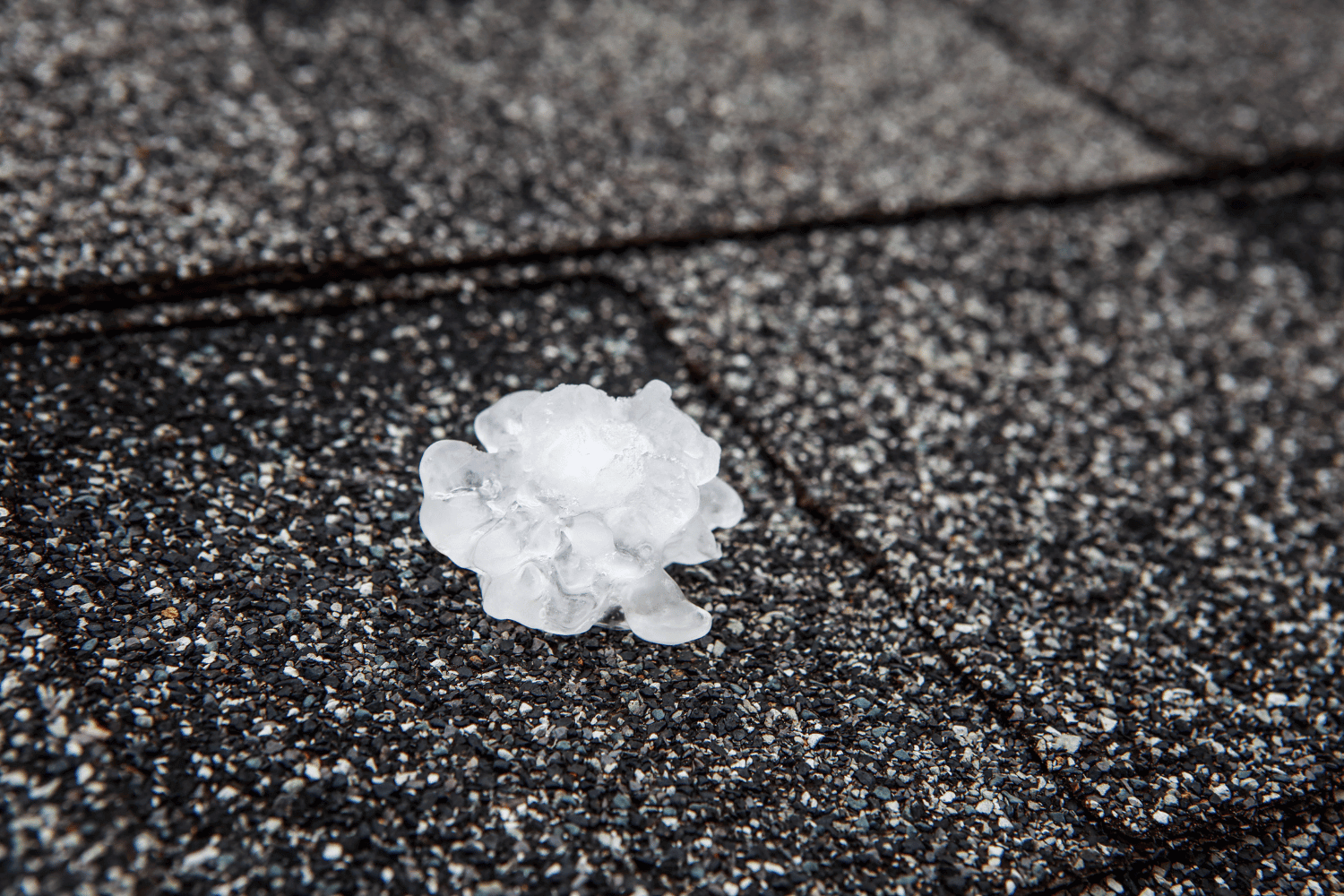
Hail storms are a natural phenomenon that can cause significant damage to roofs, leading to costly repairs and replacements. Hail forms when updrafts in thunderstorms carry water droplets above the freezing level, where they freeze into hailstones. These hailstones can range from as small as 1 inch to as large as 4.83 inches, with larger ones causing more substantial damage. During 2023 alone, there were 6,962 reported hailstorms in the United States, resulting in billions of dollars in roof damage and repair costs.

The prime time for hailstorm activity occurs from May through September, particularly in states like Nebraska, Colorado, and Wyoming. The strength and size of the updraft significantly influence the size and destructiveness of the hailstones, which can have severe implications for different roofing materials.

Homeowners need to understand how hail affects various roofing materials. Different materials react in unique ways to hail, and this knowledge aids in assessing damage and planning repairs or replacements.

What is Hail?

Hail is a form of precipitation that occurs when updrafts in thunderstorms carry water droplets into freezing temperatures, resulting in layered ice formations known as hailstones. These hailstones grow larger as they circulate in the updrafts, moving up and down in cold temperatures, continuously accumulating layers of ice. The size and destructiveness of these hailstones depend on the strength and size of the updraft, with larger hailstones being more destructive.

Hailstones can vary in size from as small as peas to as large as baseballs, with marble-sized hailstones falling at speeds of approximately 20 mph, while baseball-sized hailstones can exceed speeds of 100 mph. The jagged shapes of some hailstones make them particularly destructive.

Frequent small-sized hail can also cause significant roof hail damage, resulting in sustained hail damage on roofing materials.

How Hail Impacts Different Roofing Materials

The impact of hail on different roofing materials varies significantly. For asphalt shingles, hail damage can lead to granule loss, cracks, and compromised seals, particularly when the hail size exceeds 1 inch. The number of shingle layers also affects susceptibility, with second-layer shingles being more vulnerable than the first. Over time, this damage can result in roof leaks and require extensive repairs or even full roof replacement.

Metal roofing, on the other hand, is known for its durability and long lifespan, often lasting between 40-70 years. While metal roofs can sustain dents from hail, they are less likely to be severely damaged by average hail storms. Class 4-rated roofing materials, including impact-resistant shingles, provide the highest resistance to hail impacts, ensuring minimal damage and extending the roof’s lifespan.

Other roofing materials like wood shingles and Thermoplastic Olefin (TPO) roofing also have varying degrees of resistance to hail damage. Impact-resistant shingles, for example, can reduce potential damage from hail strikes by as much as 40%. Knowing the specific vulnerabilities of your roofing material can help in assessing the damage accurately and planning for appropriate repairs.

Identifying Hail Damage on Your Roof

An illustration showing a homeowner inspecting their roof for signs of hail damage after a storm.


Identifying hail damage on your roof is crucial for timely repairs and preventing further deterioration. Hail damage can vary greatly based on factors like hail size, wind speed, roof material, and the roof’s age. Homeowners should look for physical indicators on the roof as well as collateral damage on the ground to identify hail damage accurately.

Many homeowners are unaware of hail damage because it is typically not visible from the ground. Professional inspections can uncover hidden damage that homeowners might overlook, emphasizing the importance of contacting a professional for a roof inspection after a hail storm.

Timely repairs after identifying hail damage prevent further deterioration and protect the home’s overall structure.

Ground-Level Signs of Hail Damage

Ground-level signs of hail damage are often the first indicators that your roof may have sustained damage. Common signs include dents in gutters and downspouts, chipped paint, and damage to window screens. Dents or dings on siding and windowsills can also indicate hail damage.

Homeowners should recognize these ground-level signs to decide if further inspections or repairs are needed. Significant dents and dings on siding or window sills may indicate roof damage. Broken or damaged windows, siding, doors, and general wear on painted surfaces like porches are also indicators.

Roof-Level Signs of Hail Damage

Roof-level signs of hail damage can be more challenging to identify but are crucial for a comprehensive assessment. Indicators include bruised shingles, granule loss, and dents on roof components such as vents and skylights. Homeowners should check for dents in shingles, visible bruising, and the loss of granules while inspecting their roofs for hail damage.

Before:

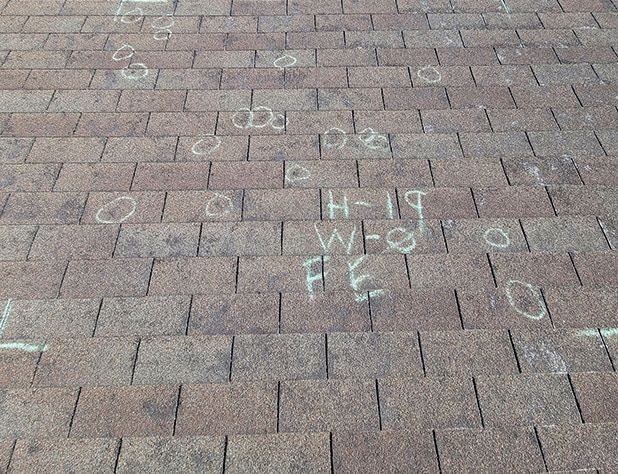
Common indicators of hail damage can also include dents on vents and chipped surfaces that may lead to further issues if not addressed. Noticeable signs of damage like dents on siding or window screens suggest further roof inspection is necessary. Marking any observed hail damage clearly with chalk can help during a professional assessment.

After:

Common indicators of hail damage include:

  • Dents on vents
  • Chipped surfaces that may lead to further issues if not addressed
  • Dents on siding
  • Dents on window screens

Marking any observed hail damage clearly with chalk can help during a professional assessment.

A qualified, trained roof inspector can help homeowners distinguish between functional and cosmetic hail damage, ensuring accurate assessments. This professional perspective is vital for determining the appropriate course of action, whether it be repairs or a full roof replacement.

The Importance of Professional Roof Inspections

Accurate hail damage identification requires professional roof inspections after hailstorms. At A&M Home Services, we stress hiring a professional roofing contractor to assess damage. These inspections help spot hail damage and assist homeowners in securing fair insurance coverage.

Skipping a professional inspection after hail damage can result in improper assessments and potential financial loss. It’s crucial to understand the benefits of professional inspections and the best times to schedule them.

Benefits of Professional Inspections

Professional roof inspectors use specialized tools and techniques to uncover hidden damage that homeowners might not see. A trained inspector can differentiate between serious damage and superficial issues. Selecting an experienced contractor increases the likelihood of getting a thorough inspection and accurate assessment of hail damage.

Detailed reports from professionals increase the chances of securing insurance claims. A professional roofing contractor’s inspection provides a repair estimate for the claim. Coordinating with your insurance company representative and roofing contractor can streamline the claims process.

When to Schedule an Inspection

Homeowners should schedule roof inspections immediately after severe hail events to assess potential damage. Regular bi-annual inspections help identify and address roof issues before hailstorms exacerbate them.

Regular inspections after severe weather identify potential damage before it escalates, saving homeowners from costly repairs and ensuring roof longevity.

Filing an Insurance Claim for Hail Damage

An illustration of a person filing an insurance claim for hail damage to their roof.


Filing an insurance claim for hail damage can be daunting, but understanding your policy and the filing steps eases the process. Most homeowners insurance policies cover hail damage to roofs, though claim validity depends on the adjuster and specific policy.

Homeowners can file a claim for hail damage even after storm season. Knowing your insurance policy specifics and gathering solid evidence of damage are crucial steps.

Understanding Your Insurance Policy

There are two types of insurance policies related to hail damage: Actual Cash Value (ACV) and Replacement Cost Value (RCV). An ACV policy provides a payout based on the depreciated value of a roof, while an RCV policy provides a payout to replace the roof with a new version. The type of policy influences the payout for hail damage and affects the claims process.

Homeowners should understand their insurance policy details, which vary by company and affect the claims process. Solid evidence, like documented shingle damage, is necessary after hail damage.

Steps to File a Claim

To file an insurance claim, homeowners should follow these steps:

  1. Contact their insurance provider to check coverage for repairs or replacement.
  2. Understand that insurance companies typically consider damage if there are 10 or more divots in a 10ft x 10ft area.
  3. Be aware that more than 12 divots often result in a full roof replacement.
  4. Note that most policies allow up to one year to file a claim for hail damage.

A professional roof inspection and detailed damage documentation facilitate the claims process and ensure a fair assessment.

Repairing and Replacing Hail-Damaged Roofs

An illustration showing the process of repairing and replacing a hail-damaged roof.


Repairing or replacing a hail-damaged roof involves several considerations. Roofing professionals often recommend a complete replacement if over 30% of the entire roof is damaged. The decision depends on damage extent, roof age, and other factors.

Choosing the right roofing contractor ensures quality repairs or replacement. A&M Home Services provides exceptional roofing solutions, backed by our GAF Master-Elite® Contractor certification.

Roof Repairs vs. Full Roof Replacement

When deciding between roof repairs and a full roof replacement, several factors come into play.

  1. If over 30% of the roof is damaged, a complete replacement is often recommended by roofing professionals.
  2. The roof’s age is another significant factor; older roofs may require full replacement to ensure long-term durability.
  3. Minor damage typically allows for repairs, which are significantly less expensive than a full replacement.

Hail damage may prompt homeowners to choose between repair or full replacement. The decision depends on damage extent, cost considerations, and long-term implications for the roof’s health and functionality.

Choosing the Right Roofing Contractor

Choosing the right roofing contractor is crucial for ensuring quality repairs or replacements. At A&M Home Services, we pride ourselves on providing exceptional customer service and ensuring the job is done right the first time. As a GAF Master-Elite® Contractor, we meet high standards in roofing services and guarantee top-notch quality.

Homeowners should look for contractors with a solid reputation and experience in hail damage repairs. Reading online reviews and checking Better Business Bureau ratings can help in selecting a reputable roofing contractor.

Our team at A&M Home Services operates in Plymouth and South Bend, Indiana, providing quality roofing solutions to the community.

Preventative Measures Against Hail Damage

An illustration of various preventative measures against hail damage to roofs.


Preventative measures can significantly reduce the risk of hail damage to your roof. Regular inspections can help identify potential issues before they escalate into major, costly repairs. Engaging professionals for roof inspections ensures that even minor issues caused by hail are promptly addressed to prevent costly repairs.

Installing hail-resistant roofing materials is another effective way to protect your roof from hail damage. These materials are designed to withstand the impact of hailstones and can extend the lifespan of your roof, especially in hail-prone areas.

Regular Roof Maintenance

Regular roof maintenance prevents hail damage and maintains roof integrity. Ignoring hail damage can lead to secondary issues like mold growth and leaks. Promptly addressing minor repairs prevents them from worsening and causing significant damage.
Impact-resistant roofing materials can significantly extend the lifespan of a roof in hail-prone areas. Regular inspections and maintenance help in early detection of potential issues, ensuring that your roof remains in good condition and resistant to hail damage.
Installing Hail-Resistant Roofing Materials

Installing hail-resistant roofing materials proactively protects your roof. For instance, UL Class 4-rated metal roofing can withstand hail impacts up to golf-ball-sized hailstones. These materials offer superior durability and financial incentives, as many insurance companies provide premium discounts for UL Class 4-rated roofs.

Metal roofing is also sustainable, as it can be recycled at the end of its service life, making it an environmentally friendly choice. Durable roofing materials are essential to minimize hail damage risks, especially in areas prone to severe weather. A metal roof can provide these benefits effectively.

Summary

In conclusion, understanding and identifying hail damage on your roof is crucial for maintaining the integrity of your home. From ground-level signs like dented gutters to roof-level indicators such as bruised shingles, being vigilant about hail damage can prevent costly repairs and replacements. Professional roof inspections play a vital role in accurately assessing the damage and ensuring fair insurance claims.

Preventative measures, including regular roof maintenance and the installation of hail-resistant materials, are essential for protecting your roof from future hailstorms. By taking proactive steps and choosing the right roofing contractor, homeowners can safeguard their investment and ensure the long-term durability of their roofs. Remember, at A&M Home Services, we are committed to providing exceptional customer service and quality roofing solutions to help you weather any storm.

Frequently Asked Questions

What are common ground-level signs of hail damage?

Common ground-level signs of hail damage are dents in gutters and downspouts, chipped paint, and damage to window screens and siding. These indicators can help you assess the impact on your Home.

How can professional roof inspections help after a hailstorm?

Professional roof inspections after a hailstorm are critical as they identify hidden damage that may not be visible to homeowners, ensuring you receive an accurate assessment of your roof’s condition. This proactive approach can save you from costly repairs down the line.

What types of roofing materials are best for hail resistance?

Metal roofing and Class 4-rated impact-resistant shingles are the best roofing materials for hail resistance due to their durability and ability to withstand hail impacts effectively. Consider these options to protect your home from hail damage.
What steps should I take to file an insurance claim for hail damage?

To successfully file an insurance claim for hail damage, start by contacting your insurance provider to confirm your coverage. Then, document the damage thoroughly and arrange for a professional roof inspection to support your claim.

When should I schedule a roof inspection?

You should schedule a roof inspection immediately after severe hail events and conduct regular bi-annual inspections to identify and address vulnerabilities early. This proactive approach helps ensure your roof remains in good condition and is ready for future storms.

An illustration showing signs that indicate an asphalt shingle roof needs replacement.

Understanding the Lifetime of Asphalt Shingle Roof: What to Expect

Wondering how long a lifetime of asphalt shingle roof lasts? Typically, they last 15 to 30 years. In this article, we’ll discuss the factors affecting their lifespan, types of shingles, and maintenance tips to maximize your roof’s durability.

Key Takeaways

  • Asphalt shingle roofs typically last between 15 to 30 years, influenced by factors such as installation quality, weather conditions, and maintenance practices.
  • There are three main types of asphalt shingles: three-tab, architectural, and premium, each offering different lifespans and benefits.
  • Proper attic ventilation and regular maintenance can significantly extend the lifespan of an asphalt shingle roof and prevent costly repairs.

Understanding the Lifetime of Asphalt Shingle Roof: What to Expect

An illustration depicting the expected lifetime of an asphalt shingle roof.


Asphalt shingles are a popular roofing material due to their affordability and ease of installation. Generally, an asphalt shingle roof is expected to last between 15 to 30 years, depending on the type and quality of the shingles used. However, this asphalt roof’s lifespan can vary significantly based on several factors, including weather conditions, installation quality, and maintenance practices.

For instance, high temperatures in poorly ventilated attics can lead to the deterioration of roofing materials, causing cracked or curled shingles. Likewise, extreme weather conditions such as drastic temperature swings, high UV exposure, and high winds can shorten the lifespan of an asphalt roof. Understanding these factors can help ensure your roof lasts as long as possible.

Introduction

At A&M Home Services, we are dedicated to providing exceptional customer service and ensuring quality work from the moment you receive your free estimate to the completion of your project. We understand the importance of a reliable roof and strive to deliver top-notch roofing solutions to our clients.

Our services go beyond just roofing; we also offer gutter replacement, waterproofing, siding, and other home services, making us your one-stop shop for home improvement needs. As a GAF Master-Elite® Contractor, we adhere to the highest standards in the industry, ensuring that every roofing company we install or roof repair is built to last.

Moreover, we give back to our community by giving away a free roof each year to a community member in need.

Lifespan of Different Types of Asphalt Shingles

A visual comparison of different types of asphalt shingles.


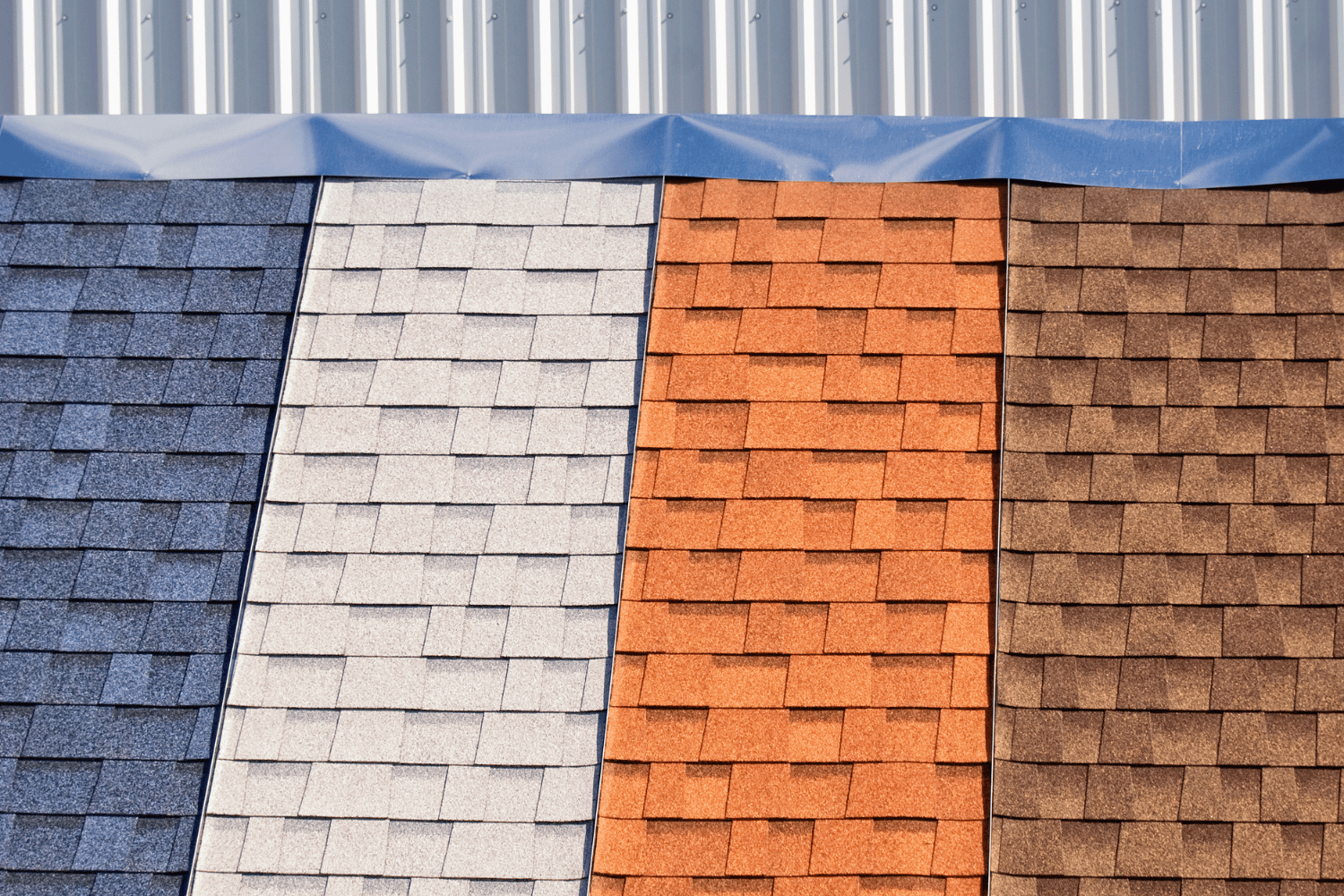
Not all asphalt shingles are created equal. The lifespan of an asphalt shingle roof can vary significantly based on the type of shingles used. In general, asphalt shingles fall into three categories: three-tab shingles, architectural shingles, and premium shingles. Each type offers different benefits and durability levels.

Understanding these differences can help you make an informed decision when choosing the right roofing materials for your home. Each type of shingle has its own expected lifespan, advantages, and potential drawbacks, which are explored in detail below.

Three-Tab Shingles

Three-tab shingles are the most economical option among asphalt shingles, making them a popular choice for budget-conscious homeowners. These shingles typically last between 15 to 20 years, depending on the quality of the installation and the environmental conditions they are exposed to. Despite their shorter lifespan, three-tab shingles offer a straightforward and cost-effective solution for many roofing needs.

However, their lower cost comes with trade-offs. Three-tab shingles are less durable than other types and may not withstand harsh weather conditions as well. Regular maintenance and timely repairs help maximize their lifespan and keep your roof in good condition.

Architectural Shingles

Architectural shingles, also known as dimensional shingles, are designed to provide enhanced durability and aesthetic appeal. These shingles can last up to 25-30 years, offering a significant advantage in terms of longevity compared to three-tab shingles. Their thicker and more robust design allows them to withstand harsher weather conditions, making them a popular choice for homeowners seeking a longer-lasting roofing solution.

Architectural shingles not only offer durability but also add a three-dimensional appearance, enhancing your home’s overall curb appeal. This combination of longevity and visual appeal makes them a worthwhile investment for many homeowners.

Premium Shingles

For those looking for the highest level of durability and performance, premium shingles are the way to go. These shingles can last up to 50 years with proper maintenance, making them one of the longest-lasting asphalt roofing options available. Designed to withstand harsher weather conditions, premium shingles offer superior protection against elements such as high winds and heavy rain.

While premium shingles come at a higher initial cost, their extended lifespan and robust performance can make them a cost-effective choice in the long run. Homeowners looking for a durable and reliable roofing solution often find premium shingles to be a valuable investment.

Key Factors Affecting Asphalt Shingle Roof Longevity

An infographic illustrating key factors affecting asphalt shingle roof longevity.


The longevity of an asphalt shingle roof is influenced by several key factors. Understanding these factors can help you take proactive steps to extend the life of your roof and avoid unnecessary repairs or replacements. The main factors include the quality of installation, weather conditions, and regular maintenance practices.

Each of these elements plays a crucial role in determining how long your roof will last. In the following sub-sections, we’ll explore these factors in detail, providing insights and tips on how to maximize the lifespan of your asphalt shingle roof.

Installation Quality

Proper installation is crucial for the longevity of an asphalt shingle roof. A professionally installed roof minimizes the risk of leaks and structural damage, ensuring that your roof can withstand the elements for years to come. Conversely, improper installation can lead to a host of problems, including water damage and premature deterioration.

Choosing an experienced roofing contractor who uses high-quality materials is essential for achieving the best results. The slope of your roof also affects its performance; steep roofs shed water and snow more efficiently, reducing the risk of water damage.
Weather Conditions

Weather conditions play a significant role in the lifespan of an asphalt shingle roof. Extreme weather events, such as severe storms, high winds, and drastic temperature changes, can challenge the durability of asphalt shingles. In regions prone to such conditions, it’s essential to choose shingles that are designed to withstand these stresses.

For instance, architectural shingles are better suited for areas with harsh weather, as they offer enhanced durability and resistance to extreme conditions. Regular inspections and maintenance can also help mitigate the impact of weather on your roof shingle.

Maintenance Practices

Regular maintenance is vital for extending the life of your asphalt shingle roof. Conducting routine inspections can help identify minor issues before they escalate into major problems, saving you time and money in the long run. Cleaning the roof to remove debris and addressing any damage promptly are essential practices for maintaining the integrity of your roof.

Proper maintenance also includes ensuring adequate attic ventilation and insulation, which can prevent heat and moisture buildup that could damage the shingles. Proactive maintenance can significantly extend the lifespan of your roof.

Importance of Proper Attic Ventilation

Proper attic ventilation is crucial for the longevity of your roof. It helps prevent heat and moisture from accumulating, which can lead to various issues such as cracked shingles, adhesive deterioration, and mold growth. Signs of poor attic ventilation include hot upstairs rooms, ice damming in winter, and visible mold growth.

Proper ventilation also helps reduce energy costs by maintaining a consistent temperature in your home. This, in turn, can make your HVAC system work more efficiently, further enhancing the overall comfort and energy efficiency of your home.

Signs Your Asphalt Shingle Roof Needs Replacement

An illustration showing signs that indicate an asphalt shingle roof needs replacement.


Recognizing the right time for a roof replacement is crucial for maintaining your home’s safety and integrity. Common signs that indicate a roof may need replacement include visible damage such as curled shingle edges, bald spots due to missing granules, and cracked shingles. If your roof is at least 20 years old, it may be time to consider a replacement due to natural wear and tear.

Other indicators include frequent leaks, moss growth, and shingles blowing off the roof. Monitoring these signs and addressing them promptly can help you avoid more significant issues and ensure that your home remains protected.

Comparing Asphalt Shingles to Other Roofing Materials

When choosing roofing materials, it’s essential to consider the lifespan and benefits of each option.

Here are some common roofing materials to consider:

  • Asphalt shingles, while popular and cost-effective, typically have a shorter lifespan compared to other materials.
  • Metal roofs, which are known for their durability and longevity.
  • Clay and slate tiles, which offer a unique aesthetic and can last for many decades.
  • Wood shingles, which provide a natural look but may require more maintenance.

Being aware of these differences enables you to make a more informed decision based on your specific needs and priorities.

The sub-sections below compare asphalt shingles to other common roofing materials, highlighting their respective advantages and disadvantages. This comparison will provide you with a comprehensive view of what each material offers.

Metal Roofs

Metal roofs are known for their exceptional durability and can last 50 years or more when properly installed and maintained. This longevity makes them a more cost-effective option over time compared to asphalt shingles, which typically last between 15 to 30 years. The roof’s lifespan is significantly longer with metal compared to asphalt shingles.

Metal roofs are also resistant to many of the issues that affect asphalt shingles, such as cracking and curling. Their durability and low maintenance requirements make them an attractive option for homeowners looking for a long-term roofing solution.

Clay and Slate Tiles

Clay and slate tiles offer exceptional longevity, with lifespans that can reach up to 150 years in optimal conditions. These materials are renowned for their durability and can significantly outlast asphalt shingles, which typically need replacement every 15 to 30 years.

While the initial cost of clay and slate tiles is higher, their long lifespan can make them a cost-effective choice in the long run. Homeowners seeking a durable and aesthetically pleasing roofing option often find clay and slate tiles to be an excellent investment.

Wood Shingles

Wood shingles are known for their natural beauty and can enhance the curb appeal of a home, making them a popular choice among homeowners. The average lifespan of cedar shake shingles ranges from 20 to 30 years, depending on various factors including maintenance and environmental conditions.

With proper maintenance, wood shingles can last longer, but they generally do not match the longevity of materials like metal or slate. However, their aesthetic appeal and natural look make them a favored choice for many homeowners seeking a unique and attractive roofing solution.

Cost Considerations for Asphalt Shingle Roof Replacement

An illustration depicting cost considerations for asphalt shingle roof replacement.


Replacing an asphalt shingle roof involves various cost considerations. On average, homeowners can expect to spend between $8,500 and $20,500 for a new asphalt shingle roof installation. However, the actual cost can vary based on several factors, including the complexity of the roof structure, local market rates, and the type of shingles selected.

Being aware of these factors can help you budget effectively and make informed decisions about the materials and services for your roof replacement. In the following sub-sections, we’ll provide more detailed cost information and discuss the factors that can influence the overall cost of a roof replacement.

Average Cost of Roof Replacement

The cost range for replacing an asphalt shingle roof typically varies between $6,000 to $13,500. For a standard-sized home, the average cost is about $12,500, while the national average for replacing a roof on a typical 2,000-square-foot house is around $11,500.

These figures provide a general idea of the financial investment required for a roof replacement. It’s essential to obtain detailed estimates from reputable roofing contractors to understand the specific costs for your project.

Factors Influencing Cost

Several factors can influence the overall cost of replacing an asphalt shingle roof. The complexity of the roof structure, including the number of slopes and angles, can significantly impact the cost. Additionally, local market rates and regional pricing variations can result in different costs for similar projects in different areas.

The type of shingles selected also plays a crucial role in determining the final cost. Premium shingles, while more expensive initially, offer extended warranties and longer lifespans, potentially reducing long-term expenses. Considering these factors can help you make a more informed and cost-effective decision for your roof replacement.

Summary

Understanding the lifespan of an asphalt shingle roof and the factors that influence it is crucial for homeowners. Asphalt shingles can last anywhere from 15 to 30 years, depending on the type, installation quality, weather conditions, and maintenance practices. By choosing the right type of shingles—whether three-tab, architectural, or premium—you can ensure that your roof meets your specific needs and budget.

Regular maintenance, proper attic ventilation, and professional installation are key to maximizing the lifespan of your roof. While asphalt shingles offer a cost-effective roofing solution, comparing them to other materials like metal roofs, clay and slate tiles, and wood shingles can help you make an informed decision. Ultimately, investing in the right roofing materials and practices can save you money and provide long-lasting protection for your home.

Frequently Asked Questions

How long does a typical asphalt shingle roof last?

A typical asphalt shingle roof lasts between 15 to 30 years, depending on the shingles’ type and quality. Choosing higher-quality materials can significantly extend this lifespan.

What are the signs that my asphalt shingle roof needs replacement?

If you notice curled shingle edges, bald spots from missing granules, cracked shingles, or frequent leaks, it’s a clear indication that your asphalt shingle roof may need replacement. Don’t ignore moss growth, as it can also signal underlying issues.

How does proper attic ventilation affect the lifespan of my roof?

Proper attic ventilation significantly extends your roof’s lifespan by preventing heat and moisture buildup that can lead to shingle damage, adhesive issues, and mold growth. Maintaining adequate airflow is essential for the overall health of your roofing system.

What factors influence the cost of replacing an asphalt shingle roof?

The cost of replacing an asphalt shingle roof is influenced by the roof’s complexity, local market rates, and the type of shingles chosen. Opting for premium shingles may increase your initial investment but can provide greater longevity and extended warranties.

How do asphalt shingles compare to other roofing materials in terms of lifespan?

Asphalt shingles typically last between 15 to 30 years, which is considerably shorter than metal roofs that can endure for over 50 years, or clay and slate tiles with lifespans of up to 150 years. Thus, if longevity is your priority, you may want to consider alternatives to asphalt shingles.

An illustration showing preventive maintenance tips for roof flashing.

Top Roof Flashing Repair Tips: Simple Steps to Fix Leaks

Is your roof leaking around the chimney or vent? Roof flashing repair can solve this problem by sealing these vulnerable areas against water damage. In this guide, we’ll cover the essential steps and tools you need to repair your roof flashing effectively.

Key Takeaways

  • Roof flashing serves as a protective barrier against water infiltration at vulnerable roof areas, and proper sealing is essential for its effectiveness.
  • Common signs of flashing damage include visible leaks, rust, cracks, and loose sections, which should be addressed promptly to prevent further deterioration.
  • Essential tools and materials for flashing repair include durable metal flashing, and a caulking gun; safety precautions are also crucial during the repair process.

Understanding Roof Flashing

An illustration showing the various types of roof flashing used in construction.


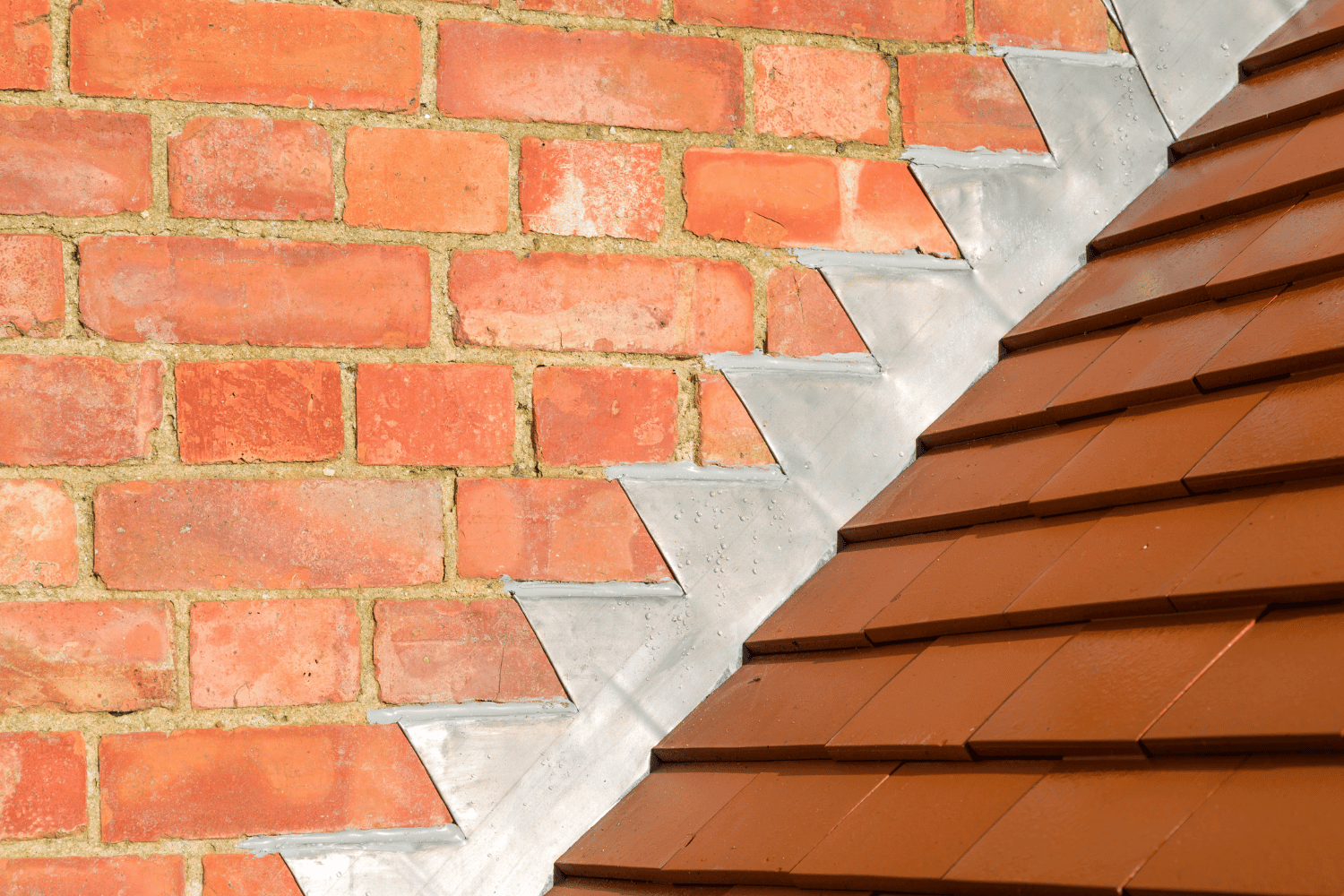
Roof flashing is the protective barrier that seals out water at the weak points on your roof. Its primary purpose is to prevent water infiltration around vulnerable areas such as chimney flashing, vents, and valleys. Without proper flashing, these spots would become prime targets for leaks and water damage.

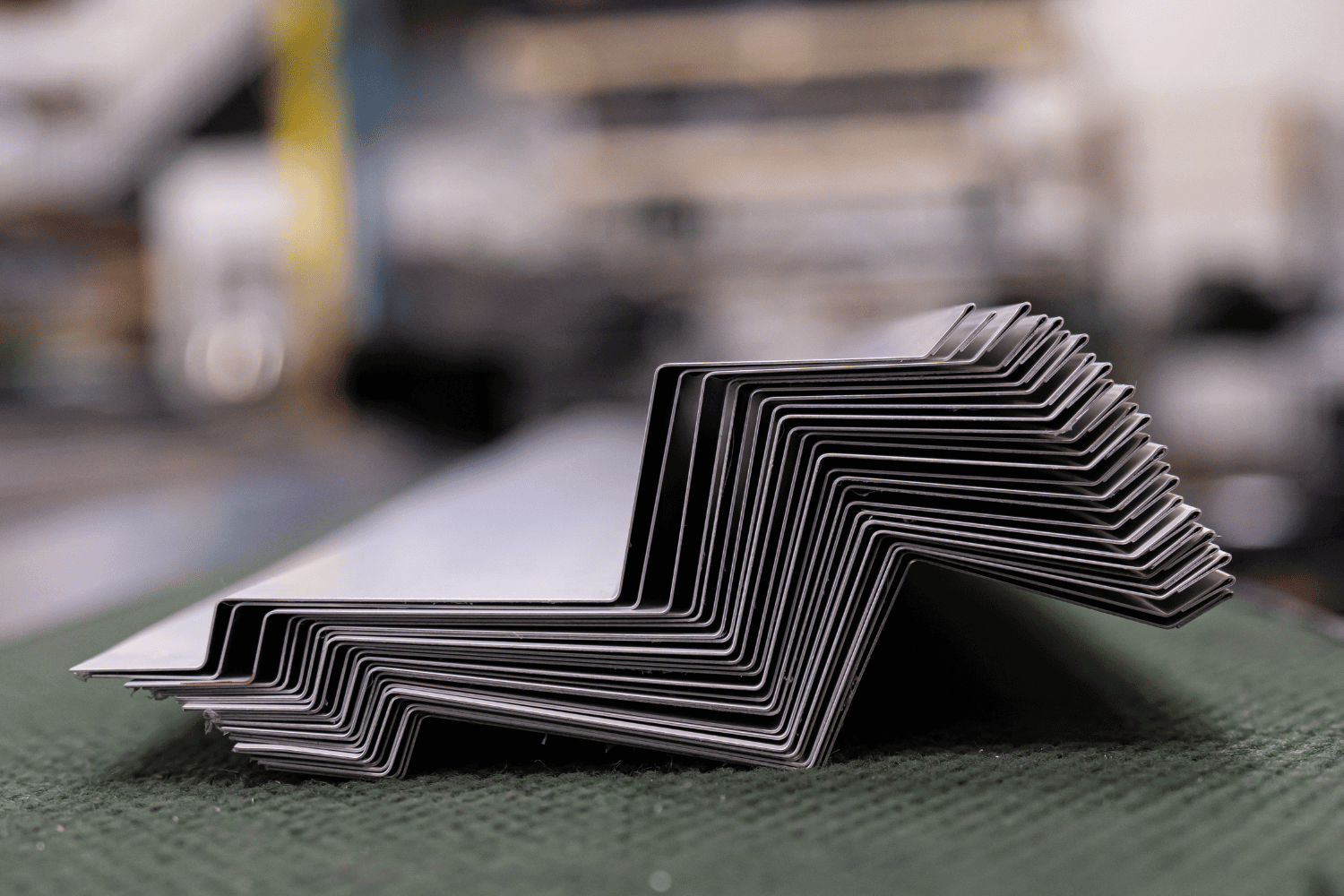
The materials used for roof flashing are typically metal flashing, including aluminum, copper, and galvanized steel. These materials are chosen for their durability and ability to withstand harsh weather conditions. For example, the flashing around a chimney or vent pipe flashing is meticulously installed to ensure that water can’t seep in and cause damage to the roof deck and the underlying structure.

One of the critical aspects of repairing roof flashing is creating a watertight seal. Sealing the edges during a repair is essential to ensure that no water can penetrate the barrier. This process involves ensuring that all edges are securely fastened and sealed, providing a waterproof shield that protects your home from the elements. Additionally, it is important to repair flashing to maintain the integrity of the roof.

Common Signs of Roof Flashing Damage

An illustration depicting common signs of roof flashing damage.


Detecting roof flashing damage early can save you from extensive repairs. Common indicators include visible leaks, rust, cracks, and loose sections of flashing. If you notice any of these signs, it’s crucial to address them promptly to prevent further deterioration.

Corrosion or rust weakens the flashing material, impairing its effectiveness. Rust weakens the metal, making it more prone to cracking and breaking under pressure. This is especially true for older flashing that has been exposed to the elements for a long time. Regular inspections help spot these issues before they become severe.

Water stains on ceilings or walls often indicate roof flashing problems. These stains show that water has penetrated the roof, causing interior damage. Additionally, bending or cracking of the flashing due to temperature changes or building shifts can also signal that it’s time for repairs.

Loose or missing flashing after a strong windstorm is another red flag that should prompt immediate inspection and repair.

Essential Tools and Materials for Roof Flashing Repair

To repair roof flashing effectively, you’ll need a selection of essential tools and materials. Common materials include aluminum, copper, and galvanized steel flashing, each chosen for their durability and resistance to weather elements. These metals provide a sturdy barrier against water and are integral to a successful repair.

Roofing nails are used to secure the flashing in place, preventing it from shifting or coming loose over time.

Step-by-Step Guide to Repairing Roof Flashing

An illustration of a step-by-step guide for repairing roof flashing.


Repairing roof flashing can be a challenging task, but it’s not impossible with the right guidance and tools. This step-by-step guide will walk you through the process, from ensuring safety to sealing the edges and testing for leaks. Whether you’re dealing with minor repairs or more extensive damage, these steps will help you tackle the problem effectively.

Experience in repairing roof flashing helps, but even novices can succeed by following detailed instructions. Having the correct tools and materials is essential for addressing issues like holes or corrosion.

Ensure Safety First

Safety must be the top priority when preparing for roof flashing repair. Before starting any roof repair work, focus on safety. Use a sturdy ladder and wear appropriate protective gear, such as sturdy work boots and safety glasses.

Essential safety equipment includes sturdy ladders and fall protection gear. Evaluate your experience, tools, and safety equipment before undertaking DIY roof repairs. Taking these precautions can prevent accidents and ensure that the repair process goes smoothly.

Inspect and Identify Problem Areas

Identifying areas with damaged roof flashing is a crucial inspection step in the repair process. Begin by carefully examining the roof to locate any damaged flashing sections. Look for signs like small holes, loose sections, and visible rust or cracks.

Assessing the damage extent determines whether you can handle the repairs or need professional help. Homeowners can handle minor repairs, while extensive damage may need a professional roofer’s expertise.

Remove Damaged Flashing

Removing damaged flashing requires essential tools like a putty knife, pry bar, and safety gear. Ensure the area is secure and check for loose shingles or unstable sections before removing flashing.

Gently loosen and remove the damaged flashing with a putty knife, keeping surrounding roofing materials intact. Dispose of old flashing materials properly per local waste management regulations to avoid environmental hazards and replace roof flashing as needed.

Clean the Area

Cleaning involves removing debris, dirt, and old caulking from around the damaged flashing. Carefully remove any old caulking that may interfere with new material adhesion.

Use a wire brush or scraper during the cleaning process. This helps eliminate rust and corrosion. Roughening the area around the flashing ensures proper preparation for new materials.

Measure and Cut New Flashing

Accurate measurement of the area is crucial before installing new flashing. Accurate measurements are essential for cutting the flashing to the right size for secure installation.

Install New Flashing

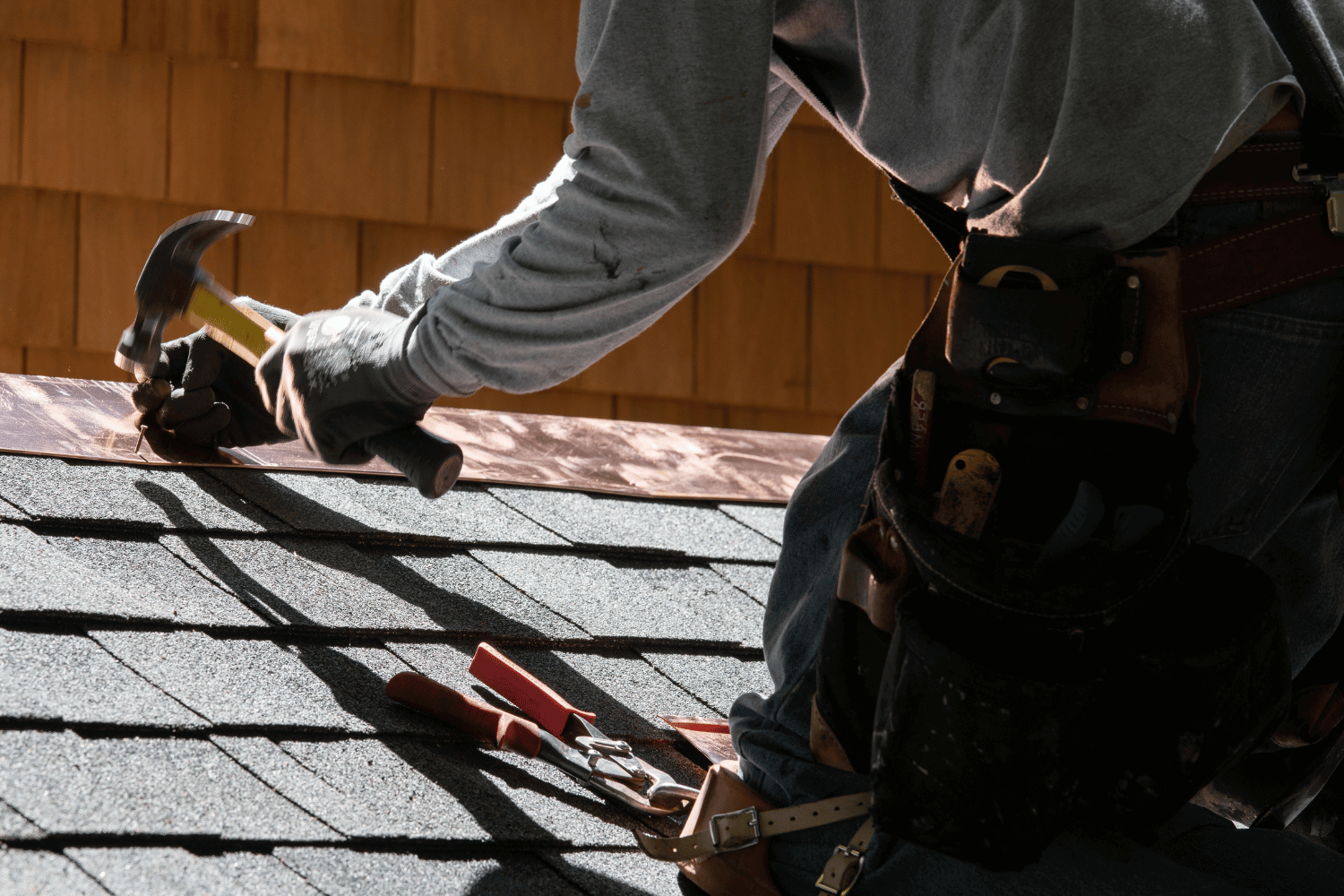
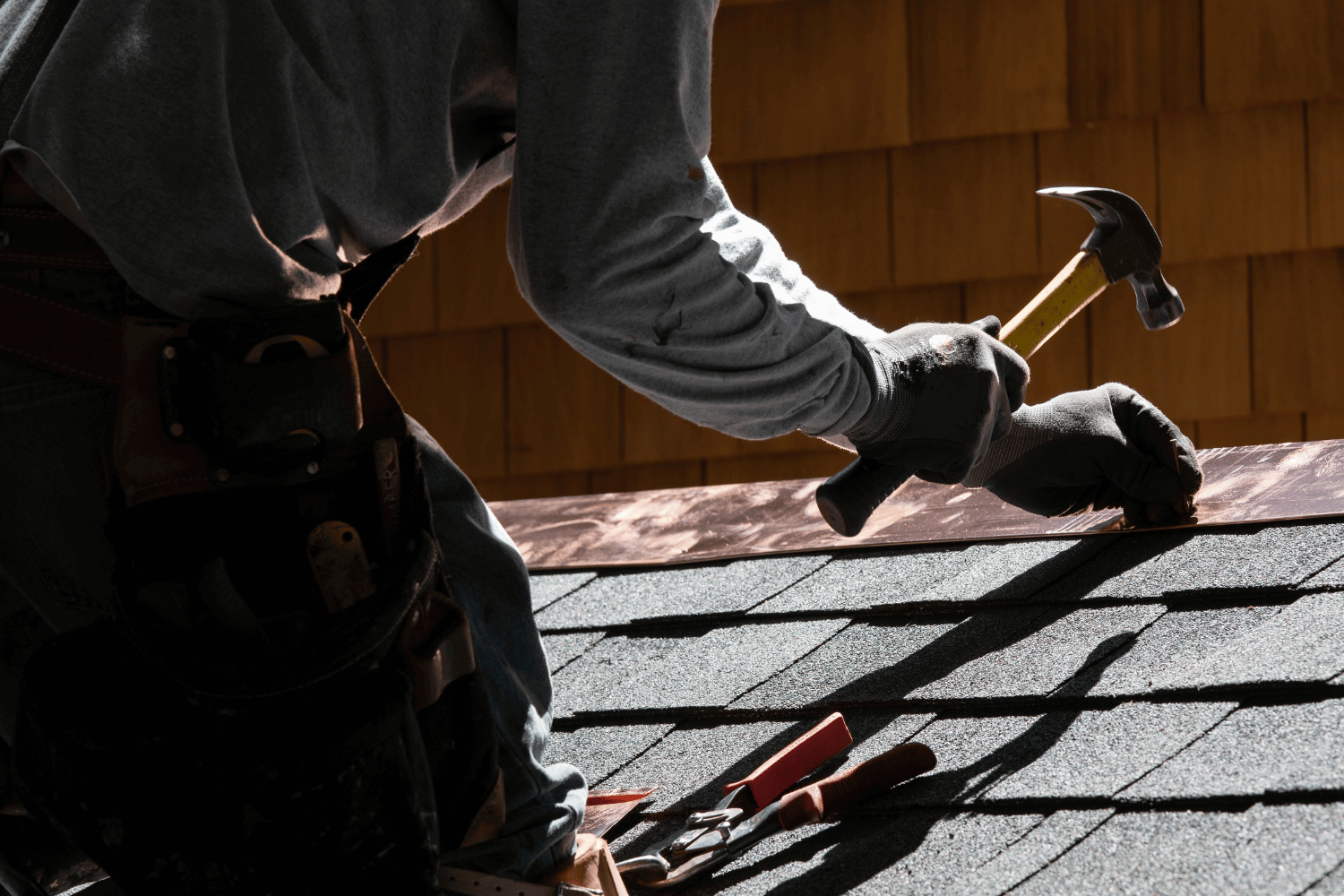
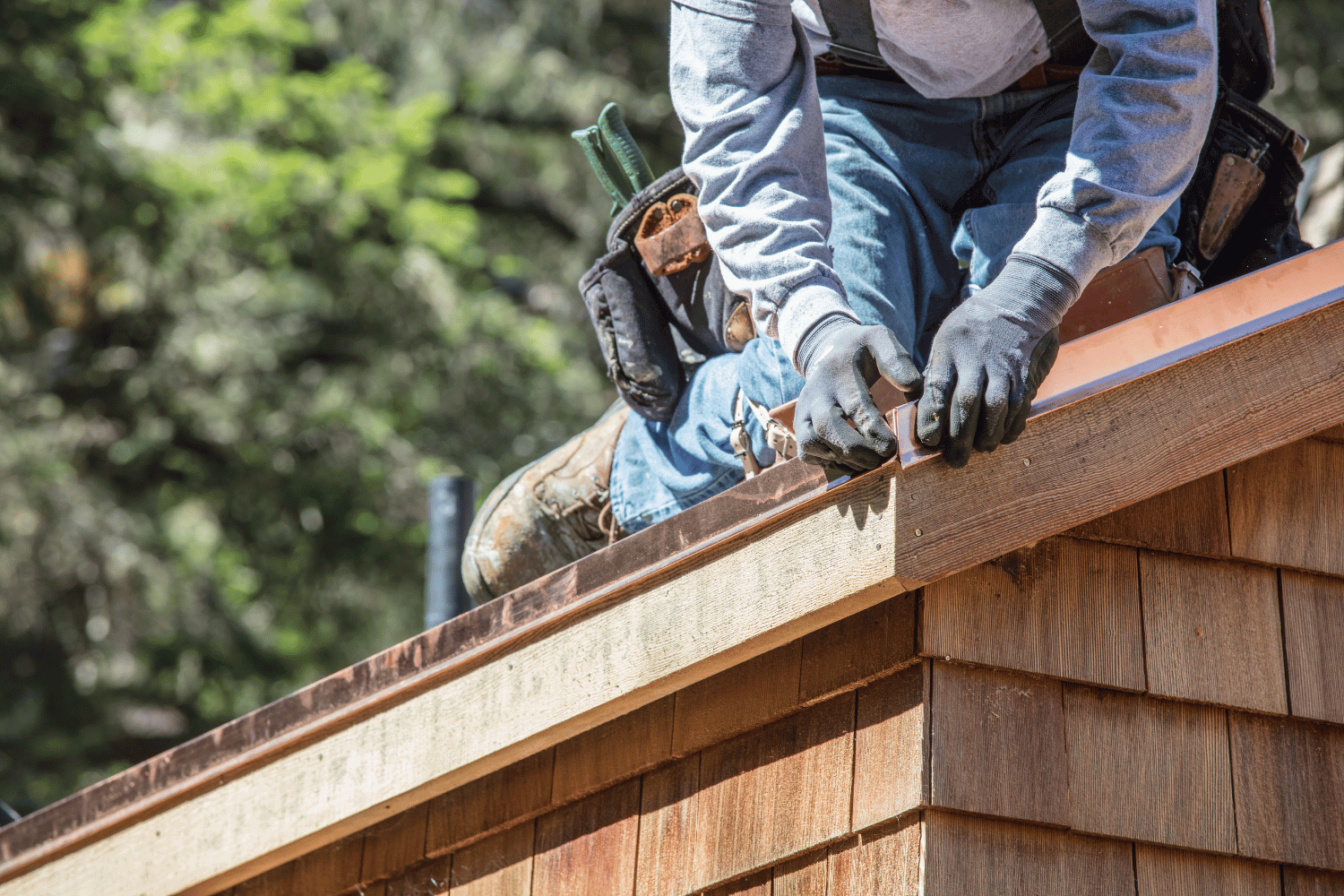
Position new flashing snugly against the roof penetration before securing it. Ensure the new flashing does not obstruct water flow and is properly aligned. Secure the flashing with roofing nails, ensuring it is firmly attached to the roof.

Installing new flashing involves cutting the replacement flashing to size and securing it. This step ensures the flashing fits perfectly and provides a strong barrier against water infiltration.

Seal Edges and Test

After repairs, test for roof leaks by spraying water on the repaired area. This identifies any weak spots where water might still penetrate. Seal all edges with additional for a watertight finish.

A watertight finish prevents future leaks and water damage. Spraying water confirms the repair is effective and identifies any remaining vulnerabilities.

When to Seek Professional Help

Professional assistance ensures proper repairs and avoids further damage. Always seek professional help if you encounter extensive damage, complex roof features, or are uncertain about diagnosing the problem.

Involving professionals can maintain roof warranties, which might be voided by DIY repairs. Homeowners unsure about their ability to perform repairs should consider contacting a local roofing company for assistance.

The Cost of Roof Flashing Repairs

An illustration representing the cost factors of roof flashing repairs.


Repairing roof flashing typically costs between $200 and $500, depending on the extent of the damage and the type of material used. For a complete replacement, the cost can range from $400 to $1,000.

Factors influencing the cost include the severity of the damage and the material chosen for the repair. Extensive repairs or replacements can be upwards of $1,000 or more, making it important to address flashing issues promptly.

Preventive Maintenance Tips for Roof Flashing

An illustration showing preventive maintenance tips for roof flashing.


Proper maintenance of roof flashing ensures home comfort and security. Regular inspection and maintenance preserve the longevity and structural integrity of roof flashing.

Regularly check flashing and roof shingles for loose nails and holes. Clearing organic debris from the roof prevents moisture retention, which can compromise flashing integrity. Trimming nearby tree branches minimizes damage to shingles and flashing during storms.

Summary

In summary, understanding and maintaining roof flashing is crucial for preventing roof leaks and water damage. By following the step-by-step repair guide and keeping up with regular maintenance, you can ensure the longevity and effectiveness of your roof flashing.

Whether you decide to tackle the repairs yourself or seek professional help, the key is to act promptly and prevent minor issues from becoming major problems. Protect your home by staying vigilant and proactive with your roof flashing care.

Frequently Asked Questions

What is the primary purpose of roof flashing?

The primary purpose of roof flashing is to prevent water infiltration at vulnerable areas of the roof, such as chimneys, vent pipes, and valleys. This essential barrier protects your roof from potential water damage.

What are common indicators of roof flashing damage?

Common indicators of roof flashing damage are leaks, rust, cracks, and loose sections of flashing. It is crucial to address these issues promptly to prevent further damage to the roofing system.

What materials are commonly used for roof flashing repairs?

Aluminum, copper, and galvanized steel are commonly used materials for roof flashing repairs. These materials provide durability and resistance to corrosion, ensuring effective protection against water infiltration.

When should I seek professional help for roof flashing repairs?

You should seek professional help for roof flashing repairs if you experience extensive damage or have complex roof features that require expert assessment. Uncertainty in diagnosing the problem is also a valid reason to consult a professional.

How much does it typically cost to repair roof flashing?

Repairing roof flashing usually costs between $200 and $500, while a full replacement may range from $400 to over $1,000. It is important to budget accordingly based on your specific needs.

hail damaged roof plymouth

Roof Damage Claims – South Bend, IN – A&M Home Services

Navigating Roof Repair After Hail Damage in Plymouth and South Bend, Indiana

Storms in Indiana can be unpredictable and sometimes damaging. A sudden hailstorm can significantly damage your home or business, particularly your roof. You need a company specializing in storm damage repair, so A&M Home Services is here to guide you on what to do when you face hail damage on your roof.

Hail Damage – More Than Meets the Eye

Hail damage can range from visible, surface-level damage to more subtle, underlying issues that could lead to severe complications if not addressed quickly. When hailstones hit your roof, they can cause shingles to crack, dent metal roofing materials, or even puncture flat roofing membranes.

While these problems might seem purely cosmetic, they can lead to water infiltration and damage your home or business. A professional hail damage inspection from our team of experts at A&M is a must after a storm to ensure any issues are spotted and fixed.

hail damaged roof plymouth in

Residential and Commercial Roof Repair After A Storm

Whether you need a residential roof repair or commercial roof repair, the process following a hailstorm is similar. The first step is to assess the situation as soon as possible after the storm has passed. Acting quickly is crucial, and safety is paramount – if the storm damage is severe, it’s best to wait for professionals to conduct a thorough inspection. At A&M Home Services, we offer comprehensive storm damage inspections. Our experts will evaluate the state of your roof, identifying any hail damage and assessing the need for repairs.

What To Do After Identifying Hail Damage

If you or a roof inspector have identified hail damage, it’s time to call in the experts for roof repair. At A&M Home Services, our team is equipped to handle both residential roof repair and commercial roof repair, ensuring that your Home is protected from further damage. Our team prioritizes quality and efficiency, ensuring that your roof is back to its best condition in no time. We will work with you to provide a repair solution that suits your needs and budget.

Working With Insurance

Roof repair following hail damage can be a costly endeavor. Most home and business insurance policies cover hail damage, and our team at A&M Home Services are experienced in working with insurance companies. We will guide you through the process, providing all the necessary documentation to streamline your claim.

Why Choose A&M Home Services?

With years of experience in Plymouth, South Bend, and the surrounding areas in northern Indiana, we understand the unique challenges our local weather patterns pose. Our expertise in storm damage repair, hail damage inspection, and both residential and commercial roof repair make us the most trusted roofing contractor in our community.

From hail damage inspections to comprehensive roof repairs, trust A&M Home Services to protect your home or business from the unpredictable Indiana weather. Don’t let a hailstorm rain on your parade; let us solve your roofing problems today. Contact our team by clicking the button below or by calling 574-807-6187.

Contact Us Online

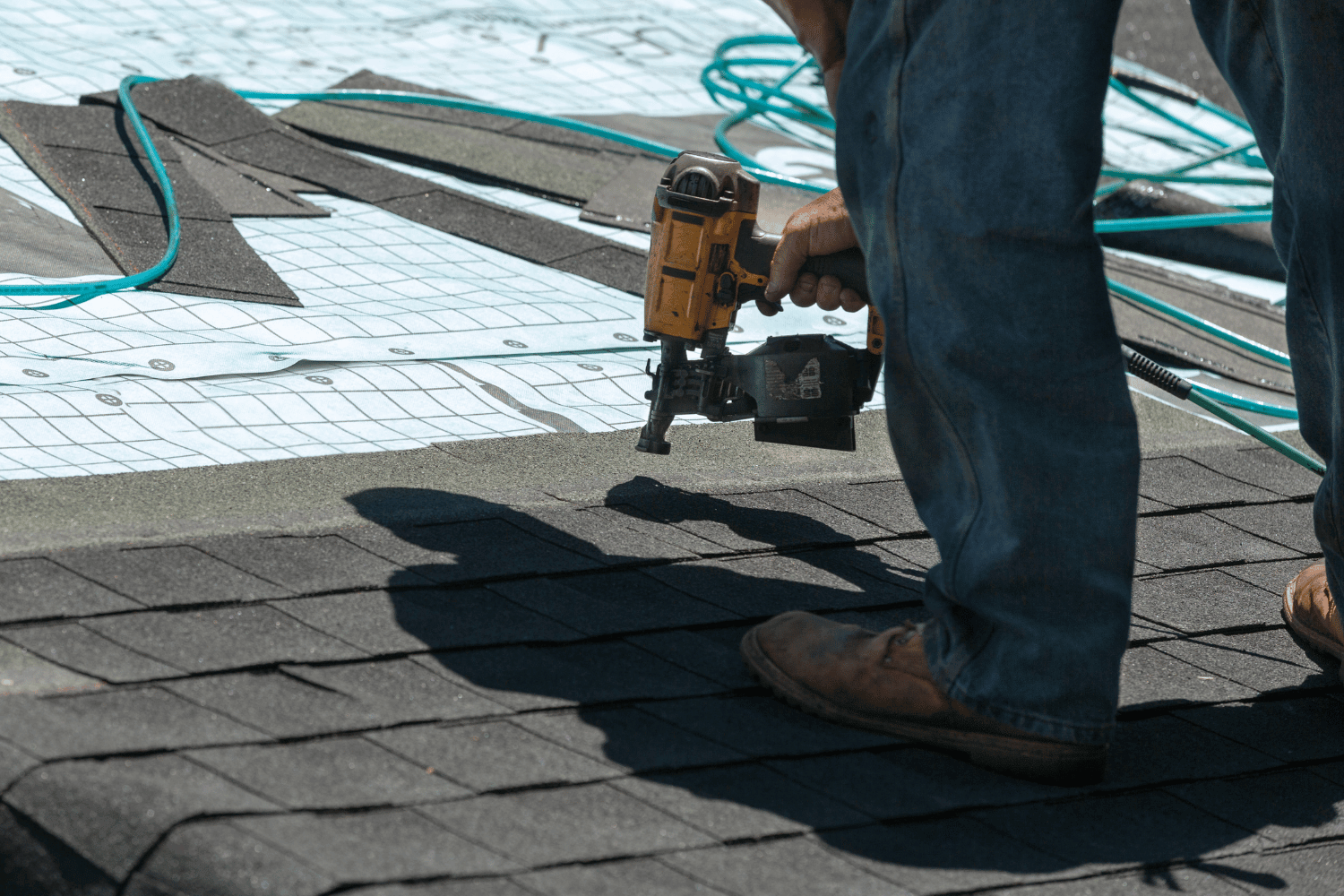
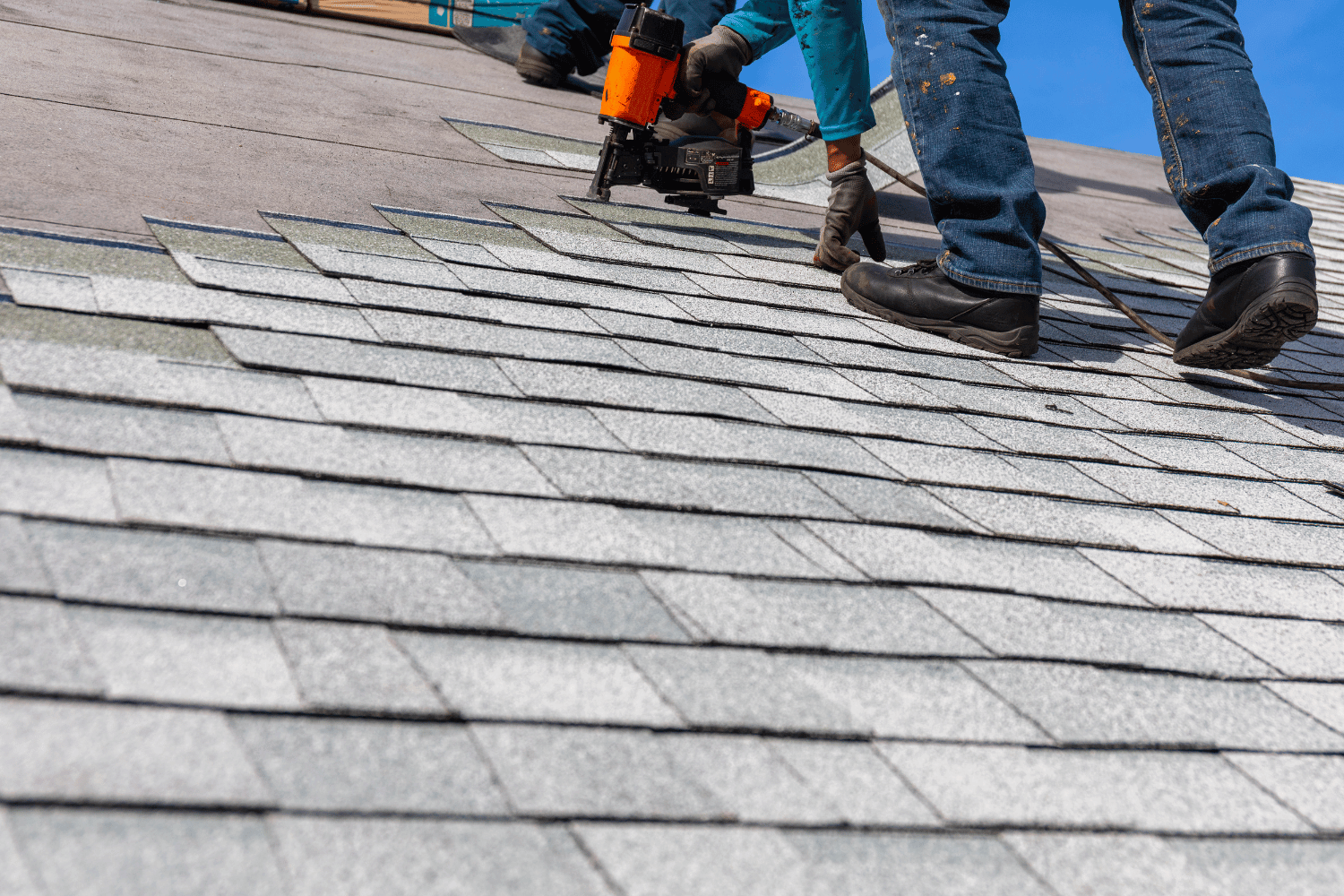
Huge Commercial Shingle Roof Installation

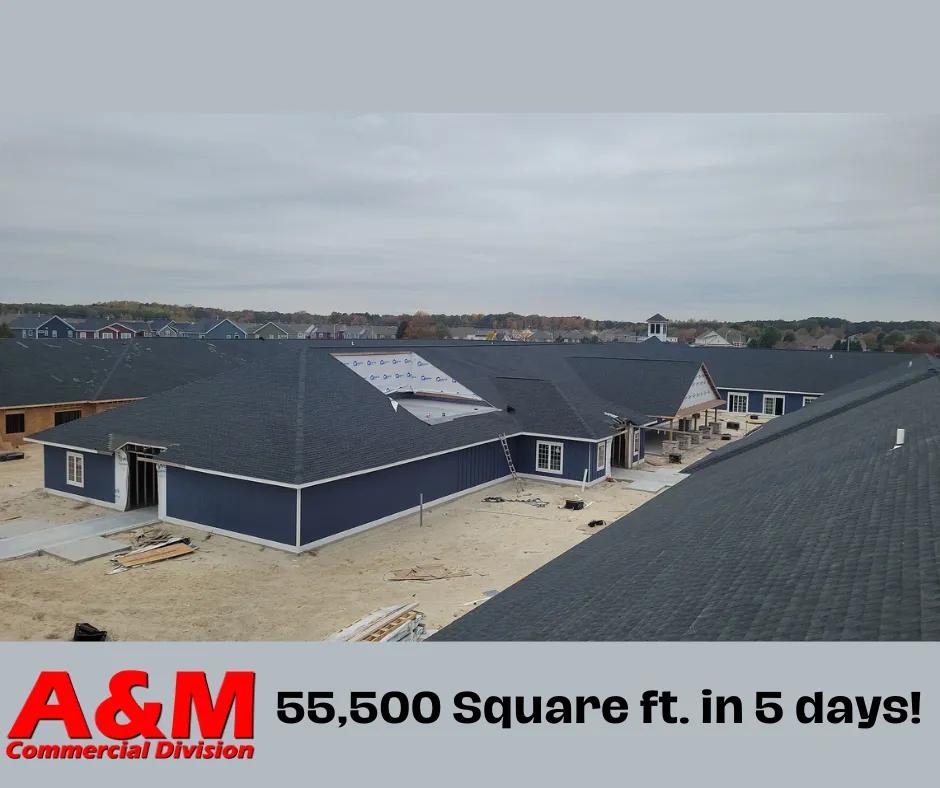
55,500 Square Ft of Top Quality Shingles Installed In Just 5 Days!

55,500 Square Ft of top-quality shingles installed in just 5 days!


Huge Commercial Shingle Roof Installation

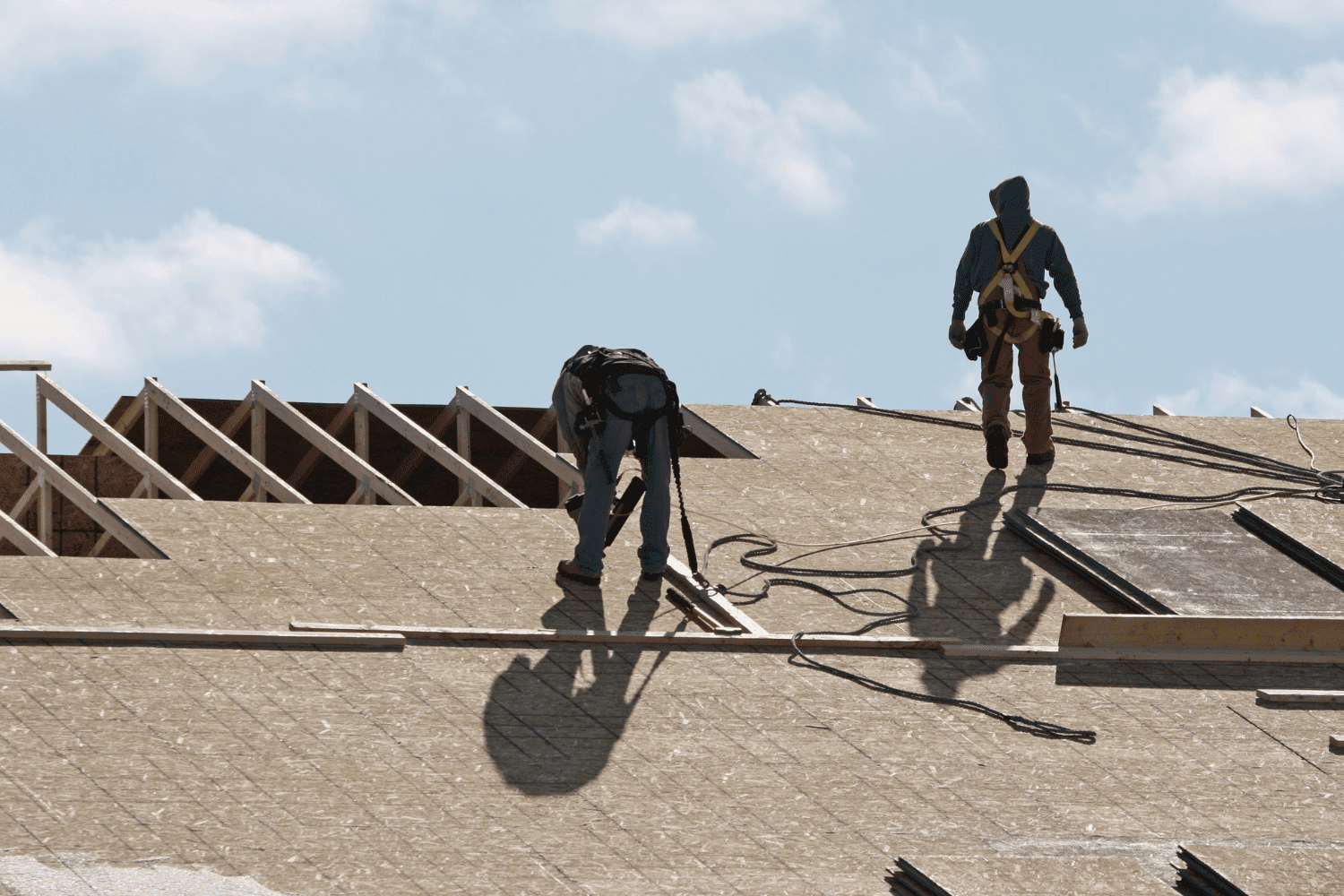
In the world of construction and home improvement, efficiency and quality are paramount. A&M Home Services recently demonstrated these qualities in an impressive display of skill and dedication on a commercial roofing project. In just five days, their experienced crew managed to install a staggering 55,500 square feet of shingles, showcasing not only their technical prowess but also their commitment to delivering excellence.

The Challenge:

Undertaking a commercial roofing project is no small feat, and the A&M Home Services crew was well aware of the challenges that lay ahead. The project required precision, speed, and meticulous attention to detail to ensure that the roofing system would not only meet but exceed industry standards. The client’s expectations were high, and A&M Home Services was determined to not only meet but exceed them.

The Crew:

A&M Home Services boasts a highly skilled and experienced crew, each member bringing a unique set of skills to the table. From seasoned roofing professionals to meticulous project managers, the team was a well-oiled machine ready to tackle the demanding task at hand. Their combined expertise allowed for a seamless collaboration, ensuring that the project timeline was not only met but surpassed.

The Process:

Executing a project of this scale requires careful planning and flawless execution. A&M Home Services began by conducting a thorough assessment of the commercial Home, taking into account factors such as weather conditions, safety protocols, and the specific requirements of the shingle installation. The crew then implemented a strategic plan that optimized their workflow, allowing for maximum efficiency without compromising quality.

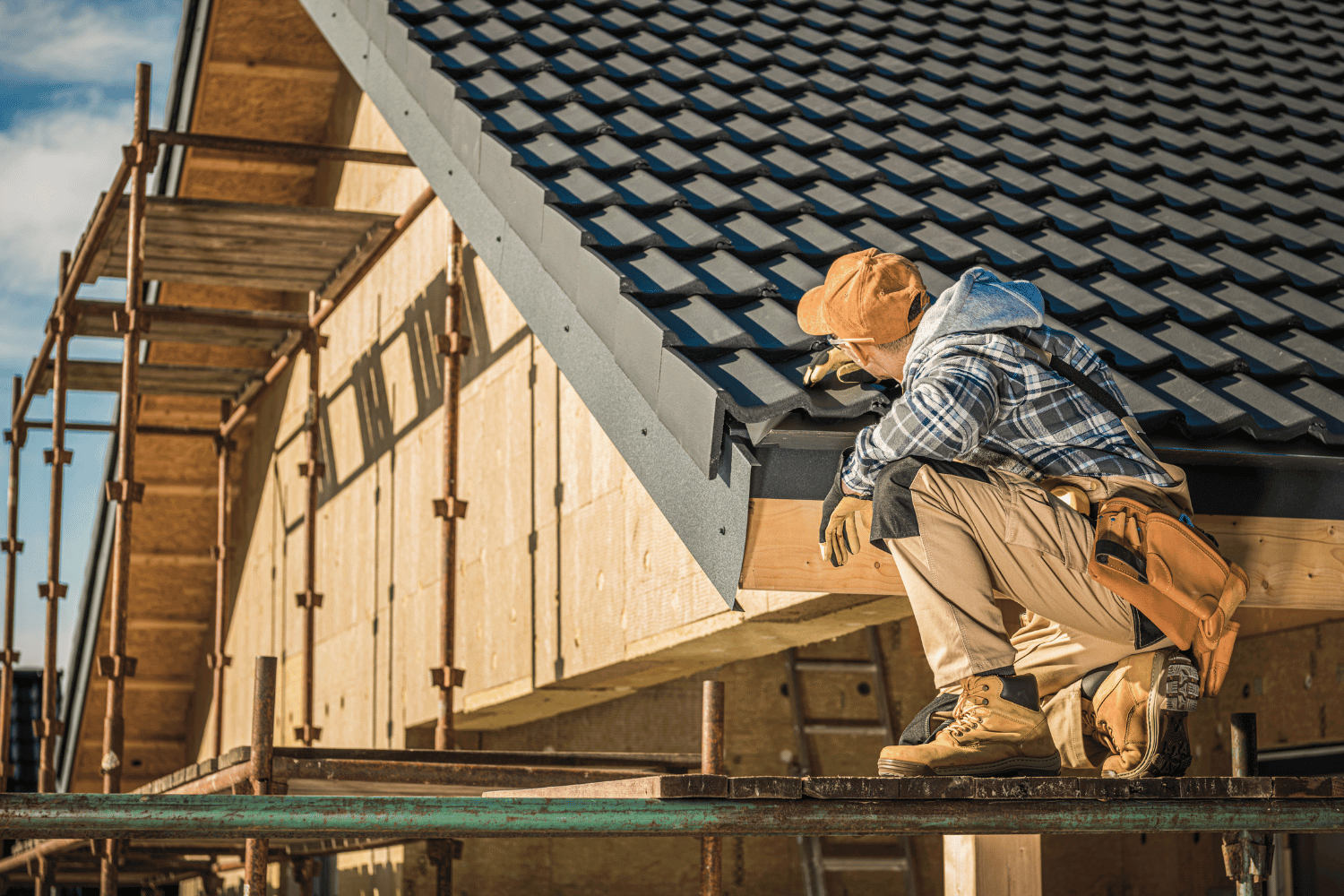
Utilizing state-of-the-art equipment and the latest industry techniques, A&M Home Services approached the project with a commitment to excellence. The crew worked tirelessly, overcoming any obstacles that arose, and maintaining clear communication throughout the process. Their dedication to the project was evident in every nail driven and every shingle laid.

The Result:

At the end of the five-day project, A&M Home Services had not only met but exceeded the client’s expectations. The 55,500 square feet of shingles were flawlessly installed, creating a durable and aesthetically pleasing roofing system. The speed at which the project was completed did not compromise the quality of the workmanship, a testament to the crew’s expertise and commitment to delivering top-notch results.

Conclusion:

A&M Home Services has once again demonstrated why they are a leader in the home improvement industry. Their recent accomplishment of installing 55,500 square feet of shingles in just five days on a commercial project highlights their dedication to excellence, efficiency, and client satisfaction. As they continue to raise the bar for roofing standards, A&M Home Services stands as a shining example of what can be achieved through skill, teamwork, and a commitment to quality.

Huge Commercial Shingle Roof Installation

Stair-Step Cracks In Brick or Block – Foundation Issues?

Stair-Step Cracks In Brick Can Indicate Foundation Issues

Huge Commercial Shingle Roof Installation

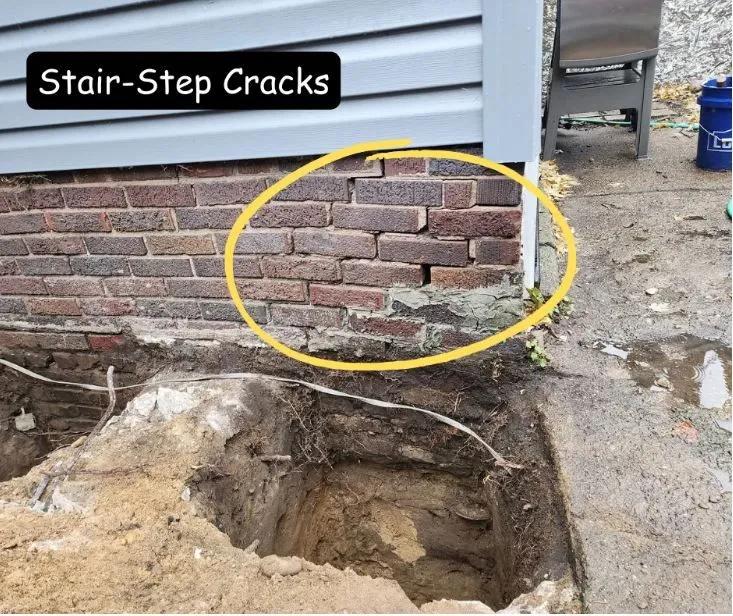
Stair-Step Cracks in Brick or Block Walls Indicate Foundation Issues

As a homeowner, you see things gradually change throughout time and tend to put maintenance off until clear damage takes place. When brick or block walls start to crack it feels common… Then eventually the cracks become more noticeable and eventually become a clear indication of your foundation settling.

The first problem is FEAR of the unknown cost to fix the settling, and the second is who to call to fix the issues. Many times the fear can lead to putting the repairs off until the damage becomes severe.

The great news is that A&M Home Services specializes in settling foundations. Our project estimators do a thorough inspection and perform multiple tests to decide the best course of action. Offering homeowners options to see what best fits their needs and budget. Not every situation has a one size fits all solution and A&M tailors each proposal around the specific set of needs and wants the customer has.

Do you have stair-step cracks?

1. Call A&M Home Services for a free, no-obligation estimate today. 574-855-1050

2. Mark your 🗓️ calendar with your appointment date, and rest assured you will have all the facts very soon.

3. Prepare for peace of mind.

Ice Dams Image

Preventing Ice Dams Through Proper Attic Insulation

Ice Dams Are Preventable With Proper Attic Insulation

Ice Dams Image

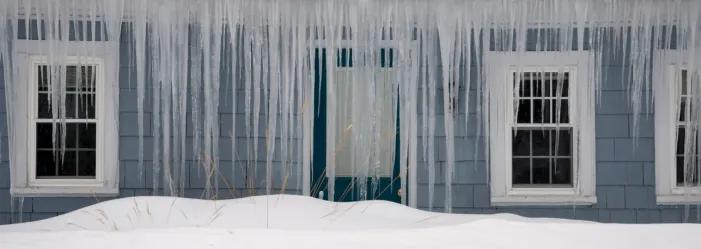
As winter approaches, homeowners often find themselves battling the challenges posed by colder temperatures. One common issue that can arise during the winter months is the formation of ice dams on rooftops. These dams not only pose a threat to the structural integrity of your home but can also lead to costly repairs. Fortunately, A&M Home Services provides a solution to this problem through proper attic insulation.

Understanding Ice Dams

Ice dams occur when heat from the interior of a home escapes through the roof, causing the snow on the rooftop to melt. As this melted snow runs down the roof, it refreezes at the eaves, creating a dam. This dam can trap additional melting snow, leading to water seeping into the home and causing damage to walls, ceilings, and insulation.

The Role of Attic Insulation

Proper attic insulation is a crucial component in preventing the formation of ice dams. A&M Home Services specializes in creating energy-efficient homes by installing high-quality insulation that regulates temperature and prevents heat from escaping through the roof. By maintaining a consistent temperature in the attic, homeowners can reduce the risk of ice dam formation.

Why Choose A&M Home Services

A&M Home Services is a trusted provider of insulation solutions, offering a range of services to ensure your home is well-protected during the winter months. Their team of experts is dedicated to delivering top-notch insulation solutions that not only prevent ice dams but also enhance the overall energy efficiency of your home.

Conclusion

As winter arrives, the importance of proper attic insulation cannot be overstated. A&M Home Services stands as a reliable partner in safeguarding your home from the threat of ice dams. By choosing their expert services, you not only protect your home from potential winter damage but also contribute to a more energy-efficient and comfortable living environment. Invest in the warmth and safety of your home with A&M Home Services today.

gutter

Selecting Gutter Guard | A&M Home Services

Everything You Need To Know About Selecting Gutter Guards for Your Home

gutter 1920w

Choosing the right gutter guards for your home is a crucial decision that can impact the longevity and efficiency of your gutter system. With a plethora of options available in the market, it’s essential to make an informed decision to protect your home from potential water damage. Here’s everything you need to know about selecting the perfect gutter guards for your specific needs.

Understanding Your Home’s Needs

Before diving into the world of gutter guards, take a moment to assess your home’s unique requirements. Consider factors such as the climate in your region, the types of trees surrounding your Home, and the overall design of your roof. These factors will play a significant role in determining the most suitable gutter guard for your home.

Types of Gutter Guards

Most homeowners don’t realize this, but there are different types of gutter guards. Some of the most common include:

Mesh Gutter Guards

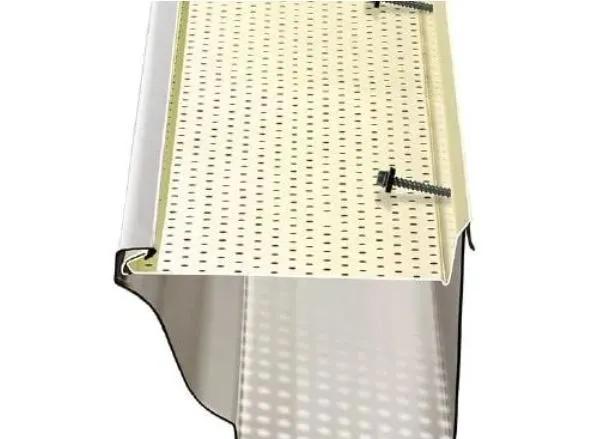
Mesh gutter guards, also known as screen or leaf guards, are a popular choice for homeowners. They consist of a fine mesh that allows water to flow through while preventing debris from entering the gutter. These guards are effective in keeping out leaves, twigs, and other larger particles. A&M Home Services recommends these guards since they require very little maintenance.

Reverse Curve Gutter Guards

Reverse curve gutter guards utilize the principle of surface tension to guide rainwater into the gutter while allowing debris to fall off the edge. While effective in preventing clogs, they may be less suitable for heavy rainfall regions as the water may overshoot the gutter in intense storms. In addition, it may not be cost-effective for homeowners.

Bottle Brush Gutter Guards

Bottle brush gutter guards feature bristle-like brushes that sit inside the gutter, allowing water to flow through while blocking debris. They are particularly useful in preventing the accumulation of leaves and pine needles. Homeowners should still keep a monthly maintenance schedule going if this option is chosen.

Foam Gutter Guards

Foam gutter guards are inserts made of porous polyurethane foam that fits directly into the gutter. They allow water to pass through while preventing debris from entering. Foam guards are easy to install but may require more frequent maintenance. A&M Home Services recommends maintenance of foam gutter guards once a month.

Factors to Consider

As you go about selecting the gutter guards that are ideal for your home, there are many factors to consider. Considering these factors will help you select the guard best suited for your home.

Durability and Material

When selecting gutter guards, prioritize durability. Opt for guards made from high-quality materials such as aluminum or stainless steel to ensure they can withstand harsh weather conditions and the test of time.

Installation Complexity

Consider your DIY skills and the complexity of the installation process. Some gutter guards require professional installation, while others can be easily installed by homeowners. Choose a system that aligns with your comfort level and expertise.

Maintenance Requirements

Different gutter guards come with varying maintenance needs. Some may require periodic cleaning, while others are virtually maintenance-free. Assess your willingness and ability to perform regular upkeep before making a decision.

Cost and Budget

Gutter guard prices can vary significantly. Evaluate your budget and weigh the long-term benefits of each type. While initial costs may differ, consider the potential savings in terms of reduced maintenance and protection against water damage.

Selecting the right gutter guards for your home is a decision that requires careful consideration of your specific needs, the local climate, and the types of foliage surrounding your Home. By understanding the different types of gutter guards available, you can make an informed choice that will safeguard your home from potential water damage.

Invest the time and effort now to choose the best gutter guards for your home, and enjoy the peace of mind that comes with a well-protected gutter system.

There are many benefits to installing gutter guards on your gutters in Northern Indiana. If you’re ready to find the right guards for your gutter system or have them installed, the team at A&M Home Services can help. Call us today to start the process.

damaged

Basement Mold Prevention and Treatment | A&M Home Services

Expert Tips for Preventing and Addressing Basement Mold Issues

Basement Mold Prevention

Mold in the basement is a common yet often overlooked problem in many homes. It not only poses a risk to the structural integrity of your Home but also to the health of its inhabitants. Understanding the causes of basement mold and knowing how to effectively prevent and address it is crucial for maintaining a healthy living environment.

Here is an exploration of expert strategies for tackling mold issues in your basement, ensuring your home remains safe, clean, and comfortable. By addressing mold issues promptly and effectively, homeowners can avoid larger, more costly problems in the future.

Understanding the Causes of Basement Mold

Mold thrives in damp, humid conditions, and basements often provide the perfect environment for mold growth. Poor ventilation, water leaks, and high humidity levels are common culprits. It’s essential to identify the specific causes in your home to effectively combat mold.

Regular inspections for leaks, proper ventilation, and monitoring humidity levels are key steps in mold prevention. Additionally, understanding that certain materials like wood and paper products can exacerbate mold growth is crucial in taking preventive measures.

Ensuring Effective Ventilation: A Key Preventative Measure

One of the most effective ways to prevent mold growth is to ensure your basement has proper ventilation. This helps in reducing moisture levels, a critical factor in mold prevention. Installing exhaust fans, using dehumidifiers, and ensuring that air conditioning units are well-maintained can significantly reduce humidity.

Additionally, opening windows when weather permits can also help circulate fresh air and reduce moisture. Regular checks and maintenance of your HVAC system are also critical in maintaining optimal ventilation.

Managing Humidity with Dehumidifiers

In many cases, simply improving ventilation in your home might not be enough, especially in areas with naturally high humidity. Using a dehumidifier can effectively control the moisture level in your basement. It’s important to regularly check and empty the dehumidifier’s water collection container and to maintain the unit to ensure it operates efficiently.

For larger basements or areas with chronic dampness, investing in a more robust dehumidification system might be necessary. Remember to monitor the humidity levels even in drier seasons, as weather changes can affect indoor moisture levels.

Waterproofing: A Long-Term Solution

Waterproofing your basement is a proactive approach to preventing mold. This can involve both interior and exterior solutions, such as applying waterproof coatings to basement walls, fixing foundation cracks, and ensuring proper drainage around the Home.

These measures not only prevent water from entering your basement but also protect against dampness, which is a prime condition for mold growth. Furthermore, consulting with a professional can provide tailored solutions specific to your home’s needs and the local climate.

Keeping Up With Regular Cleaning and Maintenance

Regular cleaning and maintenance are essential in preventing mold build-up. This includes routinely inspecting for and repairing any leaks, cleaning gutters and downspouts to ensure proper drainage, and promptly addressing any signs of dampness or water damage.

Using mold-resistant products for basement furnishings and decor can also help in keeping mold at bay. A thorough and regular cleaning routine, including vacuuming and wiping down all of the surfaces, can significantly reduce the likelihood of mold growth.

In tackling basement mold, it’s important to act swiftly and decisively. Implementing these expert tips can help you create a mold-free environment, protecting your home’s integrity and your family’s health. Remember, prevention is always better than cure; regular maintenance and vigilance are your best tools in the fight against basement mold.

A proactive approach to mold prevention not only safeguards your home but also ensures a healthier living environment for you and your family. Contact our helpful team to find out more.