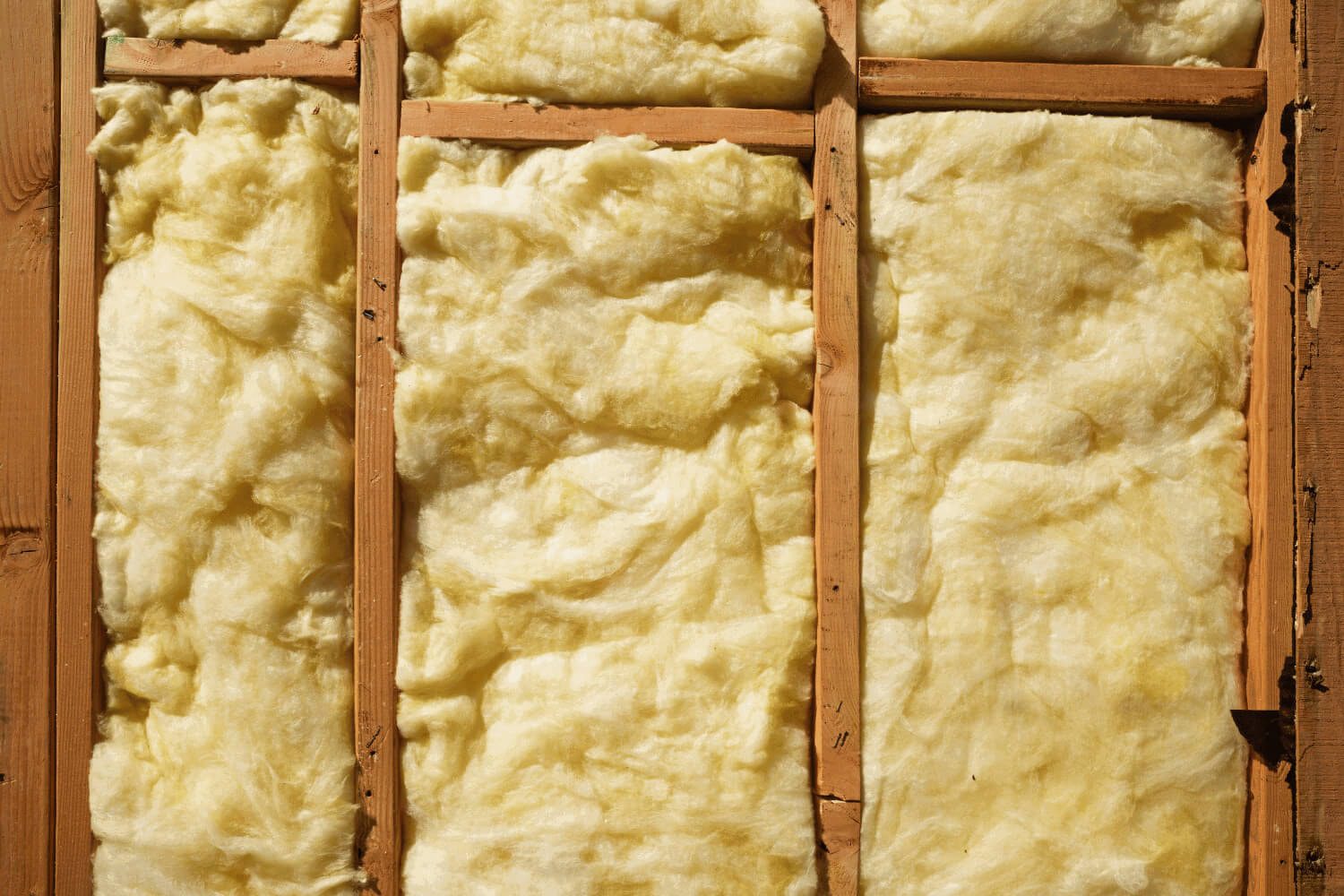
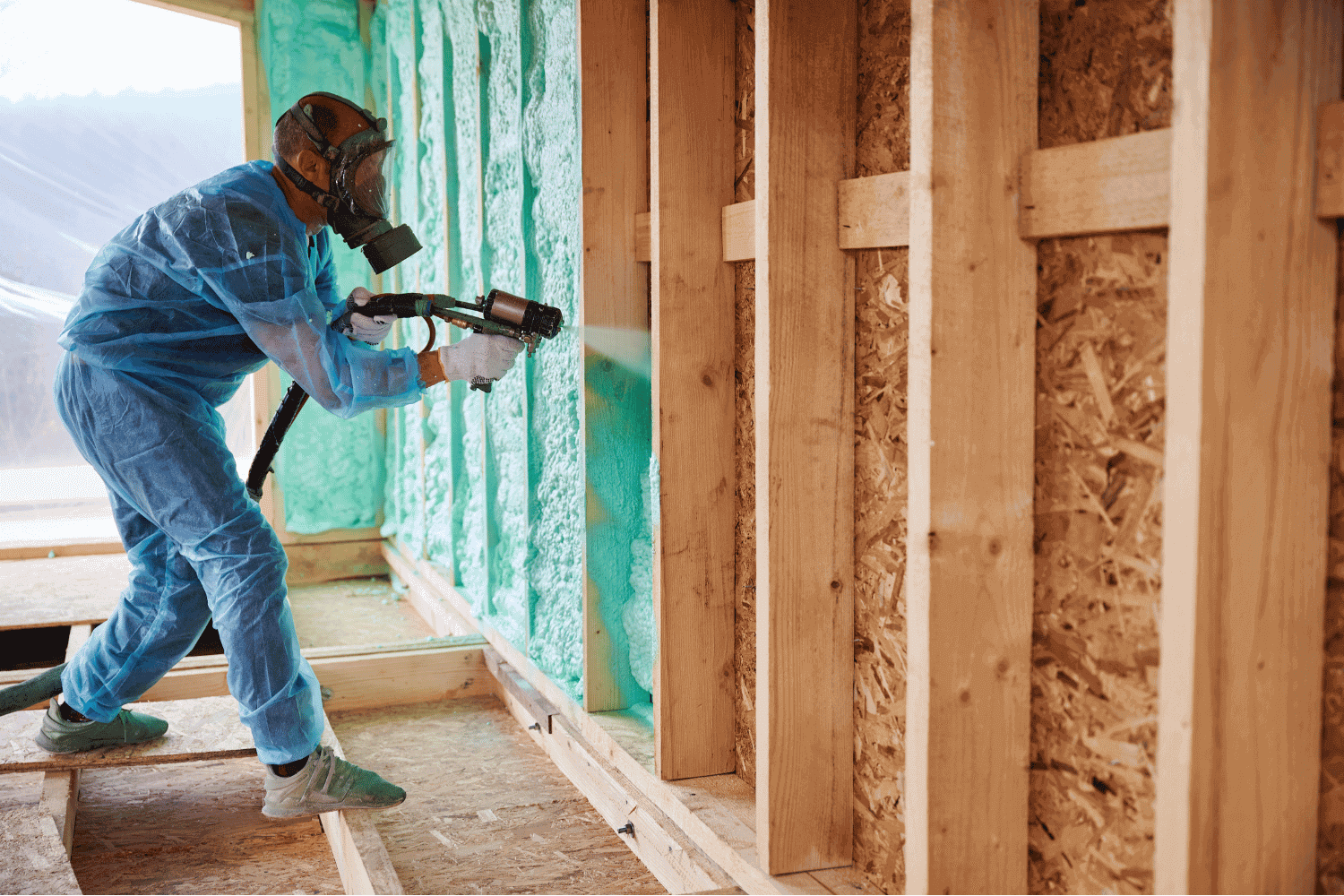
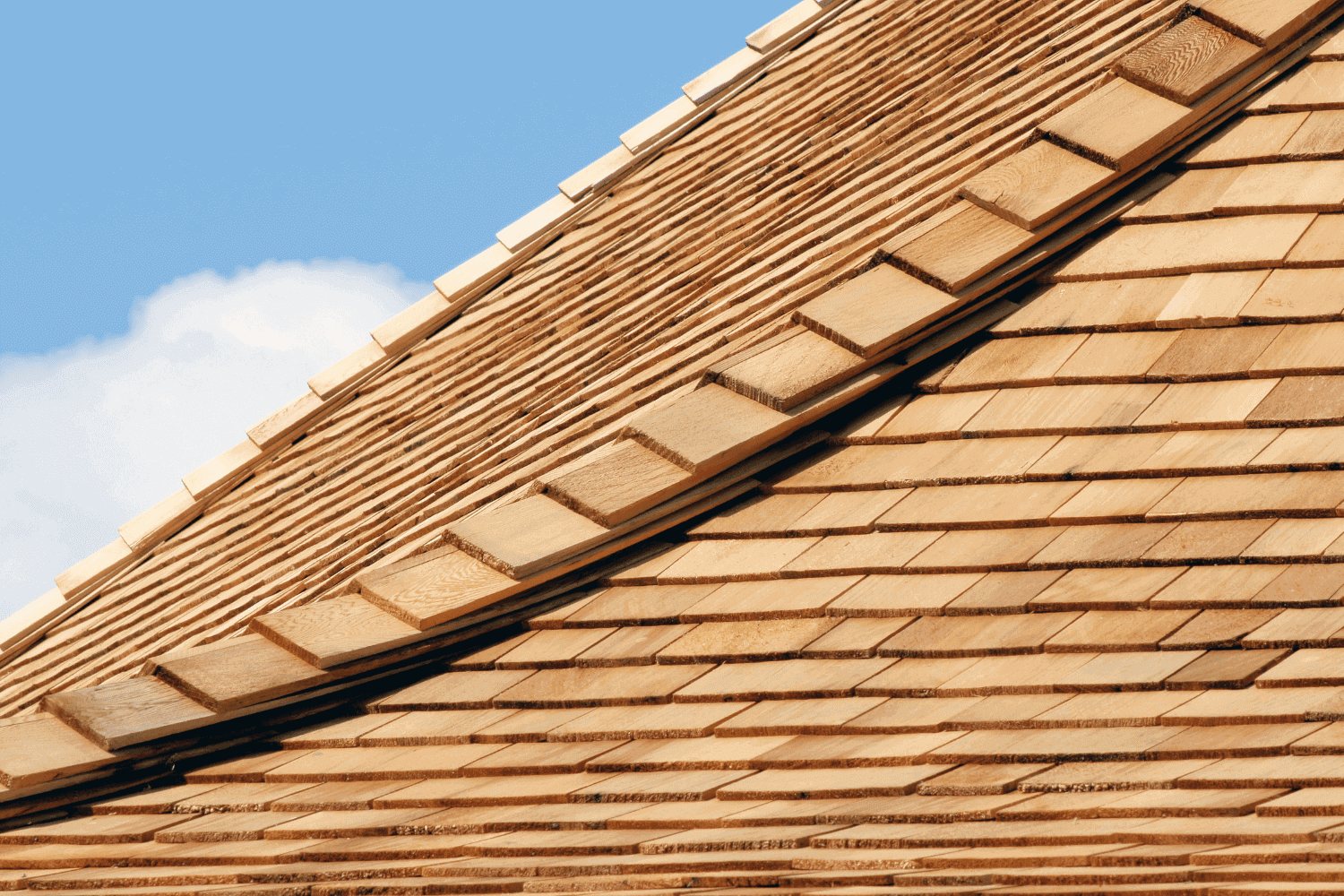
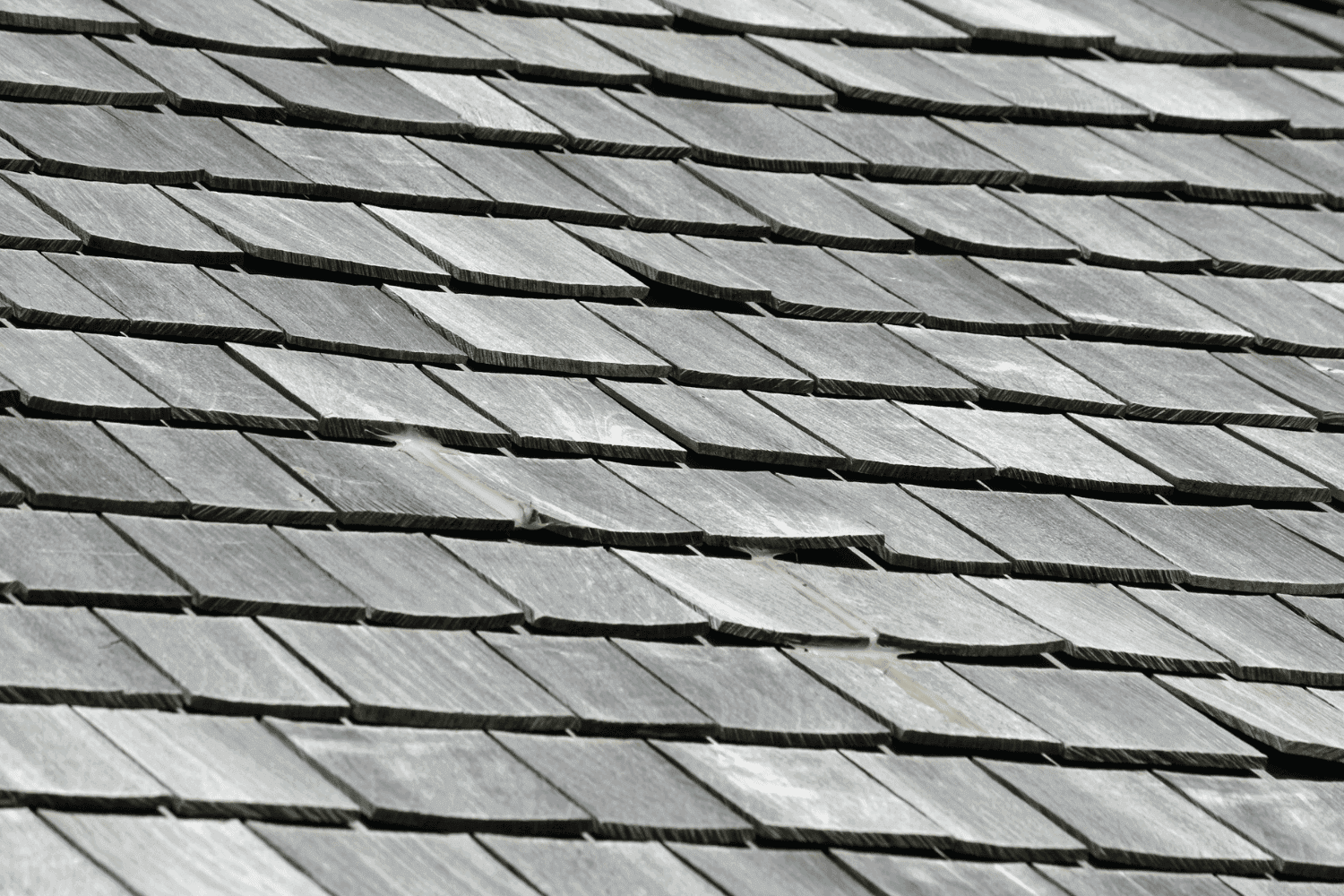
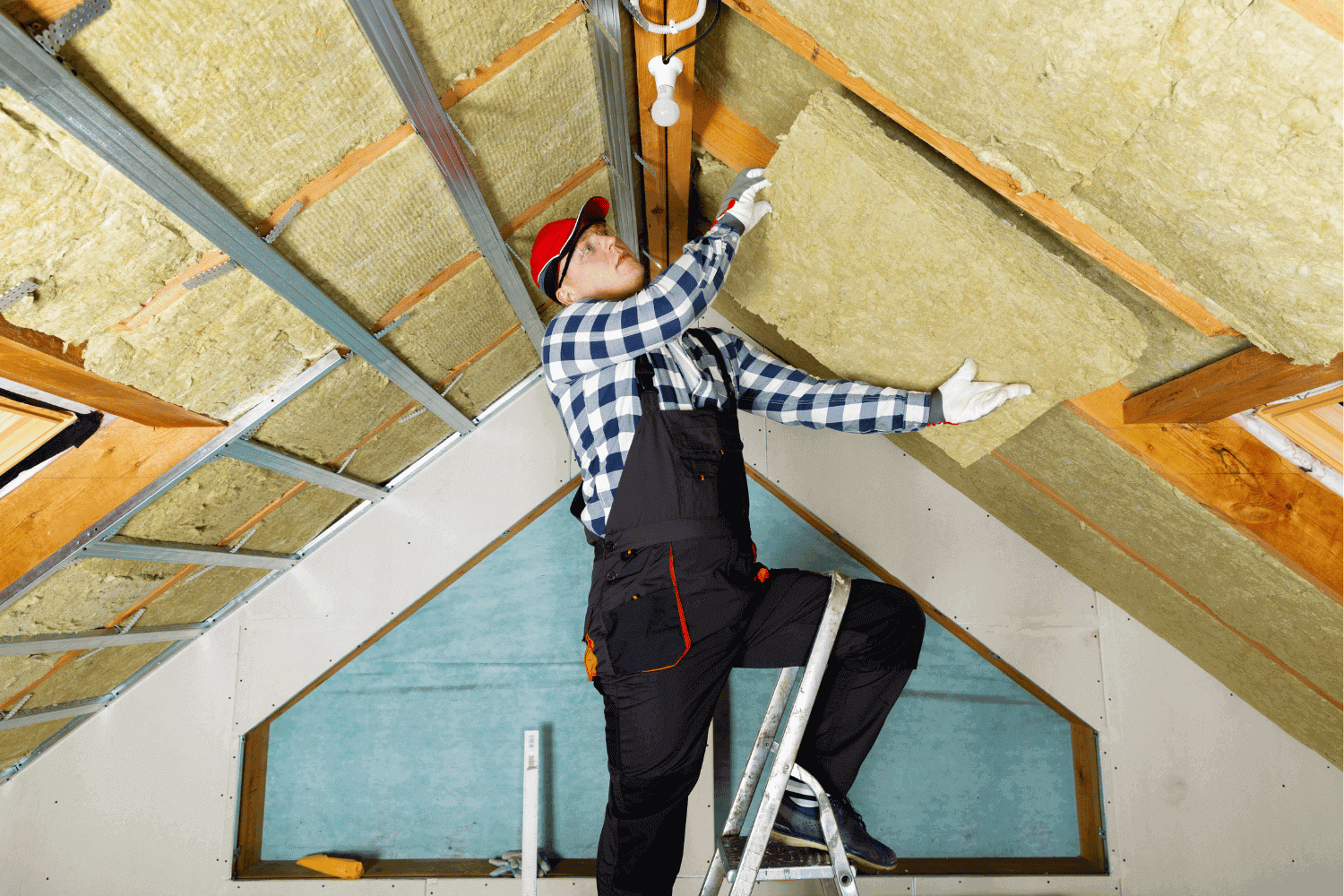
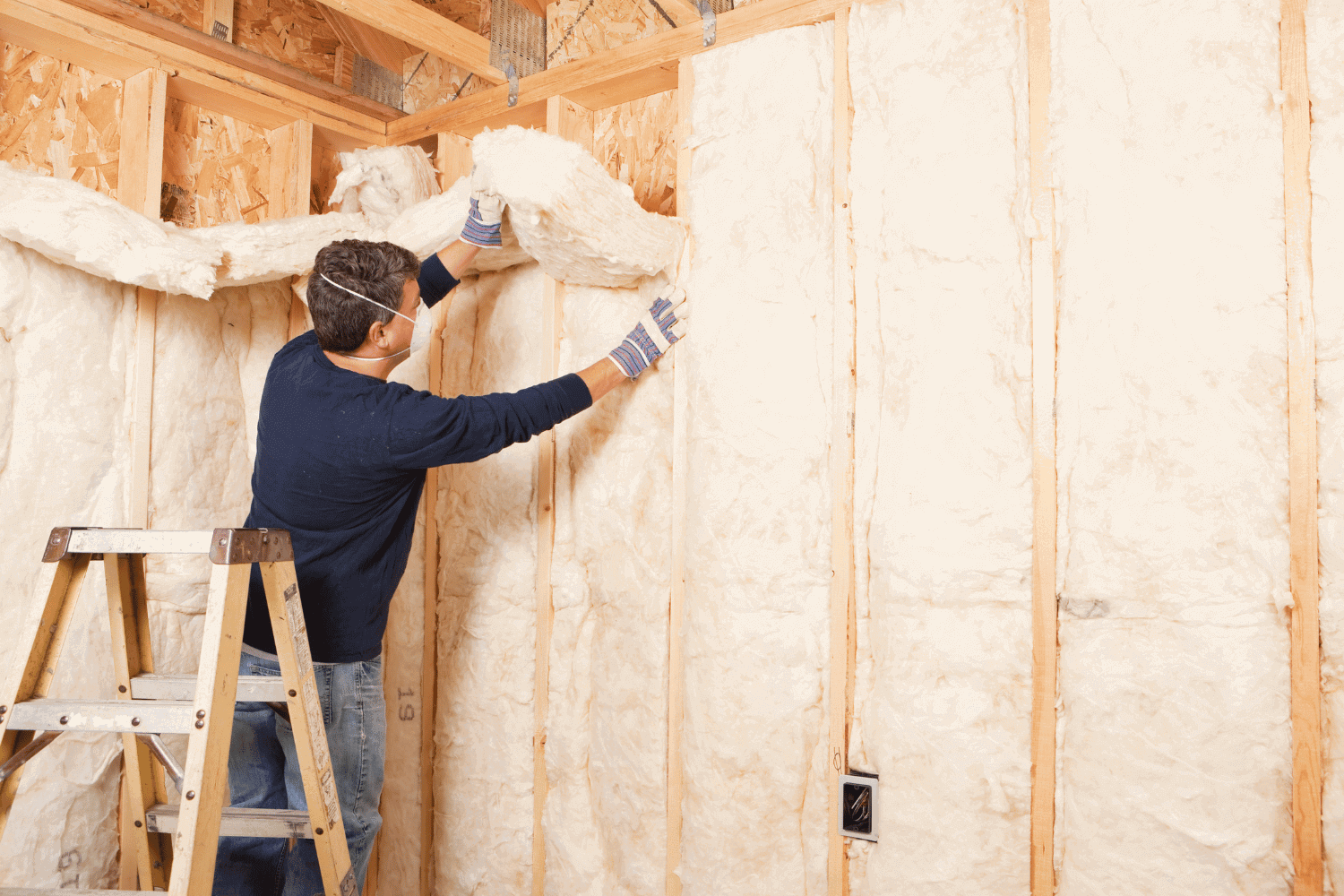
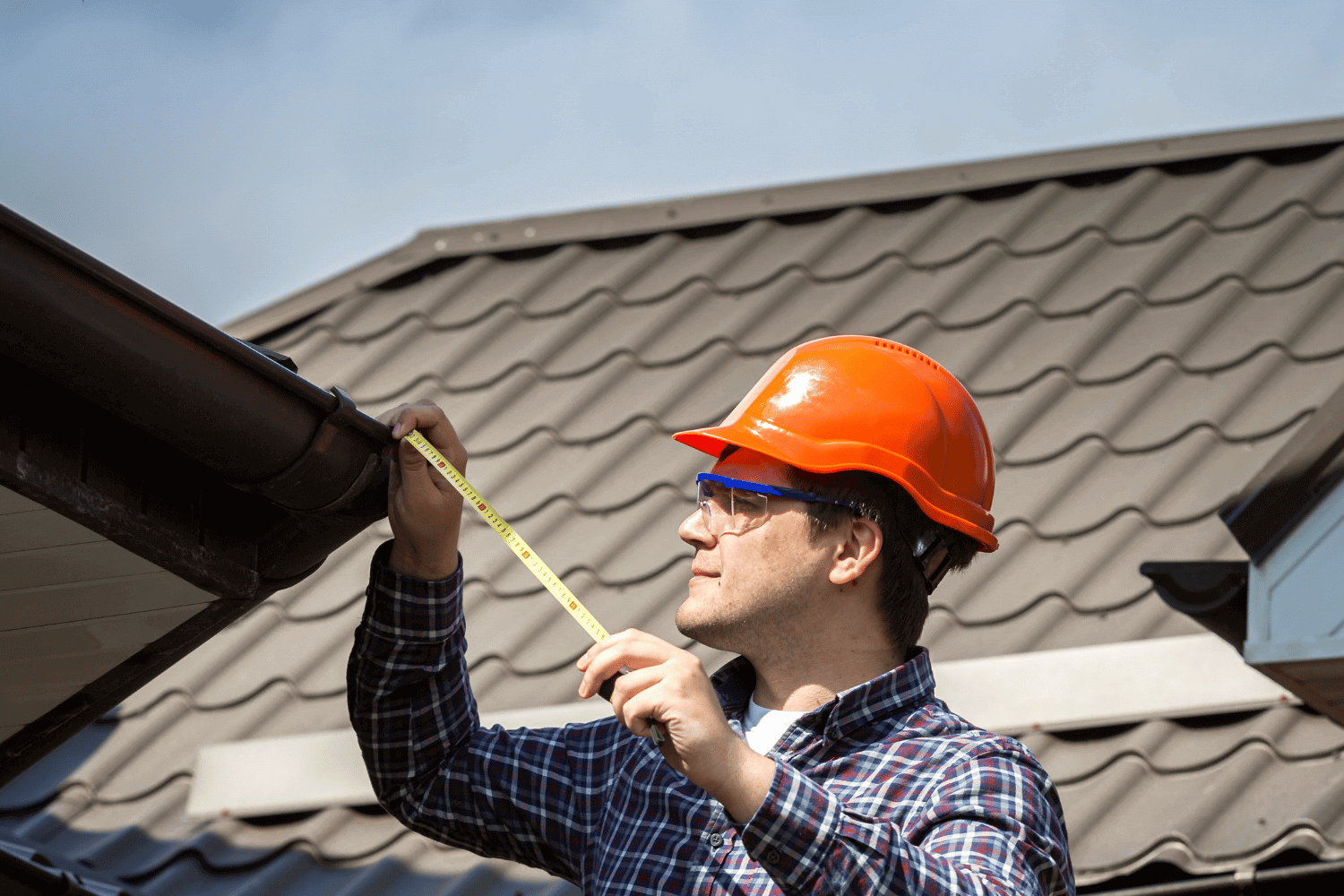
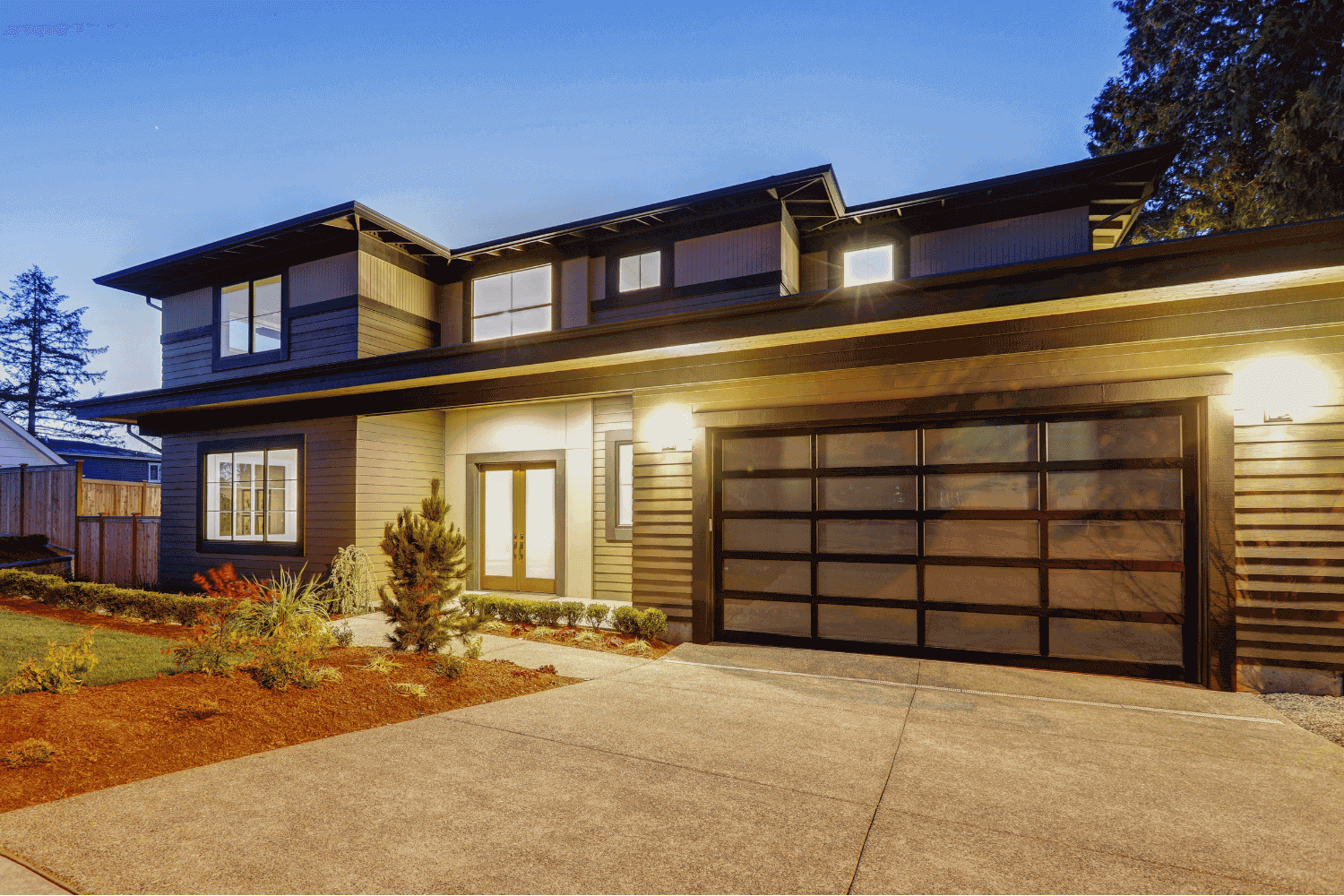
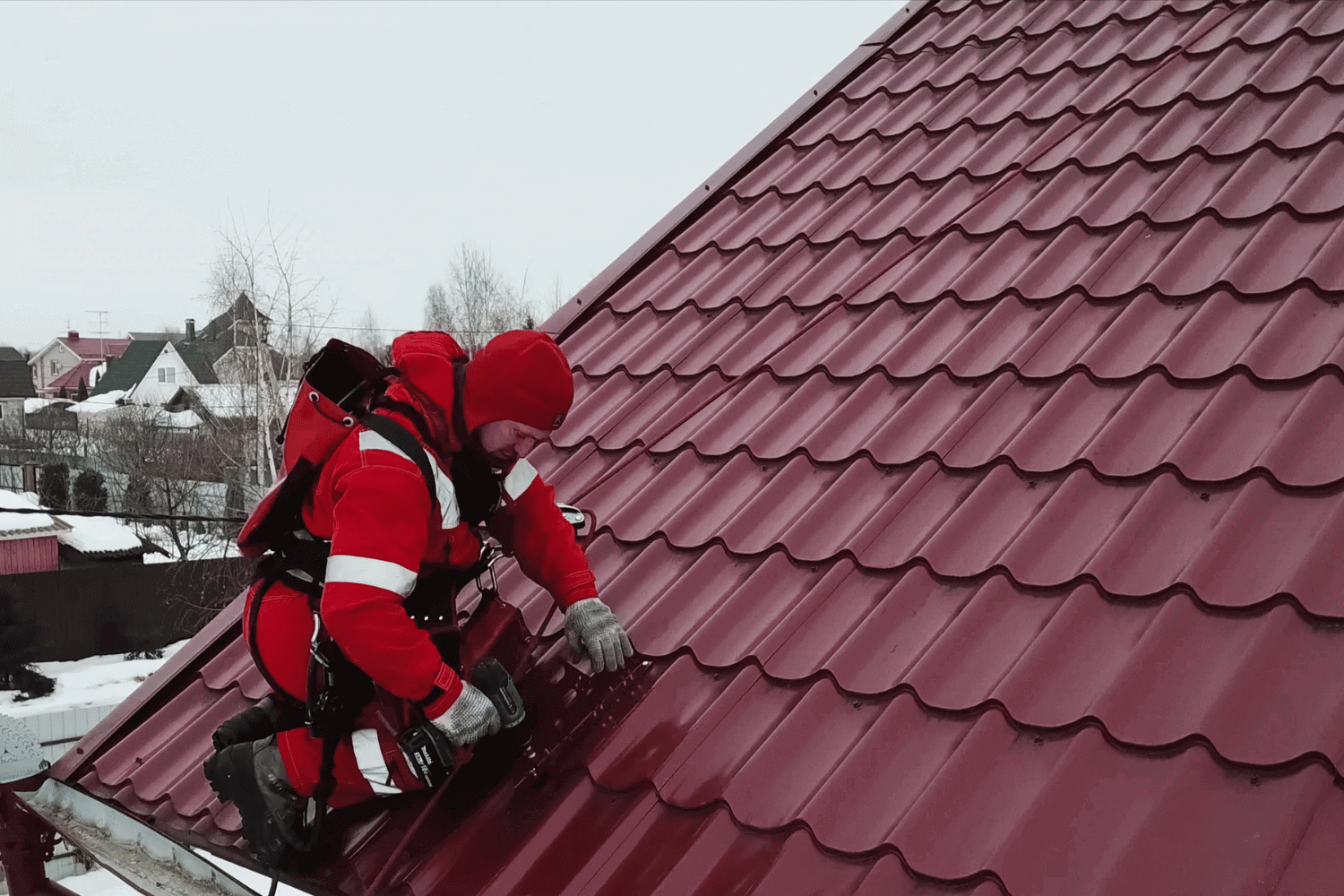
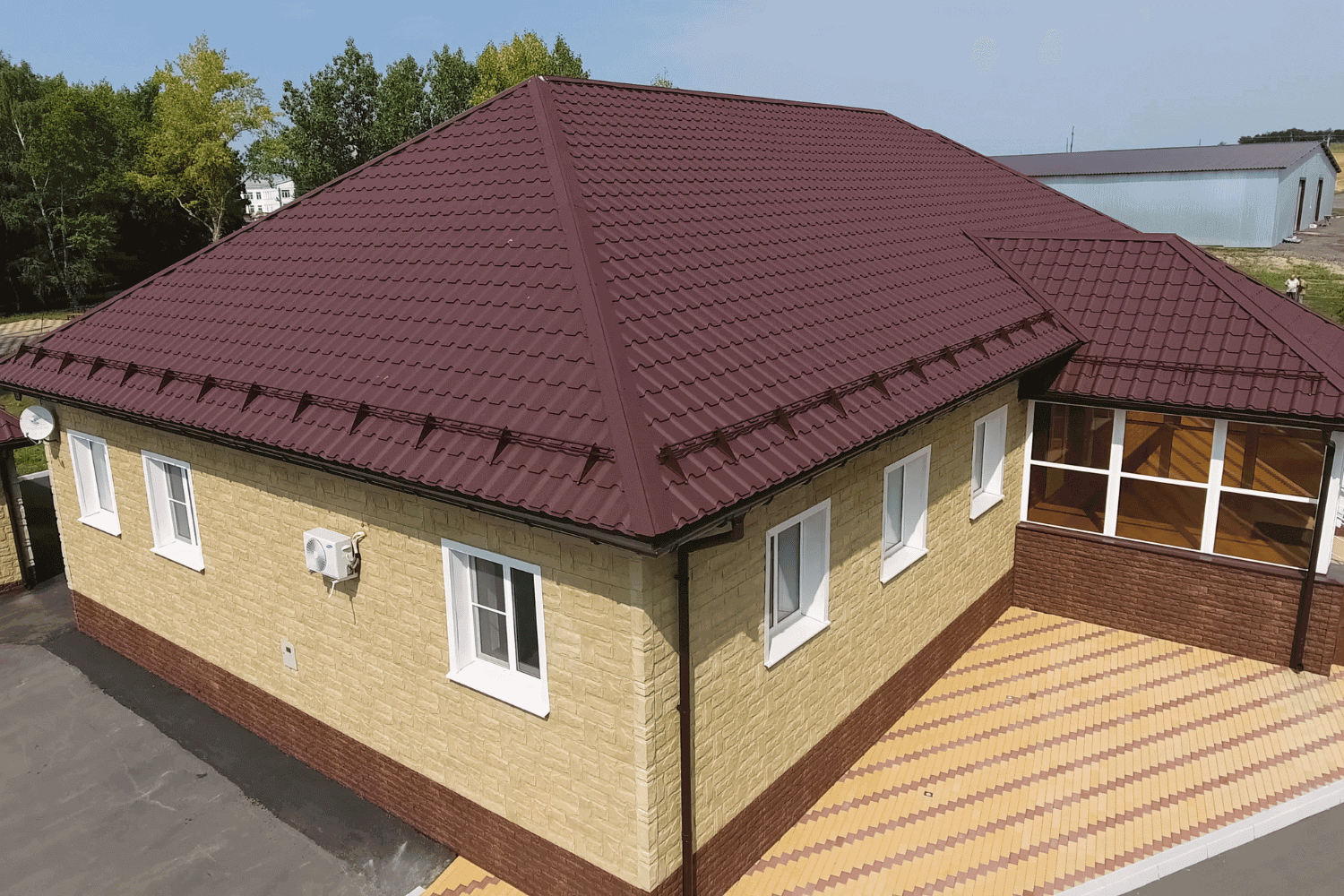
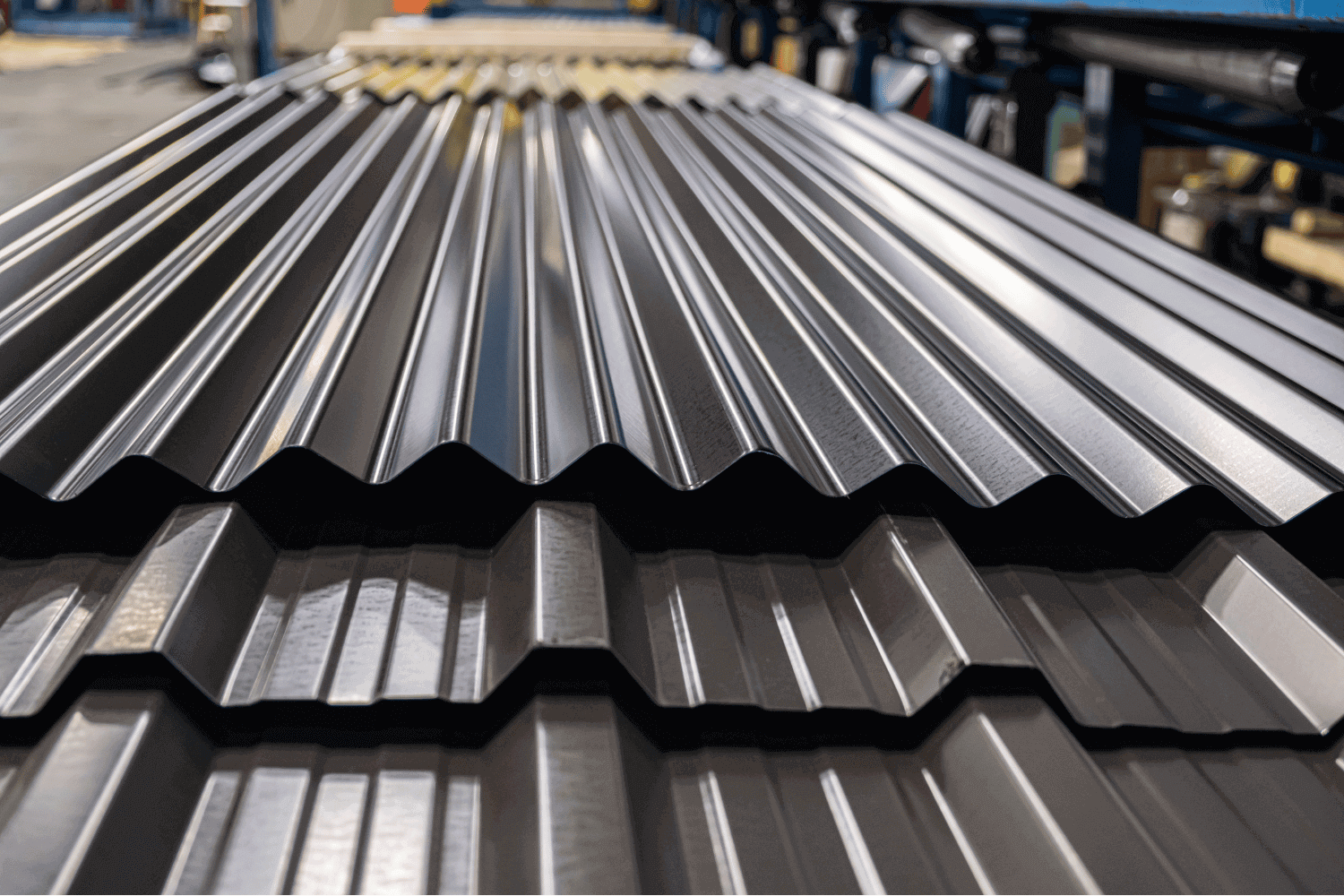
An image showing various types of fascia boards used in home construction.

Fascia Board Basics: Everything Homeowners Need to Know

Fascia boards are horizontal boards along the roof edge. They support gutters and protect your home from weather damage. This guide explains the role of fascia boards, their importance, material options, and maintenance tips related to fascia boards. Understanding the function of the fascia board is essential for any homeowner.

Key Takeaways

  • Fascia boards are crucial for supporting roof structures and protecting attics from weather damage while enhancing a home’s aesthetics.
  • Choosing the right fascia material—wood, PVC, composite, or aluminum—depends on climate, budget, and desired style, impacting durability and maintenance needs.
  • Regular maintenance, including inspections and cleaning, is essential for prolonging the life of fascia boards and ensuring they effectively protect your home.

Understanding Fascia Boards

An image showing various types of fascia boards used in home construction.

Fascia boards are horizontal boards that run along the edge of the roof, providing structural support and contributing to the overall aesthetic of the home. They are a crucial part of the roofing system, playing multiple roles that go beyond mere decoration, including how fascia supports the overall structure.

These boards support the lower edge of roof shingles and secure the gutter system, ensuring that your home remains protected from weather elements and drip edges.

Definition of Fascia Boards

What exactly are fascia boards? These horizontal boards are located at the edge of the roof and are essential in home construction. They connect to the trusses or rafters, providing a secure base for the gutters and sealing off the attic from the elements. This connection helps maintain the structural integrity of the roof, preventing potential damage from water and debris.

In simpler terms, fascia boards act as a barrier between the edge of the roof and external elements. They support the lower edge of roof shingles, preventing them from curling or cracking over time. Without fascia boards, your home would be more susceptible to weather-related damages, making them an indispensable part of any roofing system.

Importance of Fascia Boards

Fascia boards do more than just hold the gutters in place; they seal off the attic from the harsh elements outside. This not only helps in maintaining the structural integrity of your roof but also keeps your attic free from pests and debris. Imagine the chaos without fascia—snow, rain, and even small animals could easily find their way into your attic, causing significant damage.

From a functional standpoint, fascia boards are essential for protecting the roof structure and supporting the gutter system. They prevent weather elements from damaging the roof and help in maintaining the overall structural integrity of your home. Without them, your roof trusses would be exposed, leading to potential rot and decay over time.

But it’s not all about functionality. Fascia boards also play a significant role in the visual appeal of your home. They cover exposed roof trusses, giving the roof a finished and polished look. This enhances the aesthetic value of your home, making it more appealing to potential buyers and increasing its market value.

Common Materials for Fascia Boards

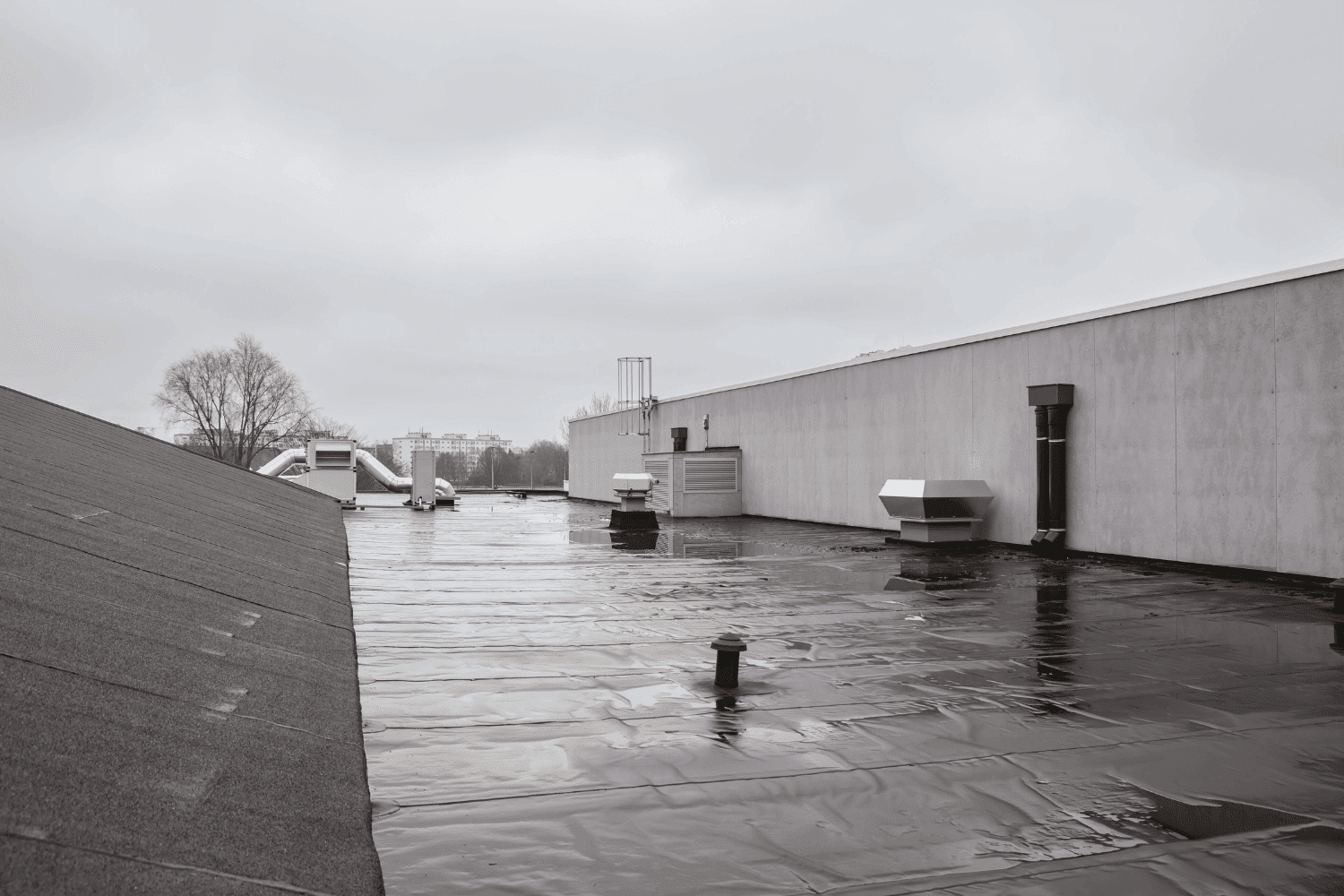
Different materials used for fascia boards displayed together.

Homeowners have several options when it comes to choosing fascia boards:

  • Wood
  • PVC
  • Composite
  • Aluminum

Each material has its pros and cons, and the best choice often depends on your specific needs and local climate conditions.

Understanding these materials will help you make an informed decision that balances aesthetics, durability, and cost.

Wood Fascia Boards

Wood fascia boards provide a traditional and classic look, enhancing the natural aesthetic of a home. Common types of wood used for fascia boards include cedar, redwood, and fir, each known for its natural beauty and durability. However, wood fascia boards require regular upkeep to prevent issues such as wood rot and moisture damage.

While wood offers a timeless appeal, it is prone to rot and requires constant repainting for protection. This makes it a higher-maintenance option compared to other materials. But for those who value a natural look and are willing to invest in regular maintenance, wood fascia boards can be a beautiful addition to any home.

PVC Fascia Boards

PVC fascia boards are a practical choice for homeowners looking for low-maintenance options. These boards are inherently resistant to moisture and insects, making them highly durable. One of the significant advantages of PVC fascia boards is that they can be painted to match the house trim, allowing for customization and a cohesive look.

PVC fascia boards are also resistant to rot, which means less hassle and maintenance over the years. They offer a modern alternative to traditional wood, providing both durability and aesthetic flexibility. Whether you want a sleek, contemporary look or something that blends seamlessly with your existing decor, PVC fascia boards are worth considering.

Composite Fascia Boards

Composite fascia boards are made from recycled materials, offering both durability and eco-friendliness. These boards are known for their strong resistance to weathering, making them an excellent choice for homes in harsh climates. The use of recycled materials also makes composite fascia boards an environmentally friendly option for homeowners.

Besides their durability, composite fascia boards require less maintenance compared to wood. They are resistant to water and moisture, which means they won’t rot or warp over time.

For homeowners looking for a sustainable and long-lasting solution, composite fascia boards are an ideal choice.

Aluminum Fascia Boards

Aluminum fascia boards are known for their lightweight nature and rust resistance. These characteristics make them easy to handle during installation and require minimal maintenance compared to other materials. However, installing aluminum fascia boards may require specialized techniques to ensure proper fit and durability.

One of the significant benefits of aluminum fascia boards is their rust resistance, which means they can withstand harsh weather conditions without deteriorating. This makes them a durable and low-maintenance option for homeowners looking for long-term solutions.

Choosing the Best Material for Your Home

When selecting materials for your fascia boards, several factors must be taken into account. These include climate, budget, and your aesthetic preferences. Understanding the benefits and drawbacks of different materials will help you make an informed decision that suits your specific needs and enhances the overall look of your home.

Climate Considerations

When selecting fascia boards, it’s crucial to consider weather resistance and local climate conditions. For instance, homes in regions with heavy rainfall should opt for materials resistant to moisture, such as PVC or composite boards. On the other hand, areas with high wind and snow loads might benefit from the durability of aluminum fascia boards.

Climate plays a significant role in the longevity and performance of fascia boards. Choosing the right material can protect your home from bad weather and ensure that your fascia boards remain in good condition for years to come. By considering your local climate, you can select a material that not only looks great but also stands the test of time.

Budget Constraints

Budget is another critical factor when choosing fascia boards. Homeowners should factor in both initial costs and long-term maintenance expenses. While wood fascia boards might be cheaper upfront, they require regular upkeep, which can add to the overall cost over time. On the other hand, composite and PVC boards might be more expensive initially but offer lower maintenance costs.

Balancing cost with performance and longevity is key to ensuring that the selected fascia boards meet both budgetary and maintenance needs. By considering both initial and long-term costs, homeowners can make a financially sound choice that doesn’t compromise on durability or aesthetics.

Aesthetic Preferences

The choice of fascia boards can significantly impact the look of your home. When choosing a fascia color, consider the overall color of the home as well as the color of the roof and trim. Selecting fascia trim colors that harmonize with the existing palette can improve visual coherence and enhance curb appeal.

Whether you prefer a bold contrast or a subtle blend, the right fascia can make all the difference.

Installation and Replacement of Fascia Boards
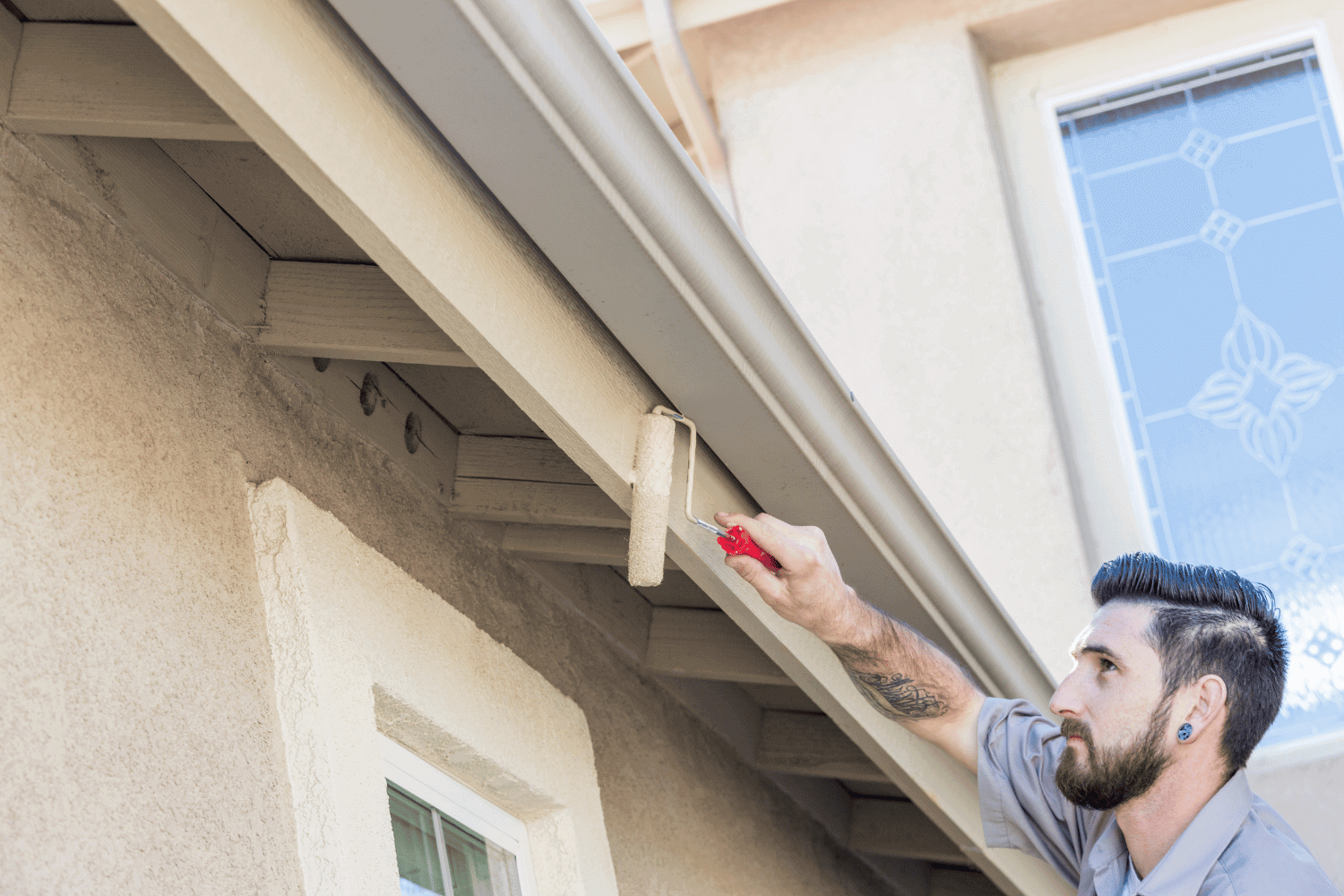
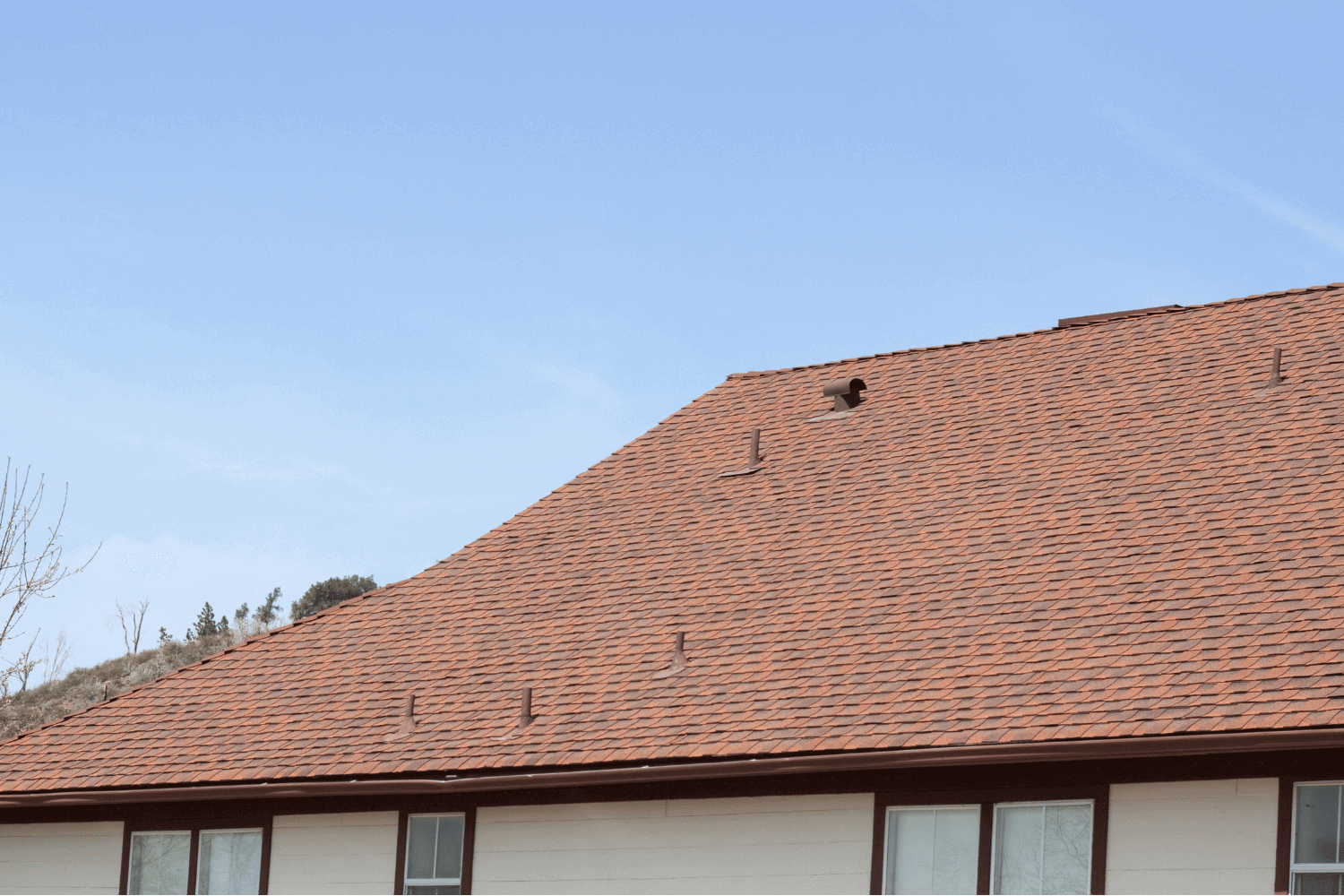
A professional installing fascia boards on a house.

Installing or replacing fascia boards may seem daunting, but understanding the process can make it manageable. Whether you hire a professional or decide to tackle it yourself, proper installation is crucial for the long-term performance of your fascia boards.

Professional Installation

Hiring a professional roofer for fascia installation ensures proper techniques and long-term performance. Professionals use galvanized or anti-corrosion nails to securely attach fascia boards, preventing future issues. Additionally, installing a metal drip edge helps to prevent water damage to the fascia boards.

After cutting new wood for fascia board installation, it’s essential to seal the wood and apply paint to protect it from moisture. This ensures that the fascia boards are installed properly and remain in good condition for years to come.

Trusting a professional can save you time and ensure that the job is done right.

DIY Installation Tips

For those who prefer a hands-on approach, DIY installation is possible with the right tools and knowledge. Accurate measurement and cutting of the new fascia board are essential to ensure it fits properly and spans at least two rafters for stability. This provides the necessary support and prevents the fascia board from sagging over time.

Sealing the seams against water is another critical step in DIY installation. Using silicone caulk to seal the seams helps prevent water damage and extends the life of the fascia boards.

With careful planning and execution, DIY installation can be a rewarding project that enhances your home’s exterior.

Signs It’s Time to Replace Fascia Boards

Knowing when to replace fascia boards can prevent more significant issues down the line.

Common indicators that it’s time to replace fascia boards include:

  • Cracked or curling roof shingles
  • Peeling paint
  • Leakages
  • Discoloration

If your fascia boards are too damaged or weak, they should be replaced as soon as possible to avoid further issues.

Replacing damaged fascia boards not only restores functionality but also enhances the appearance of your home. If your fascia boards detract from the home’s look or are showing signs of significant wear and tear, it’s time for a replacement. Keeping an eye out for these signs can help you maintain the integrity of your roof and overall home structure.

Maintaining Your Fascia Boards

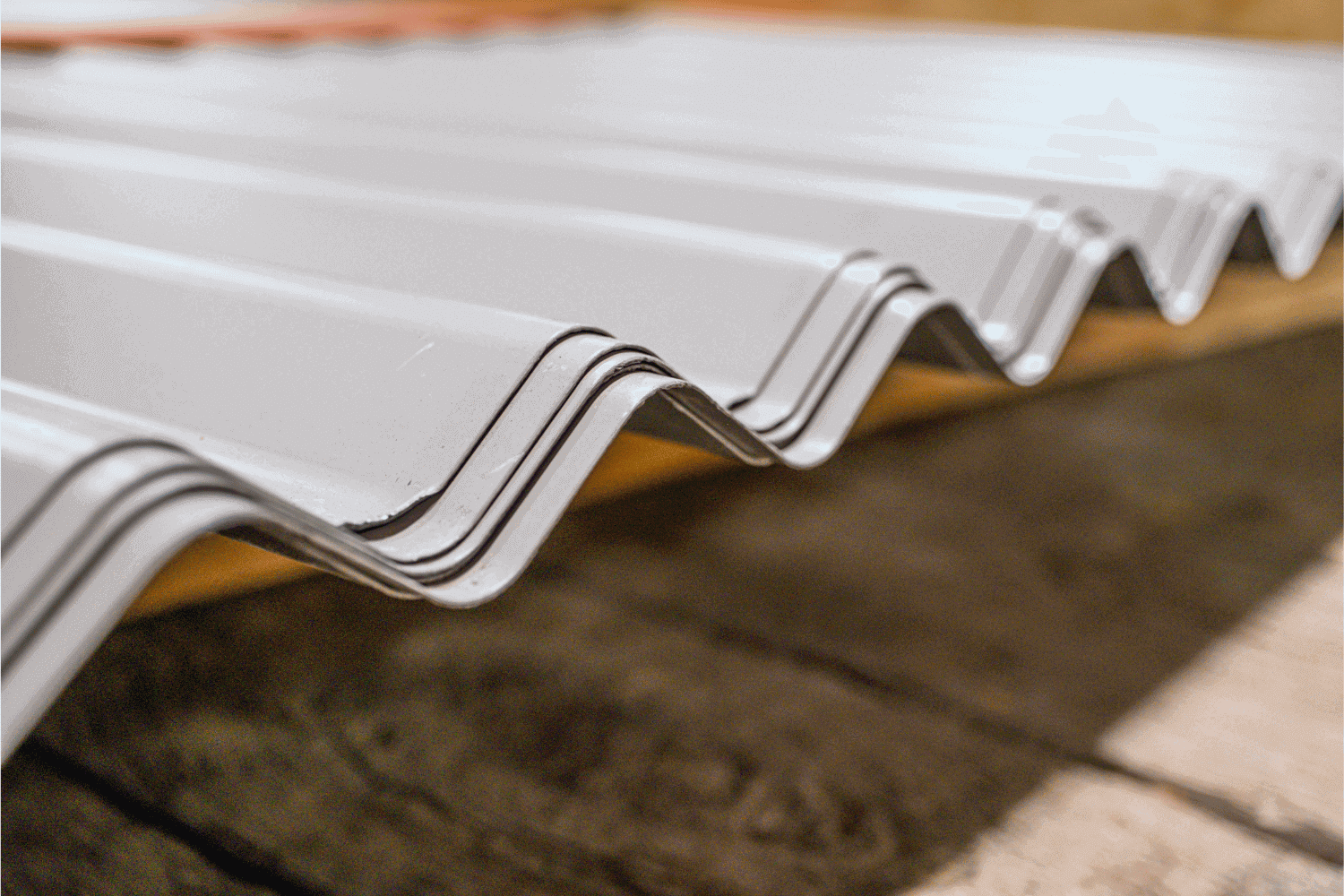
A well-maintained fascia board showing no signs of damage.

Maintaining fascia boards is essential for preventing moisture infiltration and protecting your home from water-related damage. Regular maintenance can extend the life of your fascia boards and keep them looking good for years to come.

Regular Inspections

Inspecting fascia boards at least once or twice a year is crucial for identifying decay indicators like discoloration or soft spots. Homeowners should look for signs of sagging or drooping, which indicate water damage. Visual checks for cracks, holes, or gaps in fascia boards are also essential in maintaining their structural integrity.

Regular inspections help in early detection of potential issues, allowing for timely repairs and preventing extensive damage. By keeping an eye on your fascia boards, you can ensure they remain in good condition and continue to protect your home.

Cleaning and Painting

Cleaning and painting fascia boards are essential maintenance tasks. Wrapping fascia boards in metal is a recommended method to protect them from moisture damage. Sealed and painted fascia boards should be maintained occasionally to ensure they remain in good condition.

One effective method for cleaning fascia boards involves using gentle soap and water to remove dirt and debris. This not only keeps the boards looking fresh but also helps in identifying any areas that might need touch-ups or repairs.

Regular cleaning and painting can significantly extend the lifespan of your fascia boards.

Gutter Maintenance

Maintaining clean gutters is crucial as they support the fascia boards and protect the roof structure from weather damage. Signs that gutters need replacement include sagging gutters, which can place excess stress on the fascia boards, potentially leading to further damage. Homeowners should perform regular inspections of gutters for debris accumulation and clean them periodically to prevent water damage.

Cleaning gutters can include using a garden hose to flush out debris and checking for proper attachment to ensure they remain securely fastened. Regular gutter maintenance helps prevent clogs that can cause water overflow, leading to fascia board damage, affecting all the guttering.

By keeping your gutters in good condition, you ensure the longevity and effectiveness of your fascia boards.

Enhancing Curb Appeal with Fascia Trim
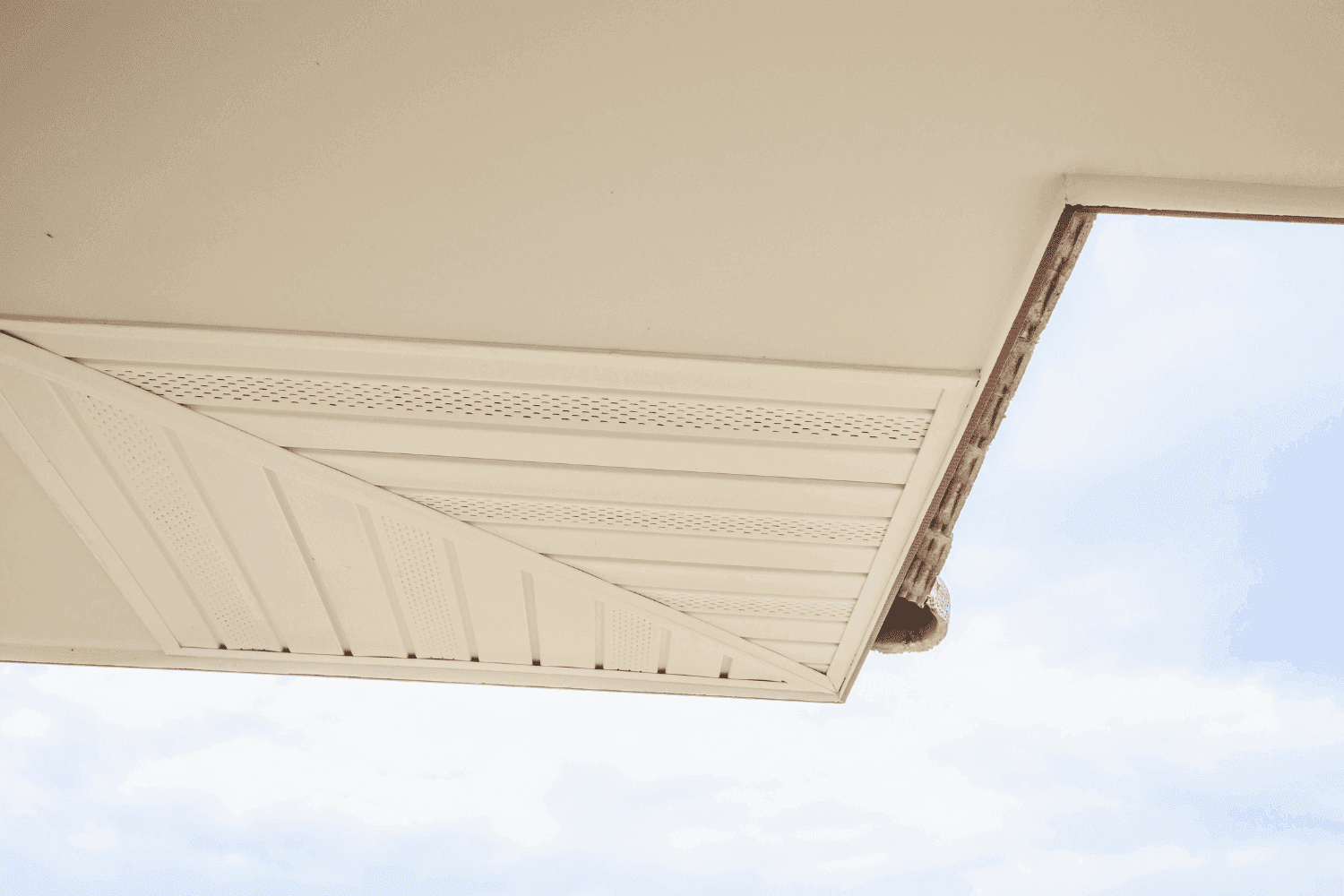
A beautifully designed fascia trim enhancing the curb appeal of a home.

Fascia boards provide more than just functional benefits; they also enhance the visual appeal of your home by concealing roofing materials and creating a polished edge. Matching fascia materials to other exterior elements can enhance cohesive design, impacting Home value and curb appeal.

The right house fascia trim can dramatically improve the overall look of your home’s exterior and make it more attractive to potential buyers.

Decorative Fascia Trim Options

Decorative fascia trim can feature various designs that align with different architectural styles, from intricate patterns to minimalist designs. Layered decorative fascia trim can add dimension and strength to the home’s exterior. For those who prefer a more subtle approach, fascia trim can ensure a smooth transition to the soffit without drawing excessive attention.

Whether you opt for ornate designs or simple, clean lines, decorative fascia trim can enhance the beauty of your home. The right trim can complement your home’s architecture and reflect your personal style, providing a unique touch that sets your home apart from others in the neighborhood.

Color Coordination

Choosing the right color for fascia boards contributes significantly to the overall curb appeal and visual harmony of your home. Matching fascia colors with the trim, gutters, and siding creates a cohesive and well-designed exterior look. Effective color coordination can enhance curb appeal, making your home stand out positively in the neighborhood.

Exploring different decorative fascia trim colors can add character and individuality to your home’s exterior. Whether you choose to match or contrast colors, the right combination can make a substantial difference in enhancing the aesthetic appeal of your home.

Summary

Fascia boards are an essential component of any home, providing both structural support and aesthetic appeal. From wood to PVC and composite materials, choosing the right fascia boards involves considering various factors such as climate, budget, and personal preferences. Proper installation and regular maintenance are key to ensuring that your fascia boards remain in good condition and continue to protect your home from weather-related damage.

By understanding the importance of fascia boards and how to maintain them, homeowners can enhance the longevity and appearance of their homes. Whether through professional installation or DIY efforts, keeping fascia boards in top shape is an investment in the durability and beauty of your home. Remember, a well-maintained fascia not only protects but also enhances the overall curb appeal of your Home.

Frequently Asked Questions

What is the difference between a trim board and a fascia board?

A trim board frames windows and doors, giving your home a finished look, while a fascia board covers the edges of the eaves, providing protection and support for the roof. Each serves a unique purpose in enhancing your home’s exterior.

What are fascia boards, and why are they important?

Fascia boards are crucial as they sit at the edge of your roof, supporting shingles and holding up gutters while protecting your roof structure from weather damage. Without them, you risk structural issues and water damage.

What are the common materials used for fascia boards?

Fascia boards typically use materials like wood, PVC, composite, and aluminum. Your choice will depend on your budget and how much maintenance you’re willing to handle!

How can I tell if my fascia boards need to be replaced?

If you notice cracked or curling shingles, peeling paint, leaks, or discoloration, it’s a clear sign your fascia boards may need replacement. Don’t wait too long—addressing these issues can save you from bigger problems down the line.

How often should I inspect my fascia boards?

You should inspect your fascia boards at least once or twice a year to catch any signs of decay like discoloration or sagging. Regular checks will keep them in good shape and looking great!

Signs indicating over insulation in a home.

Can You Over Insulate a House?

Can you over insulate a house? Yes, it’s possible to have too much insulation, and it can lead to several problems. Over-insulating can cause moisture buildup, poor air quality, and even increased energy costs. This article will explore how to identify if your home is over-insulated and the impact it can have.

Key Takeaways

  • Over-insulation can lead to moisture buildup, reduced air quality, and increased energy costs due to strain on HVAC systems.
  • Climate and R-values play a critical role in determining the appropriate amount of insulation needed for energy efficiency.
  • A professional energy audit can help identify insulation deficiencies, guiding homeowners toward optimal thermal performance and significant long-term savings.

Understanding Over Insulation

An illustration showing the concept of over insulation in a house.

The primary purpose of insulation is to maintain a stable temperature within your home by reducing airflow, ultimately saving energy and lowering heating and cooling costs. However, when insulation is overdone, it can lead to diminishing returns. Spending money on excessive insulation that doesn’t provide additional benefits is not just wasteful but also counterproductive.

Optimal insulation is about finding the right balance between upfront costs and long-term energy performance. Regional building codes provide guidelines, but they don’t always represent the ideal amount of insulation for your particular situation. While more insulation might seem beneficial, it can sometimes require manual ventilation to prevent moisture buildup, compromising its effectiveness.

Understanding over-insulation helps you avoid unnecessary expenses and potential issues from excessive insulation. Achieving the right balance ensures your home is comfortable, energy-efficient, and free from moisture and mold problems.

Signs of Over Insulation in Your Home

Signs indicating over insulation in a home.

Excess insulation can manifest in various ways, often creating discomfort and even health issues. One of the primary signs of too much insulation is moisture buildup. This can lead to mold growth, which poses serious health risks to the occupants. The trapped moisture can cause structural damage over time, leading to costly repairs.

Another telltale sign is poor indoor air quality. When airflow is blocked due to over-insulation, it can result in stale, stuffy air and potential respiratory issues. This is particularly concerning in homes where proper ventilation is not in place to counteract the effects of over-insulation.

Proper ventilation is crucial for maintaining indoor air quality. Without it, the humidity levels in your home can skyrocket, leading to a range of problems from structural damage to health issues. Identifying these signs early allows for corrective measures before problems escalate, including the installation of roof vents.

The Role of Climate in Insulation Needs

Climate plays a significant role in determining how much insulation your home needs. The insulation requirements can vary drastically from one region to another, influenced by factors like temperature fluctuations and humidity levels. For instance, in hot climates, insulation typically requires less than 10 inches to be effective.

Different regions have specific R-values that are recommended based on climate zones. These R-values indicate the thermal resistance of the insulation material, helping to control heat flow and improve energy efficiency. Meeting or exceeding these recommendations helps avoid energy loss and maintains a comfortable indoor environment.

Building codes often fall short in reflecting the unique insulation needs of different climates. They can provide a false sense of security, leading to potential under-insulation in some regions. Considering factors like thermal performance and specific energy modeling is important when determining the right amount of insulation for your home.

Impact on HVAC System and Energy Bills

An HVAC system affected by insulation issues.

Over-insulation can have a significant impact on your HVAC system, forcing it to work harder and longer to maintain the desired temperatures. This increased workload can lead to higher energy bills, as the system consumes more energy to keep your home comfortable. It’s a classic case of diminishing returns where adding more insulation doesn’t necessarily equate to more savings.

Poor air circulation caused by over-insulation can result in uneven temperatures across different rooms in your home, leading to warm air pockets. This not only affects comfort but also puts additional strain on your HVAC system, further driving up energy costs. Proper insulation can significantly reduce heat transfer, heating and cooling costs, potentially lowering energy bills by around 15%.

The right insulation balance ensures your HVAC system operates efficiently, maintaining a comfortable indoor environment without high energy costs. This balance is key to enjoying the full benefits of insulation without the drawbacks of over-insulation.

Balancing Insulation for Optimal Performance

A well-balanced insulation system offers numerous benefits, from enhancing indoor air quality to reducing drafts and improving overall comfort. When your home is properly insulated, your HVAC system doesn’t have to work as hard, which can extend its lifespan and reduce maintenance costs.

Understanding R-values is key to achieving optimal insulation. The R-value measures the thermal resistance of an insulation material, and higher R-values provide better insulation. Additionally, sealing air leaks around vents and pipes can significantly improve energy efficiency and reduce heat loss. This combination of proper insulation and air sealing can save homeowners between 10% and 20% on energy costs annually.

Professional installation ensures correct and efficient application of insulation installed. Experienced professionals can identify less obvious areas needing insulation, such as around ductwork, pipes, and electrical outlets. This comprehensive approach helps maintain a stable indoor temperature and promotes environmental sustainability.

Professional Assessment and Recommendations

A professional home energy audit is an invaluable tool for assessing your home’s energy consumption and identifying inefficiencies. During the audit, energy assessors conduct a thorough review of your home’s insulation and heating systems, pinpointing areas that require improvement.

The results from a home energy audit can guide you on necessary insulation improvements, helping you achieve optimal thermal performance and energy efficiency. Addressing air leaks and moisture issues identified during the audit can further enhance the effectiveness of your insulation.

Professional assessments ensure your insulation project is based on accurate data and tailored to your needs. This approach improves comfort and maximizes the return on investment from insulation efforts.

Benefits of Proper Insulation Installation

Benefits of proper insulation installation in a home.

The financial benefits of proper insulation installation are substantial. For example, a $2,000 investment in insulation could yield savings of approximately $20,000 over 50 years. In cold climates, the return on investment (ROI) for adding insulation can be as short as five years.

Proper insulation improves overall home comfort by maintaining a stable temperature, reducing drafts, and minimizing noise levels. This not only enhances the living environment but also contributes to significant energy savings. Installing AttiCat blown-in insulation, for instance, can save homeowners as much as 20% on their energy bills.

Beyond financial and comfort benefits, proper insulation also promotes environmental sustainability. By reducing energy consumption, you lower your home’s carbon footprint, contributing to a greener planet.

Choosing the Right Insulation Material

Different types of insulation materials for homes.

Choosing the right insulation material is crucial for achieving the desired thermal performance. The R-value, which measures insulation effectiveness, depends on various factors, including the type of insulation, its thickness, and density. Spray foam insulation, for instance, has a high R-value and provides a strong air barrier, making it highly effective for minimizing energy loss.

Cellulose insulation, typically made from recycled newsprint, offers environmental benefits and is effective for retrofitting spaces. Mineral wool insulation, made from rock or slag, provides excellent fire resistance and soundproofing capabilities. Foam board insulation and structural insulated panels (SIPs) are also highly effective, often providing up to twice the thermal resistance of other materials.

Choosing the right insulation material involves considering factors like climate, specific insulation needs, and energy efficiency goals. This tailored approach ensures optimal insulation performance and long-term benefits.

Addressing Common Insulation Issues

Common insulation issues, such as ice dams and moisture problems, can indicate underlying performance issues. Ice dams, for instance, often occur in winter and can be a sign of poor insulation. Excessive insulation can trap heat, leading to increased humidity and potential mold problems.

To address these issues, it’s essential to have a vapor barrier underneath attic insulation to prevent moisture from reducing its effectiveness. Proper ventilation is also crucial to prevent indoor air pollution when sealing a home. A vented attic can help improve airflow, and temporary solutions like roof heat cables can help prevent ice build-up, but they don’t address the underlying insulation issues.

A comprehensive approach to addressing insulation issues involves regular inspections and maintenance. Identifying and fixing these problems early ensures your home remains comfortable, energy-efficient, and free from costly repairs.

Summary

In summary, while insulation is crucial for maintaining a comfortable and energy-efficient home, over-insulating can lead to various problems. From moisture buildup and poor indoor air quality to increased HVAC system workload and higher energy bills, the consequences of too much insulation are significant. Achieving a balance is key to enjoying the full benefits of insulation without the drawbacks.

Proper insulation involves understanding your home’s specific needs, considering the climate, and choosing the right materials. Professional assessments and tailored recommendations can guide you in optimizing your home’s insulation, ensuring long-term comfort and energy savings. Take action today to improve your home’s insulation and create a more sustainable living environment.

Frequently Asked Questions

Is it okay to double up insulation?

Yes, doubling up insulation can significantly improve the R-value, making it an effective strategy to enhance energy efficiency and meet insulation standards.

Can a home have too much insulation?

Yes, a home can have too much insulation, which may cause issues such as moisture buildup, poor indoor air quality, and higher energy costs. It’s essential to ensure a balanced insulation approach for optimal performance.

What are the signs of over-insulation in a home?

Over-insulation in a home is indicated by moisture buildup, blocked airflow, poor indoor air quality, and uneven temperatures in different rooms. Addressing these issues promptly can help maintain a comfortable living environment.

How does climate affect insulation needs?

Climate directly influences insulation requirements, as various regions demand specific R-values to effectively address temperature changes and humidity fluctuations. Understanding your local climate is crucial for optimizing energy efficiency in your home.

How can over-insulation impact the HVAC system and energy bills?

Over-insulation can strain your HVAC system, resulting in higher energy bills and inconsistent temperature distribution throughout your home. It’s essential to balance insulation to maintain efficiency.

Different types of foundation cracks that require attention.

Foundation Cracks to Be Concerned About: When to Take Action

Are you seeing cracks in your foundation and wondering which ones to be concerned about? It’s important to know which foundation cracks indicate serious problems. In this article, we’ll guide you through the types of foundation cracks to be concerned about, what they signify, and when to take action.

Key Takeaways

  • Foundation cracks to monitor include horizontal cracks, vertical cracks wider than 1/4 inch, stair-step cracks, and diagonal cracks, each indicating varying levels of structural concerns.
  • Early detection of foundation issues, such as sticking doors, uneven floors, and visible gaps, is crucial for preventing significant structural damage and costly repairs.
  • Preventive measures, including proper grading, drainage, regular maintenance, and mindful landscaping, are essential to maintaining foundation integrity and avoiding future problems.

Types of Foundation Cracks That Require Attention

Different types of foundation cracks that require attention.

Foundation cracks come in various shapes and sizes, each indicating different levels of concern. The most common types to watch out for include horizontal cracks, vertical cracks wider than 1/4 inch, stair-step cracks, and diagonal cracks. These cracks can appear in a concrete foundation, block foundations, or basement walls, and each type can signify underlying structural foundation cracks that may worsen if left untreated.

Keeping track of these cracks is important as they can evolve into more serious structural problems if neglected. Horizontal cracks and hairline cracks, as well as those wider than 1/4 inch, in particular, require immediate attention as they often indicate serious structural problems.

Always keep an eye on any changes in the cracks, as widening gaps can be a sign of worsening foundation issues.

Horizontal Cracks

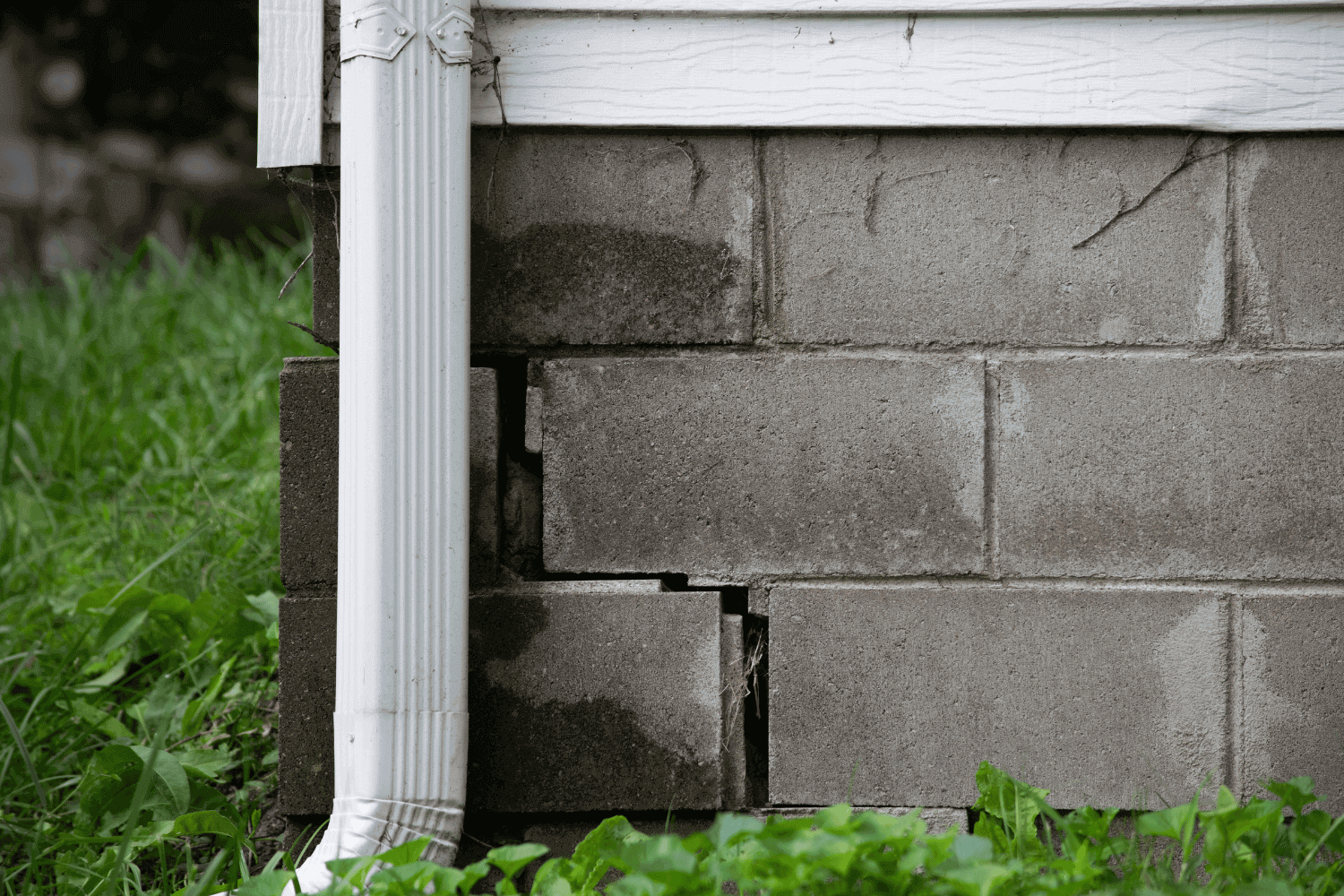
Horizontal cracks run left to right along foundation walls and are commonly found in both concrete and block foundations. These cracks are a significant red flag as they often indicate serious structural issues. The presence of horizontal cracks can suggest that the foundation walls are bowing inward due to soil pressure or hydrostatic pressure from excess water. This type of foundation crack can lead to water leakage and further compromise the structural integrity of your home if not addressed promptly.

If you spot horizontal cracks in your foundation walls, immediate action is required. These cracks can cause considerable foundation bowing and other major structural issues. Addressing horizontal cracks early can avert more extensive and expensive repairs later.

Stair-Step Cracks

Stair-step cracks, usually following mortar joints in block foundations, clearly indicate serious structural issues. These cracks form a pattern resembling a staircase, hence the name.

Stair-step cracks often indicate severe structural problems that require immediate attention to prevent further damage.

Vertical Cracks Wider Than 1/4 Inch

Vertical cracks wider than 1/4 inch indicate more than just settling; they suggest potential underlying structural problems. These cracks need a professional evaluation to determine the extent of the issue and the necessary repairs.

Ignoring such cracks can lead to more significant foundation damage and costly repairs in the future.

Diagonal Cracks

Diagonal cracks often indicate rotating walls due to structural failure. They can result from the natural curing process of concrete or differential settlement over time. Monitor these cracks closely, especially if you notice uneven or sloping floors, which can further indicate foundation movement.

Use a marble test to check the levelness of your floors if you suspect any foundation issues.

Identifying Structural Issues Early

Signs of structural issues in a foundation.

Detecting structural issues early is crucial to prevent severe foundation problems. Signs of potential foundation issues include sticking doors and windows, uneven floors, and visible gaps between walls, ceilings, and floors. Identifying these signs early can help you address the root cause before it escalates.

Regular inspections and maintenance are essential for maintaining the structural integrity of your home. Implementing a foundation maintenance plan and conducting biannual inspections, especially after extreme weather events, can help identify new or changing cracks early. Promptly addressing these issues can save you from costly repairs and ensure your home’s safety.

Sticking Doors and Windows

Difficulty operating doors and windows can be an early sign of foundation movement or settlement. When doors and windows start sticking or become hard to open and close, it often indicates that the foundation is shifting, causing frames to become misaligned. This is a red flag for potential structural issues that need to be addressed.

Uneven Floors

Uneven floors are another common indicator of foundation problems. Poorly compacted soil before construction can lead to uneven settling, resulting in pressure and cracks. To check for uneven floors, place a marble on the floor and observe its movement.

If it rolls to one side, it indicates a slope, which could signify foundation issues.

Visible Gaps and Separation

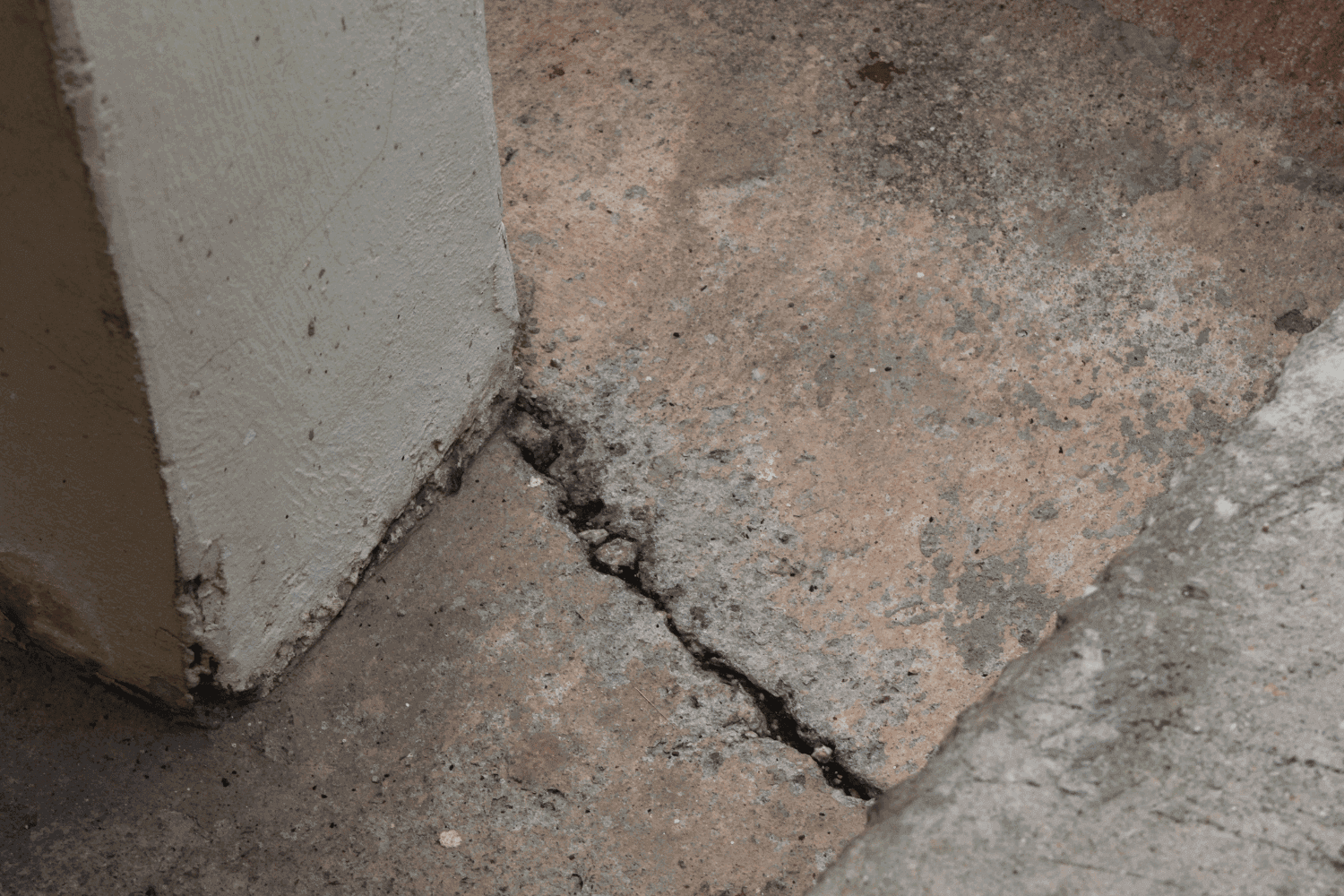
Visible gaps between walls, ceilings, and floors clearly indicate foundation movement. These gaps suggest that the foundation may be shifting or settling, which can affect your home’s overall structural integrity.

Regularly monitoring these gaps is important, as any changes may require professional evaluation or repair to prevent further damage.

Causes of Foundation Damage

Causes of foundation damage including water-related problems.

Understanding the causes of foundation damage helps in preventing future issues. The main causes include soil pressure, water-related problems, and frost heave. Poor drainage can lead to hydrostatic pressure, pushing against foundation walls and causing cracks. Effective water management and drainage solutions reduce the risk of foundation damage.

Foundation settlement can be influenced by factors such as construction materials, soil type, and water presence. Freezing and thawing cycles can also contribute to foundation cracks by causing soil expansion. Understanding these causes can help you take preventive measures to protect your foundation.

Soil Pressure and Settlement

Soil pressure and settlement significantly contribute to foundation damage. The expansion and contraction of clay soils due to moisture changes exert pressure on foundation walls, leading to cracks. Poor drainage and inadequate soil compaction can worsen these issues, causing uneven settling and structural problems.

Water-Related Problems

Excess water draining toward the foundation creates significant pressure against the walls, leading to structural issues. Poor drainage can cause water to accumulate around the foundation, resulting in shrinkage and wet non-structural cracks.

Effectively managing water runoff is important to prevent these problems.

Frost Heave

Frost heave occurs due to the freezing and thawing of soil around the foundation. These cycles cause soil to expand, creating pressure on the foundation and resulting in cracks.

Repeated freezing and thawing can significantly impact the foundation’s structural integrity, so it’s important to address any resulting cracks promptly.

Repairing Foundation Cracks

Repairing foundation cracks with epoxy injection.

Repairing foundation cracks promptly prevents further structural damage. Various methods can be used depending on the type and severity of the crack. Expanding polyurethane is highly effective for sealing cracks due to its waterproofing and flexibility properties. Choosing the right repair method can significantly impact the longevity and effectiveness of the repair.

Addressing foundation cracks as soon as they are detected can save you from more extensive and costly repairs in the future. Understanding how to fix foundation cracks and selecting the foundation crack repair method that best suits your specific needs is crucial to prevent foundation cracks.

Epoxy Injection

Epoxy resin injections are commonly used to seal minor foundation cracks and prevent water intrusion. This method is particularly effective for vertical cracks and can cost between $500 to $900 for professional repair.

Regularly monitoring vertical cracks and addressing them with epoxy injection can prevent further structural issues.

Hydraulic Cement Application

Hydraulic cement is a fast-setting material ideal for repairing leaking cracks in foundations. Clean the area around the crack, mix the cement according to the instructions, and press it firmly into the crack to ensure a secure seal.

As it cures, hydraulic cement expands, blocking water from seeping through and providing a durable, watertight seal.

Carbon Fiber Reinforcement

Carbon fiber reinforcement strengthens foundation walls, particularly those compromised by structural issues. Carbon fiber strips bond the distance between cracks, increasing the structural strength of the foundation wall. These reinforcements are ten times stronger than steel and provide a lightweight yet highly effective solution for preventing further damage.

Preventing Future Foundation Issues

Preventing future foundation issues through proper landscaping.

Preventing foundation issues is better than dealing with costly repairs. Most foundation problems arise from water-related issues, leading to soil swelling or shrinkage that destabilizes the foundation. Implementing preventive measures helps maintain your foundation’s integrity and avoid future problems.

Proper grading and drainage solutions, regular maintenance, and smart landscaping choices are key to preventing foundation issues. Taking these steps protects your home and ensures its structural stability.

Proper Grading and Drainage Solutions

Proper grading around your home should guide water away from the foundation, preventing soil expansion. Create a slope of at least one inch per foot for the first 5 to 10 feet away from the foundation.

Ensure that soil does not contact the siding or wood of the house, with at least four inches of the foundation visible above the soil.

Regular Maintenance Tips

Regular maintenance is essential for identifying potential issues early. Inspect the foundation for new or changing cracks and address minor issues promptly to prevent them from developing into significant problems.

If you spot water or moisture from a crack, act quickly to prevent further damage.

Landscaping Considerations

Landscaping plays a vital role in preventing foundation issues. Keep plants and trees a safe distance from the foundation to prevent root damage and moisture accumulation. Plant trees at least 15 feet away from the foundation to avoid these problems.

Summary

In conclusion, understanding the types of foundation cracks, identifying early signs of structural issues, knowing the causes of foundation damage, and implementing preventive measures are crucial for maintaining your home’s structural integrity. By addressing foundation problems promptly and effectively, you can ensure the safety and stability of your home. Remember, A&M Home Services is here to help with reliable, affordable, and effective foundation repair solutions.

Frequently Asked Questions

What are the common types of foundation cracks to watch out for?

It’s important to watch for horizontal cracks, vertical cracks wider than 1/4 inch, stair-step cracks, and diagonal cracks, as they may indicate underlying structural issues. Monitoring these types of cracks can help ensure the integrity of your foundation.

How can I identify early signs of structural issues in my home?

To identify early signs of structural issues in your home, be vigilant for sticking doors and windows, uneven floors, and visible gaps between walls, ceilings, and floors. These indicators can help you address potential problems before they worsen.

What causes foundation damage?

Foundation damage is primarily caused by soil pressure, water-related issues, and frost heave, with poor drainage and freeze-thaw cycles also playing significant roles. Addressing these factors early can help prevent serious structural problems.

What are some effective methods for repairing foundation cracks?

Effective methods for repairing foundation cracks include epoxy injection to seal small cracks, applying hydraulic cement for wider gaps, and using carbon fiber reinforcement for added support. These solutions can help ensure the integrity of your foundation.

How can I prevent future foundation issues?

To prevent future foundation issues, ensure proper grading and drainage around your home, maintain regular landscaping, and keep plants and trees at a safe distance from the foundation. Taking these proactive steps is essential for maintaining a stable foundation.

Tools and materials used for cutting and trimming the ridge cap.

Ultimate Guide to Steel Roof Ridge Cap Installation

Ultimate Guide to Steel Roof Ridge Cap Installation

Need to install a steel roof ridge cap installation? This guide covers every step, from understanding its importance to the final touches. Learn how to protect your roof effectively with our straightforward installation tips.

Key Takeaways

  • Steel roof ridge caps provide essential protection against water damage and wind uplift, ensuring the integrity of metal roofing systems.
  • Proper installation requires specific tools and adequate preparation, including leaving a gap for alignment and using sealants for waterproofing.
  • Regular inspections and maintenance of the ridge cap post-installation are crucial for extending its lifespan and preventing significant repairs.

Understanding Steel Roof Ridge Caps

An overview of steel roof ridge caps and their importance in roofing.

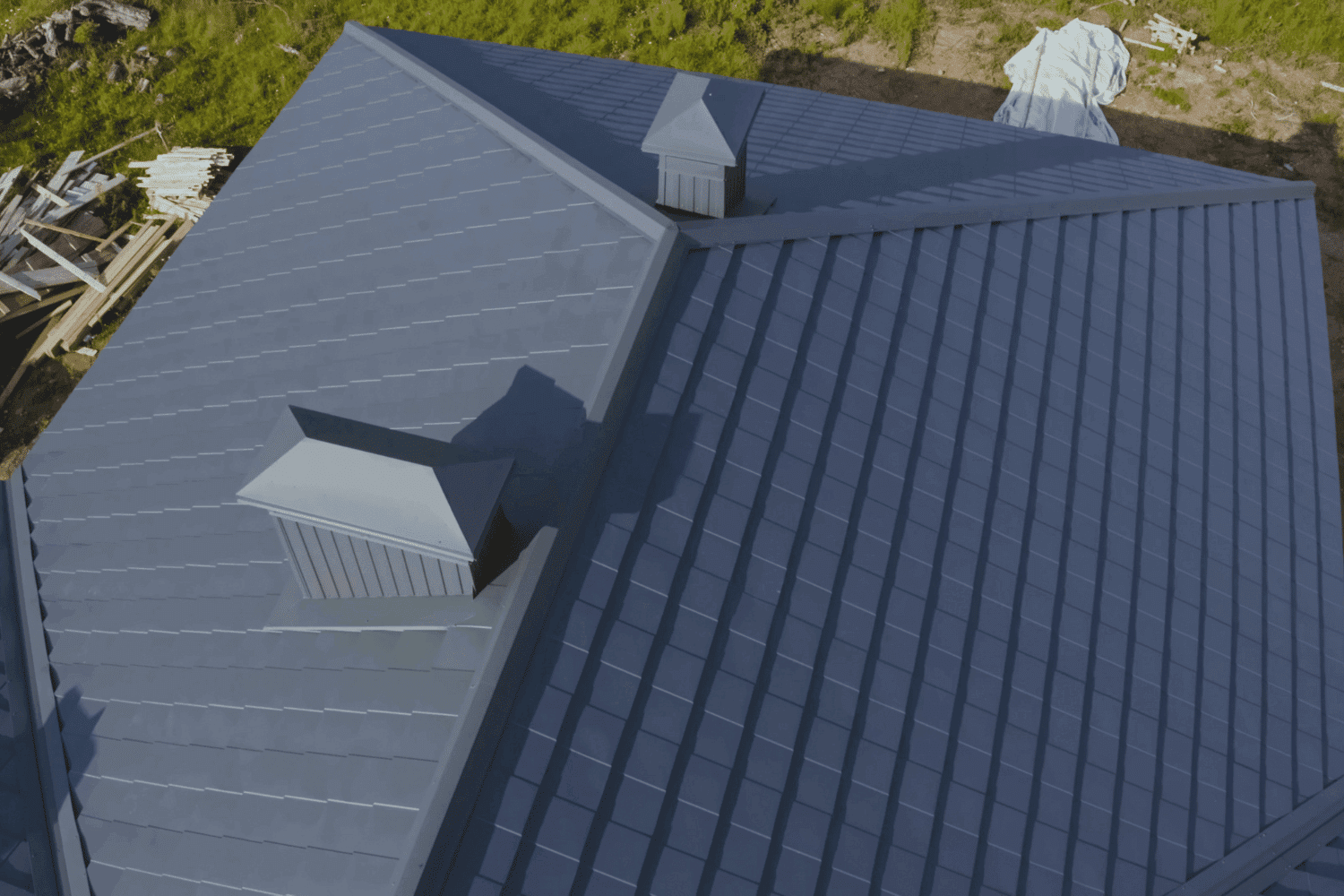
Steel roof ridge caps are trims installed along the peak of the roof, serving as the critical finishing touch that seals the joint between two roof slopes. They protect your roof from water damage and wind uplift, keeping your home dry and secure. Properly installed ridge caps prevent water from entering the roofing system, thereby safeguarding the interior of your home.

Common materials for metal roof ridge caps include aluminum and steel, chosen for their durability and resistance to the elements. These materials are designed to withstand the harshest weather conditions, providing long-lasting protection for your roof. The ridge cap’s role in a metal roofing system cannot be overstated, as it is instrumental in maintaining the roof’s overall integrity. Additionally, the metal roofing ridge cap plays a crucial part in this process.

Metal roof ridge caps come in two main varieties. These include closed ridge caps and vented ridge caps. Closed ridge caps are designed to completely seal the roof peak, providing maximum protection against water infiltration. On the other hand, vented ridge caps allow moisture to escape from the roof space while still offering essential weather protection. Understanding the differences between these types is crucial for selecting the right ridge cap for your metal roofing project.

Tools and Materials Needed for Installation

Embarking on a metal roofing project requires the right tools and materials to ensure a successful installation.

Essential tools for installing a metal roof ridge cap include:

  • Cutting snips
  • A carpenter’s pencil
  • Cut-resistant roofing gloves
  • A caulking gun
  • Silicone sealant

These tools will help you measure, cut, and secure the ridge cap accurately, ensuring a professional finish.

Safety is paramount when working on a roof, so make sure to use safety equipment such as gloves and goggles to protect yourself. Additionally, metal-to-metal screws with sealing washers are necessary to secure the ridge cap properly.

It’s also crucial to read the manufacturer’s installation guide before starting the project to ensure you follow all guidelines and achieve a successful installation.

Preparing for Installation

Proper preparation is key to a successful installation process. Ridge caps are critical components that seal the joint between two roof slopes, preventing leaks and deterioration. They prevent water infiltration, safeguarding the interior from potential damage. A clean roof surface before installation is essential for strong adhesion of the ridge cap.

One important step is to leave a 2-inch gap between metal roofing panels at the peak to maintain alignment and allow for adjustments. This gap ensures that the ridge cap can be installed correctly and provides room for any necessary adjustments during the installation process. For non-vented ridge cap installations, foam closure strips seal gaps and prevent water infiltration.

For closed ridge caps, it’s necessary to prep the Z-trim underneath before installation. This preparation ensures that the ridge cap sits correctly and provides a secure seal. Taking these preparatory steps seriously will set the stage for a smooth and successful installation.

Cutting and Trimming the Ridge Cap

Tools and materials used for cutting and trimming the ridge cap.

Cutting and trimming the ridge cap to fit your roof accurately is a crucial part of the installation process. Begin by measuring the ridge line’s length and width to ensure the ridge cap fits perfectly. Using a speed square, align it with the roof’s pitch before marking a cutting line on the ridge cap. This step ensures that your cuts are precise and the ridge cap aligns correctly with the roof’s angles.

To trim the ridge cap ends, create a one-inch mark, pry open the hems, and cut away one inch from each side. Then, fold the cut side down at a 90-degree angle to create a proper fit at the gable trim ends. This folding technique ensures that the ridge cap fits snugly and provides a clean finish at the roof edges. It’s also essential to smooth any rough edges or corners after cutting to ensure safety during installation and to prevent any potential damage to the roof.

Preparing the edge of the ridge cap properly is often considered the hardest part of the process, but it’s crucial for a successful installation. Accurate measurement and trimming ensure the ridge cap fits perfectly and provides maximum protection for your roof.

Installing the Ridge Cap

A worker installing a metal roof ridge cap.

The installation process for a ridge cap begins with careful placement and alignment. Start by positioning the ridge cap along the ridge line, ensuring that there is room for expansion and contraction. Apply sealant tape along the ridge line to create a waterproof barrier where the ridge cap meets the panels. This step prevents water intrusion and ensures the longevity of the roof.

Techniques for attaching ridge caps depend on the type of closure, whether closed or vented. Overlap the ridge cap by a recommended 6 inches for proper sealing when the roof exceeds the typical length of the ridge cap.

The following subsections will detail the specific steps for securing closed ridge caps and installing vented ridge caps.

Securing Closed Ridge Caps

Securing closed ridge caps involves using butyl tape sealant to enhance the installation. This tape creates a waterproof seal, preventing any water from seeping through the ridge cap. Place the tape sealant along the edges of the ridge cap and press it firmly to ensure a tight seal.

Once the tape is in place, attach the ridge cap at regular intervals with screws, ensuring that it is securely fastened to the roof. This method provides a robust seal and prevents any movement of the ridge cap, maintaining the integrity of the roof structure.

These steps ensure closed ridge caps are installed correctly, providing maximum water and wind protection to install ridge cap correctly during ridge cap installation.

Installing Vented Ridge Caps

Vented ridge caps being installed on a metal roof.

Installing vented ridge caps begins with proper positioning to ensure adequate airflow and moisture escape. Start by marking the installation location and making a cut 2 inches on either side of the centerline of the ridge. This cut allows for the vented ridge cap to fit correctly and perform its function of venting moisture from the roof space.

Position the vented ridge cap by aligning it with the marked installation location and securing it using an anchor clip system and tape seal. This system ensures that the vented ridge cap stays in place and provides a secure fit. After placing the profile vent, fasten the ridge cap to the clips with screws at regular intervals along its length.

Unlike closed ridge caps, ventilated ridge caps do not require sealant around the heads of screws. Follow the manufacturer’s specifications to ensure the vented ridge cap allows for adequate airflow and moisture escape. Adjust specialized closures as needed during the installation to accommodate the venting requirements.

Finishing Touches and Inspection

Once the ridge cap is installed, performing finishing touches and inspections is essential to ensure long-term effectiveness. Regular inspections can catch early signs of ridge cap damage, such as dents or rust, which could escalate into major repairs if left unchecked. After installation, ensure all screws are tightened to prevent potential leaks and maintain the roof’s integrity.

Inspecting and resealing the ridge cap regularly can significantly extend its lifespan. Performing these inspections and maintenance tasks ensures that your metal roof continues to protect your home effectively against weather and water damage.

Additional Tips for Successful Installation

For a successful installation process, consider choosing a ridge cap that complements the color and style of your metal roofing. This not only ensures a unified look but also enhances the overall aesthetic of your home.

Attention to detail in selecting materials can make a significant difference in the final appearance and performance of your metal roofing project.

Learn More About Metal Roofing Projects

A completed metal roofing project showcasing ridge caps.

To delve deeper into metal roofing projects, resources like the Metal Roofing Channel offer a comprehensive collection of videos covering various aspects of metal roofing. With over 500 videos available, you can find detailed guides and step-by-step instructions to help you tackle any metal roofing challenge.

Exploring various resources can help you gain a deeper understanding of metal roofing installations and achieve successful results in your projects.

Save Money on Your Metal Roofing Project

Saving money on your metal roofing project is possible with a few strategic steps. Check if manufacturers have surplus stock, as they may sell it at reduced prices. Buying from existing inventory can help you take advantage of lower prices before they are sold out.

Involving your installer early in the process can also identify cost-saving opportunities and ensure efficient use of materials. Ordering all necessary materials at once can streamline your project and potentially save you money.

Obtaining multiple quotes from different suppliers can help you find the most competitive pricing for your metal roofing project. Purchasing directly from manufacturers can often reduce costs since you cut out the middleman.

Summary

In summary, installing a steel roof ridge cap is a crucial step in ensuring the durability and effectiveness of your metal roof. By understanding the different types of ridge caps, preparing adequately, and following the correct installation steps, you can protect your home from water damage and extend the lifespan of your roofing system.

Armed with the right tools, materials, and knowledge, you can confidently take on this metal roofing project and achieve professional results. With regular inspections and maintenance, your metal roof will continue to safeguard your home for years to come.

Frequently Asked Questions

Why are ridge caps important for metal roofs?

Ridge caps are crucial for metal roofs as they seal the roof peak, effectively preventing water damage and reducing the risk of wind uplift. Ensuring proper installation of ridge caps is essential for the overall durability and functionality of the roof.

What tools do I need for ridge cap installation?

For ridge cap installation, you will need cutting snips, a carpenter’s pencil, cut-resistant gloves, a caulking gun, and silicone sealant. Ensuring you have these tools will help facilitate a smooth installation process.

How do I prepare my roof for ridge cap installation?

To prepare your roof for ridge cap installation, ensure the surface is clean and maintain a 2-inch gap between the roofing panels at the peak. This will facilitate proper ventilation and installation.

What is the difference between closed and vented ridge caps?

Closed ridge caps provide a watertight seal at the roof peak, whereas vented ridge caps facilitate moisture escape and enhance airflow, making them beneficial for roof ventilation.

How can I save money on my metal roofing project?

To save money on your metal roofing project, explore surplus stock, obtain multiple quotes, and consider buying directly from manufacturers. This approach can significantly reduce costs.

A person assessing their current attic insulation.

How to Insulate an Attic for Maximum Energy Efficiency

How to Insulate an Attic for Maximum Energy Efficiency

Need to insulate an attic? This guide will show you how to assess your current attic insulation, choose the right materials, and install them correctly for better energy efficiency and comfort.

Key Takeaways

  • Assess current attic insulation for thickness and integrity, ensuring it meets recommended R-value and is free from moisture or mold.
  • Choose the right insulation material, considering options like loose fill, batt, or spray foam, and prepare the attic by sealing air leaks and ensuring proper ventilation.
  • Upgrading attic insulation can lead to significant energy savings, improved home comfort, and increased Home value, balancing options between DIY and professional installation for optimal results.

Assess Your Current Attic Insulation

A person assessing their current attic insulation.

Begin by evaluating your current insulation. This helps identify areas needing improvement and ensures your efforts are effective. The first thing to check is the thickness of your existing insulation. Experts recommend an insulation thickness of R-30, which translates to about 10 to 13 inches.

Check for visible signs of moisture or mold, which indicate degraded insulation needing replacement. These issues not only reduce insulation effectiveness but also pose health risks and can damage your home’s structure.

Finally, ensure that insulation is applied between and over the floor joists in unfinished attic spaces. Properly insulating both the floor and the rafters is essential for optimal air distribution, which helps maintain a consistent temperature throughout your home.

Choose the Right Insulation Material

Different types of insulation materials for attics.

Choosing the right insulation material can seem overwhelming, but it doesn’t have to be. The most common types used in attics are loose fill insulation and batt insulation. Loose fill insulation, like cellulose or fiberglass, is excellent for filling gaps and providing comprehensive coverage. It’s particularly useful in attics with irregular or hard-to-reach spaces.

Batt insulation, on the other hand, comes in pre-cut panels that fit snugly between ceiling and floor joists. Fiberglass batts are a popular choice due to their ease of handling and installation, making them a favorite for DIY projects. However, batt insulation requires careful cutting and fitting to avoid gaps that can compromise its efficiency.

For superior moisture control, consider spray foam or blown-in cellulose. Closed cell spray foam, either closed-cell or open-cell, offers an airtight seal that greatly reduces air leaks and moisture infiltration. Your choice of material will also depend on factors like your attic’s size, the local climate, and any existing insulation materials.

Check local building codes for required R-values to ensure your rigid foam insulation meets minimum standards for energy efficiency and safety. By choosing the right insulation material, you’ll set the foundation for a more comfortable and cost-effective home.

Prepare the Attic for Insulation Installation

Proper preparation is key to the success of any insulation project. Before you begin installing insulation, it’s essential to clear and clean the attic space, seal any air leaks, and ensure proper ventilation. These steps not only make the installation process smoother but also enhance the overall effectiveness of your insulation.

Starting with a clean slate ensures that no debris or stored items interfere with the insulation process. Additionally, sealing air leaks prevents unwanted airflow and maintains the integrity of your insulation. Lastly, proper ventilation is crucial to avoid moisture buildup, which can damage your insulation and reduce its efficiency.

Clear and Clean the Attic Space

Remove all boxes, storage items, and debris from the attic. Though tedious, this step is vital for optimal insulation performance. Items stored directly on top of insulation can compress it, reducing its effectiveness by up to half. To expedite this process and keep the area clean, consider renting a dumpster for disposal of unwanted items.

Once the attic is clear, thoroughly clean the space. A clean workspace not only makes the installation process easier but also ensures that the insulation adheres properly and functions as intended. With a clutter-free attic, you’re ready to move on to sealing air leaks.

Seal Air Leaks

Air leaks can significantly undermine the effectiveness of your attic insulation. Common areas for leaks include around recessed lighting, attic access points, and any other openings. To identify these leaks, use a pen and notepad to mark problem areas as you inspect the attic.

Once you’ve identified the leaks, use materials like foam sealant, weatherstripping, and caulking to seal them. This process is crucial for achieving proper air sealing, which prevents unwanted airflow and enhances the efficiency of your insulation. Remember, the first step to effective insulation is ensuring that no air can bypass it.

Sealing air leaks also prevents issues like ice dams in cold climates, formed by warm air escaping into the attic and melting roof snow. This ensures your insulation works effectively without air seal interference.

Ensure Proper Ventilation

Ventilation is a key component of a healthy attic. Without proper ventilation, moisture can build up, leading to mold growth and insulation damage. Keep external soffit vents clear to maintain good airflow into the attic.

In cathedral ceilings, it’s essential to have a space between the roof deck and the home’s ceiling for proper insulation and ventilation. Installing vent baffles in these spaces helps maintain a clear ventilation channel, ensuring that air can flow freely and prevent moisture buildup, especially when considering the role of roof decking.

Using roof and ridge vents to allow hot air to escape is also essential. This protects your insulation and helps regulate your home’s temperature, ensuring year-round comfort.

Install the First Layer of Insulation

Installing the first layer of insulation in an attic.

Once the attic is prepared, install insulation as the first layer to create an initial barrier against heat loss and air leaks. Depending on your choice of insulation, the installation process may vary.

We’ll cover the details for loose fill insulation and batt insulation in the following subsections. Using a blower machine can help speed up the process for loose fill insulation, while batt insulation requires careful cutting and fitting to avoid gaps and over-compression.

Follow best practices to avoid common issues such as trapped moisture or under-insulated areas.

Loose Fill Insulation

Loose fill insulation, such as cellulose or fiberglass, is an excellent choice for attics with irregular spaces or hard-to-reach areas. To calculate the amount needed, divide your attic’s square footage by 1,000 and multiply by the desired R-value. This will give you a good estimate of how much insulation to purchase.

When installing loose fill insulation, it’s important to remove any existing vapor barriers. Vapor barriers can trap moisture, which can degrade the insulation over time. Using a blower machine, blow in the loose fill insulation evenly across the attic floor, ensuring there are no gaps or compressed areas. This method minimizes airborne particles and ensures thorough coverage.

If necessary, add a second layer using fiberglass batts to fill any remaining gaps for optimal results. This combination of loose fill and batt insulation creates a comprehensive barrier that significantly improves your attic’s energy efficiency.

Batt Insulation

Batt insulation, typically made of fiberglass, is designed to fit snugly between ceiling and floor joists. When installing batt insulation, make sure to cut it to the appropriate size, allowing for a tight fit without gaps. This ensures that the insulation performs effectively, providing a consistent thermal barrier.

Avoid over-compressing the batts, as this can restrict airflow and reduce their insulating capacity. Properly installed batt insulation should be placed snugly against the joists to prevent air leaks and maximize energy efficiency. For added effectiveness, consider placing a second layer of insulation perpendicular to the first, covering any remaining gaps.

Following these steps creates a solid foundation of insulation, significantly improving your home’s energy efficiency and comfort.

Add a Radiant Barrier

Radiant barriers are an excellent addition to your attic insulation strategy, especially in warm climates. These barriers reflect heat away from living spaces, reducing ceiling heat gains by up to 42% in some cases. They are particularly effective in attics with insulation levels like R-19.

For optimal performance, install a perforated radiant barrier on the rafters or on top of the first layer of insulation. Overlap sections by 1–2 inches to maintain a continuous barrier. If the insulation does not protrude above the floor joists, use a staple gun to secure the radiant barrier in place.

Be mindful of dust accumulation on the radiant barrier, as this can diminish its effectiveness over time. Regular maintenance and cleaning can help maintain its reflective properties, ensuring long-term energy savings and improved comfort.

Insulate the Attic Opening

Insulating the attic opening for better energy efficiency.

The attic opening is often overlooked but can be a significant source of energy loss. Insulate all entrances, including doors, hatches, and stairs. For simple doors or small entrances, affix insulation to the attic side of the door. This prevents warm air from escaping and cold air from entering.

For attic stairs, consider using an attic stair insulator. This can be a more cost-effective option but requires careful installation to ensure a proper seal. Alternatively, you can purchase an insulated zippered tent cover, which is easier to install but might be more expensive.

Failing to properly seal the attic entrance can result in missed energy cost savings.

Safety Precautions During Insulation

Safety should always be a priority when installing insulation. When handling fiberglass insulation, wear gloves, long sleeves, safety glasses, and a dust mask to protect against skin and respiratory irritation. For cellulose insulation, respiratory protection is essential due to its irritant properties.

Spray foam insulation contains chemicals that can trigger respiratory issues if safety measures are not followed. Ensure proper ventilation and use protective gear when applying spray foam. If you’re unsure about handling these materials, consider hiring professional contractors who are trained in safety protocols.

Proper insulation installation improves energy efficiency and ensures your health and safety. Follow these precautions to avoid common risks and achieve optimal results.

Benefits of Upgrading Attic Insulation

Benefits of upgrading attic insulation for energy efficiency.

Upgrading your attic insulation offers numerous benefits, starting with significant energy savings. Proper insulation can reduce your energy bills by up to 20%, making it a smart investment for long-term savings. Inconsistent room temperatures and drafts often indicate inadequate insulation, which can be resolved by upgrading your attic insulation.

Beyond economic benefits, proper insulation enhances comfort by maintaining consistent temperatures, reducing HVAC strain, and improving indoor air quality. Upgraded insulation also adds home value, making it a worthwhile investment for potential sales.

By upgrading your attic insulation, you create a more energy-efficient and comfortable living environment, contributing to both immediate and long-term benefits.

Professional vs. DIY Insulation

When deciding between professional and DIY insulation, there are several factors to consider. DIY insulation can provide significant cost savings by eliminating labor expenses, with potential savings ranging from $440 to $680. Affordable options for DIY projects include blanket (batt and roll) insulation, which can often be completed in a weekend.

However, DIY insulation poses risks of errors that could lead to energy loss and higher costs over time. Incorrect installation can result in gaps, over-compression, or inadequate coverage, all of which reduce the insulation’s effectiveness. These mistakes can negate the initial cost savings and lead to increased energy bills in the long run.

On the other hand, hiring professionals ensures proper installation, which is crucial for the effectiveness of your attic insulation. Professional contractors are trained in safety protocols and have the expertise to handle different insulation materials and techniques. They can also identify potential issues that a DIYer might overlook, ensuring that your insulation provides maximum energy efficiency and comfort.

Summary

In summary, insulating your attic involves several critical steps: assessing your current insulation, choosing the right materials, preparing the attic, installing the insulation, and ensuring proper safety measures. Each step contributes to creating an effective barrier that enhances your home’s energy efficiency and comfort. Whether you opt for loose fill insulation, batt insulation, or a combination of both, following best practices ensures optimal results.

Upgrading your attic insulation is a worthwhile investment that offers long-term benefits, including reduced energy bills, consistent indoor temperatures, and increased home value. By taking the time to properly insulate your attic, you can create a more comfortable and energy-efficient living environment. Ready to transform your attic into an energy-saving asset? The journey starts now.

Frequently Asked Questions

What problems do many Indiana homeowners face regarding their homes?

Many Indiana homeowners face issues with uncomfortable rooms and elevated utility expenses. Addressing these problems can lead to a more comfortable and cost-effective living environment.

How can upgrading attic insulation benefit homeowners?

Upgrading attic insulation is essential for homeowners as it significantly enhances comfort by preventing heat loss or gain, ultimately reducing HVAC usage and energy costs. Improved insulation leads to a more efficient home environment.

What is a common issue for homes older than five years regarding attic insulation?

A common issue for homes older than five years is insufficient or missing attic insulation, which can lead to higher energy costs and reduced comfort. It’s essential to evaluate and upgrade your insulation to maintain efficiency.

How can attic insulation affect energy bills?

Attic insulation significantly reduces energy bills by creating a barrier that retains heat in winter and cool air in summer, which can lead to savings of up to 20%. Investing in proper insulation is a cost-effective way to enhance energy efficiency in your home.

Benefits of installing new shingles over an old roof.

Pros and Cons of Installing Shingles Over Existing Roof

Pros and Cons of Installing Shingles Over Existing Roof

Can you install shingles over an existing roof? It’s possible, but it has its pros and cons. This article covers the benefits, drawbacks, and alternatives, so you can decide if installing shingles over an existing roof is the right choice for your home.

Key Takeaways

  • Installing new shingles over an existing roof can save costs and time but requires a thorough inspection of the underlying roof condition.
  • While this method provides immediate benefits, it poses significant risks, including potential leaks, structural strain, and reduced roof longevity.
  • Consultation with a roofing professional is essential for tailored recommendations and ensuring compliance with building codes and warranty conditions.

Can You Install New Shingles Over Existing Roof?

A roof being installed with new shingles over existing shingles.

You can install new shingles on top of an existing asphalt shingle roof. However, this is only possible under the right conditions. This method, often called a nail-over or overlay, is popular among homeowners looking to save time and money. However, you must ensure that the existing shingles are near the end of their lifespan, flat, with few penetrations and small flashing issues. Before proceeding, have a local roofing contractor thoroughly inspect the integrity of the existing roof and metal flashing.

Since most roofs are not ideal candidates for a nail-over installation, a proper assessment is necessary. If the roof decking is compromised, it must be replaced before new shingles can be installed. This step is necessary because installing shingles over old ones can obscure potential issues, preventing a thorough inspection of the roof decking’s integrity. This can hide problems that could lead to significant damage down the line.

The decision to install new shingles over existing ones should not be taken lightly. While it can be a cost-effective and time-saving solution, the long-term implications must be carefully considered. Consulting a roofing professional helps you make the best choice for your situation, ultimately protecting your investment and home.

Benefits of Installing New Shingles Over an Old Roof

Benefits of installing new shingles over an old roof.

Installing new shingles over an old roof can offer several benefits, primarily revolving around cost savings, time efficiency, and weather protection. These advantages make it an attractive option for many homeowners.

Here are the details of each benefit.

Cost Savings

One of the most compelling reasons homeowners consider installing new shingles over existing ones is the potential for significant cost savings. Skipping the process of tearing off old shingles can save approximately 15% of the overall roofing cost. This reduction comes from eliminating the need to dispose of old shingles, which can constitute about 30% of the total roofing job time.

Additionally, avoiding disposal fees for old shingles can further reduce costs. This approach allows homeowners to allocate their budget to other essential home improvements without compromising the quality of their new roof.

Time Efficiency

Time efficiency is another significant advantage of installing new shingles over an existing roof. Layering new shingles over old ones is generally quicker than a full roof replacement that involves tearing off the old roof. This expedited installation can save homeowners valuable time, making it a less disruptive option for those who need their roofing project completed promptly.

Avoiding the tear-off process significantly reduces the overall installation time. This means less hassle and a quicker return to the comfort of your home without the prolonged inconvenience of a full roof replacement.

Weather Protection

Installing new shingles over an old roof can provide additional weather protection during the installation process. Retaining the old shingles creates a protective barrier against rain and other elements, safeguarding the roof structure and interior of the home while the new shingles are being installed.

This extra layer is particularly beneficial in preventing water damage to the roof deck and other structural components during the roofing project. By keeping the old shingles in place, you can ensure that your home remains protected from the elements until the new roof is fully installed.

Drawbacks of Installing New Shingles Over an Existing Layer

Drawbacks of installing new shingles over an existing layer.

While there are clear benefits to installing new shingles over an existing layer, there are also significant drawbacks to consider. These include inspection challenges, increased risk of leaks, and potential structural strain.

Let’s delve into these issues.

Inspection Challenges

One of the primary drawbacks of installing new shingles over an existing layer is the difficulty in conducting thorough inspections. A double layer of shingles obstructs the ability to assess the roof deck for damage during inspections. Home inspectors often find it challenging to identify if the underlying wood needs repair when old shingles remain in place.

Two layers of shingles complicate the inspection process, making it difficult to spot underlying damage and increasing the challenges of future repairs. This can lead to undetected issues that might escalate over time, resulting in more extensive and costly repairs.

Leak Risks

Placing new shingles over old ones also increases the risk of leaks. This practice can prevent the proper installation of leak barriers, making the roof more susceptible to leaks. Overlaying shingles can also shorten the roof’s lifespan due to improper installation and hidden damage, leading to a higher likelihood of water infiltration.

Future repairs can become complicated as roofers may miss underlying issues, leading to more extensive damage if not properly managed. Certified roofing experts can identify and resolve potential issues effectively, but multiple shingle layers still pose significant challenges.

Structural Strain

Adding a new layer of shingles increases the overall weight on the roof, which can strain the existing roof structure. This additional weight can lead to serious problems, including potential structural strain and even collapse in extreme cases.

Covering up existing roof problems with new shingles does not repair current issues; it merely obscures them, allowing defects in the old shingles to telegraph through to the new layer and compromise its integrity.

Additionally, the uneven surface of the old roof can make it harder to secure and mount the new shingles properly, further compromising the roof’s structural integrity. This can result in a less durable and reliable roofing system, increasing the likelihood of future problems.

Impact on Roof Longevity and Performance

Impact on roof longevity and performance.

Installing new shingles over an existing roof can significantly impact the longevity and performance of the roof. These impacts include a reduced lifespan, energy efficiency concerns, and complications with future repairs.

Reduced Lifespan

Adding layers of shingles can significantly impact the roof’s effective lifespan. Multiple roofing layers can lead to quicker material degradation, reducing the overall lifespan of the roof. This accelerated deterioration can result in a premature need for roof replacement, negating the initial cost savings of installing new shingles over old ones.

Layered shingles are likely to shorten the lifespan of a roof compared to a single layer of shingles. Homeowners should carefully weigh this downside against the immediate benefits of cost and time savings.

Energy Efficiency Concerns

Installing multiple layers of shingles can negatively impact a roof’s energy efficiency. The extra layers can hinder effective ventilation, potentially leading to increased energy costs for heating and cooling. In warmer climates, multiple layers of shingles can retain heat, exacerbating attic ventilation issues and increasing air conditioning costs.

Homeowners should consider the long-term implications on energy efficiency when deciding whether to install new shingles over existing ones. The potential increase in energy costs may offset the initial savings from avoiding a full roof replacement.

Future Repairs

The presence of multiple shingle layers can complicate future repairs and maintenance. Home inspectors may report the presence of two layers, leading to identified problems that complicate repairs. The additional layers can decrease the home’s value and complicate the sale process, making future repairs even more challenging.

Considering these complications is crucial when deciding to install new shingles over existing layers to avoid future issues. Homeowners should weigh the immediate benefits against the potential long-term challenges.

Building Codes and Regulations

Adhering to building codes and regulations is essential when considering installing new shingles over an existing roof. These codes ensure safety and compliance with local guidelines.

Code Variations

Building codes vary significantly across different regions, impacting roofing projects. It is crucial for homeowners to familiarize themselves with local building codes before starting a roofing project. These regulations can influence the number of allowable shingle layers and other essential aspects of the roofing process.

Understanding these variations ensures that your roofing project complies with local guidelines and avoids potential legal or safety issues.

Fire Safety

Certain building codes include fire safety regulations that dictate the number of allowable shingle layers. Fire safety is a critical consideration when selecting roofing materials, especially regarding multiple layers of shingles. Compliance with these regulations prevents potential fire hazards and protects your home.

Homeowners should consult with a roofing professional to ensure that their roofing project adheres to all relevant fire safety codes and regulations.

Warranties and Insurance Considerations

Installing new shingles over old roof shingles can have significant implications for warranties and insurance coverage.

Understanding these considerations is crucial for protecting your investment.

Manufacturer Warranties

Many manufacturer warranties become void if new shingles are installed over an old shingle layer. Some manufacturers may not cover issues arising from improper installation when new shingles are placed over existing ones. This can complicate warranty claims and leave homeowners without coverage for potential roofing issues.

Homeowners should carefully review their warranty terms and consult with manufacturers before deciding to install new shingles over old ones.

Insurance Implications

Insurance policies typically restore roofs to their original state, which may not include upgrades if shingles are layered. Many insurance companies have specific policies regarding roofs with multiple layers, leading to potential coverage issues for homeowners if they need to file a claim after installing a layered roof.

Understanding your insurance policy is important before deciding to install new shingles over an existing roof. This way, you are aware of any potential coverage limitations or exclusions.

Alternatives to Shingling Over Existing Roof

Alternatives to shingling over an existing roof.

For homeowners who are hesitant about installing new shingles over an existing roof, there are viable alternatives to consider regarding shingle roofs.

These alternatives can offer better long-term investment, durability, and overall value.

Full Roof Replacement

Replacing the entire roof allows for a fresh installation, potentially improving home value. A certified roofing specialist can evaluate the current state of your shingles and recommend the most appropriate roofing solutions. The average cost of a complete roof replacement typically ranges around $11,500 for an average-sized home.

While a full roof replacement involves higher upfront costs, it can provide a more durable and reliable roofing system, reducing the need for future repairs and maintenance.

Metal Roofing Over Shingles

Yes, it is possible to put metal roofing over existing asphalt shingles, depending on local building codes. Metal roofing offers long-term benefits, such as a lifespan of about 50 years and the elimination of the need to tear off the existing roof. Additionally, metal roofing is lightweight, which can be advantageous when adding it over existing shingles.

This option can provide a durable and energy-efficient solution for homeowners looking to upgrade their roofing system without the hassle of a full roof replacement.

Consulting a Roofing Professional

Consulting a professional roofing contractor is essential for determining the best course of action for roof repairs. A qualified roofing contractor can provide valuable insights on whether to overlay shingles based on the roof’s condition.

Professional Assessment

A certified roofing expert should thoroughly inspect the existing roof to ensure it can support additional shingles. The condition of the current shingles and financing options should be assessed before deciding to layer shingles. This assessment can identify any underlying issues that need to be addressed before proceeding with the installation of new shingles.

Homeowners can greatly benefit from the insights provided by a professional assessment. A roofing expert can recommend the most suitable solutions based on the unique conditions of the roof, ensuring that the new installation meets all necessary standards and prolongs the roof’s lifespan.

Customized Solutions

Roofing professionals can tailor solutions to meet specific homeowner needs based on the unique conditions of the roof. Different roof conditions—such as existing damage, age, and local environmental factors—necessitate unique approaches to roofing solutions. Consulting a professional provides homeowners with tailored recommendations that optimize the roof’s performance and longevity.

A certified roofing expert’s thorough inspection is crucial for identifying potential issues and determining the best course of action. This personalized approach ensures that the roofing project addresses all potential challenges, providing peace of mind for the homeowner.

Summary

Deciding whether to install new shingles over an existing roof involves weighing the benefits and drawbacks carefully. While there are clear advantages in terms of cost savings, time efficiency, and weather protection, there are also significant concerns related to inspection challenges, leak risks, structural strain, and impacts on roof longevity and performance. Adhering to building codes and understanding the implications for warranties and insurance are crucial considerations.

Ultimately, consulting a roofing professional for a thorough assessment and customized solutions is essential. This ensures that you make an informed decision that best suits your specific roofing needs and circumstances. By considering all these factors, you can protect your investment and ensure the long-term health of your home.

Frequently Asked Questions

Can you install new shingles over an existing roof?

You can install new shingles over an existing asphalt shingle roof, but it’s essential to have a roofing professional conduct a thorough inspection first. This will ensure the longevity and integrity of your new roof.

What are the benefits of installing new shingles over old ones?

Installing new shingles over old ones can save you money, reduce installation time, and provide better weather protection during the process. This approach can be an efficient solution for roof maintenance.

What are the drawbacks of installing new shingles over an existing layer?

Installing new shingles over an existing layer can lead to inspection challenges, increased risk of leaks, and additional strain on the roof structure, ultimately reducing the roof’s longevity and energy efficiency. It’s essential to weigh these drawbacks carefully before proceeding.

How do building codes affect the decision to install new shingles over an existing roof?

Building codes often limit the installation of new shingles over existing ones to a maximum of two layers for safety. It is crucial to be aware of and adhere to local regulations to ensure compliance and avoid potential hazards.

What are the alternatives to installing new shingles over an existing roof?

You can consider a full roof replacement or installing metal roofing over existing shingles, as both options provide long-term durability and value.

A professional roofing contractor installing impact resistant shingles on a house

Best Impact Resistant Roof Shingles: Protect Your Home Today

Best Impact Resistant Roof Shingles: Protect Your Home Today

Looking to protect your home from severe weather? Impact resistant roof shingles are your best defense against hail, high winds, and debris. In this guide, we’ll explore how these shingles work, their benefits, and what materials to consider.

Key Takeaways

  • Impact-resistant shingles provide enhanced protection against severe weather, significantly extending roof lifespan to 30-50 years and reducing the need for replacements.
  • The performance of impact-resistant shingles is measured using the UL 2218 test, with Class 4 being the highest rating, indicating superior durability against hail and wind.
  • Investing in impact-resistant roofing can lead to lower homeowners insurance premiums and considerable long-term savings through reduced repair costs.

The Best Impact Resistant Roof Shingles: Protect Your Home Today

A house with impact resistant roof shingles, showcasing their protective features

If you’ve ever experienced the gut-wrenching aftermath of a severe storm, you understand the critical role your roof plays in safeguarding your home. Impact-resistant shingles are specifically engineered to endure severe weather conditions, enhancing the overall strength and longevity of a roof. These shingles can help maintain a home’s structural integrity by providing reliable protection against hail and strong winds.

The durability of impact-resistant shingles can extend their lifespan to 30 to 50 years, significantly reducing the need for replacements. For those living in areas with a high likelihood of severe weather events, these shingles are particularly beneficial. Consider local weather patterns and storm frequency when selecting impact-resistant shingles.

Different types of impact-resistant roofing materials, such as metal, asphalt, slate, concrete, and clay, offer unique benefits and cost considerations. Each material provides its own set of advantages, but the primary goal remains the same: to protect your home effectively. This guide will help you understand how to choose the best impact-resistant shingles for your needs.

Introduction

Roof damage from hail, airborne debris, and high winds is a growing concern for homeowners, making it crucial to consider impact-resistant roofing solutions that can withstand more extreme weather. These shingles are designed to protect homes from severe weather conditions such as hailstorms and strong winds. The right shingles can significantly reduce damage risk and keep your home safe.

Understanding Impact Resistant Roof Shingles

A close-up of impact resistant shingles demonstrating their texture and durability

Impact-resistant shingles are specifically engineered to endure severe weather conditions, enhancing the overall strength and longevity of a roof. The unique composition and design of these shingles make them the most durable option available. Consider the weather common to your local area when deciding on shingles.

What Are Impact Resistant Shingles?

Impact-resistant roof shingles are designed with a thicker base mat and more flexible materials than traditional options. These shingles are constructed with advanced materials that enhance their durability compared to standard shingles. Their unique composition and design make impact-resistant shingles the most durable option available.

Asphalt shingles modified with rubberized polymers enhance their resistance to impact. Composite shingles combine asphalt with synthetic materials for better durability and impact resistance. These advancements in shingle design and construction have led to better protection from hail and high winds.

How Impact Resistance Is Measured

The UL 2218 test, known as the steel ball test, evaluates shingles by dropping a steel ball from a specified height to assess their impact resistance. Shingle ratings vary from Class 1 to Class 4, reflecting the level of impact they can withstand based on standardized tests. Class 4 is the highest rating for impact-resistant shingles. This classification indicates superior durability.

To attain a Class 4 rating, shingles must endure the impact of a 2-inch steel balls dropped from 20 feet multiple times. To pass the UL 2218 test, shingles must show no ruptures or cracks after impact.

Typically rated Class 4, impact-resistant shingles are a reliable choice for severe weather protection.

Benefits of Installing Impact Resistant Shingles

A photo illustrating the benefits of installing impact resistant shingles

Impact-resistant shingles provide enhanced protection against severe weather, including hail and wind. These shingles can prevent costly roof damage, especially in areas prone to severe weather. They typically last about 50% longer than standard shingles, reducing the frequency of roof replacements.

Installing impact-resistant roofing can provide peace of mind and a sense of security.

Enhanced Durability

Shingles classified as Class 4 can endure impacts from a 2-inch steel ball dropped from 20 feet without cracking. Impact-resistant asphalt roofing shingles are designed to withstand the impact of hail. Certain Class 4 impact-resistant shingles can endure winds reaching up to 130 mph.

Hail-resistant shingles, with higher impact resistance ratings than traditional asphalt shingles, are engineered to withstand greater impacts and reduce storm damage, offering unparalleled durability.

Financial Benefits

Investing in impact-resistant roofing can potentially lead to lower homeowners insurance premium due to the reduced risk of damage. Homeowners can save on potential repair costs, which can average around $4,250 for hail damage. Switching to impact-resistant roofing can reduce insurance premiums by 5% to 35%.

Many homeowners report significant financial savings and peace of mind after switching to impact-resistant shingles. Insurance companies offer discounts as an added bonus, making the initial investment more palatable in the long run.

Environmental Advantages

The long lifespan of impact-resistant shingles means less waste in landfills, providing eco-friendly benefits that make a positive environmental impact while protecting your home.

Types of Impact Resistant Roofing Materials

Various types of impact resistant roofing materials displayed together

Impact-resistant roofing materials typically include recycled or recyclable materials that enhance sustainability. Among common types of roofs that are considered impact-resistant is metal roofing. Each material provides its own set of advantages, but the primary goal remains the same: to protect your home effectively.

Asphalt Shingles vs. Hail Resistant Shingles

Hail-resistant shingles are designed to endure severe weather conditions better than traditional asphalt shingles. They typically undergo rigorous testing, such as UL 2218, to assess their ability to endure impacts from hail and debris, distinguishing them from traditional asphalt shingles.

Impact-resistant roof shingles are designed with a thicker base mat and more flexible materials than traditional options. Synthetic roofing materials are designed to imitate traditional options while providing better durability and impact resistance.

Metal, Slate, Concrete, and Clay Options

Metal, slate, concrete, and clay roofs are impact-resistant and while they cost more than asphalt or composite shingles, they can also last significantly longer. Concrete and clay roofs provide significant durability against impacts and generally have a longer lifespan than asphalt shingles.

Each material brings unique benefits, from aesthetic appeal to longevity.

Choosing the Right Impact Resistant Shingles for Your Home

Choosing the right impact-resistant shingles is essential for ensuring your home is protected against severe weather conditions. Proper installation of impact-resistant roofs is also crucial for their performance and longevity.

Professionally installed impact-resistant roofs ensure compliance with local building codes and regulations, enhancing durability.

Factors to Consider

Homeowners should evaluate their local climate when selecting roofing materials, as different shingles perform better in varying weather conditions. Homeowners in hail-prone regions are specifically advised to consider Class 4 impact-resistant shingles for optimal protection.

Budget constraints could also guide the selection of shingles, as higher-rated impact-resistant options typically carry a higher cost.

Consulting a Professional Roofing Contractor

Schedule an inspection with a professional roofing contractor to determine if your roof is impact resistant. An experienced roofing contractor ensures your impact-resistant roof complies with local regulations and building codes.

Installation and Maintenance of Impact Resistant Roofs

A professional roofing contractor installing impact resistant shingles on a house

Proper installation of impact-resistant shingles involves specific guidelines, such as ensuring a solid substrate and proper nailing techniques to enhance durability.

Regular inspections and maintenance later on, such as clearing debris and checking for shingle damage, are essential to extend the life of impact-resistant roofs.

Proper Installation Techniques

Hiring experienced contractors ensures not just proper installation but also compliance with warranty requirements for the shingles. The installation process significantly influences the roof’s overall performance. Selecting experienced contractors is crucial for ensuring proper installation and compliance with local building codes.

Homeowners should obtain written estimates and contracts to ensure transparency and accountability in the roofing process. Detailed written contracts covering scope, materials, and payment schedules are essential for clarity and accountability in roof installation. Proper installation techniques enhance the performance and longevity of impact-resistant roofing materials.

Routine Maintenance and Inspections

Professional routine inspections can identify potential issues early, keeping the roof in optimal condition. Regular inspections, ideally every three to five years, prevent minor issues from escalating into costly repairs. Maintaining clean gutters and removing debris can greatly enhance the lifespan of an impact-resistant roof.

Clearing debris from gutters and downspouts is vital maintenance for preventing roof damage. Regular maintenance is key to ensuring the longevity and performance of your impact-resistant roof.

Are Impact Resistant Shingles Worth the Investment?

Although the higher initial cost of impact-resistant shingles may deter some homeowners, the long-term savings and peace of mind often outweigh the initial expense.

Impact-resistant shingles can lead to lower future roof repair costs and longer lifespan, providing considerable long-term financial savings.

Cost Analysis

Impact-resistant shingles typically have a higher upfront cost compared to standard asphalt shingles, ranging from 10% to 25% more. The main downside of Class 4 impact-resistant shingles is their higher upfront cost. However, the initial costs may be justified in areas frequently hit by hail and windstorms, as these shingles can save on repair costs in the long run.

The location, type of shingles, and choice of roofing contractor significantly influence overall cost and potential savings. While impact-resistant shingles have a higher cost than standard roofs, they can potentially reduce overall expenses due to fewer repairs needed.

Summary

Billions of dollars in damage each year are caused by hail impacts, underscoring the financial consequences of traditional roofing materials. Homeowners increasingly face severe weather threats, making impact-resistant shingles a crucial investment for home protection.

Impact-resistant shingles offer unparalleled protection against severe weather, providing peace of mind and long-term financial benefits. Their enhanced durability, combined with potential insurance discounts and environmental advantages, make them a smart investment for any homeowner. Protect your home today with impact-resistant shingles and enjoy the security and savings they bring.

Frequently Asked Questions

What are impact-resistant shingles?

Impact-resistant shingles are specially designed with thicker base mats and flexible materials to withstand severe weather conditions like hail and high winds, providing enhanced protection for your home. Their strength makes them a reliable choice for maintaining roof integrity during harsh weather.

How is the impact resistance of shingles measured?

The impact resistance of shingles is measured using the UL 2218 steel ball test, which evaluates durability by dropping a steel ball from a specified height. Shingles are then rated from Class 1 to 4, with Class 4 indicating the highest level of impact resistance.

What are the financial benefits of installing impact-resistant shingles?

Installing impact-resistant shingles can significantly lower home insurance premiums by 5% to 35%, while also reducing the likelihood of costly repairs. This results in substantial long-term savings for homeowners.

What types of materials are used for impact-resistant roofs?

Impact-resistant roofs typically utilize materials such as asphalt, metal, slate, concrete, and clay, each providing distinct advantages in terms of durability and weather resistance. Selecting the right material can enhance both the longevity and protection of your roof.

Are impact-resistant shingles worth the investment?

Impact-resistant shingles are typically worth the investment due to their long-term benefits, including reduced repair costs and potential discounts on insurance, while providing robust protection against extreme weather.

The importance of proper insulation in a home.

What is Home Insulation? A Comprehensive Guide

What is Home Insulation? A Comprehensive Guide

Home insulation reduces heat transfer, keeping your home comfortable year-round and saving energy. It acts as a barrier to heat flow, cutting utility bills by maintaining stable indoor temperatures. This guide covers what home insulation is, its types, benefits, and tips for choosing and installing the right insulation.

Key Takeaways

  • Home insulation acts as a thermal barrier, significantly improving energy efficiency and maintaining comfortable indoor temperatures by minimizing heat transfer.
  • Various insulation materials like fiberglass, foam, cellulose, and mineral wool offer unique benefits and applications; selecting the right type is crucial for maximizing insulation effectiveness.
  • Proper insulation reduces energy costs, enhances indoor air quality, and contributes to sustainability, making it essential for both comfort and energy efficiency in the home.

What is Home Insulation? A Comprehensive Guide

What is home insulation? An illustration showing various insulation materials.

Home insulation is a material designed to reduce heat loss or gain within buildings. This vital function ensures that your house insulation remains comfortable throughout the year, regardless of external weather conditions. Insulation minimizes energy consumption for heating and cooling, making it a cornerstone of energy-efficient living.

Insulation functions by forming small air cavities that reduce heat transfer. These air pockets slow down heat movement, improving your home’s thermal performance. This helps maintain a stable indoor temperature, easing the demand on heating and cooling systems.

Proper insulation offers numerous benefits beyond comfort, including lower energy bills, enhanced indoor air quality, and increased Home value.

Introduction

Home insulation is a term that encompasses a variety of materials and techniques used to reduce the transfer of heat into and out of a home. This process not only enhances energy efficiency but also significantly improves comfort levels for the occupants. The aim of this comprehensive guide is to provide you with an in-depth understanding of home insulation, covering its types, benefits, and installation processes.

This guide examines various insulation materials, their unique properties, and the key areas in your home that need insulation. By understanding these elements, you’ll be able to make informed decisions to improve your home’s energy efficiency and comfort.

Understanding Home Insulation

Insulation reduces heat loss or heat gain in buildings, acting as a thermal barrier that keeps heat out during hot weather and retains warmth during cold seasons. This is essential for maintaining a comfortable indoor environment year-round and enhancing energy efficiency by minimizing heat transfer.

Thermal insulation reduces heat transfer by creating small air cavities that slow heat flows. This lessens the need for a heating system and cooling, thereby lowering energy consumption.

Selecting the right insulation involves considering factors like the R-value, which indicates thermal resistance, and your home’s specific needs. Effective insulation minimizes energy consumption, enhances comfort, and maintains a stable indoor temperature, ensuring your home stays comfortable and efficient year-round.

Types of Home Insulation Materials

Types of insulation materials including fiberglass and foam insulation.

When it comes to home insulation, there is a wide array of materials available, each with unique properties and applications. These materials not only serve thermal purposes but can also provide acoustic, fire, and impact protection.

Common insulation materials include:

  • Fiberglass
  • Foam
  • Cellulose
  • Recycled denim
  • Cork
  • Mineral wool
  • Thermal insulation materials

These materials not only serve thermal purposes but can also provide acoustic, fire, and impact protection.

Selecting the appropriate insulation material depends on the areas you need to insulate and your priorities. Often, combining multiple insulation options can achieve better energy efficiency.

In the following subsections, we will delve into the characteristics and applications of some of the most commonly used insulation materials.

Fiberglass Insulation

Fiberglass insulation is one of the most widely used insulation materials, known for its versatility and effectiveness. It is made of plastic reinforced by tiny glass fibers, which provide good thermal resistance. Fiberglass insulation is commonly available in batts, rolls, and loose-fill forms, making it suitable for a variety of applications, including attics and walls.

The installation process for fiberglass insulation typically involves cutting the material to fit, rolling it out, pushing it into the cavity, and fluffing it to ensure it fills the space completely. This insulating material is an excellent choice for homeowners looking to enhance their home’s energy efficiency and comfort.

Foam Insulation

Foam insulation, available in rigid foam and spray foam forms, offers substantial thermal resistance and is ideal for various applications. Spray foam insulation consists of water-blown and organic chemical compounds from petroleum extracts, making it a robust option for enclosed walls, unfinished attic floors, and open wall cavities.

Closed-cell foam insulation has a higher density and R-value compared to open-cell foam, making it more effective but also more expensive. Rigid foam boards, on the other hand, are typically used for insulating exterior walls, attics, and structural elements. These materials provide excellent thermal performance and contribute significantly to a home’s energy efficiency.

Cellulose Insulation

Cellulose insulation is made from 75-85% recycled paper fiber, treated with fire retardants for safety. This eco-friendly option is often more effective than fiberglass at reducing air leakage and maintaining heat retention. Cellulose insulation is available in loose-fill and blown-in forms, making it suitable for various applications, including enclosed existing walls and open new wall cavities.

The installation of cellulose insulation can involve techniques like blown-in, loose-fill, dense pack, and wet applied methods. This versatility makes cellulose insulation a popular choice for homeowners looking to improve their home’s thermal performance and sustainability.

Mineral Wool Insulation

Mineral wool insulation, commonly made from rock wool, is renowned for its fire resistance and soundproofing capabilities. This versatile insulation material provides excellent thermal performance, making it an ideal choice for enhancing energy efficiency in buildings.

Rock wool’s fire-resistant properties make it a safe option for various building applications. Additionally, its soundproofing abilities help reduce noise transmission, contributing to a quieter and more comfortable home environment.

The Importance of Proper Insulation

The importance of proper insulation in a home.

Proper insulation is crucial for maintaining a comfortable and energy-efficient home. It can lead to significant energy savings, often paying for itself within a year. Insulation keeps indoor temperatures stable, reducing the need for heating and cooling and lowering energy costs.

In addition to energy savings, proper insulation enhances indoor air quality by minimizing the entry of outdoor pollutants, which is particularly beneficial when insulating the attic. Investing in eco-friendly insulation options further contributes to a healthier environment and reduced energy consumption.

Beyond energy efficiency, effective insulation also improves home comfort by reducing external noise, controlling humidity, and preventing drafts. These benefits collectively enhance the overall living experience, making proper insulation an essential aspect of home improvement.

How Insulation Impacts Energy Efficiency

How insulation impacts energy efficiency.

Insulation acts as a radiant barrier to heat flow, effectively slowing down the movement of heat and maintaining a consistent indoor temperature. This thermal resistance helps reduce the workload on heating and cooling systems, enabling them to operate more efficiently and consume less energy.

Investing in proper insulation can lead to significant cost savings on energy bills, with potential reductions of 15% to 30%. In cold climates, adequate thermal insulation is essential to mitigate heat losses and ensure efficient energy use.

By enhancing your home’s energy efficiency, insulation not only saves money but also contributes to a more sustainable future.

Key Areas for Home Insulation

Insulating critical areas of your home is essential for maximizing energy efficiency. Key areas that require insulation include crawl spaces, attics, exterior walls, and basement walls. These areas are often the primary sources of heat loss and can significantly impact your home’s overall thermal performance.

Specific insulation recommendations vary based on the area’s needs and the type of insulation used. In the following subsections, we will explore the importance of insulating attics, walls, basements, and crawl spaces, along with the best practices for each.

Attic Insulation

Attic insulation is crucial for retaining heat within the living space below and preventing energy loss. Loose fill insulation and blown-in insulation are particularly effective for attics, as they can be applied to irregularly shaped spaces. Blown-in insulation is installed using special equipment that blows the insulation into the target cavity, ensuring comprehensive coverage.

Common issues with inadequate attic insulation include energy loss and difficulty maintaining comfortable temperatures within the home. By addressing these issues, attic insulation can significantly enhance your home’s energy efficiency and comfort.

Wall Insulation

Proper wall insulation is essential for minimizing heat transfer and enhancing thermal resistance in homes. Insulating exterior wall insulation prevents heat loss, reduces energy bills, and improves overall comfort. Blow-in insulation can be added to existing exterior walls with minimal disruption, making it a convenient option for homeowners.

Insulating both exterior and interior walls is vital for maintaining a consistent indoor temperature and reducing energy costs. Proper wall insulation leads to improved comfort and significant energy savings.

Basement and Crawl Space Insulation

Effective insulation in basements and crawl spaces helps maintain stable indoor temperatures and prevents moisture-related issues. Insulating these areas can prevent mold growth, protect the home from structural damage caused by dampness, and lower humidity levels.

In unventilated crawl spaces, insulating the foundation walls is often more effective than insulating the floor above. By addressing insulation in these areas, homeowners can enhance their home’s overall energy efficiency and comfort.

R-Value and Its Significance

The R-value measures an insulation material’s effectiveness in resisting heat flow, making it a crucial factor in selecting suitable insulation materials. Higher R-values indicate better thermal resistance, which translates to superior thermal performance and energy efficiency.

The effectiveness of insulation depends on factors like local climate and installation quality. Specific R-value recommendations vary by building type and location, ensuring that the insulation meets the specific needs of the home. Understanding R-values helps homeowners make informed decisions about their insulation choices.

DIY vs. Professional Installation

When it comes to home insulation, homeowners often face the dilemma of choosing between DIY and professional installation. While some insulation tasks can be tackled as DIY projects with proper research and planning, others may require professional expertise. DIY-friendly options include batts, rolls, and loose-fill materials, which can be relatively easy to install with the right tools and knowledge.

However, the DIY route is not without its challenges. Inexperienced DIYers may face safety risks due to improper handling of insulation materials without the right protective gear. Moreover, mistakes during installation can lead to higher long-term expenses, negating any initial cost savings.

For those unsure about their skills or the complexity of the project, hiring a professional can ensure high-quality installation and peace of mind.

Signs Your Home Needs More Insulation

Signs your home needs more insulation.

Recognizing the signs that your home needs more insulation is crucial for maintaining energy efficiency and comfort. Common indicators include high energy bills, cold surfaces, and drafts. Inconsistent room temperatures can also signal inadequate insulation, leading to discomfort and increased heating and cooling costs.

Additional indicators are cold walls and ceilings in winter, drafts around windows and doors, and ice dams on the roof. Promptly addressing these issues can improve thermal performance and lower energy costs.

Benefits of Upgrading Attic Insulation

Upgrading attic insulation offers numerous benefits that extend beyond just energy savings. Improved insulation contributes to greater home comfort by stabilizing indoor temperatures and reducing drafts. By preventing heat loss or gain through the attic, homeowners can maintain a more consistent and comfortable living environment year-round.

Additionally, proper attic insulation can lower energy bills by trapping air and creating a barrier between the cold air in the attic and the warm air in the home. This not only reduces HVAC usage but also extends the lifespan of heating and cooling systems by reducing their workload.

Eco-Friendly Insulation Options

Eco-friendly insulation options are gaining popularity among homeowners seeking sustainable solutions. Historically, insulation materials included animal fur and natural fibers. Now, natural fiber insulation from renewable resources like cotton and hemp offers excellent thermal regulation and is chemical-free.

Eco-conscious insulation materials include recycled denim and sheep’s wool. Other examples are cork and cellulose. These materials not only reduce landfill waste but also perform comparably to traditional options.

Advancements in spray foam insulation have also led to eco-friendly formulations that utilize bio-based or recycled materials. By choosing eco-friendly insulation, homeowners can contribute to a healthier environment and enhance their home’s sustainability.

Summary

In summary, proper home insulation is a key component of energy-efficient living. By understanding the various types of insulation materials, their benefits, and installation methods, homeowners can make informed decisions to enhance their home’s comfort and energy efficiency. Whether opting for DIY or professional installation, the right insulation solutions can lead to significant energy savings and a more sustainable home. Consider upgrading your insulation today to enjoy a more comfortable and eco-friendly living environment.

Frequently Asked Questions

What are common signs that my home needs more insulation?

If you notice high energy bills, cold walls, drafts, or inconsistent temperatures, it’s a clear indication that your home may require additional insulation. Addressing these issues can enhance comfort and improve energy efficiency.

What is R-value, and why is it important?

R-value indicates how well insulation resists heat flow, with higher values signifying greater thermal resistance and energy efficiency. Understanding R-value is crucial for making informed decisions about insulation to enhance comfort and reduce energy costs.

Can I install insulation myself, or should I hire a professional?

Hiring a professional for insulation installation is recommended to ensure quality and safety, as they can avoid potential mistakes that may arise from a DIY approach.

What are some eco-friendly insulation options?

Eco-friendly insulation options include recycled denim, sheep’s wool, cork, cellulose, and sustainable spray foam. These materials not only provide effective insulation but also contribute to environmental sustainability.

How can upgrading attic insulation benefit my home?

Upgrading attic insulation significantly improves home comfort by stabilizing indoor temperatures and reducing energy bills, while also preventing problems like ice dams. This investment enhances overall energy efficiency for your home.

An overview of minimum roof slope for shingles, featuring various types of roofs

Minimum Roof Slope Shingles: Essential Guidelines You Need to Know

Minimum Roof Slope Shingles: Essential Guidelines You Need to Know

Wondering if your roof’s slope is suitable for shingles? This article covers everything you need to know about the minimum roof slope shingles required for optimal performance and durability. Follow these essential guidelines to help you avoid water damage and maintain a strong roof over your head.

Key Takeaways

  • Minimum roof slope is critical for effective shingle installation, with 2:12 as the common requirement for asphalt shingles, and slopes starting from 3:12 recommended for best performance.
  • Proper measurement of roof slope is essential; using tools like tape measures and pitch estimator cards helps ensure compliance with building codes and prevents water damage.
  • Choosing the right roofing system based on slope is vital, with low slopes often requiring alternative materials like TPO membranes and adherence to local building codes to maintain integrity.

Understanding Minimum Roof Slope for Shingles

An overview of minimum roof slope for shingles, featuring various types of roofs

The minimum roof slope is crucial for effective shingle installation. It refers to the lowest angle at which shingles can function properly, typically described using a rise-over-run ratio. Grasping this concept goes beyond technical compliance; it protects your home from water damage and ensures the longevity of your roofing materials.

Asphalt shingles, popular in North America for their resilience and ease of installation, are influenced by roof slope. The aesthetic and functional aspects of a roof depend significantly on its slope. Knowing the minimum slope requirements for different shingles can prevent future issues.

What is Minimum Roof Slope?

Minimum roof slope is the lowest angle at which shingles can perform effectively, measured using a rise-over-run ratio. This slope is determined by dividing the inches of vertical rise by the horizontal run, usually over 12 inches. This ratio ensures your roofing materials function optimally, maintaining proper drainage and durability, especially when considering the normal roof slope.

For example, a minimum roof pitch for asphalt shingles generally cannot be installed on low slope or flat roofs. Different roof slopes have different applications and limitations; understanding these can help in making better decisions about roofing materials and installation methods.

Importance of Minimum Roof Slope

Meeting minimum roof slope requirements helps prevent water damage and ensures the longevity of asphalt shingles. Proper roof slope ensures effective drainage, minimizing the risk of leaks and structural damage. Adhering to these specifications is essential for the effectiveness of your roofing system.

Not meeting these requirements can lead to water pooling, significantly increasing the risk of leaks and structural issues. The roof pitch impacts safety and durability by influencing how well it handles precipitation. Understanding and adhering to minimum slope requirements is a critical aspect of roofing design and maintenance.

Common Minimum Slope Requirements

The common minimum slope requirement for asphalt shingles is 2:12 for effective water drainage. While some adhesive-backed shingles can be installed on slopes as low as 2:12, generally, asphalt shingles are recommended for slopes starting from 3:12, with additional protection like an ice and water shield.

Asphalt shingles can be used on slopes as steep as 21:12, with necessary special asphalt shingle installation methods to ensure their effectiveness. Local building codes often mandate specific minimum pitch requirements to ensure safety and product performance, making it crucial to check these standards before you install asphalt shingles.

Measuring Roof Slope

A person measuring the roof slope with a tool, demonstrating the process of measuring roof slope

Accurately measure the roof slope to ensure a successful roofing project. This process involves specific tools and a methodical approach to obtain precise measurements, crucial for proper shingle installation and preventing potential water damage.

Incorrect measurements can lead to improper installation, causing long-term issues that could have been easily avoided.

Tools Needed for Measurement

You’ll need essential tools to measure roof slope accurately, such as tape measures, pitch estimator cards, and smartphone applications. Tape measures ensure precise distance and rise measurements, while pitch estimator cards offer quick and accurate slope calculations.

Using these tools ensures compliance with minimum slope requirements and helps in preventing future roofing issues.

Step-by-Step Guide to Measure Roof Slope

Gather your tools: a level, pencil, ladder, and a flat surface device. A pitch locator can also be useful for accurately determining roof slope.

Mark a point on the roof and measure the vertical rise from this point to the roof rafter. Express this as a ratio over a 12-inch run. This method provides a clear and precise measurement of the roof slope, ensuring you meet the required minimum slope for your materials.

Best Practices for Low Slope Roofs

Best practices for low slope roofs, showing proper installation techniques with asphalt shingles

Low slope roofs require specialized techniques to ensure shingle performance. Most asphalt shingle manufacturers recommend a minimum slope of 3:12 to prevent water pooling.

Alternative materials and building code compliance are also important for low slope roof installations.

Special Techniques for Low Slope Installation

Special installation techniques are needed for low slope roofs to prevent water damage. Applying a double layer of underlayment is a common method to safeguard against water penetration, acting as a barrier against seepage and damage.

Poor drainage on low slope roofs can cause premature deterioration and structural damage from water pooling. Taking these precautions during installation is vital for the longevity and effectiveness of the shingle roof.

Alternative Materials for Low Slopes

For very low slope roofs, where asphalt shingles may fail, TPO membranes are a recommended alternative. These materials offer a durable and watertight solution, especially in heavy rainfall or snow-prone areas.

Selecting the right roofing material involves considering budget, climate, and personal style preferences.

Building Code Compliance

Adhering to local building codes is crucial for roof integrity. These codes often mandate specific minimum roof pitch requirements for safe and effective shingle installation. Compliance safeguards your investment and ensures the safety and durability of your roofing system.

Consequences of Insufficient Roof Slope

Consequences of insufficient roof slope, illustrating water pooling on a flat roof

Not meeting the minimum roof slope requirements can lead to poor water drainage and increased likelihood of leaks. These problems can escalate into severe structural damage, affecting your home’s stability and safety.

Water Damage Risks

Insufficient roof slope can cause slow water drainage, increasing the risk of lateral water movement and moisture penetration. This can lead to severe water damage, impacting both the roofing materials and underlying structure, especially in low sloped roofs.

Meeting minimum slope requirements protects your investment and ensures the safety and comfort of your family.

Warranty Voids

One less obvious consequence of not meeting minimum slope requirements is the potential voiding of roofing warranties. Manufacturers set these guidelines to ensure product performance, and not adhering to them can nullify your warranty.

This leaves homeowners vulnerable to significant out-of-pocket repair expenses.

Choosing the Right Roofing System for Your Slope

Different roofing systems suitable for various slopes, featuring asphalt shingles and metal roofing

Selecting the appropriate roofing system based on your roof’s slope ensures durability and functionality. Different slopes require different materials, and understanding these nuances aids in making an informed decision.

Asphalt Shingles for Steeper Slopes

Asphalt shingles are ideal for steeper roof slopes, typically starting at 4:12. This asphalt shingle roof slope ensures proper water drainage and longevity.

Selecting the right roofing system based on slope is vital for effective performance and durability.

Membrane Roofing for Flat Roofs

For flat and very low slope roofs, membrane roofing systems like TPO and EPDM are highly recommended. These materials offer a durable and watertight solution, ideal for pitches up to 3:12.

However, stagnant water on low slope roofs can cause insulation damage and reduced thermal efficiency.

Metal Roofing Options

Standing seam metal roofs offer excellent weather resistance and longevity, suitable for various roof slopes. These roofs are more expensive but can last up to 50 years with proper installation and ventilation.

They also offer better aesthetics and more color options compared to membrane roofs.

Summary

Understanding and adhering to minimum roof slope requirements is crucial for the longevity and effectiveness of your roofing system. Having outlined the importance of proper slope measurement, the common minimum slope requirements for asphalt shingles, and the risks associated with insufficient slope, we hope you feel confident ensuring your roof remains durable and leak-free!
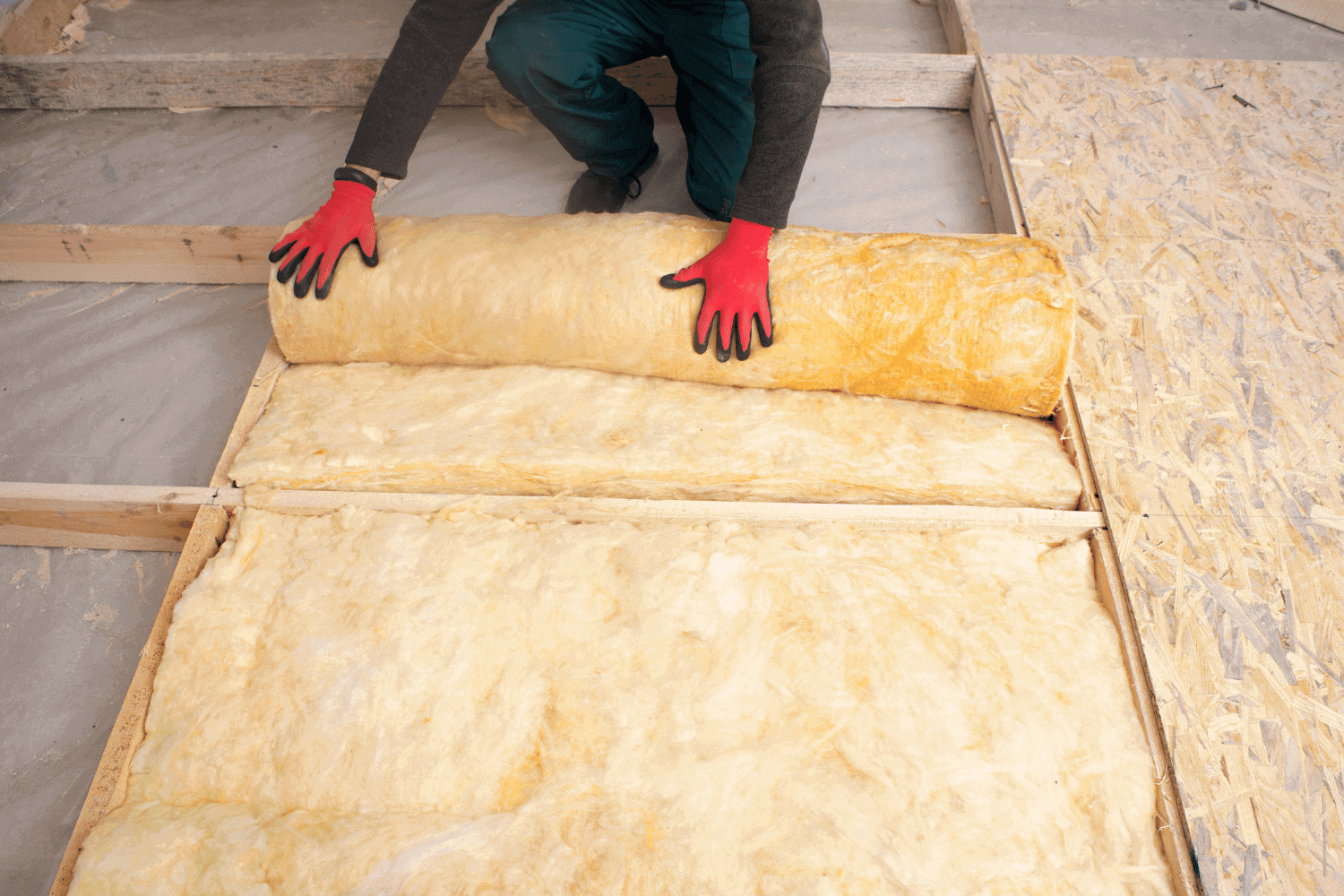
Frequently Asked Questions

What is the minimum roof slope for asphalt shingles?

The minimum roof slope for asphalt shingles is 2:12, although a slope of 3:12 with added protection is advisable for better performance.

Why is measuring roof slope important?

Measuring roof slope is vital for ensuring effective shingle installation and preventing water damage. Accurate slope measurements help maintain the roof’s integrity and functionality.

What are the risks of not meeting minimum roof slope requirements?

Not meeting minimum roof slope requirements poses significant risks, including water pooling, leaks, potential structural damage, and the possibility of voiding warranties. Ensuring proper slope is essential for the longevity and integrity of your roofing system.

What materials are recommended for low slope roofs?

TPO membranes are highly recommended for low slope roofs, as they provide excellent performance compared to asphalt shingles. Their durability makes them an ideal choice for these applications.

How does roof slope affect warranty coverage?

Roof slope significantly impacts warranty coverage, as failing to meet minimum slope requirements can result in voided warranties and expose homeowners to costly repairs.

An image depicting corrugated metal roofing panels in various colors and textures

Standing Seam Metal Roof vs Corrugated: Which is Right for You?

Standing Seam Metal Roof vs Corrugated: Which is Right for You?

Deciding between a standing seam metal roof vs corrugated metal roof? This article compares their durability, cost, and style to help you choose the best option for your home.

Key Takeaways

  • Metal roofing, including standing seam and corrugated options, offers exceptional durability, energy efficiency, and lower maintenance costs over time.
  • Standing seam roofs provide superior leak resistance and longevity, making them ideal for severe weather conditions, while corrugated roofs are more affordable but may require more frequent maintenance.
  • Choosing between the two involves considering factors such as budget, climate, aesthetic preferences, and installation complexity, with standing seam roofs being suitable for modern designs and corrugated roofs appealing to cost-conscious homeowners.

Why Choose Metal Roofing?

An image comparing standing seam metal roofs and corrugated metal roofs

Metal roofing is increasingly popular due to its unique benefits and a variety of styles, including standing seam and corrugated options. One of the most compelling reasons to choose a metal roof is its exceptional durability. Unlike traditional roofing materials such as asphalt shingles, metal roofs can last over 50 years with proper maintenance. This longevity translates to long-term value for homeowners, as it reduces the need for frequent replacements and lowers overall maintenance costs.

Another significant benefit is energy efficiency. Metal roofs reflect sunlight, which helps keep buildings cooler and reduces heating and cooling costs. This reflective quality makes metal roofing an environmentally friendly choice, as it can significantly cut down on your home’s energy consumption.

With better warranties and lower maintenance needs compared to traditional roofing materials, investing in a metal roof offers substantial long-term value.

Understanding Standing Seam Metal Roofs

Standing seam metal roofs are characterized by their interlocking metal panels that form a continuous seal, providing superior protection against varying weather conditions. These roofs feature a unique design with raised seams that not only enhance their aesthetic appeal but also improve leak resistance. The interlocking seams prevent water accumulation and allow the standing seam panels to expand and contract with temperature changes, ensuring long-term durability. A standing seam metal roof offers these benefits effectively.

Additionally, many standing seam roofing materials are made from recycled products, making them an environmentally friendly option.

Seam Design

The seam design of standing seam metal roofs is a distinctive characteristic. It sets them apart from other roofing options. These roofs boast raised seams that interlock tightly, providing a sleek, modern appearance and excellent leak resistance. This design is particularly effective in areas with heavy rainfall, as it prevents water accumulation and enhances the roof’s overall integrity.

The ability of the panels to expand and contract freely without compromising their structural integrity is another significant advantage.

Durability and Longevity

When it comes to durability, standing seam metal roofs are hard to beat. These roofs can last 75 years or longer with proper maintenance, far surpassing the lifespan of traditional roofing materials like asphalt shingles. The concealed fasteners reduce wear and tear, ensuring the roof remains intact even under severe weather conditions.

They are designed to withstand category 4 hurricane-force winds and other harsh weather, making them a reliable choice for any climate.

Energy Efficiency

Standing seam metal roofs are also highly energy efficient. Their reflective coatings reduce heat absorption, significantly lowering indoor temperatures during hot weather. These roofs reflect the majority of sunlight, which helps reduce energy costs and makes them ideal for energy-efficient homes.

The raised seams create an airspace that acts as an additional barrier against heat transfer, further enhancing their energy efficiency.

Installation and Cost

The installation process for standing seam metal roofs is complex and requires professional expertise. Due to their intricate design, precision is key, and hiring a professional roofing contractor is essential to ensure a proper installation.

While the initial installation costs may be higher compared to other roofing options, the long-term benefits and reduced maintenance needs can make it a cost-effective option in the long run.

Exploring Corrugated Metal Roofing

An image depicting corrugated metal roofing panels in various colors and textures

Corrugated metal roofing is known for its wavy or rippled profile, a design that has been a staple in commercial, agricultural, and non-residential settings for years. The alternating curved and wavy ribs provide not only structural strength but also a unique aesthetic. Additionally, a corrugated metal roof offers durability and longevity.

This type of roofing is particularly favored for its cost-effectiveness, making it an attractive option for many homeowners and businesses looking to balance functionality with budget constraints.

Affordability

One of the most significant advantages of corrugated metal roofing is its affordability. The lower material and installation costs make it a budget-friendly option for homeowners. Despite being cost-effective, corrugated metal roofs do not compromise on aesthetic flexibility, allowing homeowners to achieve a desired look without breaking the bank.

Ease of Installation

Corrugated metal roofing is notably easy to install, which makes it a viable option for DIY enthusiasts as well as professional contractors. The lightweight nature of corrugated metal panels simplifies the installation process, leading to quicker and more efficient setups.

Moreover, the design helps resist oil canning, adding stiffness and enhancing the roof’s overall durability.

Maintenance Requirements

However, maintenance requirements for corrugated roofs are higher due to the exposure of fasteners. Improperly installed fasteners can lead to significant leak vulnerabilities, necessitating regular checks and occasional recoating to maintain the roof’s integrity.

Key Differences Between Standing Seam and Corrugated Metal Roofs

An image showing various factors to consider when choosing metal roofing

While both standing seam and corrugated metal roofs offer durability and aesthetic appeal, there are critical differences to consider. Standing seam roofs typically have a higher initial cost due to their complex design and premium materials, whereas corrugated metal roofing is more affordable and easier to install.

Additionally, standing seam roofs are designed to endure severe weather conditions with minimal maintenance, while corrugated roofs may require more frequent upkeep due to exposed fasteners.

Aesthetic Appeal

From an aesthetic standpoint, standing seam roofs are often favored for their sleek, clean design, featuring vertical seams that create a modern and sophisticated look. Corrugated metal roofs offer a traditional, rustic charm with their wavy profiles and exposed fasteners.

Both styles have their unique appeal, catering to different aesthetic preferences and architectural styles.

Weather Resistance

In terms of weather resistance, standing seam roofs excel due to their concealed fasteners, which effectively prevent water penetration and leaks. Corrugated roofs, on the other hand, are more susceptible to leaks because of their exposed fasteners, making them less reliable in severe weather conditions.

They are rigorously tested for air leakage and water penetration, ensuring superior weather resistance.

Suitability for Different Roof Slopes

Standing seam roofs are versatile and can be installed on lower slopes with a minimum requirement of 1:12 pitch, making them suitable for a variety of architectural designs. This flexibility allows homeowners to choose standing seam roofing for both steep and less steep roof slopes, enhancing their applicability across different building styles.

Factors to Consider When Choosing Your Metal Roof

An image showing various factors to consider when choosing metal roofing

Choosing between standing seam and corrugated metal roofs involves considering several factors such as aesthetic preferences, budget, climate, and installation preferences. Each roofing type has its unique advantages and disadvantages, and understanding these can help you make a decision that aligns with your needs and circumstances.

Budget Constraints

Budget is often a primary consideration when choosing a roofing material. Standing seam metal roofs generally have a higher upfront cost due to the premium materials and specialized installation process they require. They can cost up to twice as much as corrugated metal roofs. This significant initial investment should be weighed against the long-term benefits and reduced maintenance costs standing seam roofs offer.

Climate Considerations

Climate plays a crucial role in determining the suitability of your roofing material. Standing seam roofs are highly effective in regions with severe weather, offering enhanced protection against leaks and damage.

In milder climates, corrugated metal roofs can be an adequate and more cost-effective choice. They are suitable for environments where extreme weather resistance is not a primary concern.

Installation Preferences

Your installation preferences will significantly influence your choice of roofing. Standing seam metal roofs require a complicated, labor-intensive installation process that necessitates professional expertise.

On the other hand, corrugated metal roofs are easier to install, making them more suitable for DIY projects or quicker professional installations.

Advantages and Disadvantages of Each Roofing Type

An image depicting the advantages and disadvantages of standing seam and corrugated metal roofing

Understanding the pros and cons of standing seam and corrugated metal roofing can help you make an informed decision. Metal roofs generally require lower maintenance compared to traditional roofing, and they often come with long warranties, ranging from 30 to 50 years. Understanding the advantages and disadvantages of each type will help you select the best roofing option for your needs.

Pros of Standing Seam Metal Roofs

Standing seam metal roofs are renowned for their long-term durability, often lasting over 50 years with proper maintenance. They are considered a good investment due to their longevity, energy efficiency, and modern aesthetic appeal.

The sleek lines and flat panels of standing seam roofs enhance the visual appeal of homes, while their design allows for excellent energy efficiency by reflecting sunlight and reducing heat absorption.

Cons of Standing Seam Metal Roofs

However, standing seam metal roofs come with a higher initial cost compared to other roofing options. They can be two to three times more expensive than corrugated metal roofs, which is a significant financial commitment. Additionally, the installation process is complex and labor-intensive, requiring skilled labor and specialized equipment.

Pros of Corrugated Metal Roofing

Corrugated metal roofing offers significant advantages, including affordability, ease of installation, and a traditional aesthetic. Its lower material and installation costs make it a popular choice among budget-conscious homeowners.

The ease of installation allows for quicker setups, making corrugated roofs suitable for DIY projects or professional installations that need to be completed swiftly.

Cons of Corrugated Metal Roofing

On the downside, corrugated metal roofs have multiple exposed fasteners, which can lead to potential leak risks. They are more prone to leaks and require higher maintenance due to the exposed fasteners. Regular maintenance, including general upkeep every 15 years, is necessary to maintain the integrity of corrugated metal roofs, especially in extreme weather conditions.

Making Your Decision

Choosing the right roofing option involves considering various factors, including budget, climate, and installation preferences. Reputable roofing services like Skywalker Roofing, known for their high-quality custom metal roofs, can ensure a successful installation and long-term satisfaction. Evaluating the reputation and services of different roofing companies can also play a crucial role in your decision-making process.

Ideal Scenarios for Standing Seam Roofs

Standing seam roofs are particularly well-suited for structures with complex rooflines and contemporary architectural styles. These roofs provide excellent performance and aesthetics in specific architectural scenarios, making them a preferred choice for homeowners seeking a modern and durable standing seam roof solution.

Ideal Scenarios for Corrugated Roofs

Corrugated metal roofing is recommended for budget-conscious homeowners looking for a cost-effective option. Its affordability and simpler installation process make it suitable for DIY projects or quicker professional installations.

Additionally, its traditional charm appeals to those who prefer a rustic aesthetic, despite the higher maintenance needs due to exposed fasteners.

Summary

In summary, both standing seam metal roofs and corrugated metal roofs offer unique advantages and challenges. Standing seam roofs provide superior durability, energy efficiency, and a modern aesthetic, making them ideal for areas with severe weather. On the other hand, corrugated metal roofs are more affordable and easier to install, making them a practical choice for budget-conscious homeowners. By considering your budget, climate, and aesthetic preferences, you can make an informed decision that will enhance the longevity and appeal of your home.

Frequently Asked Questions

What are the main differences between standing seam and corrugated metal roofs?

Standing seam roofs feature concealed fasteners and a sleek design, making them more modern, whereas corrugated roofs have exposed fasteners and a wavy profile that reflects a more traditional aesthetic.

Which type of metal roofing is more affordable?

Corrugated metal roofing is typically the more affordable option, offering lower material and installation costs compared to other types of metal roofing.

Are standing seam roofs better for severe weather conditions?

Absolutely, standing seam roofs excel in severe weather due to their superior leak resistance and durability. This design helps ensure longevity and reliability in challenging conditions.

Can I install corrugated metal roofing myself?

Yes, you can install corrugated metal roofing yourself, as it is designed for ease of installation and is suitable for DIY projects.

How long can a standing seam metal roof last?

A standing seam metal roof can last 75 years or more with proper maintenance. Investing in this type of roofing ensures long-term durability.