home siding 1920w

The Best Types of Siding for Your Home | A&M Home Services

The Best Types of Siding for Your Home

Home Siding

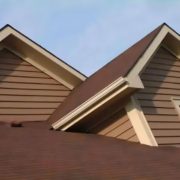
The siding on your home plays a crucial role in not only protecting your home from the elements but also in creating your home’s aesthetic appeal. If you’re considering updating the siding on your home, you might be wondering what your options are. Luckily, there are several types of siding to choose from to fit your style and budget.

Vinyl Siding

Vinyl siding is a popular option thanks to its affordability and easy maintenance. Vinyl comes in a wide range of colors and styles, and it won’t fade or chip over time. It also tends to be easier to install, which can save you some money on installation costs. It’s important to note, however, that vinyl may crack or warp in extreme weather conditions.

Insulated Vinyl Siding

Insulated vinyl siding is a step up from regular vinyl siding, offering an additional layer of thermal insulation. This type of siding has foam insulation material, usually expanded polystyrene (EPS), adhered to the back, which helps reduce energy costs by maintaining a consistent temperature within the home.

Not only is insulated vinyl siding more energy-efficient, but it also tends to be stronger and more resistant to damage from impacts. It’s slightly costlier than the traditional vinyl siding, but the extra investment may pay off in terms of improved home energy efficiency and durability.

Wood Siding

If you’re looking for a classic, natural look for your home, wood siding could be the perfect choice for you. Wood siding is known for its durability and beauty, and it can be painted or stained to match your personal style. However, wood siding is one of the more expensive options, and it requires regular maintenance to prevent rot and insect infestations.

Fiber Cement Siding

Fiber cement siding is made from cement, sand, and wood fibers, making it an extremely durable and weather-resistant option. It can be made to mimic the look of wood or stone and can be painted in any color, giving you plenty of options to create your home’s unique look.

While fiber cement siding may be pricier than vinyl, it’s still more affordable than wood siding and doesn’t require as much maintenance.

Brick Siding

Brick siding is a timeless option that brings a classic look to any home. Not only is it durable and low-maintenance, but it’s also fire-resistant. Brick siding can come in a range of colors and styles, from traditional red bricks to more modern, painted options.

However, brick can be quite expensive to install, and it can be difficult to change the color or design if you decide to update your home’s aesthetic later on.

Stucco Siding

Stucco siding is a popular option in warmer climates, as it’s designed to reflect sunlight and keep your home cooler during hot summer months. It’s a versatile material that can be painted any color or texture, meaning it can match any type of exterior design. However, it can be prone to cracking and chipping over time, so it may require repairs more frequently than other siding options.

Stone Veneer Siding

Stone veneer siding comprises thin slices of natural or manufactured stones that are mounted on a panel. It’s a versatile and cost-effective option for those looking for a way to add character and texture to their home’s exterior. Stone veneer siding is durable, weather-resistant, and easy to maintain.

When it comes to choosing the right siding option for your home, factors such as your budget, the climate you live in, and your desired aesthetic should all come into play. Whether you opt for the classic look of wood siding or the affordability of vinyl, there’s a siding type out there that will fit your needs.

Take the time to research the options and find the perfect siding to keep your home protected and looking its best. Talk with a professional at A&M Home Services to learn more.

thinking

Basement Waterproofing Methods | A&M Home Services

Methods Of Waterproofing For Your Home Basement

Basement Waterproofing

A dry basement is crucial for the overall health and stability of your home. Water damage can lead to foundation issues, mold growth, and a range of other problems. Investing in professional waterproofing is essential to ensure your basement’s protection. In this blog post, we will explore various methods of professional waterproofing for your home basement, including foundation repair, crawl space repair, sump pumps, French drains, and more.

Foundation Repair: Settling, Cracks, Bowed Walls, and Wall and Floor Gaps

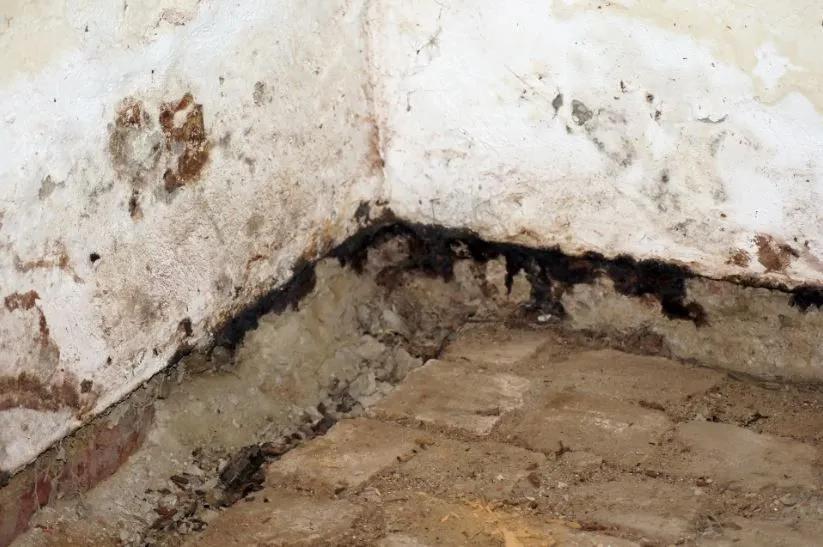
One of the primary areas that require attention when it comes to basement waterproofing is the foundation. Cracks, settling, bowed walls, and wall and floor gaps can create pathways for water to enter your basement. These issues, if left unaddressed, can lead to significant water damage and compromise the structural integrity of your home.

To tackle foundation cracks, professional contractors often employ epoxy injections. This method involves injecting epoxy into the cracks, which then hardens and seals the gaps—effectively preventing water intrusion. By utilizing this technique, homeowners can ensure a durable, watertight foundation that will stand the test of time.

In addition to addressing cracks, professional waterproofing experts can also tackle settling issues by installing foundation piers or helical tiebacks, which provide the necessary support to stabilize the foundation. These structural repairs not only safeguard your home against water-related problems but also contribute to the long-term stability and safety of the entire structure.

Crawl Space Repair

Crawl spaces are often neglected areas of the home, but they play a vital role in maintaining a dry basement. Issues such as moisture buildup, mold growth, and poor insulation in the crawl space can directly impact the basement’s waterproofing. Professional contractors offer crawl space repair solutions to address these concerns.

Encapsulation is a popular method used to protect crawl spaces. This process involves covering the crawl space with a moisture barrier, sealing off any potential sources of water intrusion. Additionally, crawl space insulation helps regulate temperature and prevent moisture-related issues that can lead to basement problems.

Sump Pumps

Sump pumps are essential tools in basement waterproofing. These devices work to drain excess water away from your basement, preventing flooding and water damage. Professional contractors can install and maintain sump pumps to ensure the effectiveness of these systems.

During installation, the contractor will inspect your basement and determine the best location for the sump pump. They will then dig a sump pit and install the pump, which will automatically activate when water levels rise. Regular maintenance and testing of the sump pump are crucial to ensure it functions whenever you need it, as flooding emergencies can happen unexpectedly.

French Drains

French drains are another effective method of basement waterproofing. These drainage systems collect and redirect water away from the foundation, preventing water buildup around your basement walls. Installing French drains involves digging trenches, placing drainage pipes, and covering them with gravel or a permeable membrane.

Professional contractors use their expertise to install French drains strategically to address your basement’s unique needs. These drains can be installed on both the interior and exterior of your basement walls, depending on the specific requirements of your home.

Proper waterproofing is essential to protect your home basement from water damage and related issues. By investing in professional waterproofing services, such as foundation repair, crawl space repair, sump pumps, and French drains, you can maintain a dry and safe basement. Remember, as a homeowner, it’s essential to consult with licensed contractors who specialize in basement waterproofing to ensure the best results and long-lasting protection for your home.

If you want to learn more about waterproofing for your home’s basement, contact us at A&M Home Services today.

basement

Saving Money With Basement Waterproofing

How Can Basement Waterproofing Save You Money?

Basement Waterproofing

The real question that is begged is how basement waterproofing does save you money. Basements require a lot of things to stay functional and dry. Should you fulfill all of these needs, they will not only give you a dry basement, but they can also provide you with peace of mind when concerned about the safety of your belongings. Basements are typically used for storage and should not be neglected. Many people keep some of their important family belongings in the basement, and they have no monetary value.

In a finished basement, we keep a lot of expensive things. Some people even elect to keep a movie theater in their basement. Some choose to keep a game room in their basement, which usually is an assortment of different entertainment mediums and little to some gaming solutions.

However, when asked, “how will the basement waterproofing service save me money if I have to spend money on it?” The simple answer is that it won’t. However, it is important to realize that if you do not ensure your basement is not properly kept up, it can cause a wide array of issues to pop up. Humidity, for example, is one of the largest detriments to belongings in your home when placed in a basement and is, more importantly, a risk to your home. If your basement takes on any water, you are at risk of wood rot in your ground-level flooring due to the humidity levels. If the flooring is replaced due to the basement’s humidity level, it will only happen again because the root cause is not addressed. This can be easily regulated whenever basement waterproofing work is done properly.

So, when you ask yourself if holding off on basement waterproofing is worth it, the short answer is it’s not. It is very important to concern yourself with the state of your basement and be sure that it is functioning as it should before you consider adding anything above it that it supports.

Water

Protecting Your Basement From Water Damage

Protecting Your Basement From Water Damage

Safe Guarding Your Basement From Water Damage

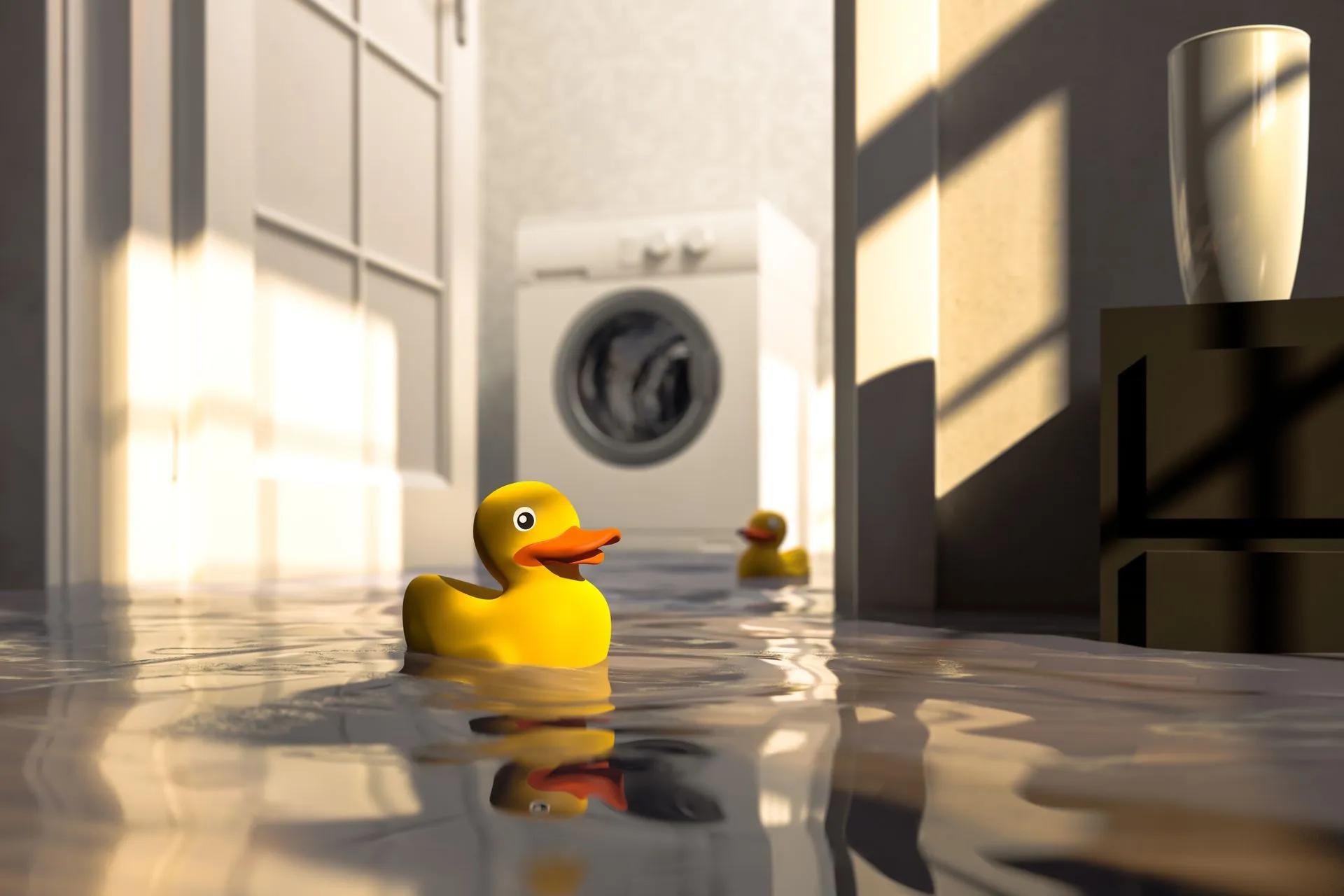
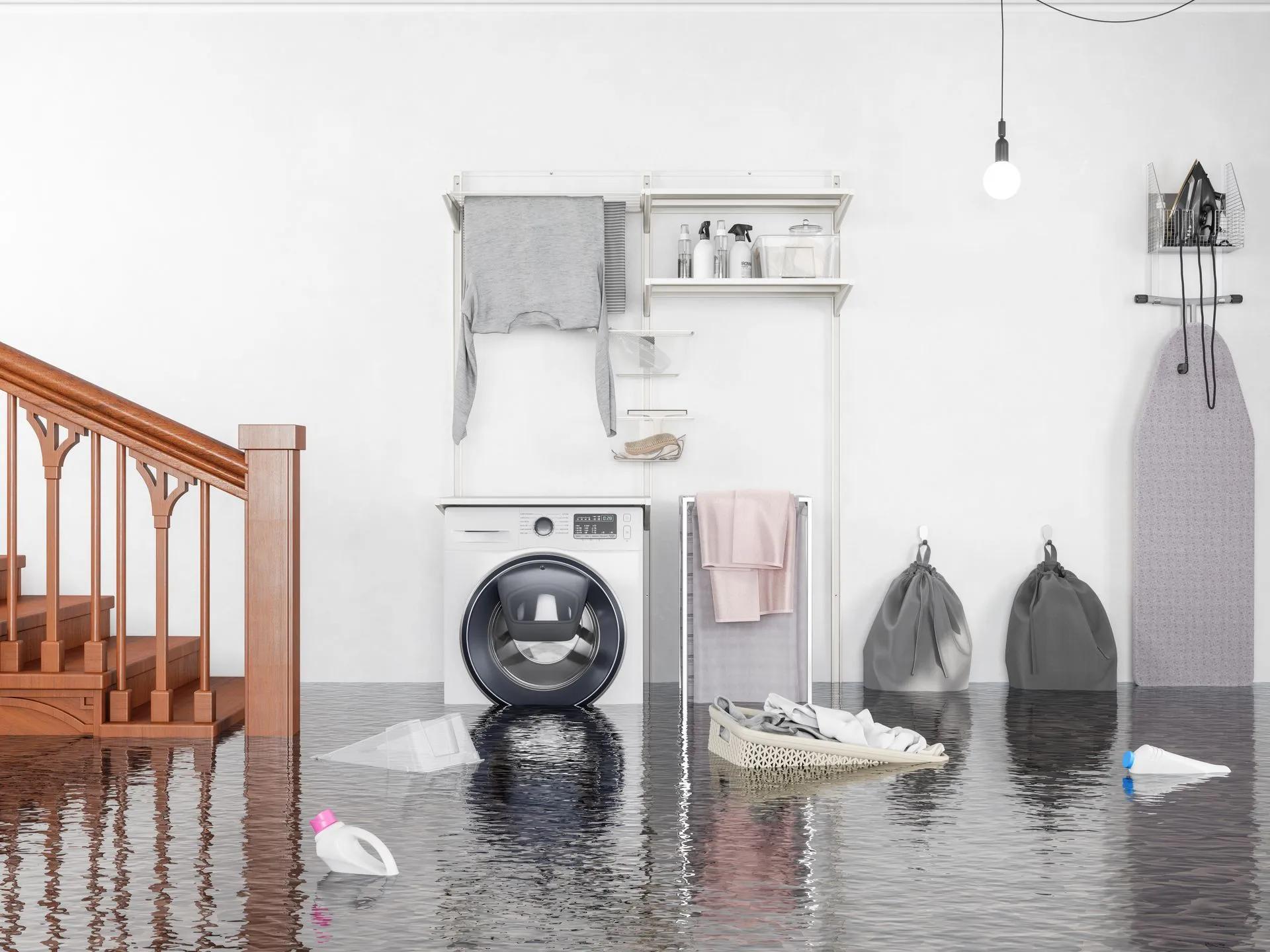
So let’s say it rains, and your basement takes on significant water. Nobody wants to deal with damaged valuables or large amounts of water in their basement. There are two ways that this happens. One is that one of the components in your basement waterproofing system has gone kaput. Or, two, you don’t have a waterproofing system in your basement.

Regardless of the issue, it would be best if you looked into having a basement waterproofing system installed to protect your home from water intrusion better.

Our team at A&M SafeBasements offers several solutions for any basement waterproofing issue you may be experiencing. From sump pump installations to carbon fiber wall crack repairs, we can install any of them quickly with minimal intrusion in your home.

A sump pump is possibly the most important piece for any homeowner’s basement waterproofing system. Sump Pumps typically attach to the power of your home. If your sump pump fails, water can be introduced to your basement, this is especially bad if it happens during a large storm. But, if you lose power to the main pump during the storm, you could have also installed a battery backup pump, allowing your Waterproofing System to work completely even when no power is available.

Preventing Water Damage in Your Basement

Preventing Water Damage in Your Basement

Preventing Water Damage in Your Basement

Preventing Water Damage in Your Basement

If you’ve ever had a wet and leaky basement, you understand all the hassles involved. But, like maintenance on a car, maintenance on your basement is good, too, to ensure it keeps water out of your basement for years to come.

So, to ensure the belongings you may be storing in your basement are dry, and any living space you have in your basement stays dry, here are some tips you can follow to help ensure your basement’s safety from water.

Sump Pump System

If you have only one pump, one pump, and a battery backup, or multiples of each, it is important to note that these never kick on until you need them during a storm. However, if you have never seen them in action, it is crucial to test them, so you have peace of mind should a heavy storm come. Therefore, it is very important to check your sump pump system. Here’s how:

1) Test your Sump Pump System

If your sump pump(s) turn on, you have a confirmation that they do indeed work as they should. However, you aren’t done yet! Fill up your sump pit with water.

2) Test your Battery Backup System

This is probably equally or more important than your actual sump pumps. To do this, switch off the power leading to the sump pump system. Once you have done that, fill your sump pit with water; if your battery backup works, it should turn on the same as your main sump pump. Don’t forget to switch the power back on for the main sump pump system when you’re done testing.

3) Clean out your gutters and downspouts

When considering keeping your basement dry, it does not pertain to just checking your foundation for cracks and checking to ensure your sump pumps are operational. The maintenance also can reside outside the basement as well. Gutters and downspouts do their job by collecting water that flows down the roof and then routing it out and into the yard. With a properly graded yard, the water will then flow down and away from the house. But, it is important to note that the gutters and downspouts will not work as intended if they are not cleaned and maintained. You may be able to lengthen the intervals between gutter cleanings with a Leaf Relief Gutter Protection System. However, this is not a reason not to check your gutters for clogs.

When you are finished checking your home for all the potential for water entering the basement and then properly eliminating them, you will be all the better. You can maintain confidence that you will have a dry basement for years.

prep for spring

Preparing For Spring

Preparing For Spring

Preparing for Spring

Spring and Summer are finally upon us here in Indiana. However, it is important to remember that heavy rains and severe storms come with spring. We experienced a high level of rainfall in Indiana last year and the year before. This rainfall can cause Home damage and basement flooding, leaving some families without a place to call home.

Our staff at A&M SafeBasements of Indiana has your back. We can help you install a premium basement waterproofing system to protect yourself from the potential flooding and heavy rains we may experience this spring.

Warning Signs of Foundation Damage and Water Intrusion

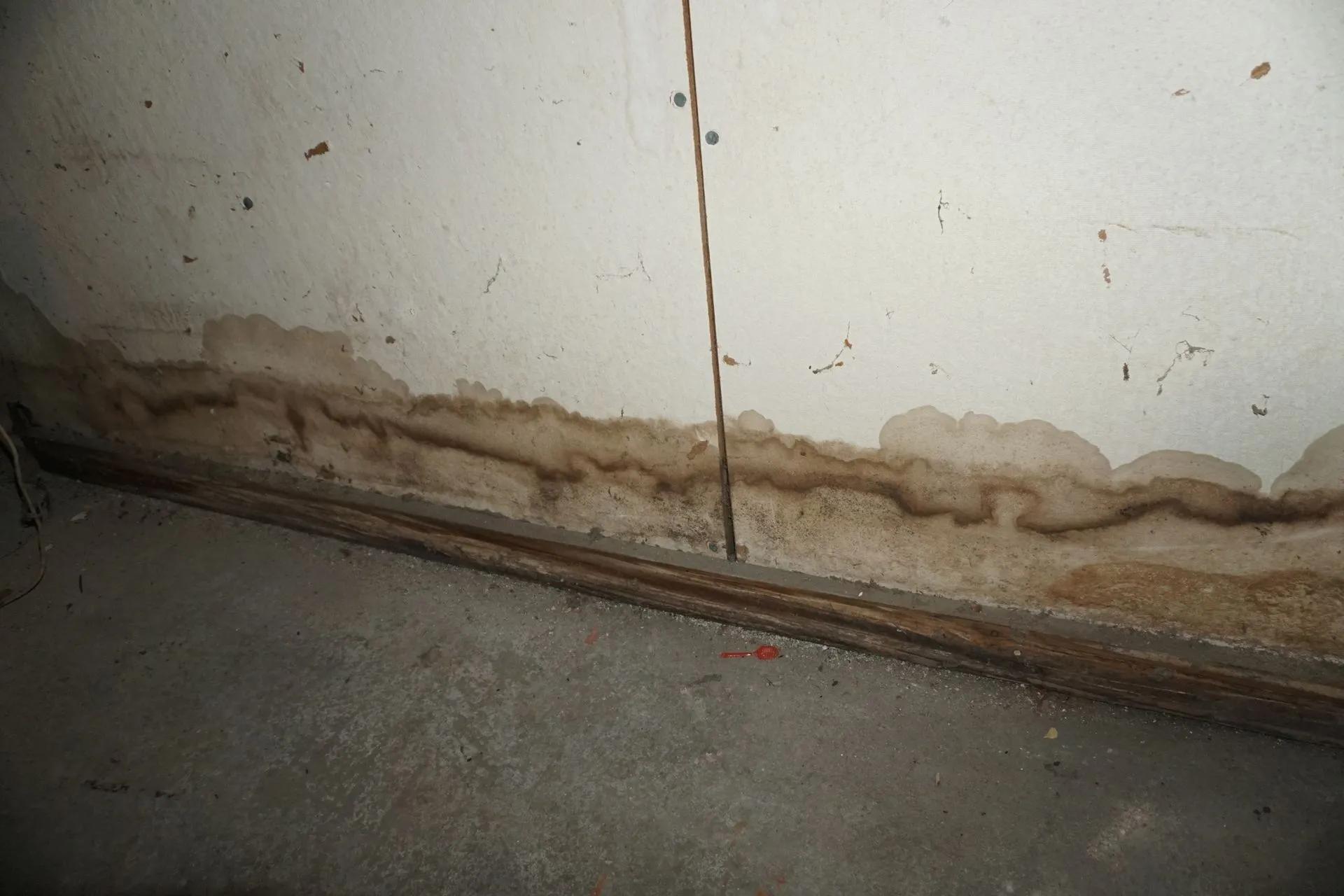
Here is a list of other problem signs that could allow water to find its way into your basement:

  • Concrete floor cracks
  • Concrete or block basement wall cracks
  • Damp drywall
  • Efflorescence
  • Damp carpet
  • Condensation on pipes or exposed beams
  • Leaking window
  • Musty basement smell
white window

Window Frame | A&M Home Services

Choosing A Window Frame: Wood, Vinyl, Or Fiberglass?

5423ec03 f302 4015 9ac2 6b2028eeec9f 1920w

Selecting the perfect window frame material for a home or building project is more than just an aesthetic decision—it’s a balance between durability, maintenance, energy efficiency, and budget. Today’s market presents a variety of choices, with wood, vinyl, and fiberglass among the most popular options. This post aims to enlighten readers on the unique features and benefits of each material, providing guidance for making informed decisions that align with both your vision and practical needs.

The Timeless Appeal of Wood Frames

Wood has been a traditional choice for window frames for centuries, appreciated for its natural beauty and classic charm. It offers unmatched versatility, easily adaptable to designs and specific architectural styles. Wood also provides excellent insulating properties, contributing to energy efficiency in homes.

However, sophisticated as they are, wood frames require considerable upkeep. They are prone to weathering over time, demanding regular treatment and repainting to maintain their condition and aesthetic value. This commitment to maintenance should be factored into the decision-making process.

Consider wood frames for their aesthetics and insulation, but remember the upkeep involved. They can be a long-lasting investment, offering warmth and elegance to any Home when maintained properly.

Vinyl Frames: The Practical Choice

For those seeking a balance between cost-effectiveness and low maintenance, vinyl window frames are an excellent choice. Made from PVC (polyvinyl chloride), these frames provide good insulation and do not require painting or staining. As they are impervious to rot and pests, vinyl frames stand the test of time without the same level of care that wood demands.

Vinyl frames might not have the same warmth as wood, but they come in a range of colors and styles to complement various design preferences. One caveat is that extreme temperatures can affect vinyl, potentially causing it to warp or crack over time.

Select vinyl window frames if you value durability and practicality, as they provide a worry-free solution without compromising on performance and style.

High-Performance Fiberglass

Fiberglass frames are a newer entrant in the market but have quickly become a favored option for their superior performance and resilience. These frames are constructed from glass fibers and resin, creating a material that is strong, energy-efficient, and resistant to weathering.

Pairing the insulating benefits of wood with strength that surpasses vinyl, fiberglass frames requires minimal maintenance. They resist fading, warping, and cracking, ensuring long-term durability. Additionally, fiberglass can be painted, offering some degree of customization that vinyl does not.

While fiberglass window frames may come at a higher price point, their longevity and energy-saving capabilities present an advantageous proposition. They are particularly well-suited for areas with harsh weather conditions due to their robustness.

Making Your Decision

When choosing between wood, vinyl, and fiberglass for window frames, consider factors such as climate, Home style, and how much time and resources you are willing to invest in maintenance. A sound decision balances functional requirements with the distinctive character each material brings to a Home’s facade.

Wood frames could be the hallmark of a classically styled home but would benefit from a homeowner dedicated to their preservation. Vinyl offers ease and sustenance, especially suitable for modern constructions or those looking for a hassle-free option. Fiberglass stands at the intersection of innovation and efficiency, impeccable for those prepared to invest in long-lasting quality.

The selection should align with one’s personal preferences, lifestyle, and the character of the Home they are enhancing. Hopefully, this insightful comparison guides readers toward a choice that not only meets but exceeds expectations, ensuring satisfaction through every season.

Remember to consult with a professional to consider all aspects of window frame selection, including installation, energy codes, and product warranties. The sophistication of an informed choice will reflect in the comfort and beauty of your living space for years to come.

Contact us for help selecting your windows.

Exploring Commercial Roofing Options: TPO and EPDM