emergency-roof-repair

Year-Round Roof Maintenance Guide to Extend the Life of Your Roof in Northern Indiana and Southern Michigan

Year-Round Roof Maintenance Guide to Extend the Life of Your Roof in Northern Indiana and Southern Michigan

Every season in Northern Indiana and Southern Michigan brings new challenges for your roof, from heavy lake-effect snow to intense summer heat. Regular roof maintenance helps extend roof life, prevent costly repairs, and keep your home protected year-round. This seasonal roof maintenance guide offers practical steps suited to local weather, including how to manage snow and ice, clean gutters, trim overhanging branches, and maintain attic ventilation.

Whether your goal is to improve energy efficiency, prevent roof leaks, or avoid emergency repairs, these maintenance tips will help you keep your roof strong and your home safe through every season.

Key Takeaways

  • Seasonal roof maintenance keeps homes in Northern Indiana and Southern Michigan safe from leaks, heat damage, and costly repairs.
  • Winter protection includes clearing snow, checking insulation, and maintaining gutters to prevent ice dams and roof strain.
  • Spring and summer care involves inspections, cleaning gutters, trimming branches, and improving ventilation for better roof performance.
  • Fall preparation ensures gutters, flashing, and shingles are secure before freezing temperatures and heavy snow arrive.

Winter Roof Maintenance in Northern Indiana and Southern Michigan

Manage Snow and Ice Buildup

Lake-effect snow from Lake Michigan can pile up quickly across South Bend and Granger, placing heavy stress on shingles and roof valleys.

Use a roof rake, a soft broom, or a leaf blower to safely remove snow after each storm. Avoid metal shovels, which can damage asphalt shingles. Keeping the roof clear minimizes moisture infiltration and prevents unnecessary strain on the roof deck.

During extreme weather, it’s also a good idea to inspect your roof with proper safety gear before ice buildup causes structural damage or leaks. Regular maintenance during this season helps protect your roof from costly repairs.

Prevent Ice Dams and Attic Condensation

Ice dams are one of the most common winter roofing problems in Northern Indiana. They form when warm attic air melts snow, which then refreezes along the eaves. To prevent this, check that your attic insulation and soffit vents are working efficiently.

Our team recommends proper ventilation to balance indoor and outdoor temperatures, reducing heat loss, and preventing ice buildup. We regularly upgrade attic ventilation systems in areas like Mishawaka and Fort Wayne to stop recurring ice dam issues.

This is a key part of any winter roof maintenance checklist that keeps your roof system in good shape and prevents costly structural damage later.

Check Gutters and Downspouts in Freezing Weather

Frozen gutters can lead to water backup under shingles and cause fascia board damage. Regularly clean gutters and inspect drainage systems to maintain proper water flow. Ensure that downspouts extend several feet from your foundation to prevent refreezing near basement walls.

Homeowners throughout Kendallville and Elkhart often overlook this simple step, yet it’s one of the best ways to avoid expensive damage when the freeze-thaw cycle begins. It also helps prevent water infiltration and supports a healthy roof year-round.

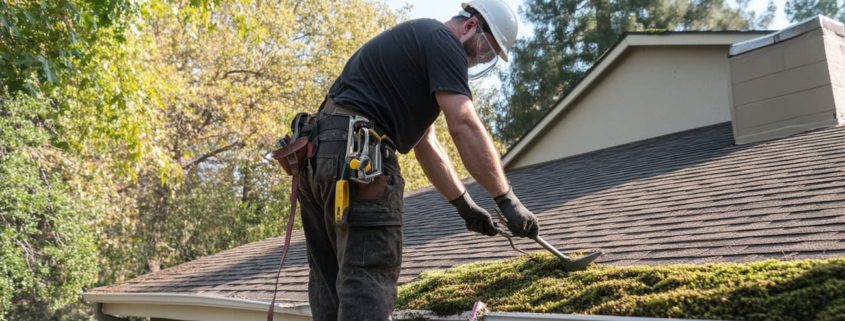
emergency-roof-repair

Spring Roof Maintenance for Post-Winter Recovery

Inspect for Winter Damage

Once the snow melts, spring is the time to assess what winter left behind. Fluctuating temperatures can cause cracking, missing or damaged shingles, and flashing separation. Walk around your home and look for loose granules in gutters, which indicate shingle wear.

Regular roof inspections are the best way to identify minor repairs early and prevent roof leaks before they start. Our spring inspections often uncover early-stage issues that extend roof life and improve your home’s structural integrity.

Clean Gutters and Improve Drainage Systems

Spring storms in Northern Indiana can quickly overwhelm a gutter system if debris buildup from fall and winter remains trapped. Clean gutters regularly and check for sagging sections that impede flow. If your home is surrounded by tree branches from tall oaks or pines, installing gutter guards is a smart investment.

This proactive step keeps your gutter system clear and supports proper drainage away from the foundation, protecting both the roof and the basement. A well-maintained roof depends on keeping water flowing freely through drainage systems to prevent mold growth and water stains inside the home.

Trim Overhanging Branches and Prevent Moss Growth

Spring is also the season to address overgrown trees.

Overhanging branches in neighborhoods like Plymouth can scratch shingles and drop other debris into roof valleys. Trim trees and overhanging branches at least six feet from the roofline to allow sunlight to dry moisture that could encourage mold growth.

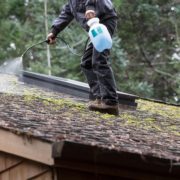
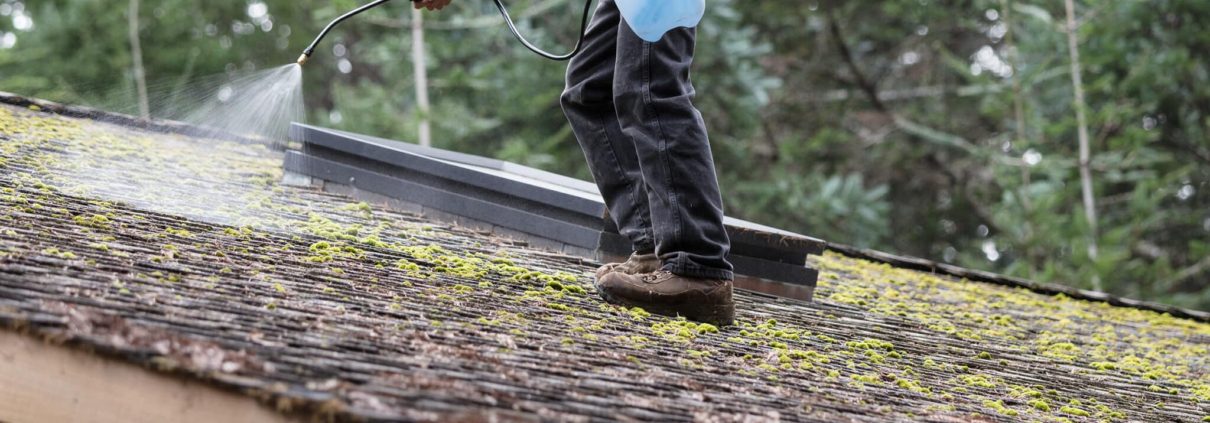
Our team frequently removes moss buildup as part of seasonal maintenance, ensuring your roof remains in top shape throughout the warmer months. Regular maintenance during spring helps keep your roof looking new and prevents premature deterioration.

Summer Roof Care to Beat the Heat

Check for Heat-Related Damage

Indiana summers can push temperatures above 90°F, and prolonged summer heat can cause asphalt shingles to blister, curl, or dry out.

Inspect your roof’s surface for bubbling or dark spots. These often appear on south-facing slopes that receive the most sun exposure. Homeowners in Logansport and Warsaw should pay special attention to older roofs with limited reflective roofing materials.

We offer professional roof inspections to evaluate heat damage and recommend roof maintenance tips or replacement options that extend the roof’s lifespan.

Adding solar panels or reflective shingles can further improve energy efficiency and help keep your roof in top condition.

Improve Attic Ventilation and Insulation

Good attic ventilation is crucial during the summer.

Blocked roof vents or insufficient soffit airflow can trap heat, raising attic temperatures and straining cooling costs. Make sure soffit vents and ridge vents are unobstructed, and verify your attic insulation is sufficient to prevent heat transfer.

Proper ventilation not only reduces heat buildup but also prevents trapped humidity that can encourage mold growth inside your attic.

Regular maintenance and professional inspection of attic ventilation protect your home’s structural integrity and ensure a healthy roof for years to come.

Clear Debris and Maintain Roof Surfaces

Summer thunderstorms often scatter branches, leaves, and other debris onto rooftops. Use a broom or leaf blower to clear your roof’s surface and keep gutters regularly maintained. Debris buildup traps moisture beneath damaged shingles, leading to rot or leaks.

Regular roof maintenance helps prevent these issues and keeps the roof system functioning at its best. Roofing contractors recommend regular inspections after major storms to catch problems early and maintain reliable performance through every season.

Fall Roof Maintenance Before Harsh Weather Sets In

Clear Gutters and Prepare for Rain

Autumn brings both falling leaves and heavy rain, making gutter cleaning a top priority.

In cities like Goshen, homeowners often experience clogged gutters that cause water to back up under shingles. Clearing gutters and downspouts before temperatures drop prevents trapped moisture from freezing and causing ice dams once winter arrives.

Regular maintenance and gutter cleaning in the fall help protect your roof from premature deterioration and keep your home ready for the next season.

Inspect Flashing and Roof Valleys

The transition from warm to cold weather can expose weaknesses around chimneys, skylights, and roof valleys. Our team frequently finds cracked flashing and sealant separation during fall inspections.

Repairing these areas now ensures your roof remains watertight through snow and freezing rain. Including this in your roof maintenance checklist will help extend roof life and maintain proper ventilation.

A quick check by a roofing professional can make all the difference in catching problems early and preventing water stains or costly repairs.

Schedule Professional Roof Inspections

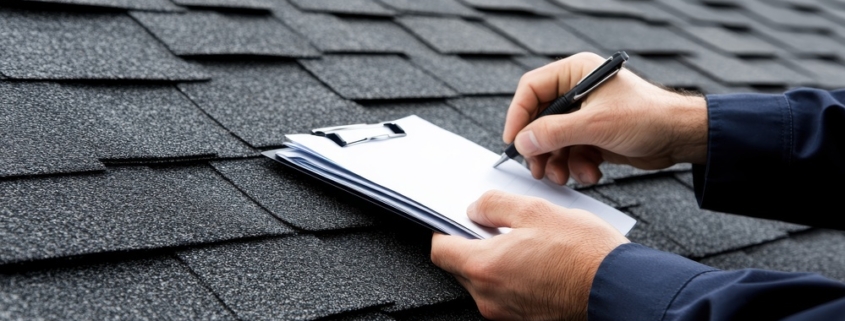
Before winter settles in, schedule a professional inspection with us.

Our GAF President’s Club-certified roofing contractors will check for missing shingles, roof leaks, damaged vents, and deteriorating caulk lines. Fall is also an ideal time to perform minor roof repairs before snow and ice arrive.

A professional inspection ensures your roof system is prepared for extreme weather and remains healthy through every season. Investing in regular roof maintenance and professional care keeps your roof well-maintained and ready for anything.

Need Expert Help With Seasonal Roof Care?

A&M Home Services offers free roof inspections to identify damage from harsh Indiana winters and spring storms. Our certified roofing professionals handle everything from gutter cleaning to minor repairs, ensuring your roof stays strong through every season.

Schedule Your Free Roof Inspection Today

Frequently Asked Questions

What is the best time of year to schedule a roof inspection?

The best time to schedule a roof inspection is in spring or fall, when weather conditions allow safe access and any seasonal damage can be repaired before harsher weather arrives.

How often should gutters be professionally cleaned?

Gutters should be professionally cleaned twice a year to ensure proper water flow, prevent foundation or siding damage, and keep the entire roof system functioning efficiently throughout the changing seasons.

Can roof maintenance help improve home energy efficiency?

Regular roof maintenance improves energy efficiency by ensuring proper ventilation, balanced insulation, and intact roofing materials, which help regulate attic temperatures and reduce strain on heating and cooling systems year-round.

What signs indicate poor attic ventilation affecting roof performance?

Common signs of poor attic ventilation include excessive attic heat, condensation, musty odors, and ice dams, which can all contribute to shingle deterioration and reduced overall roof performance if not professionally addressed.

Repair

3-Tab vs. Architectural Shingles: What Works Best for Northern Indiana Storm Seasons

3-Tab vs. Architectural Shingles: What Works Best for Northern Indiana Storm Seasons

Northern Indiana homeowners face a unique mix of weather challenges that put constant pressure on roofing systems. Strong winds off Lake Michigan, sudden hailstorms, heavy snow loads, and repeated freeze-thaw cycles all test how well asphalt shingle roofs hold up over time. Choosing between 3-tab shingles and architectural shingles is not just a style decision here, but a performance decision that affects storm resistance, roof leaks, and the overall roof’s life.

From neighborhoods in South Bend to rural homes outside Plymouth and Kendallville, the difference between these roofing materials becomes clear after a few harsh seasons.

Key Takeaways

  • Northern Indiana storm seasons expose key performance differences between 3-tab and architectural shingles.
  • Wind resistance, installation quality, and roof deck preparation play a larger role here than in milder climates.
  • Many premature roof failures we see are tied to material limitations combined with improper installation.
  • Understanding local weather patterns helps homeowners choose roofing materials that deliver real value over time.

Repair

Storm Performance of 3 Tab vs Architectural Shingles

Based on what we see during inspections and post storm repairs across the region, these performance areas consistently separate short term durability from long term roof protection.

Wind Resistance During Northern Indiana Storms

In areas like Granger and along open farmland outside Fort Wayne, strong winds are one of the most common causes of roof damage we respond to. Three-tab shingles have a flatter profile and fewer seal points, which makes them more vulnerable to shingle blow off when wind speeds climb during severe weather.

Architectural shingles are thicker and heavier, with multiple bonding layers that create better wind resistance, especially when properly installed to the manufacturer’s specifications.

After major storm events, missing shingles and loose shingles are far more common on older 3-tab roofs.

Performance Against Hail and Falling Debris

Hail damage and impact from tree branches are frequent service calls after summer storms in Northern Indiana. Three-tab shingles tend to show cracked shingles, granule loss, and bald spots more quickly because the material is thinner and absorbs impact directly.

Architectural shingles distribute impact across layered asphalt, reducing tear points and slowing visible roof damage.

In neighborhoods with mature trees, like older sections of South Bend, this difference often determines whether a roof needs minor roof repair or full roof replacement.

Freeze-Thaw Cycles and Long-Term Durability

Repeated freeze-thaw cycles are one of the biggest stressors on asphalt shingle roofs in this region. Moisture that gets under shingles expands as it freezes, leading to curling shingles and early signs of failure. 

Three-tab shingles are more prone to lifting at the edges during these cycles, especially when attic ventilation is limited. Architectural shingles maintain their seal longer and resist edge lift, which helps prevent roof leaks during late winter thaws.

UV Exposure and Summer Heat Breakdown

Summer heat and prolonged exposure to UV rays can accelerate asphalt breakdown, even in Northern Indiana. Three-tab shingles often show black streaks, uv degradation, and granule loss sooner because there is less asphalt mass to protect the roof system.

Architectural shingles offer better protection against trapped heat and uv rays, especially when paired with ridge vents and balanced attic ventilation. This difference becomes noticeable in roof inspections after just a few summers.

How to Choose the Right Shingle for Northern Indiana Homes

Choosing the right shingle for a Northern Indiana home goes beyond appearance or upfront cost and comes down to how well the entire roof system is matched to local conditions, installation practices, and long-term performance expectations.

Matching Roofing Material to Exposure Conditions

Homes on open lots near lakes, fields, or elevated terrain experience stronger and more consistent wind. In these exposure conditions, architectural shingles or even metal roofing options like standing seam systems offer better long-term protection.

Three-tab shingles may work on sheltered properties, but they often struggle in high wind zones common in northern counties. Choosing roofing materials that match your exposure reduces the risk of storm damage and premature roof failure.

Installation Quality Matters More Than Shingle Type

Many homeowners focus on materials without realizing how much poor installation affects performance. Improper installation, such as incorrect nailing patterns or rushed sealing, leads to loose shingles and roof leaks regardless of shingle type. Architectural shingles are more forgiving, but even high-quality materials fail early when installed incorrectly.

Working with an experienced roofing contractor who understands local building codes and storm patterns makes a measurable difference.

Roof Deck Condition and Ventilation Considerations

A solid roof deck and proper attic ventilation are critical in Northern Indiana climates. Older homes in areas like Mishawaka often have decking issues that contribute to water damage and shingle movement during storms.

Three-tab shingles installed over uneven decking show early failure faster than architectural shingles. Ridge vents, balanced intake, and addressing attic moisture help any asphalt roof replacement last longer.

Budget, Longevity, and Real Value Over Time

While three-tab shingles may cost less upfront, the roof’s life is often shorter in extreme weather conditions. Architectural shingles typically provide better real value by reducing repair frequency and extending replacement timelines.

Many homeowners who initially choose 3-tab later face higher long-term costs due to wind damage repairs and insurance claims. Evaluating monthly financing options instead of just material price helps homeowners invest in protection that lasts.

Schedule a Roof Inspection Before Storm Season

If you are unsure which roofing material is right for your Northern Indiana home, a professional roof inspection can identify early signs of damage and exposure risks.

At A&M Home Services, we’ve been serving the region since 2011, helping homeowners prepare for severe weather with high-quality materials and properly installed roof systems. Schedule an inspection now the next storm season to prevent costly repairs and unexpected leaks.

Frequently Asked Questions

Are architectural shingles better for high winds in Northern Indiana?

Architectural shingles generally perform better in high winds due to their heavier weight and stronger seal points, especially when installed correctly.

Do 3-tab shingles fail faster in cold climates?

In regions with frequent freeze-thaw cycles, 3-tab shingles are more likely to curl, crack, and experience shingle blow-off over time.

How often should I have my roof inspected for storm damage?

Regular inspections after severe weather and at least once a year help catch early signs of roof damage before leaks develop.

Can poor attic ventilation cause shingle failure?

Yes, trapped heat and moisture in the attic can shorten the life of asphalt shingles and contribute to premature roof failure.

Is metal roofing a better option for extreme weather?

Metal roofing offers excellent wind resistance and durability, but asphalt shingles remain a popular and effective option when properly installed and maintained.

Roofing

Signs of Poor Roof Installation Every Indiana Homeowner Should Spot Early

Signs of Poor Roof Installation Every Indiana Homeowner Should Spot Early

Living in Fort Wayne means your roof faces constant pressure from freeze-thaw cycles, strong winds, summer storms, and heavy snowfall. When a roof is not installed correctly, these conditions expose problems much faster than homeowners expect. Poor installation does not always show up right away, but small warning signs can quickly turn into roof leaks, structural damage, and costly repairs if they are missed.

Understanding what to watch for allows homeowners in Fort Wayne to protect their roof’s lifespan and avoid unnecessary damage.

Key Takeaways

  • Poor roof installation often reveals itself within the first few seasons of Indiana weather.
  • Issues like roof leaks, damaged shingles, and poor attic ventilation should never be ignored.
  • Freeze-thaw cycles in Northern Indiana can worsen minor installation mistakes quickly.
  • Timely professional roof inspections help prevent further damage and protect warranties.

Roofing


Early Warning Signs of Poor Roof Installation in Indiana Homes

Improper installation problems tend to surface gradually. These warning signs are commonly found during roof inspections across Fort Wayne neighborhoods, as well as nearby communities like Granger and Kendallville.

Missing or Damaged Shingles

When shingles are missing, cracked, or sliding out of place shortly after installation, it often points to improper fastening or alignment that may eventually require professional roof replacement if left unresolved. In Fort Wayne, high winds and major storms quickly expose loose shingles that were not secured correctly.

From a roofing contractor’s perspective, this type of damage allows water infiltration and shortens the roof’s lifespan far earlier than expected.

Roof Leaks and Water Stains

Roof leaks are one of the most obvious signs of poor roof installation, especially around vent pipes, flashing, and roof valleys, where targeted roof repair is often needed. Water stains on ceilings or attic decking often indicate that roofing components were not sealed properly. Left unaddressed, these leaks can lead to mold growth, moisture build-up, and even structural issues inside the home.

Poor Attic Ventilation

Improper ventilation is a common installation mistake that affects many Fort Wayne homes and is frequently identified during routine roof inspections. When attic airflow is restricted, trapped heat and moisture can damage the roof deck and attic insulation.

From a service provider’s viewpoint, poor attic ventilation accelerates shingle aging and increases the risk of ice dams during winter.

Uneven Roof Edges and Valleys

Roof edges and valleys should appear straight and uniform when installed correctly, which is why consistent roof maintenance plays an important role in spotting early installation flaws.

Uneven lines or visible dips often signal rushed workmanship or incorrect underlayment placement. In Northern Indiana, these weak points collect water and debris, increasing the likelihood of leaks and costly damage over time.

Ice Dams During Winter Months

Ice dams forming along roof edges are a strong indicator of installation or insulation issues that commonly impact homes throughout Fort Wayne and the surrounding Northern Indiana areas. Freeze-thaw cycles cause snow to melt and refreeze when heat escapes through the roof.

As contractors, we often see ice dams tied directly to improper attic insulation or ventilation installed during a new roof project.

What to Do Next After Spotting Installation Problems

Taking action early helps homeowners avoid major repairs and protects their investment.

Schedule a Professional Roof Inspection

A professional roof inspection allows roofing companies to identify hidden damage that may not be visible from the ground. In Fort Wayne, regular inspections are especially important after severe weather or major storms.

Using advanced tools, professionals can assess roofing components, flashing, and the roof deck before small issues become significant damage.

Address Necessary Repairs Quickly

Timely repairs prevent roof problems from spreading into other areas of the home. From a service provider’s perspective, delaying roof leak repair often leads to water damage, mold growth, and even structural damage.

Addressing installation flaws early reduces long-term costs and preserves the roof’s condition.

Protect Manufacturer Warranties

Many manufacturer warranties can be voided if installation errors are ignored or repaired incorrectly. A professional inspection documents issues properly and ensures repairs meet manufacturer requirements.

This step is critical for homeowners in Fort Wayne who want long-term peace of mind and warranty protection.

Plan for Long-Term Roof Performance

Some installation problems may signal the need for partial corrections or, in severe cases, roof replacements. A trusted roofing contractor can help homeowners determine whether repairs are sufficient or if a new roof is the better long-term solution.

This guidance helps protect the home from further damage and unexpected expenses.

Schedule a Roof Inspection with A&M Home Services

If you suspect signs of poor roof installation on your Fort Wayne home, the next step is a professional evaluation. A&M Home Services provides thorough inspections focused on protecting your home from roof leaks, moisture intrusion, and structural damage. Homeowners can schedule a free roof inspection to gain clarity, prevent costly repairs, and restore peace of mind.

Ready to take action? Contact us today to get started.

Frequently Asked Questions

How soon do signs of poor roof installation appear?

In Fort Wayne, signs can appear within the first year, especially after summer storms or winter freeze-thaw cycles. Missing shingles, leaks, and ventilation issues often show up early when installation was done incorrectly.

Can poor roof installation cause structural damage?

Yes. Improper installation can allow water infiltration that damages the roof deck, attic, and framing. Over time, this moisture can lead to structural damage if not addressed.

Are roof leaks always caused by installation problems?

Not always, but many early roof leaks are tied to poor flashing, vent pipe sealing, or valley installation. A professional roof inspection can determine whether leaks stem from workmanship or normal aging.

How often should Fort Wayne homeowners schedule roof inspections?

Regular roof inspections are recommended at least once a year and after major storms. Consistent inspections help catch issues early and keep the roof in peak condition.

Why Gutter Installation

Why Quality Gutters Are Essential to Protect Your South Bend Home

Why Quality Gutters Are Essential to Protect Your South Bend Home

In South Bend, it only takes one heavy storm or late freeze to reveal whether your gutters are working—or failing. At A&M Home Services, we’ve seen how poor drainage leads to foundation cracks, basement leaks, and even mold inside the walls. That’s why we install and maintain gutter systems designed to move water safely away from your home and protect it season after season.

If you’ve ever wondered why gutters matter—or what happens when they don’t work—here’s what every local homeowner needs to know.

Key Takeaways

  • Quality gutters in South Bend keep homes safe by preventing foundation cracks, water damage, and costly structural repairs.
  • A dependable gutter system protects basements, siding, and fascia boards from flooding, leaks, mold, and other moisture problems.
  • Properly maintained gutters safeguard landscaping by reducing soil erosion, stopping standing water, and deterring pests around the home.
  • Regular inspections, seamless upgrades, and preventive maintenance ensure gutters work year-round and protect homes through every season.

Gutters Prevent Foundation Damage in Freeze-Thaw Cycles

Why Gutter Installation

South Bend winters bring heavy rainfall, snowmelt, and freeze-thaw cycles that can stress your home’s foundation.

When rain gutters fail to channel water away from your home, moisture seeps into the ground and can cause a damaged foundation, leading to cracks and structural issues. Proper drainage is essential to keep your foundation intact, especially in areas with shifting soil.

That’s why most homes in South Bend require gutters that direct water away from vulnerable spots before it can lead to costly foundation problems or structural damage.

They Reduce Risk of Basement Flooding in Storm-Heavy Seasons

Basement flooding is a real risk in South Bend neighborhoods with older sewer systems and improperly installed gutter systems. Without quality gutter installation, water from storms can pool around the home’s perimeter, overwhelming the soil and seeping into lower levels.

For areas like River Park or Rum Village, where flooding can happen frequently due to elevation and soil composition, having a reliable system of rain gutters, downspouts, and gutter guards is critical to keeping your property dry and protected.

Gutters collect rainwater and direct water safely away to prevent basement leaks and indoor water damage.

They Protect Siding and Fascia from Water Damage

Overflow from clogged or sagging gutters allows moisture to spill over onto exterior walls, siding, and fascia boards, increasing your risk of rot and deterioration.

This not only damages your home’s curb appeal but can also compromise the structural integrity of walls and roofing systems. In tree-dense neighborhoods, other debris like twigs and seeds can clog gutters and create standing water that erodes wood and even attracts mold.

Gutters protect these elements by collecting water and guiding it through gutter guards and downspouts, maintaining a dry, sealed envelope around your house.

They Prevent Soil Erosion Around Landscaping

Rain runoff that’s not managed properly can lead to soil erosion around your home’s landscaping, washing away mulch, gravel, and topsoil with every storm. Even a garden hose can cause damage if water consistently pools near your foundation.

In suburban areas near South Bend, where gardens and flowerbeds are common, like Granger or Mishawaka, the importance of gutters goes beyond drainage. It protects your investment in your outdoor space.

Quality gutter systems help prevent erosion and maintain the shape and health of your garden, yard, and hardscaping.

They Help Avoid Mold Growth and Moisture Problems

Poor gutter performance can cause moisture buildup that encourages mold growth, especially inside attics, crawlspaces, and wall cavities. This can worsen indoor air quality and cause health concerns. In humid Indiana summers, rain that isn’t redirected properly can sit on surfaces, increasing the risk of mold and pests like termites.

In extreme cases, standing water can attract other pests such as rodents and mosquitoes—especially after long periods of heavy rainfall.

Effective gutters protect your home by managing rainwater, reducing potential water damage, and keeping moisture away from your home.

What to Do if You Think Your South Bend Home Doesn’t Have Quality Gutters

Not sure if your gutters are doing enough to protect your South Bend home? Here’s how to evaluate your system and take action before small issues become costly repairs.

Schedule a Free Gutter Inspection with a Local Expert

If you’re unsure whether your gutters are doing their job, call in a professional. We offer regular maintenance checks across South Bend and surrounding Northern Indiana communities to inspect for sagging sections, debris buildup, and leaks.

During a free inspection, we assess the key benefits of your current system and identify any threats to your home’s roof, siding, or foundation.

Whether you have traditional gutters or a newer setup, we’ll recommend options to fix issues and help keep your home safe year-round.

Look for Signs of Water Pooling or Foundation Settling

Pooling water or washed-out soil near your home’s base is a red flag.

When gutters aren’t able to collect or channel water effectively, the results can include puddling, erosion, and visible settling. These symptoms of foundation problems tend to show up quickly after storms and are more likely in areas with various types of soil, like those surrounding South Bend’s many riverbeds and creeks.

Addressing these signs early can prevent costly repairs and keep your property structurally sound.

Inspect for Sagging or Clogged Sections—Especially Under Tree Cover

Clogged gutters can cause overflow that damages siding and fascia boards.

Check for visible blockages from debris or other pests, as well as any sections that have pulled away from your roofline. Use a garden hose to test the flow. If the water backs up or spills over, your gutters aren’t performing properly.

Gutters are important to every home’s weather defense, especially in regions like Georgetown or Wooded Estates, where tall tree coverage can block the sun and trap moisture.

Consider Upgrading to Seamless Gutters and Gutter Guards

Installing seamless gutters reduces leaks and blockages compared to traditional gutters, and gutter guards help prevent the buildup of leaves, twigs, and other debris.

These upgrades are ideal for reducing maintenance in dry climate spells and minimizing the attraction of mosquitoes after a storm.

In addition to better performance, seamless systems blend in with your home’s trim for a cleaner aesthetic. This investment pays off in the long run, protecting your home’s foundation, walls, and roof.

Get Ahead of Winter With Preventive Maintenance

In South Bend, winter storms can create ice dams that damage your roof and gutters. Before temperatures drop, have your gutters cleared of debris and inspected for damage.

This simple step ensures your system is ready to collect snowmelt and direct water away from the foundation. Neglecting this can lead to water pooling, interior leaks, and damaged foundation walls.

Preventive maintenance is the best way to extend the life of your gutter system and protect your home through seasonal shifts.

Ready to Protect Your South Bend Home?

Whether you’re dealing with overflow, sagging gutters, or suspect signs of foundation trouble, A&M Home Services has the experience and awards to back up our work. We’ve been serving Northern Indiana and Southern Michigan for more than 14 years, and we’re proud to be a GAF Master Elite contractor committed to long-term results.

Schedule Your Free Gutter Inspection Today

Protect your home with a properly designed, expertly maintained gutter system. Contact our team to get started.

Frequently Asked Questions

Why gutters matter even if my home shows no foundation problems yet?

Gutters matter because unseen moisture can still weaken soil and framing. Early protection is crucial to prevent future foundation problems and preserve the structural integrity of your Northern Indiana home.

How can a rain gutter system help with attracting mosquitoes around my home?

Standing water from clogged gutters is a leading cause of attracting mosquitoes. A clear rain gutter system drains water safely, which is crucial for pest prevention and home comfort.

Is gutter installation necessary if my property slopes away from the foundation?

Yes, gutter installation is still crucial. Even sloped lots around the South Bend area can suffer erosion or pooling near entry points. Gutters protect your foundation and reduce long-term risks to structural integrity.

Why are gutters important on homes with mature trees nearby?

Mature trees generally drop more debris, clogging your gutter system. That’s why gutters are important to clean regularly or upgrade with guards to prevent backups and water-related damage.

An illustration comparing different roof warranties and their lifespan, emphasizing the importance of warranty coverage.

What to Expect from Your Roof Warranty in Northern Indiana and Southern Michigan and When to Act

What to Expect from Your Roof Warranty in Northern Indiana and Southern Michigan—and When to Act

A roof warranty can offer real peace of mind, especially when you understand what it covers and how our certified team helps you maintain it over time. At A&M Home Services, we help Northern Indiana and Southern Michigan homeowners get more than just paperwork. With more than 14 years of trusted local experience, we help them get lasting protection.

If you’re planning a new roof or want to avoid common warranty pitfalls, here’s what to know before and after installation.

Key Takeaways

  • Roof warranties come in two types that cover materials and workmanship for different parts of your roof.
  • Certified contractors and proper documentation help homeowners keep warranty coverage active and reliable.
  • Regular inspections, fast repairs, and clean gutters protect your roof and keep your warranty valid.
  • Signs like leaks, moss, or lifting shingles mean you should contact your roofer before your warranty is at risk.

How to Get the Most From Your Roof Warranties

An illustration comparing different roof warranties and their lifespan, emphasizing the importance of warranty coverage.

If you want your roof warranty to actually deliver protection—not just paperwork—you need to approach every step of the process with clarity. Here’s how you can make sure the warranty holds up when it matters most:

Understand the Two Types of Roof Warranties Available

For homeowners in Northern Indiana and Southern Michigan, two types of roof warranties play a critical role in long-term protection: a standard roofing warranty from the manufacturer and a workmanship warranty from your contractor. Each offers different coverage components—one focusing on roofing materials and the other on the roofer’s workmanship.

If you’re investing in a new roof for a house near the Mishawaka Riverwalk or historic downtown Plymouth, understanding this distinction is the first step in ensuring complete roof system coverage.

Choose a Certified Roofing Contractor with Proven Credentials

To safeguard your roof warranty, it’s essential to work with a certified roofing contractor who uses approved roofing products and understands proper installation procedures. Our crews are a GAF Master Elite contractor—a distinction that unlocks enhanced warranty options for your complete roof system.

Whether your home is near local landmarks like Potato Creek State Park near North Liberty or Kendallville’s Bixler Lake Park, working with a trusted roofer ensures performance that meets national standards and lifetime warranty eligibility.

Keep All Warranty Documents and Registration Info Handy

After your roof is installed, register your warranty with the manufacturer and store a copy of the paperwork. This becomes essential when you’re dealing with any warranty-related service in St. Joseph County or nearby areas like Plymouth, Kendallville, or Granger.

The length of the warranty varies by brand and materials used, so keeping complete documentation on hand makes the claim process far easier. Think of it like having a map of your roof’s history—critical for homeowners looking to protect their investment.

Know What Is and Isn’t Covered in Your Warranty

Standard warranties typically exclude damage from storms, pests, or moss accumulation—especially in tree-lined neighborhoods around parks like Centennial Park in Plymouth or Elkhart’s Island Park.

Many roofing materials are durable, but their performance can be impacted by improper maintenance or the freeze-thaw cycles and lake-effect moisture common in Northern Indiana and Southern Michigan.

As you sort through the details, remember that your warranty may be limited to specific defects or installation errors outlined by the manufacturer. Knowing what is and isn’t covered helps you make informed decisions about additional layers of protection.

Don’t Wait to Ask Questions About Coverage Terms

Whether you’re buying a house near Kendallville’s historic Main Street district or investing in upgrades for a business property in downtown Fort Wayne, it’s smart to clarify all warranty terms before finalizing your roofing contract.

Ask how long the labor is covered, whether the warranty includes performance guarantees, and if any defective materials would be replaced. Understanding these details helps ensure that your investment in roofing protection pays off over the life of your roof.

How to Protect Your Roof Warranty Through Smart Maintenance

Warranties are only as strong as the roof maintenance behind them. To keep your coverage intact and your roof performing at its best, here’s what you should be doing after installation:

Schedule Annual Roof Inspections from a Certified Contractor

Routine roof inspections by a certified roofing contractor prevent problems from escalating into costly warranty issues. Our certified crews look for installation-related concerns and verify that all components are performing as expected.

This proactive approach matters even more in areas near Forest Park in Mishawaka or residential neighborhoods around Plymouth’s River Park Square, where seasonal weather shifts can test the durability of shingles and other roofing components.

Address Minor Issues Before They Become Major Warranty Problems

Early signs of defects—like loose shingles, pooling water, or cracked flashing—should be addressed right away. Ignoring small issues can snowball quickly, but catching them early keeps your warranty protections solid.

Even in quiet towns on the outskirts of Elkhart County, such as Bristol or Middlebury, summer storms can accelerate wear. Protecting your warranty means addressing every issue promptly, especially when labor and material coverage depend on a timely response.

Avoid DIY Fixes That Could Compromise Warranty Terms

DIY repairs may save upfront costs, but they often void warranties—particularly if unapproved tools, building materials, or installation techniques are used. Roofing contractors understand the specific standards that manufacturers require.

For homeowners around the South Bend Civic Theatre district or Fort Wayne’s Arts Campus, hiring a local certified contractor helps ensure your labor and material coverage remains intact under all warranty terms.

Keep Your Roof and Gutters Clear of Debris Year-Round

One of the most overlooked threats to roof warranties is neglect, especially clogged gutters and debris buildup.

Shaded areas around Elkhart’s Cobus Creek County Park or wooded neighborhoods in Granger often encourage moss growth and pooling water, which can void warranties due to improper maintenance. Regular cleaning helps protect roofing products, maintain performance, and avoid disputes caused by preventable damage.

Document All Maintenance and Repair Work on Your Roof

Keeping invoices, inspection reports, and photos on hand makes the warranty claim process far easier.

Whether you live near historic Harter Heights in South Bend or Kendallville’s Orchard Park neighborhood, staying organized shows manufacturers and contractors that the roof has been maintained correctly.

This level of diligence reassures warranty representatives that your claim is legitimate.

When It’s Time to Call Your Roofing Contractor About Warranty Concerns

Warranties are designed to protect you and your home—especially when small concerns are handled before they grow. If you’re seeing any of these signs around your Northern Indiana and Southern Michigan home, it’s time to get your roofing contractor involved:

You Notice Shingle Curling or Bald Spots on Your Roof

If you see curling shingles or balding spots—especially on roofs with asphalt shingles installed in the last few years—it may signal defective materials or improper installation.

In many neighborhoods throughout Northern Indiana, where roof conditions vary depending on age and product type, this is a key trigger for contacting your roofer about a potential warranty claim.

Leaks Reappear After a Previous Repair

Recurring leaks near roof valleys, vents, or skylights—especially on buildings in older parts of the region like South Bend’s Chapin Park Historic District or Fort Wayne’s West Central neighborhood—are common signs of workmanship issues. A roofing contractor can assess whether a previous roof repair failed due to poor labor or faulty components.

These problems often qualify for workmanship warranty protection when reviewed promptly.

You Hear or See Unusual Lifting or Movement After Wind Events

If your roof seems to lift or flap after a major weather event—common in areas around open fields or near Four Winds Field in South Bend or Parkview Field in Fort Wayne—it could signal improper fastening or damaged shingles.

Because weather patterns vary greatly across Michiana, roofs exposed to winter winds or open terrain often experience more stress than others.

You Discover Moss or Algae Spreading Across Shaded Roof Areas

In neighborhoods rich with tree cover—such as neighborhoods in Granger or wooded areas near Edwardsburg, Michigan—moss can take hold and deteriorate roofing materials over time.

Although not always covered under a standard roofing warranty, issues affecting the underlayment or other core roofing components may still qualify for manufacturer review.

Flashing or Roof Penetrations Show Early Signs of Rust or Gaps

If flashing around chimneys, skylights, or attic vents begins to rust or separate, it can signal faulty installation, especially in homes that recently received a new roof but now show early wear.

In areas with a rich architectural past, like Mishawaka’s Edgewater neighborhood or Plymouth’s historic East Jefferson Street district, addressing small signs early helps protect the structure long-term.

Protect Your Roof Investment With Help From A&M Home Services

Your roof is a substantial investment, and your warranty is only as strong as the team standing behind it. At A&M Home Services, we help Northern Indiana and Southern Michigan homeowners get the most out of their roof warranties through expert installation, detailed inspections, and dependable maintenance.

If you’re unsure about your current warranty coverage—or suspect issues that may be covered—our team is ready to provide a free inspection and clear guidance on your next steps.

We’re proud to serve Northern Indiana and nearby Southern Michigan communities with award-winning service and trusted protection.

Frequently Asked Questions

What exclusions are common in a standard roofing warranty that might surprise homeowners?

A standard roofing warranty often excludes damage from foot traffic, satellite dishes, or non-approved repairs. Ask your contractor during your visit to explain how exclusions could affect your long-term protection.

Does a roofing contractor’s workmanship warranty apply if multiple companies work on the roof?

A roofing contractor’s workmanship warranty usually applies only to work done by their team. If other companies are involved, coverage may be limited or voided depending on the terms.

What should you know about roofing materials when installing a new roof in Michiana?

Roofing materials should match Michiana’s freeze-thaw climate. Choose products rated for the region, with warranties backed by companies known across the country for their nationwide performance and lifetime coverage.

Can certified companies extend warranty benefits beyond what’s standard?

Yes. Certified companies can offer upgraded warranty benefits. For example, enhanced plans may include lifetime coverage, extended labor protection, and added peace of mind with fewer restrictions on claim eligibility.

A visual representation of signs indicating a roof needs replacement, including missing shingles and water damage.

Is Your Basement Ready for Winter? Key Signs Northern Indiana and Southern Michigan Homes Shouldn’t Ignore

Is Your Basement Ready for Winter? Key Signs Northern Indiana and Southern Michigan Homes Shouldn’t Ignore

Winters across Northern Indiana and Southern Michigan can be relentless. And if your basement isn’t ready, the damage can come fast. Between melting snow, freeze-thaw cycles, and damp air settling in for months, even small signs of moisture can escalate into costly repairs or structural issues. Whether you live in South Bend or anywhere across the Michiana area, now is the time to take a closer look below ground.

In this guide, we’ll walk through the most important signs your basement needs waterproofing before winter—and the steps you can take right now to protect your home’s foundation, health, and long-term value.

Let’s start with the warning signs you shouldn’t ignore.

Key Takeaways

  • Basement moisture during Indiana winters often starts with small signs like water stains, peeling paint, and musty odors.
  • Cracks, pooling snow, or a sump pump that runs too often may mean your foundation is at risk.
  • Taking early steps like sealing cracks, upgrading pumps, and waterproofing walls can prevent costly damage to your house.
  • Free inspections from A&M Home Services help Northern Indiana and Southern Michigan homeowners stay safe, dry, and protected all winter long.

Water Stains on Walls or Floors

A visual representation of signs indicating a roof needs replacement, including missing shingles and water damage.

If you’re seeing brown streaks or darkened concrete in your Plymouth or Granger basement, those water stains are not cosmetic. They’re early signs your basement needs waterproofing before winter. As snow melts and refreezes during Indiana’s freeze-thaw cycle, hydrostatic pressure builds up around your basement walls.

These stains are often the first indication of water intrusion before full-force basement flooding occurs, especially in damp basements with poor drainage history.

Peeling Paint and Damp Spots

Peeling paint on walls or bubbling along basement floors often reveals deeper issues related to moisture and dampness. These symptoms signal that your waterproof coating may no longer be effective.

In homes throughout Fort Wayne and Mishawaka, trapped rainwater and melting snow can seep through tiny gaps or cracks, resulting in damp spots that jeopardize your home’s foundation and may eventually lead to significant water damage if left untreated.

Musty Odors and Mildew Growth

Musty odors are a clear warning that moisture has been lingering too long, creating the ideal environment for mildew growth. Damp air promotes mold and mildew, which not only damages surfaces but also presents health risks such as worsening allergies, especially in homes with children or elderly family members.

In basements across Northern Indiana and Southern Michigan, prolonged dampness can compromise air quality, increasing concerns for your family’s health.

Small Cracks in Basement Walls or Floors

Cracks in basement walls or floors are often overlooked until it’s too late. These small cracks can expand as water seeps in and freezes—especially during harsh winter storms in Northern Indiana and Southern Michigan—causing even structural damage.

Leaks that begin in these areas might appear harmless at first, but over time, repeated pressure from the freeze-thaw cycle can severely weaken your home’s foundation.

A Running or Overwhelmed Sump Pump

When a sump pump runs constantly or struggles to keep up, it may be undersized or worn out. This can pose a risk during the winter months when ice melt and seasonal rain hit full force.

For homeowners in Northern Indiana’s flood-prone neighborhoods, ensuring your sump pump is properly installed and maintained is a simple step toward long-term protection against basement flooding and costly repairs.

Signs of Ice Melt or Snow Pooling Near the Foundation

Snow buildup that turns to pooling water around your house is a key red flag.

If your gutters are clogged or improperly angled, water will overflow and saturate the soil surrounding your foundation. This creates pressure on basement walls, especially in areas where rain and snow are frequent.

Over time, water seeping through these weak points can lead to damp basements, water damage early in the season, and future water damage during the spring thaw.

How to Prepare Your Basement for Winter in Northern Indiana and Southern Michigan

When you start noticing early warning signs of moisture or damage in your basement, taking action before the winter months hit full force is crucial. These proactive steps will help protect the foundation, basement walls, and your family’s health—offering long-term protection and peace of mind.

Schedule a Free Winter Waterproofing Inspection

If you’ve noticed any of the signs mentioned, scheduling a basement waterproofing inspection is the first step toward prevention. At A&M Home Services, we serve homeowners across Northern Indiana and Southern Michigan with trusted, community-based solutions.

Our team checks for structural damage, moisture gaps, seeping pipes, and debris buildup, helping you take proactive steps before winter weather causes even greater damage.

Install or Upgrade Your Sump Pump

Upgrading or installing a reliable sump pump system ensures you’re protected when the next storm rolls through.

When combined with backup power and a high-capacity pump, your system can prevent even the worst-case scenarios—protecting your floors, basement walls, and belongings from melting snow or unexpected ice dam leaks.

For homes with a history of drainage issues, especially in basements near hilly terrain, this step is crucial.

Seal Small Cracks with Professional-Grade Sealants

Our team applies industrial-strength waterproof sealants to address small cracks before they expand. These cracks often develop near wall joints, floor transitions, or even beneath windows.

By sealing them early, you eliminate entry points for moisture, protecting your foundation, walls, and floors from long-term damage. This approach reduces risk and avoids costly repairs brought on by neglected gaps during harsh Indiana weather.

Add Exterior Waterproofing or a French Drain System

Installing an exterior waterproofing system or a French drain system around your home helps reroute water away from vulnerable basement areas. These installations are especially effective in neighborhoods across Northern Indiana and Southern Michigan, where the soil tends to retain moisture.

They work in tandem with downspout extensions and gutters to prevent rain and ice melt from building up around your home’s foundation. These solutions are engineered to reduce the risk of future water damage while providing long-term structural protection.

Remove Mold and Apply Waterproof Coatings

When mold growth is already present, removing it quickly is essential for your family’s health. We clean and treat basement surfaces with antimicrobial solutions before applying a new waterproof coating designed to resist mildew growth and moisture penetration.

This dual-layer approach provides lasting defense during wet weather, protecting your basement and restoring peace of mind.

Redirect Roof Runoff with Gutters and Downspout Extensions

Redirecting roof runoff with properly installed gutters and downspouts is one of the simplest ways to reduce risk during the winter months.

By controlling where rain and melting snow flow, you can prevent water from seeping into your basement and affecting your home’s history of structural reliability. Properly sealed and sloped gutters prevent pooling, ice damming, and water intrusion that can weaken even the strongest basement waterproofing systems.

Concerned about signs of water damage or moisture buildup in your basement? Schedule a free basement waterproofing inspection today, and get ahead of Northern Indiana and Southern Michigan’s winter weather.

Frequently Asked Questions

What are the less obvious signs your basement needs waterproofing before winter?

You might notice rising humidity, mineral deposits on walls, or small rust spots on stored tools. These often precede visible water damage and suggest it’s time for professional basement waterproofing before winter.

Why is mold growth in basements dangerous even in colder months?

Basements stay damp during winter, especially with indoor heat. Mold growth can damage stored items like holiday decorations, arts supplies, or clothing, while harming air quality and triggering health issues.

How does basement waterproofing affect your home’s value in today’s world?

Homebuyers understand the importance of dry, secure foundations. A waterproofed basement signals protection from future water damage and reduces concerns about structural repairs, resale risks, and long-term maintenance costs.

Can water damage from snowmelt spread beyond the basement?

Yes. It can reach your home’s foundation, wall framing, or floor systems—especially older slab homes or basketball-court-style basements. Early inspections can prevent more serious repairs later in the season.

roof-install

Fall Roof and Gutter Prep Tips for Northern Indiana and Southern Michigan: How to Protect Your Home from Seasonal Storms

Fall Roof and Gutter Prep Tips for Northern Indiana and Southern Michigan: How to Protect Your Home from Seasonal Storms

Homeowners across Northern Indiana and Southern Michigan know that fall doesn’t just mean cooler temperatures and changing leaves. It also signals the start of storm season. From clogged gutters to hidden roof damage, small issues can quickly escalate once the rain rolls in.

Taking time now to prepare your roof and gutter system isn’t just smart. It’s essential for protecting your home from water damage and costly repairs.

If you live in Northern Indiana or nearby Southern Michigan, the next few weeks are your window to take action. Here are the key steps we recommend to help you get storm-ready from the roofline down to your foundation.

Key Takeaways

  • Gutters and downspouts free of debris protect roofs and foundations from water damage during fall storms.
  • Branches trimmed away from roofs prevent shingle damage and moisture buildup that can lead to leaks.
  • Attic insulation and ventilation in good condition keep homes protected from ice dams and humidity problems.
  • Professional inspections and post-storm checks keep Northern Indiana and Southern Michigan homes safe through every season.

Inspect and Clear Your Gutters and Downspouts

roof install 2

In Northern Indiana cities like Plymouth and Fort Wayne, fall storms often dump significant rain that can overwhelm an unmaintained gutter system.

When gutters are clogged with leaves, dirt, and other debris, water can overflow, leading to roof and foundation damage. This is especially risky during a severe storm. Inspect your downspouts and make sure they’re working properly:

  • Remove built-up debris and test water flow with a hose.
  • Check that downspouts discharge several feet from the foundation.

It’s also wise to invest in gutter guards—especially if you live near trees that shed heavily in the summer and fall—as these prevent clogs and reduce cleaning time.

Trim Overhanging Branches and Remove Roof Debris

In communities such as South Bend and Mishawaka, mature tree-lined streets are part of the area’s charm, but overhanging branches can become hazards during storms.

Branches that touch or hang over the roof can break off during high winds, damaging shingles, vents, or the roof deck. They also trap moisture, creating the perfect environment for moss and mold.

Early fall is the ideal time to trim these hazards. Clear the roof of moss, twigs, and other debris to maintain a healthy, storm-ready surface. These roof maintenance steps help preserve your home’s structure and value year-round.

Check for Damaged Shingles, Flashing, and Roof Penetrations

From Granger to Kendallville—and across Southern Michigan towns like Niles and Edwardsburg—homes face strong winds, rain, and snow that stress vulnerable areas such as flashing, valleys, and roof penetrations.

Cracked shingles or gaps near chimneys and vents often lead to leaks. Regular inspections—twice a year or after major storms—help catch small failures early.

When addressed quickly, these minor roof repairs prevent larger foundation issues and protect your investment.

Evaluate Your Attic Insulation and Ventilation

Your attic plays a major role in storm readiness, yet many houses in Northern Indiana and Southern Michigan still struggle with inadequate insulation or poor ventilation.

Insufficient insulation allows heat to rise and melt snow unevenly, causing ice dams. Poor ventilation traps humidity, weakening the roof deck from beneath. Inspect for damp insulation, musty odors, or dark patches: all signs of moisture damage.

Upgrading attic insulation now will help you stay comfortable through the next storm and maintain consistent indoor temperatures year-round.

Schedule a Professional Roof and Gutter Inspection

Fall is the perfect time for homeowners in Northern Indiana and Southern Michigan to schedule a professional roof inspection before the weather turns harsh.

An experienced team can safely climb the ladder, check for hidden storm damage, and identify potential risks that may not be visible from the ground.

At A&M Home Services, we’re proud to protect our community with free inspections and practical preventative measures. From sagging boards to clogged gutters or worn shingles, we help you prepare with confidence. Nothing beats local expertise backed by structural insight.

Know What to Do Next After Preparing for Fall Storms

Once your roof and gutters are prepped, the next step is staying proactive during and after storms. Here’s how to keep your home protected as the weather shifts across the Hoosier State and Southern Michigan:

Monitor Weather Alerts and Prepare Emergency Supplies

Autumn in this region brings football games, school routines, and unpredictable Midwest weather. After completing your prep, stay alert by monitoring local forecasts.

Keep flashlights, food, water, and batteries on hand, and ensure your sump pump is working properly. For low-lying areas or neighborhoods with older drainage systems, consider a battery-powered backup or a full waterproofing inspection.

Watch for Signs of Water Intrusion or Leaks

Even the best preventative measures can be tested by a severe storm.

After heavy rain, inspect your home and attic for water trails near windows, discolored ceilings, or soft spots underfoot. These may point to roof or gutter failure, saturated insulation, or siding moisture issues. Early detection allows for timely repair before winter arrives.

Plan for Post-Storm Cleanups and Inspections

When storms sweep through Northern Indiana or Southern Michigan, prompt cleanup is vital. Fallen branches, loose boards, and sagging gutters can create safety hazards. After any storm, perform a ground-level check for twisted downspouts, detached sections, or pooling water.

If anything looks off, schedule a professional post-storm evaluation. Our team responds quickly with trusted local care, ensuring your home stays safe through every season.

Take care of your home like it takes care of you.

Contact us today to schedule your free roof and gutter inspection.

Frequently Asked Questions

What steps should I take when learning how to prepare roof and gutters for fall storms in windy neighborhoods?

Homes surrounded by open land face stronger gusts, so checking gutter guards and roof seams ensures every system is working properly, keeping homes protected while the rest of the world braces for storm season.

How can gutter guards improve safety and comfort before the next storm arrives?

Gutter guards keep heavy debris from blocking runoff and combine efficiency with storm relief, protecting the structure, extending its life, and preventing overflow that damages siding or landscaping during severe weather.

What role do roof arts or unique trim features play in seasonal maintenance?

Roof arts, dormers, and decorative elements often collect moisture or dirt; inspecting these details keeps aesthetics and protection combined, ensuring strong performance while preserving the home’s character and long-term value.

Can proper ventilation provide benefits during hot seasons even after fall maintenance?

Balanced ventilation relieves heat buildup, keeps attic elements dry, and protects lives by preventing mold; homeowners will hear improved airflow and enjoy comfort similar to a calm basketball night after a storm.

A house with a newly installed roof showcasing asphalt shingles.

South Bend Roof Life Expectancy: Key Factors That Matter

South Bend Roof Life Expectancy: Key Factors That Matter

When you live in South Bend, your roof has more than just rain and snow to contend with. It faces freeze-thaw cycles, seasonal wind events, moss growth, and constant shifts in temperature. For local homeowners like you, understanding how long a roof should last is key to protecting your investment and avoiding unexpected repairs. While many assume a roof will last until its warranty expires, the real story depends on much more than the calendar.

In this guide, we break down the key factors that affect how long your roof lasts in South Bend—and what to do if it starts aging faster than expected.

Key Takeaways

  • A typical roof in South Bend lasts 20 to 50 years, depending on materials, weather, and maintenance habits.
  • Local weather, like snow, rain, and wind, can cause roof wear long before the expected lifespan is reached.
  • Visible signs like moss, ceiling stains, and curling shingles show your roof might need repairs or replacement soon.
  • A free inspection from A&M helps South Bend homeowners find problems early and avoid costly roof damage later.

How Long Should a Roof Last in South Bend?

A house with a newly installed roof showcasing asphalt shingles.

The average lifespan of a roof in South Bend can vary from 20 to 50 years, depending on the roofing materials, weather exposure, and how well the roof is maintained over time. For most homeowners, especially those with asphalt shingles, the roof’s life expectancy is typically around 30 years.

However, the following factors impact longevity here in Northern Indiana and Southern Michigan—and they matter greatly if you want to avoid premature roof replacement.

Seasonal Freeze-Thaw Cycles and Roof Deck Stress

With heavy snow, ice, and rain, South Bend’s winters take a toll on your roof deck, especially when freeze-thaw cycles accelerate wear.

These weather swings make the material beneath your shingles expand and contract, which can lead to cracks, tears, or gaps in the roofing system. Homes near the St. Joseph River are particularly vulnerable, given the high humidity and lack of consistent temperature.

Local Wind Events and Storm Damage

South Bend’s geography—especially near Downtown South Bend, the East Race Waterway, and the Southwest corridor—makes roofs susceptible to wind-driven storm damage.

Sudden gusts can tear pipe boots, displace chimneys, and loosen roofing shingles, all of which are warning signs that you may need roof repairs soon. We’ve seen entire shingles blown away in events that occur frequently near the city’s riverfront areas.

Material Type and Quality

The type and quality of your roofing materials are crucial. Architectural asphalt shingles offer greater protection and better durability than three-tab asphalt shingles, which are more prone to early wear. Premium options like slate roofs or clay tiles—while less common in South Bend—can last upwards of 50 years if maintained properly.

At A&M Home Services, we always recommend high-quality materials tailored for Northern Indiana and Southern Michigan’s location and weather exposure.

Installation Quality and Roof Age

Even the best roofing shingles won’t last if the installation is rushed or poorly done.

In neighborhoods near Saint Mary’s College and the University of Notre Dame, we’ve replaced new roofs that were only a few years old because of improper ventilation, faulty flashing, or issues with the underlying wood substrate.

In South Bend’s historic homes, where early history craftsmanship meets modern needs, installation precision is key to extending your roof’s lifespan.

Regular Roof Maintenance and Inspections

Skipping regular roof maintenance or annual roof inspections increases the risk of water damage, especially during the fall when clogged gutters cause overflow.

Areas around the Potawatomi Zoo, with high tree cover, often suffer from moss buildup that affects a roof’s health. Proactive care can help extend your roof’s life expectancy significantly—something every homeowner across Northern Indiana and Southern Michigan should consider for the long run.

What to Do If Your Roof Looks Worn Out Before Its Time

Even a relatively new roof can show signs of age in the northern Indiana climate.

If you’re seeing curling shingles, sagging ceilings, or debris in the gutters, your house may need professional attention—even if it hasn’t reached the expected life expectancy.

Schedule a Professional Roof Inspection

Call in a professional to determine what’s going on beneath the surface. Our inspections cover every aspect, from the roof deck to attic insulation and pipe boots.

Whether you’re on campus near Notre Dame or in the east neighborhoods near Ironwood, our team delivers precise evaluations to help you replace your roof only when truly needed.

Check for Moisture Intrusion in the Attic or Ceiling

Mysterious spots on your ceiling or dampness in the attic may indicate hidden water damage. This is especially common in homes located near the river, where higher humidity levels create persistent moisture problems.

These subtle warning signs often precede more serious structural issues. 

Catching them early can help you avoid a full roof replacement.

Look for Moss, Algae, or Streaking

Shaded homes—common near campus, country, and wooded neighborhoods on the east side—often suffer from moss or algae growth.

These organisms strip away protective granules from shingles, leading to premature failure. Left untreated, they create an environment where shingles stay wet, which shortens the roof’s life expectancy.

Evaluate Gutter and Drainage Performance

When gutters overflow or sag after heavy rain or snowmelt, water can back up into the roof deck.

In hilly areas like the North Shore Triangle or steeply pitched roofs downtown, poor drainage leads to structural damage over time. This is a silent contributor to premature wear that many homeowners overlook until it’s too late.

Check for Curling or Cracked Shingles

Cracking and curling shingles on your roof signal material breakdown. It’s common in areas with wide sun exposure, like north and south-facing slopes.

Homes around downtown buildings, where consistent temperature isn’t guaranteed due to shade and sun patterns, often show uneven wear. If you notice cracks or granule loss, it might be time to replace sections—or the whole roof.

Ready to Protect Your Roof’s Life Expectancy?

From early homes in Downtown South Bend to newer builds on the outskirts, your roof deserves expert care. Our crew has proudly served homeowners across Northern Indiana and Southern Michigan with trusted roofing solutions for over 14 years.

Whether you’re in South Bend facing drainage challenges in the city’s east or southwest corridors or beyond, we’re your go-to team for inspections, repairs, and full replacements.

Schedule a free roof inspection today, and protect your home before the next storm sets in. Let us help your roof last as long as it should—no shortcuts, just certified expertise.

Frequently Asked Questions

How does the average lifespan differ between pitched and flat roofs in South Bend?

Flat roofs in South Bend usually last 10 to 20 years, less than pitched roofs, and need regular inspections to avoid drainage issues and big problems. A&M offers expert flat roof evaluations.

Is a roof warranty still valid if you replace your roof before failure?

Yes, most roof warranty policies remain valid if you replace your roof with a certified contractor like us at A&M Home Services, using approved materials and proper documentation.

Do early history homes need different roofing considerations in South Bend?

Yes, early history homes may have nonstandard structures or outdated materials. At A&M Home Services, we provide tailored solutions to protect these homes from leaks, sagging decks, and hidden structural concerns.

What should I review before replacing a roof at its average lifespan?

Before installing a new roof, review your current roof’s condition, past repairs, attic ventilation, and warranty coverage. Our team at A&M Home Services can assess everything during your free roof inspection.

roof-replacement

Should You Replace Your Roof? Signs It’s Time in South Bend

Should You Replace Your Roof? Signs It’s Time in South Bend

South Bend homeowners know how unpredictable Indiana weather can be. Between lake-effect snow, heavy rain, and humid summers, local roofs take on more than their fair share of wear. Whether you live in or beyond downtown South Bend, understanding when it’s time for a replacement is essential to protecting your home and your peace of mind.

Below, we outline the clear signs that your roof may be nearing the end of its lifespan—and what can happen if those warning signs are ignored.

Key Takeaways

  • Roof damage in South Bend often starts small but can quickly worsen without regular inspections and timely attention.
  • Missing shingles, roof leaks, sagging areas, and moss growth are clear signs that a roof may need replacement.
  • Water damage, high energy bills, and reduced home value often result when roofing problems are ignored for too long.
  • A&M Home Services provides trusted local roofing help that keeps South Bend homes protected, efficient, and looking their best.

Missing or Curled Shingles

roof replacement

If you’ve been wondering how to know when it’s time to replace your roof, start by checking for missing or curled shingles, two common signs that signal your roof may be nearing the end of its lifespan. Strong winds rolling through downtown South Bend or storms sweeping in from the southwest can easily lift shingles and expose the roof deck.

In neighborhoods near the University of Notre Dame and along the St. Joseph River, homeowners often spot these problems after fall or winter weather events.

Replacing individual shingles may help if the damage is minor, but widespread curling usually requires a full replacement. To determine if a repair will suffice, schedule a roof inspection with a local contractor familiar with South Bend’s climate.

Frequent Roof Leaks

Persistent roof leaks are among the most serious issues facing homes in South Bend and nearby towns. Heavy rain, melting snow, and fluctuating temperatures can allow moisture to seep into the attic, causing mold and insulation damage.

Homeowners located near Potato Creek State Park or around the East Race Waterway often experience these leaks due to the city’s shifting weather patterns.

If your ceiling shows noticeable damage, it’s best to have your roof inspected by professionals to identify whether repairs or a complete replacement are needed. Small leaks can be patched, but recurring ones mean your roof covering may no longer protect your house effectively.

Sagging or Soft Spots on the Roof Deck

When your roof’s surface begins showing signs of sagging, it often means the roof deck has weakened from prolonged moisture exposure. This issue is particularly concerning in downtown South Bend neighborhoods, where older houses experience more wear.

A sagging roof can be dangerous during winter snow accumulation or heavy rain events.

Some re-roof projects can restore structure to smaller sections, but if the sagging extends across the roof, it’s time to replace it entirely. Local contractors serving St. Joseph County often advise homeowners to act quickly before the damage affects framing or gutters.

Moss Growth and Mold Development

Moss growth and mold are frequent concerns for homeowners around Saint Mary’s College and the shaded streets west of campus.

In recent years, more roofs have developed thick layers of moss, especially in areas close to the Potawatomi Zoo and tree-lined neighborhoods. This buildup traps moisture, shortening a roof’s life and accelerating deterioration.

Routine cleaning, especially after fall and winter, can extend your roof’s life, but if moss has caused visible damage, roof replacement may be necessary.

Professional roofers include removal of moss and treatment to prevent future regrowth, helping your home withstand Indiana’s variable climate.

Age and Visible Wear

Even durable roof coverings have a limited lifespan. Most shingle roofs in South Bend last around 20 to 25 years, depending on weather, materials, and roof maintenance. If your roof was replaced decades ago or has been repaired multiple times, it may no longer perform as it should.

Homeowners and small businesses in downtown South Bend often see noticeable wear, like fading, cracking, and granule loss. In these cases, investing in a new roof provides better energy efficiency, improved appearance, and reliable protection from the elements.

With new developments and new businesses emerging across the city, updating your roof enhances both property value and neighborhood appeal.

What Happens If You Ignore These Roofing Red Flags

Costly Water Damage Inside the Home

Ignoring leaks can cause widespread interior damage, especially in older South Bend homes near the county line or close to downtown. Moisture seeping into ceilings can stain drywall, damage ceilings, and compromise electrical fixtures.

During winter, melting snow worsens the problem as water expands within the structure. Homeowners around the east and west sides of South Bend often find that delaying roof repairs transforms a minor roof leak into a complete replacement project.

Acting early helps protect your home’s structure and extend its lifespan.

Higher Energy Bills and Poor Insulation

Damaged shingles and aging insulation can cause heat to escape during South Bend’s cold months, making your heating system work harder.

Homes and campus housing areas for students frequently struggle with poor ventilation due to older roofs. Replacing your roof covering with energy-efficient materials reduces energy loss and keeps interior temperatures steady. We help homeowners repair or replace outdated systems to cut costs and improve comfort through every season.

Structural Instability and Safety Risks

Neglected roof decks may compromise your house’s stability.

Over time, moisture and mold eat away at framing, causing structural weakness that can worsen during heavy rain or snowfall. For homes near downtown South Bend, where buildings are older and exposed to constant weather changes, these issues are more common.

A timely roof replacement can restore integrity before sagging progresses, keeping your home safe for your family and community.

Reduced Property Value and Curb Appeal

An aging roof with visible damage affects not just aesthetics but also resale value.

In competitive real estate markets near the city center and along Chicago Street, homes with outdated roofs can deter visitors and potential buyers. A new roof helps your property stand out and maintain a clean look that reflects South Bend’s pride.

Whether you live near the East Race Waterway, enjoy whitewater rafting, or simply want to keep your home in top shape, updating your roof ensures your home complements the rest of the community.

Escalating Repair Costs Over Time

Delaying necessary repairs or partial re-roof projects can lead to much higher costs down the road. Homeowners located near South Bend International Airport often notice small issues multiplying after harsh weather. A single roof leak can impact gutters, siding, and interior finishes, while neglecting maintenance shortens your roof’s life. 

Regular inspections and prompt replacement when needed keep your roof ready to face Indiana’s unpredictable weather, ensuring your home remains protected throughout the year.

Protect Your Home with Trusted Local Expertise

Your roof is your home’s first line of defense against rain, snow, and other elements that define South Bend’s climate. If your roof has been showing signs of wear or you’ve been considering a new roof, A&M Home Services can help determine the best solution.

With over 14 years of experience serving South Bend, Mishawaka, and surrounding cities, we’re proud to be a GAF Master Elite Contractor trusted to repair and replace roofs that stand up to Indiana’s demanding weather.

Contact us today and see why homeowners across South Bend trust us to protect their homes, preserve value, and deliver quality craftsmanship that lasts.

Frequently Asked Questions

How often should homeowners in downtown South Bend schedule roof maintenance for a new roof?

Homeowners in downtown South Bend should schedule professional roof maintenance at least once a year to check flashing, shingles, and gutters, ensuring every system functions properly against Indiana’s changing weather conditions and seasonal moisture.

Does roof age really matter if there are no visible leaks or missing shingles?

Yes, roof age matters because materials weaken gradually, allowing hidden moisture and insulation issues to develop, which can lead to serious problems if not inspected and addressed through professional maintenance or early replacement.

Can I visit my attic or walk on my roof to check for early signs of roof damage safely?

You can visit your attic to look for damp insulation or sunlight leaks, but never walk on your roof because surface instability and steep slopes pose safety risks best handled by trained roofing professionals with inspection equipment.

How does roof replacement in South Bend compare to other parts of the country?

Roof replacement in South Bend demands added attention because the region’s freeze-thaw cycles and heavy rainfall exceed most parts of the country, making durable materials and experienced local contractors essential for long-term roof protection.

An image highlighting the key differences between standing seam and corrugated metal roofs

Metal vs Asphalt Roof: Best Roofing for Northern Indiana and Southern Michigan Weather

Metal vs Asphalt Roof: Best Roofing for Northern Indiana and Southern Michigan Weather

Not all roofs are built for Indiana weather. From lake-effect snow in South Bend to high winds in Kendallville, your roofing material has to handle extreme conditions year-round. That’s why choosing between a metal vs an asphalt roof isn’t just about style. It’s about protecting your home, your comfort, and your budget for the long haul. At A&M Home Services, we’ve spent over 14 years helping Hoosier homeowners make the right roofing decisions. 

This comprehensive guide breaks down how metal and asphalt roofs compare when it comes to durability, energy efficiency, maintenance, and long-term value, so you can feel confident in your next investment.

Key Takeaways

  • Metal roofing handles Indiana’s harsh weather with better durability, less maintenance, and stronger protection against hail and fire.
  • Asphalt shingles remain a popular choice for Indiana homes because they cost less, install quickly, and boost curb appeal.
  • The best roofing choice depends on climate, budget, maintenance needs, home design, and plans for solar or energy upgrades.
  • A&M Home Services offers trusted help across Northern Indiana and Southern Michigan to choose a roof that protects your home and adds long-term value.

How Metal Roofs Perform in Indiana

An image highlighting the key differences between standing seam and corrugated metal roofs

At A&M Home Services, we’ve seen firsthand how metal roofing holds up across Northern Indiana and Southern Michigan’s diverse weather conditions. Here’s how this durable material performs in the places—and situations—that matter most to local homeowners:

Durability Through Indiana’s Freeze-Thaw Cycles

In Northern Indiana, where temperature changes bring both snow and spring thaws, metal roofing materials like steel and aluminum offer unmatched durability. These materials resist cracking at the lowest point of a roof, where ice often accumulates.

Unlike asphalt, metal doesn’t warp or degrade as freeze-thaw cycles repeat, which is common across homes in Northern Indiana and Southern Michigan. This level of protection helps homeowners avoid structural damage and reduces the need for more maintenance in most cases.

Fire and Hail Resistance for Rural and Suburban Properties

For areas prone to wildfires or high winds, particularly in Northern Indiana and Southern Michigan near open fields and wooded communities, metal roofing panels provide a fire-resistant solution that can withstand severe hail without compromise.

With the right installation process using corrosion-resistant nails and proper underlayment, metal becomes one of the most durable roofing materials for rural properties across the region.

Less Maintenance in Shaded, Moss-Prone Areas

Metal roofing provides less maintenance than traditional roofing materials in shaded areas of Northern Indiana homes, particularly where clay soil and dense trees contribute to moss growth. Aluminum and zinc coatings offer additional moisture protection.

Thanks to their smooth surface, metal roofs dry faster after rain, which helps protect against moss, mildew, and organic buildup common during fall and spring across the region.

Energy Efficiency and Sunlight Reflection

As Hoosier summers heat up, especially in flat, open neighborhoods across Northern Indiana and Southern Michigan, energy efficiency becomes essential. Metal reflects more sunlight than asphalt, reducing attic heat gain and producing measurable savings on cooling.

Homeowners seeking a new roof that reduces their carbon footprint often prefer lighter-colored sheets that reflect heat, enhancing both insulation and eco-friendliness.

Eco-Friendliness and Solar Readiness

Metal roofing isn’t just about performance. It also leads the pack in sustainability.

Many panels are made from recycled material and are recyclable after their 50+ year lifespan. These roofs are also ideal for solar panels, simplifying the installation process and allowing solar systems to perform better due to lower surface heat retention.

For environmentally conscious homeowners throughout Northern Indiana and Southern Michigan, this roofing material supports long-term efficiency and aligns with modern construction values.

How Asphalt Shingle Roofs Perform in Indiana

For many Indiana homeowners, asphalt shingles remain a tried-and-true option. If you’re weighing the benefits of this traditional roofing material, here’s how it performs in key areas that matter most across the Northern Indiana region:

Cost-Effectiveness for First-Time Homebuyers

For homeowners in the Hoosier state seeking a new roof at a lower upfront cost per square foot, traditional asphalt shingles remain the industry standard.

Asphalt roof installations typically offer the most budget-friendly option when compared to other roofing materials like copper or metal. Especially in communities where average home prices guide decisions, asphalt remains the economical leader.

Architectural Style and Curb Appeal

From the arts-focused neighborhoods of Goshen to historic homes in Fort Wayne, asphalt shingles enhance curb appeal with customizable color, texture, and style.

Architectural shingles mimic the look of slate or wood shakes and blend well with home aesthetics rooted in Indiana’s historic construction traditions. They’re especially favored in areas where appearance contributes to resale value.

Fast Installation with Local Labor Availability

Indiana roofing contractors are well-versed in installing asphalt quickly and reliably. The installation process is straightforward, requiring fewer specialized tools than flat or metal roofs.

Asphalt materials are also readily available across Northern Indiana and Southern Michigan, which streamlines scheduling during peak seasons like fall. This allows homeowners to get their roofs installed faster with minimal disruption.

Repair Accessibility After Seasonal Storms

Indiana’s climate brings wind, rain, and hail throughout the year. When asphalt shingles sustain damage, repairs are easy and affordable. Unlike metal, which may require full panel replacements, individual shingle sections can be swapped out.

This makes asphalt roofing ideal for areas prone to storm damage, where quick, localized roof repairs can protect your house from moisture intrusion.

Familiarity and Resale Considerations

Traditional asphalt shingles—such as GAF’s architectural lines—are still the most familiar roofing material for buyers across Northern Indiana’s real estate market. This makes them a safe bet for boosting resale value, especially when replacing an older asphalt roof with architectural-grade shingles.

For homes across Indiana that may not need specialty roofing, asphalt remains a dependable and cost-effective solution.

How to Choose What’s Best for Your Indiana Home

Choosing between metal and asphalt roofing isn’t always straightforward. Here’s what to consider before deciding what roofing is best for your house:

Consider Local Climate Conditions

When evaluating whether to choose a metal or asphalt roof, it’s essential to factor in your local climate. Northern Indiana homes often face harsher winters, where metal’s ability to resist ice buildup and shed snow becomes valuable.

In areas with milder winter exposure or flatter roof designs across Northern Indiana and Southern Michigan, traditional materials like asphalt may still perform well—especially when installed properly and ventilated to handle moisture.

Weigh Initial Cost Against Longevity

While metal carries a higher initial cost, the long-term longevity—often twice that of asphalt—can justify the investment. Steel and aluminum roofs often last 50 years or more, compared to the average 20–30 years for asphalt.

If you’re building your forever house or simply want a material that won’t require roof replacement for decades, metal could lead the way in value.

Think About Long-Term Maintenance Needs

In communities with a lot of trees or moisture-heavy environments like the lake-effect areas of Northern Indiana and parts of Southern Michigan, homeowners often face moss, mildew, and debris problems.

Asphalt requires more roof maintenance in those areas, while metal requires minimal maintenance due to its nonporous surface. If low upkeep is a top priority, the reduced maintenance process of metal roofing might be the better fit.

Assess Your Home’s Architecture

Flat roofs or those with complex ridges may favor one material over another.

A flat surface may not be ideal for asphalt shingles unless adequately sloped, whereas metal sheets or panels can be custom-fit to unusual angles.

Clay-tile lookalikes made from architectural shingles suit traditional homes, while steel or zinc panels better match contemporary designs, gaining popularity in Northern Indiana’s newer subdivisions.

Plan for Energy Efficiency and Solar Integration

If energy efficiency and solar integration are top priorities, metal roofing is the preferred platform. Sunlight reflects more efficiently off its surface, reducing indoor heat in the summer and improving solar panel output.

Asphalt, while less reflective, can still be made energy-efficient with the right shingle material, color, and attic insulation—though the overall efficiency gains are lower when compared side by side.

Ready to Upgrade Your Roof in Indiana?

Whether you’re comparing roofing materials or planning your next installation, our certified crew is your local, award-winning roofing contractor with over 14 years of experience. Serving Northern Indiana and Southern Michigan communities, we offer expert guidance on what roof will protect your home—and your budget.

Schedule a free roof inspection and let us help you find the right fit, whether it’s asphalt, metal, or another long-lasting solution.

Frequently Asked Questions

Is a metal or asphalt roof more fire-resistant for Indiana homes near wooded areas?

Metal roofing is more fire-resistant and ideal for wooded properties. At A&M Home Services, we recommend metal in areas with wildfire risk, especially with more fire events reported in recent years.

Can a metal or asphalt roof lower energy costs during basketball season in Indiana?

Yes, energy savings increase with proper roofing. At A&M Home Services, we install materials that reduce heat loss, helping lower utility bills during colder basketball season months across Northern Indiana and Southern Michigan.

What kind of warranty comes with a metal or asphalt roof from A&M Home Services?

We provide strong warranties backed by manufacturers like GAF. These protect your roof investment as material technology has improved significantly in recent years across the roofing industry.

How does roof material impact resale value in today’s world of changing buyer expectations?

In today’s world, buyers expect durable, low-maintenance roofs. Choosing the right material improves resale appeal and supports long-term value, especially when installed by a certified, local contractor like A&M Home Services.