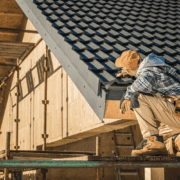
An illustration showing maintenance practices to extend a roof's life expectancy, including regular inspections.

How Does a Roof Inspection Work in Northern Indiana: What Homeowners Should Know

Northern Indiana’s weather puts roofs to the test. From harsh winter snow loads to humid summers that encourage moss growth, your roof faces year-round challenges. A professional roof inspection isn’t just a seasonal chore—it’s one of the best ways to protect your home, avoid costly repairs, and maintain peace of mind.

At A&M Home Services, we’ve inspected thousands of roofs across Plymouth, South Bend, Fort Wayne, Mishawaka, and beyond. As a trusted roofing company in the region, we provide expert inspections, repairs, and replacements to ensure your roof stays in top condition. Here’s a closer look at how roof inspections work, why having your roof inspected regularly is essential for Northern Indiana homeowners, and how it helps maintain your home’s safety.

Key Takeaways

  • Roof inspections identify hidden damage before leaks or structural issues develop.
  • Northern Indiana’s climate creates unique risks like freeze-thaw damage, moss growth, and wind uplift.
  • Professional inspections involve exterior and interior checks, safety measures, and expert documentation.
  • Most roof inspections include a thorough assessment of both the exterior and interior, detailed documentation of findings, and recommendations for repairs or maintenance.
  • Regular inspections can extend your roof’s life, save on repairs, and preserve warranty coverage.
  • A&M Home Services offers free roof inspections for homeowners throughout Northern Indiana.

Why Roof Inspections Matter in Northern Indiana

Northern Indiana experiences some of the Midwest’s most dramatic seasonal swings. Winter ice dams, spring storms, and humid summers can all impact your roofing system. Without regular inspections, small problems like cracked shingles or loose flashing can go unnoticed—leading to leaks, mold, or even structural damage that can affect not just your roof but the entire house.

A proactive inspection schedule helps homeowners avoid surprises and budget wisely for maintenance or repairs. Inspections also help ensure your roof is performing as expected for your house’s age and local climate. For many local homeowners, this is a key part of seasonal home care.

Fun Fact: The freeze-thaw cycles typical in cities like South Bend and Fort Wayne can cause roof materials to expand and contract repeatedly, leading to premature wear.

Home Inspection vs. Roof Inspection

While both a home inspection and a roof inspection are important for understanding the condition of your property, they serve different purposes. A home inspection offers a broad overview of the entire property, including the roof, but often only involves a visual check from the ground or attic. The home inspector may note obvious issues like missing shingles or visible roof leaks, but they typically do not perform an in-depth assessment of the roofing system.

In contrast, a roof inspection is a specialized evaluation conducted by a professional roof inspector who focuses exclusively on the roof’s condition. This includes a close examination of the shingles, flashing, and other roofing materials, as well as checking for potential problems such as leaks, damaged flashing, or structural concerns. The roof inspector will often climb onto the roof to inspect areas that are not visible during a standard home inspection, providing homeowners with a much more detailed understanding of the roof’s health. By scheduling a dedicated roof inspection, you can catch issues early and address them before they lead to costly repairs or damage to your property.

What Happens During a Roof Inspection?

A professional roof inspection with A&M Home Services is thorough and safe. Here’s what our roofing inspector typically checks:

  • Shingles and Roofing Materials: We look for cracks, curling, missing shingles, and signs of wear or moss growth.
  • Material Inspection: The inspector evaluates the condition of shingles, tiles, or metal roofing for damage, deterioration, and potential water intrusion points.
  • Flashings and Seals: These are critical around chimneys, vents, and skylights. Damaged flashings, such as counter flashing, step flashing, or drip edge, are a top cause of leaks.
  • Roof Penetrations: We inspect vent pipes, chimneys, and skylights to ensure proper sealing and prevent water leaks.
  • Roof Deck Integrity: Sagging or soft spots may indicate hidden water damage or structural issues.
  • Gutters and Downspouts: Blocked or damaged gutters contribute to ice dams and water infiltration.
  • Attic Space: We check for signs of leaks, moisture, or inadequate ventilation.
  • Moss and Algae Growth: Moss is particularly common in shaded areas and can damage shingles over time if not addressed.

A ladder is used for safe access to the roof during the inspection, and safety precautions are always followed to prevent accidents.

A structural inspection is also performed to check for sagging, soft spots, or compromised support structures such as rafters and trusses, ensuring the overall integrity of your roofing system.

Unlike a quick glance from the ground, a professional inspection includes climbing onto the roof (weather and safety permitting) and examining areas homeowners often can’t see.

Importance of Interior Inspection

A thorough roof inspection isn’t complete without an interior inspection. This step allows the roof inspector to examine the attic, ceilings, and interior walls for subtle signs of roof leaks or water damage that might not be visible from the outside. During this process, the inspector looks for water stains, mold, or rot, as well as checks the condition of the roof decking and vent pipes. These signs can indicate hidden leaks or structural issues that could lead to further damage if left unaddressed.

By including an interior inspection as part of your regular roof inspection routine, you can catch issues early—before they escalate into major repairs. Homeowners benefit from this proactive approach, as it helps maintain the integrity of the roof and protects the property from costly water damage and mold growth. Inspecting the attic and interior spaces provides more insight into the overall health of your roof and ensures that any necessary repairs are identified promptly.

Exterior Roof Components: What Inspectors Look For

During a roof inspection, inspectors pay close attention to a range of exterior roof components to ensure your roof is in good shape. They start by examining the roofing material—whether it’s shingles, tiles, or metal—for signs of wear, damage, or missing pieces. Flashing around chimneys, skylights, and vents is checked for cracks or deterioration, as these areas are common sources of leaks.

Inspectors also assess the condition of gutters, downspouts, and the drip edge to make sure water is being directed away from the roof and foundation. The fascia and soffit are inspected for rot or damage that could compromise the roof’s structure. In some cases, advanced tools like drones or infrared cameras are used to spot issues that aren’t visible to the naked eye, such as hidden moisture or heat loss. By thoroughly inspecting these exterior components, roof inspectors can recommend necessary repairs and help homeowners prevent future problems.

Roofing Materials and Conditions in Northern Indiana

Northern Indiana’s climate puts unique demands on roofing materials, making regular roof inspections especially important for local homeowners. Common roofing materials in the area include asphalt shingles, metal roofs, and clay or concrete tiles. Each material responds differently to the region’s cold winters, hot summers, and frequent precipitation.

For example, asphalt shingles can become brittle and crack during freezing temperatures, while metal roofs may develop rust or corrosion if not properly maintained. Over time, weathering and aging can affect the performance of any roofing material, increasing the risk of leaks or other issues. Regular roof inspections allow homeowners to monitor the condition of their roof, catch small problems early, and take preventive measures to extend the life of their roofing system. Staying proactive with inspections and maintenance is the best way to keep your roof—and your home—in top condition.


Proper Ventilation and Roof Inspection

Proper ventilation is a key factor in maintaining a healthy roof and preventing costly issues down the line. During a professional roof inspection, inspectors evaluate the ventilation system to ensure that air is flowing freely through the attic and roof space. This includes checking the condition of vents, chimneys, and other components, as well as looking for signs of poor ventilation such as moisture buildup, mold, or musty odors.

Inadequate ventilation can lead to roof leaks, structural damage, and even higher energy bills due to trapped heat and moisture. By including ventilation checks as part of a regular roof inspection, homeowners can reduce the risk of further damage and ensure their roof is functioning efficiently. A professional roof inspection provides more insight into the overall health of your roofing system and helps identify any necessary repairs or improvements to maintain proper ventilation and protect your property.

Seasonal Risks Unique to Northern Indiana

Your location plays a big role in how your roof ages. In Northern Indiana, we see several issues pop up repeatedly:

  • Freeze-Thaw Cycles: Water seeps into small cracks and expands when it freezes, worsening minor damage.
  • Wind Uplift: Strong winds can lift shingles, especially in open areas around Fort Wayne and Kendallville.
  • Moss and Algae: Humid summers and shaded roofs in neighborhoods like Mishawaka or Granger make moss growth a common problem. Moss traps moisture, potentially leading to roof rot.
  • Ice Dams: Snowmelt refreezes at roof edges, creating dams that force water under shingles and into attics. It’s important to inspect eaves for signs of water damage or rot caused by ice dams and freeze-thaw cycles.

Understanding these local risks is key to proactive maintenance and damage prevention.


How Often Should You Schedule a Roof Inspection?

For Northern Indiana homeowners, A&M Home Services recommends:

  • Annually: Once a year, preferably in spring or fall.
  • After Major Storms: Hail, high winds, or heavy snow warrant a post-storm inspection.
  • Before Selling or Buying: Inspections provide peace of mind for both parties in a real estate transaction.
  • If You’ve Recently Purchased: Schedule a roof inspection if you’ve recently purchased a home and did not have one done during the buying process, or if it’s been a long time since the last inspection.

An insurance company may also require a roof inspection for coverage, claims, or policy requirements.

Many roofing warranties also require proof of regular inspections to remain valid. It’s a small investment of time that can save you thousands in unexpected repairs.

The A&M Home Services Roof Inspection Process

When you call A&M Home Services for an inspection, here’s what you can expect:

  1. Scheduling: We’ll work around your calendar and weather conditions for safety.
  2. Exterior Review: We check shingles, flashing, chimney caps, vents, and gutters. We also assess whether roofing materials and components were properly installed to prevent future issues.
  3. Interior Check: We look inside your attic for water stains, insulation issues, or mold growth.
  4. Photo Documentation: We provide detailed photos to show any concerns or damage. Our inspection aims to determine the exact condition of your roof, including areas not visible from the ground.
  5. Clear Recommendations: If repairs are needed, you’ll receive a transparent, no-pressure estimate.
  6. Moss or Moisture Concerns: We’re proactive about moss removal and waterproofing recommendations to protect your roof and attic.

Best of all, A&M Home Services offers free roof inspections for homeowners throughout Northern Indiana.


Common Issues Found During Roof Inspections

Even newer roofs can develop roof issues. Here’s what we most often find during inspections:

  • Missing or damaged shingles from wind storms
  • Warped decking indicating moisture damage
  • Cracked flashing around chimneys and vents
  • Moss growth in shaded areas, especially on the north-facing slopes
  • Loose gutters or improper drainage contributing to ice dams
  • Small leaks that haven’t yet shown up inside the home
  • Sagging roof which can signal structural or support problems
  • Crumbling grout on chimneys, indicating deterioration or the need for repair

Addressing these issues early is the key to avoiding bigger—and more expensive—roof repairs down the road. Regular inspections help identify areas in need of repair before they become major problems.

Benefits of Professional Roof Inspections

Why trust A&M Home Services instead of inspecting your roof yourself?

  • Safety: Our crews are trained to navigate roofs safely and spot issues homeowners might miss.
  • Expertise: With over 14 years of local experience, we understand Northern Indiana’s climate challenges, and our professional inspections help prevent leaks by identifying and addressing potential problem areas before they cause water damage.
  • Warranties: Professional inspections help maintain manufacturer warranties.
  • Peace of Mind: You’ll know your roof is protecting your home and family.

For hard-to-access or complex roofs, we offer advanced inspection options such as drone roof inspection and infrared roof inspection. Drone roof inspections provide a safe and efficient way to assess roofs that are difficult or hazardous to reach, while infrared roof inspections use specialized technology to detect hidden moisture, leaks, or structural issues that may not be visible during a standard inspection.

A&M Home Services has earned recognition as a GAF Master Elite Contractor and holds the Triple Excellence Award and the 3-Star Presidents Club Award—proof of our commitment to quality and community trust.

Regular inspections and timely repairs can save you money in the long run by extending your roof’s lifespan and reducing the risk of costly damage.

FAQs About Roof Inspections in Northern Indiana

How much does a roof inspection cost in Northern Indiana?A&M Home Services offers free roof inspections for homeowners. Costs only apply if repairs are needed, and we’ll provide a clear estimate before any work begins.

Can moss damage my roof?Yes. Moss retains moisture against shingles, which can cause premature deterioration. Our team can recommend safe moss removal and prevention methods.

How long does a roof inspection take?Most inspections take between 45 minutes and 1.5 hours, depending on your roof’s size and the roof’s condition.

Do I need a roof inspection even if my roof looks fine?Absolutely. Regular inspections are important for your home’s roof, even if it appears to be in good shape. Many problems develop underneath the surface and can go unnoticed until leaks appear. Inspections can catch roof leak issues before they cause major damage. Annual inspections are the best prevention.

What happens if you find damage during the inspection?We’ll provide detailed photos, explain your options, and offer a free, no-pressure estimate for any repairs.

Ready to Protect Your Home? Schedule a Free Roof Inspection Today

Protect your home from Northern Indiana’s unpredictable weather. A&M Home Services is your trusted local partner for comprehensive roof inspections, repairs, and moss prevention.

Contact us now to schedule your free roof inspection and keep your roof in top shape for years to come. A professional inspection can help you determine if you need a new roof or if repairs will be sufficient.
Tips for seamless repairs on vinyl siding.

How Long Does Vinyl Siding Last in Indiana?

How Long Does Vinyl Siding Last in Indiana?

If you’re a homeowner in Plymouth, Granger, or South Bend, vinyl siding is likely one of the most attractive options for protecting your home’s exterior. It’s affordable, easy to maintain, and looks great—but how long can you expect it to last? At A&M Home Services, we get this question all the time. Here’s everything you need to know about the lifespan of vinyl siding in Indiana and how to keep yours performing for decades.

The Typical Lifespan of Vinyl Siding

Vinyl siding typically lasts 20 to 40 years, but how long it holds up depends on the quality of the product, the weather, and how well it’s maintained.

In northern Indiana, where harsh winters meet humid summers, siding longevity can vary. When installed properly and cared for, your vinyl siding can easily push the 30+ year mark—even in places like Mishawaka, Fort Wayne, and South Bend.

What Affects Vinyl Siding Durability in Northern Indiana?

Indiana Weather: Freeze-Thaw, Wind, and Sun

From snow and ice in January to summer thunderstorms in July, Indiana homes experience it all. Vinyl siding needs to withstand:

  • Freeze-thaw cycles that cause expansion and contraction
  • Intense summer sunlight that can fade low-quality materials
  • Wind and hail that may lead to cracking or chipping

Quality Installation: Why Experience Matters

Improper installation is one of the fastest ways to shorten the lifespan of vinyl siding. Gaps, nails placed too tightly, or uneven panels can cause warping and water damage.

That’s why Indiana homeowners trust A&M Home Services—with 14+ years in business, our expert siding crews install to spec every time. We don’t just slap up siding—we protect your home.

Maintenance Makes the Difference

Cleaning your siding annually, checking for loose panels, and addressing small issues before they grow will help your siding last longer. In many cases, regular maintenance is the difference between replacing siding at 25 years vs. 40.

Warning Signs It’s Time to Replace Your Siding

  • Cracks or holes — invite water intrusion
  • Warped or buckled siding — indicates installation failure or heat damage
  • Severe fading or chalkiness — shows UV breakdown
  • Mold or mildew — often appears in shaded or damp areas
  • Rising energy bills — may signal compromised insulation behind your siding

If your home in Granger or Fort Wayne shows these signs, call our team for a no-pressure inspection.

How to Extend the Life of Your Vinyl Siding

  • Clean once a year with a mild detergent and garden hose
  • Inspect after storms for loose or damaged sections
  • Keep grills and fire pits away — vinyl can melt if overheated
  • Trim shrubs and trees that trap moisture or rub against siding

Vinyl vs. Other Common Siding Materials

Material Lifespan Maintenance Cost
Vinyl 20–40 years Low (easy to clean) Budget-friendly
Wood 20–30 years High (must paint/stain) Expensive
Aluminum 25–35 years Medium Moderate
Fiber Cement 40–50 years Medium (needs sealing) Higher upfront

Why Homeowners in Plymouth, South Bend & Beyond Choose Vinyl

From the quiet streets of Plymouth to growing neighborhoods in Mishawaka, homeowners choose vinyl siding for:

  • Attractive appearance that lasts
  • Wide color and style choices
  • Quick installation
  • Minimal upkeep

And when it’s installed by A&M Home Services, you’re not just getting siding—you’re getting craftsmanship backed by industry credentials and a local team that cares.

Trust A&M Home Services for Siding That Lasts

At A&M Home Services, we don’t just install siding—we treat your home like it’s our own. We’re:

  • Locally owned and community focused
  • A GAF Master Elite Contractor
  • Honored with the Triple Excellence Award
  • Proud recipients of the 3-Star Presidents Club Award

Whether your home needs a full siding replacement in Fort Wayne, or storm damage repairs in Granger, we’re here with the tools, training, and heart to help.

We answer the phone. We show up. We get it done right.

FAQs About Vinyl Siding Longevity

Q: How long will vinyl siding really last in Indiana?
A: Most vinyl siding lasts 20–40 years. With proper care and expert installation, 30+ years is common in our climate.

Q: Can I pressure wash my siding?
A: It’s better to use a garden hose and mild soap. High-pressure washers can force water behind the siding.

Q: Should I replace my siding or just repair it?
A: If you have widespread fading, warping, or damage, replacement is the better investment. For isolated issues, repairs might work fine.

Q: What’s the best siding for cold climates?
A: Vinyl performs well in cold weather, especially when installed with insulation. We recommend insulated vinyl siding for improved efficiency in Indiana winters.

moss roof

How To Get Moss Off Your Roof: Effective Ways in the Northern Indiana Area

Struggling with moss on your roof? This guide covers simple and effective methods on how to get moss off your roof safely, whether you prefer DIY or professional help. Maintaining a clean and safe site during moss removal is crucial for protecting your roof and gutters from future moss growth.

Key Takeaways

  • Moss thrives in moist, shaded conditions, leading to potential roof damage and degradation if left unchecked.
  • Hiring professional moss removal services ensures effective and safe removal while addressing underlying issues to prevent future growth.
  • DIY efforts to remove moss from your roof can damage the shingles, void warranties, and lead to insurance claim denial.
  • Implementing preventative measures, such as installing zinc strips and regular maintenance, is essential to avoid recurrent moss infestations on roofs.
  • Regular roof inspections are key to preventing moss growth and maintaining a healthy roof.

Introduction to Moss Growth

Moss growth on roofs is a common issue in many parts of the country, particularly in areas with high humidity and rainfall. In Indiana, for example, the area is prone to moss growth due to its proximity to the Great Lakes and the resulting high levels of moisture in the air. Moss growth can be damaging to roofing materials, including shingles, and can lead to costly repairs if left unchecked. Regular maintenance is essential to prevent moss growth and ensure the longevity of your roof.

moss roof removal

Understanding Moss Growth on Roofs

Moss thrives in conditions where moisture is prevalent, and organic debris accumulates, particularly in shaded areas that prevent quick evaporation. These damp, cool environments are perfect breeding grounds for moss, especially in regions with frequent rain or where tree branches overhang the roof. Moss can often grow undetected beneath shingles, where it traps moisture away from sunlight, leading to hidden damage over time, as the roots of the moss can further exacerbate the issue.

With the wind coming off the lakes and the high humidity all year round, Indiana roofs are prone to moss growth. Moss can take hold on roofs, particularly when there is standing water due to clogged gutters, making proper maintenance essential to prevent it from establishing itself and causing damage.

If moss growth is left unattended, it can spread beneath the shingles, introducing moisture into the home and causing wood rot and other structural issues. The presence of moss can also accelerate shingle degradation and eventually necessitate a complete roof replacement. Therefore, addressing these underlying issues and preventing moss growth is critical to maintaining the integrity of your roof.

Taking proactive steps to manage moss growth not only protects your home but also reduces the need for frequent and costly maintenance. Recognizing the conditions that foster moss growth and the potential harm it can inflict allows for the necessary steps to maintain your roof’s condition.

Causes of Moss on Roofs

Moss growth on roofs is often caused by a combination of factors, including shade, moisture, and poor air circulation. In areas with high tree coverage, leaves and branches can provide the ideal environment for moss to grow. Additionally, roofs with poor drainage or blocked gutters can create an environment conducive to moss growth. In the fall, when rain is more frequent, moss growth can accelerate, leading to a moss-covered roof.

Risks of Unchecked Moss

Unchecked moss growth can lead to significant damage to roofing materials, including rot, decay, and structural integrity issues. In extreme cases, moss growth can even lead to the collapse of a roof. Furthermore, moss growth can also lead to health issues, as it can harbor mold and mildew, which can aggravate respiratory problems. In areas of Indiana, such as South Bend, where the population is dense, it is especially important to address moss growth promptly to prevent the spread of health issues.

Professional Moss Removal Services

When dealing with a moss-covered roof, hiring professional services is often the best course of action, especially if the growth is extensive or poses safety risks for manual removal. Professionals have the expertise to remove moss safely and effectively without causing damage to the roof, ensuring that the job is done right the first time.

Local professionals are familiar with the different Indiana house styles, from craftsman to modern. They know how to deal with steep roof pitches and materials ranging from asphalt to tile, which is preferred in the volatile lake-side weather. The range of services provided by professional moss removal companies includes not only moss removal but also preventive treatments and roof maintenance.

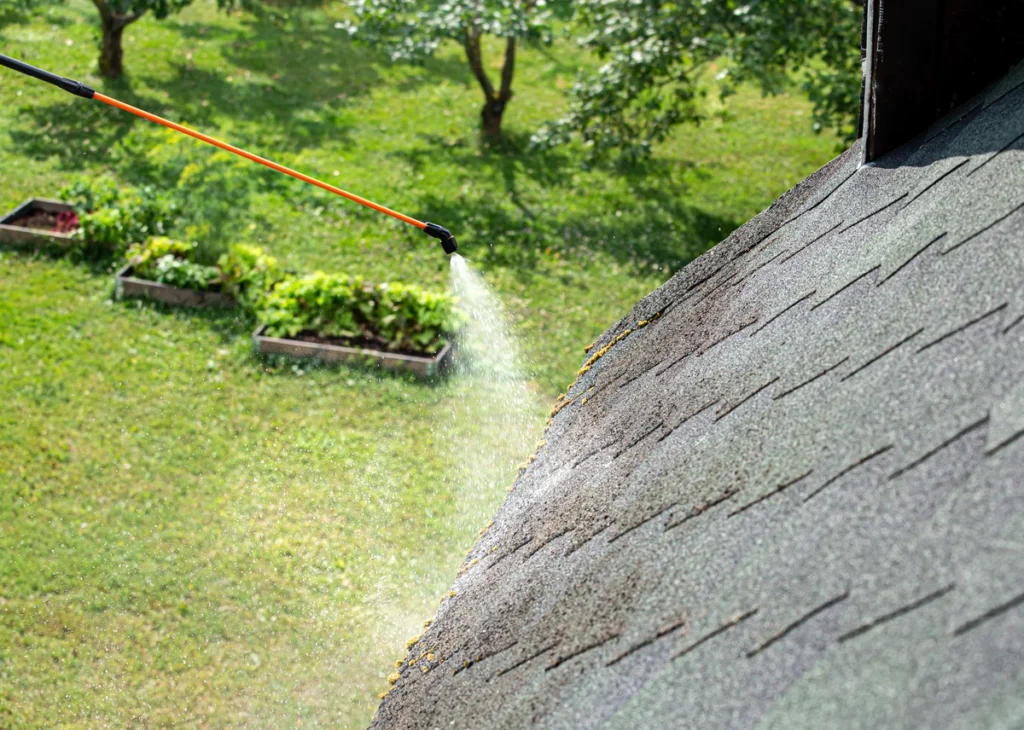
Professional moss removal services typically start with a thorough roof inspection to identify any underlying issues, such as damaged materials or hidden moss growth. This comprehensive approach ensures that all potential problems are addressed, preventing future moss regrowth and additional damage. Experts use specialized tools and eco-friendly products that are designed to remove moss effectively while protecting the integrity of the roofing materials.

Choosing a reputable Northern Indiana company for moss removal involves checking their experience, safety practices, and customer feedback. It’s important to select a business with a proven track record and positive reviews to ensure you receive high-quality service. In regions with high populations, such as Fort Wayne and South Bend, there are numerous companies to choose from, so due diligence is essential.

Choosing professional moss removal services guarantees both the health of your roof and peace of mind, knowing experts are on the job. This investment can save you from costly repairs in the future and help maintain the aesthetic appeal of your home.

moss roof cleaning


Tools and Materials Needed

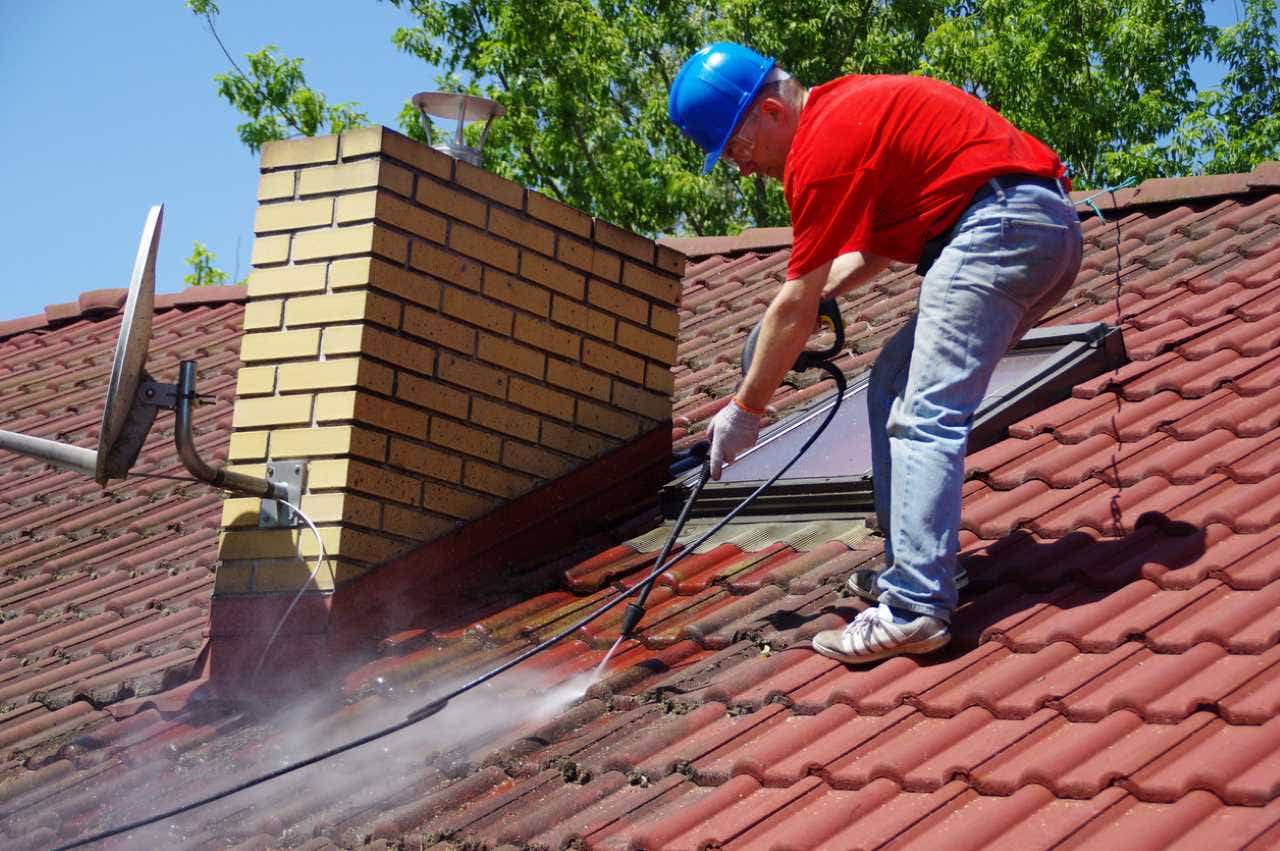
Using the right tools and materials is crucial for safe and effective moss removal from your Indiana roof. Professional roofers typically use a ladder, work gloves, safety goggles, and various brushes specifically designed for cleaning different roofing materials. These tools and materials form a complete set for moss removal, ensuring that the moss is removed without damaging the shingles or other parts of the roof.

Plastic sheeting can also protect surrounding plants and areas during the application of bleach solutions or vinegar. This precaution helps to minimize any potential damage to your landscaping and ensures a thorough and clean moss removal process.

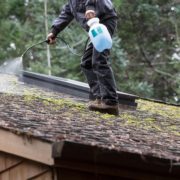
It may seem tempting to do the cleaning yourself, especially now that you have this list of materials to work with. However DIY cleaning roof moss is risky. You may end up with injury, or accidentally damage the roof. A roof damaged by the homeowner often has voided warranty. Any insurance claims for repairs later on may be denied or lessened as well.

Manual Moss Removal Methods Used By Professionals

Manual moss removal methods are often preferred by professionals due to their effectiveness and minimal impact on the roofing materials. One common method involves using a soft-bristle broom to clear loose debris from the roof before applying a scrub brush. This initial step helps to prepare the surface for more intensive cleaning.

After clearing the loose debris, professionals use a stiff brush and trowel to manually remove the moss from the roof. This method is particularly effective on dry days when the moss is less likely to be slippery, challenging to find in annual Indiana weather. Safety is paramount during this process, so wearing appropriate gear such as non-slip shoes and a harness is essential to prevent falls and injuries.

Accessing the roof safely is also crucial for an effective roof moss removal process. Professionals use sturdy ladders or scaffolding to ensure they can reach all areas of the roof without risking their safety. Adhering to these manual methods ensures effective moss removal and the restoration of the roof to its original state. Additionally, these methods can significantly extend the life of the roof by preventing moss-related damage.

Chemical Treatments for Moss That May Be Recommended To You

To lessen the stress of moss-cleaning after every rainy or humid month, chemical treatments are another effective means to remove moss from your roof. These treatments often involve the use of professional-grade biocides that ensure a deep clean while minimizing damage to the roofing materials. A moss cleaning solution, which can be commercially bought or homemade, is necessary to effectively target and eliminate the moss from the roof.

Applying chemical treatments correctly is key to protecting both the roof and the surrounding environment. Applying these treatments in the fall or spring, during the moss’s active growing season, maximizes their effectiveness. Regular reapplication of moss treatments every three years helps maintain long-lasting results and prevents light roof moss increase.

Using eco-friendly cleaning methods protects both human health and roof integrity by avoiding harmful chemicals. These treatments can significantly enhance the longevity of roofs by preventing damage from moss and algae infestations.

Hiring experts for chemical treatment can lead to cost savings in the long run by preventing ideal roof damage that may arise from improper removal techniques, as this information highlights the importance of professional assistance.

Moss Growth Prevention Techniques to Ask Your Roofers About

Preventing moss from appearing is just as important as removing existing moss. One effective technique is installing zinc or copper strips under the roof shingles, which release metal particles during rain that inhibit moss development. These strips help prevent future moss growth by creating an environment that is less conducive to moss.

Before installing zinc or copper strips, it’s essential to remove any existing moss manually to ensure the effectiveness of the strips. Additionally, trimming nearby trees to reduce shade and allow more sunlight to reach the roof can decrease moisture retention and prevent moss growth. Regular inspections can help catch the growth early, preventing larger issues and costly repairs, so it’s important to cut back any overhanging branches.

Failing to implement preventative measures can result in the rapid return of moss, making it crucial to stay proactive in proceeding with the maintenance of your roof. Homeowners are responsible for maintaining their roofs to prevent moss growth. Inquiring about these prevention techniques from your roofers ensures your roof stays moss-free and in great condition.

Safe Cleaning Practices

Safety is paramount when it comes to cleaning your roof. A roof safety kit, which includes a harness and safety rope, is used by professionals to ensure safety when performing moss removal on steep roofs. Working with a partner during roof cleaning enhances safety, providing immediate assistance in case of an accident to lift any potential hazards.

To avoid slips, it’s important to be cautious of wet surfaces and to have your roofs cleaned during dry weather. Prioritizing safety during roof cleaning helps prevent accidents and injuries. Adhering to these safe cleaning practices safeguards you and ensures an effective moss removal process.

Regular maintenance is key to preventing moss growth and ensuring the longevity of your Lino Lakes roof. Here are some essential maintenance tips:

  1. Clean gutters regularly to prevent water accumulation that can promote plant growth on roofs.
  2. Inspect your roof for any signs of damage or wear.
  3. Trim overhanging branches to reduce shade and moisture on the roof.
  4. Apply moss prevention treatments as needed.

Scheduling regular maintenance every few weeks is crucial to keep your roof in optimal condition.

Many homeowners fail to perform this essential maintenance, leading to strong water damage and costly roof repairs.

The optimal seasons for moss removal are late spring, early summer, and early fall due to favorable weather conditions. In humid climates such as the one around Indiana, moss can return quickly after removal, whereas drier areas may experience longer intervals between regrowth. Moss retains moisture, which can lead to water damage and structural issues if not addressed promptly.

Adopting these seasonal maintenance tips helps you stay ahead of potential issues and maintain your roof year-round, so take note.

remove the moss roof

Northern Indiana Climate Considerations

In Northern Indiana, the climate is characterized by cold winters and warm summers, with significant rainfall throughout the year. This climate creates an ideal environment for moss growth, particularly in areas with high humidity and shade. To prevent moss growth in this region, it is essential to take proactive measures, such as cleaning your roof regularly and ensuring good air circulation. By taking these steps, you can protect your roof from the damaging effects of moss growth and ensure the longevity of your roofing materials. Additionally, using zinc strips or other treatments can help to prevent regrowth and keep your roof moss-free.

Schedule a Roof Inspection Today

A&M Home Services has over 14 years of experience in caring for your roof as if it’s our own. We provide you with a detailed inspection covering the moss on your roof and any other potential issues so you can make the most cost-efficient and timely decisions for your home. Contact us to schedule an inspection and ensure your roof remains in top condition.

Call us today at 574-318-3326 and let us help you keep your roof healthy and clean in all seasons.