574-318-3326


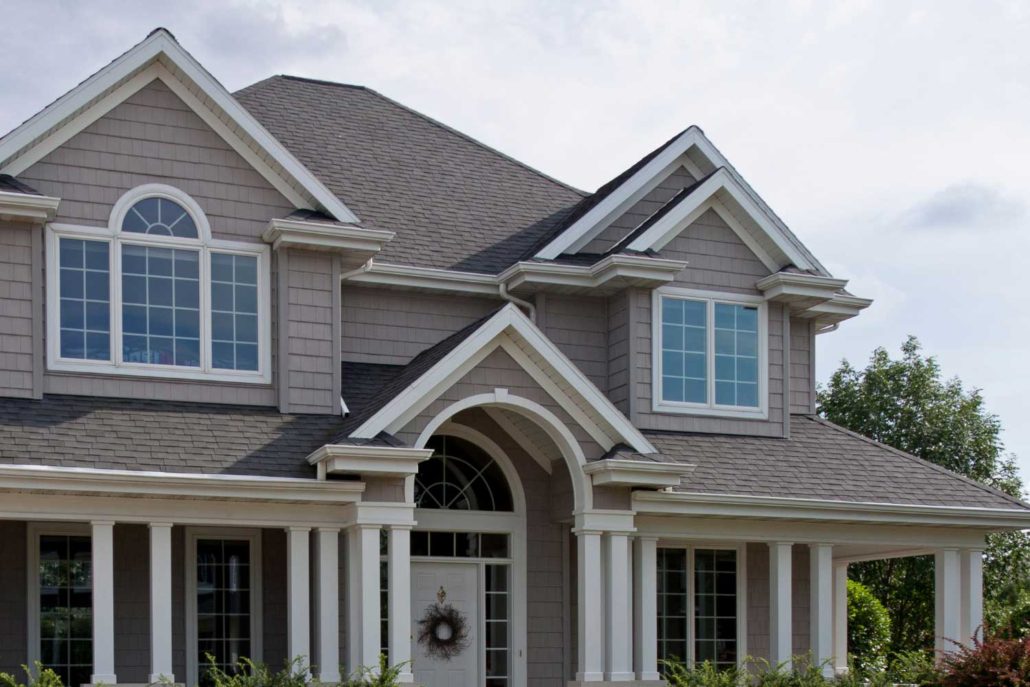
3-Tab vs. Architectural Shingles: What Works Best for Northern Indiana Storm Seasons
Date Modified: February 5, 2026
3-Tab vs. Architectural Shingles: What Works Best for Northern Indiana Storm Seasons
Northern Indiana homeowners face a unique mix of weather challenges that put constant pressure on roofing systems. Strong winds off Lake Michigan, sudden hailstorms, heavy snow loads, and repeated freeze-thaw cycles all test how well asphalt shingle roofs hold up over time. Choosing between 3-tab shingles and architectural shingles is not just a style decision here, but a performance decision that affects storm resistance, roof leaks, and the overall roof’s life.
From neighborhoods in South Bend to rural homes outside Plymouth and Kendallville, the difference between these roofing materials becomes clear after a few harsh seasons.
Key Takeaways
- Northern Indiana storm seasons expose key performance differences between 3-tab and architectural shingles.
- Wind resistance, installation quality, and roof deck preparation play a larger role here than in milder climates.
- Many premature roof failures we see are tied to material limitations combined with improper installation.
- Understanding local weather patterns helps homeowners choose roofing materials that deliver real value over time.
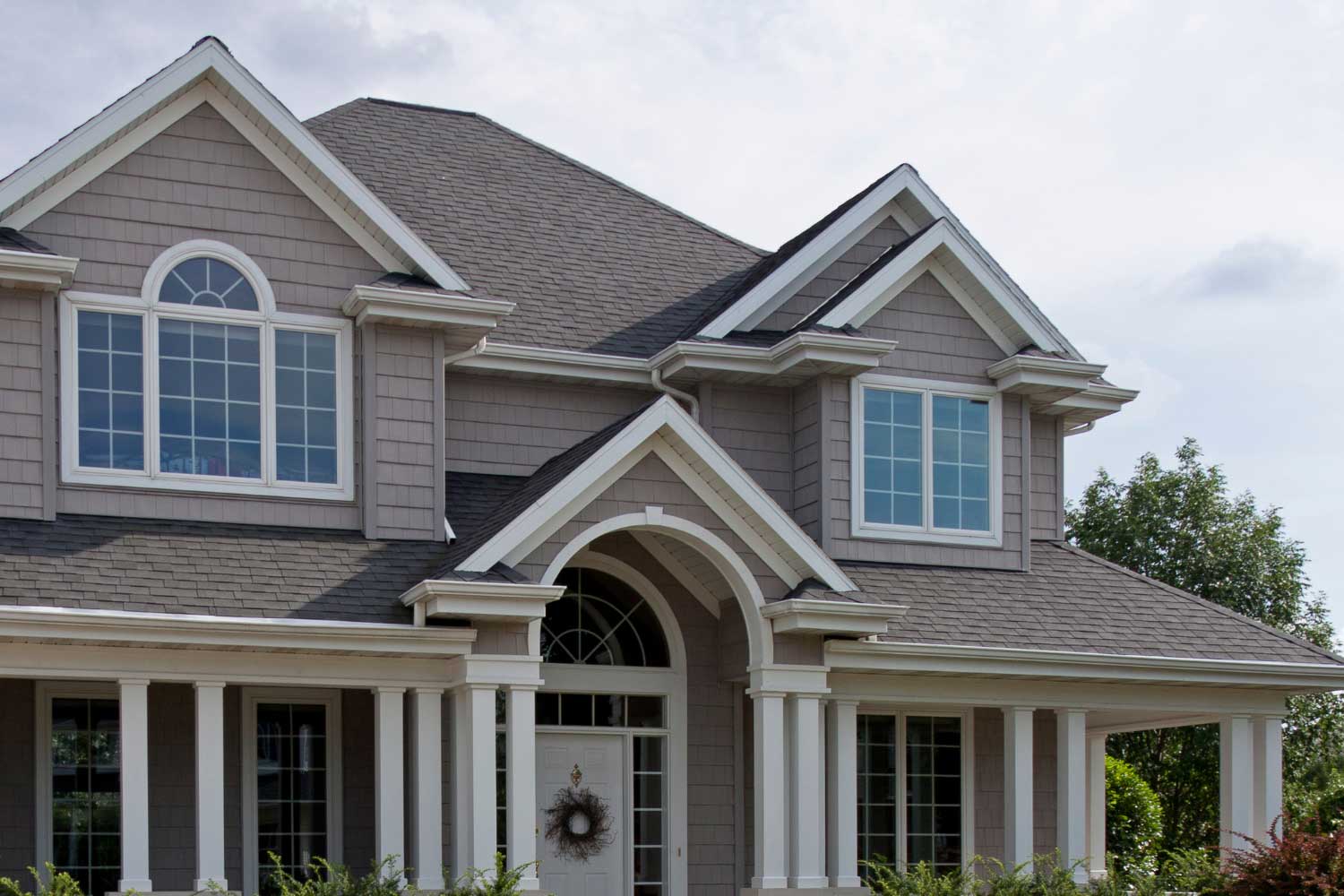
Storm Performance of 3 Tab vs Architectural Shingles
Based on what we see during inspections and post storm repairs across the region, these performance areas consistently separate short term durability from long term roof protection.
Wind Resistance During Northern Indiana Storms
In areas like Granger and along open farmland outside Fort Wayne, strong winds are one of the most common causes of roof damage we respond to. Three-tab shingles have a flatter profile and fewer seal points, which makes them more vulnerable to shingle blow off when wind speeds climb during severe weather.
Architectural shingles are thicker and heavier, with multiple bonding layers that create better wind resistance, especially when properly installed to the manufacturer’s specifications.
After major storm events, missing shingles and loose shingles are far more common on older 3-tab roofs.
Performance Against Hail and Falling Debris
Hail damage and impact from tree branches are frequent service calls after summer storms in Northern Indiana. Three-tab shingles tend to show cracked shingles, granule loss, and bald spots more quickly because the material is thinner and absorbs impact directly.
Architectural shingles distribute impact across layered asphalt, reducing tear points and slowing visible roof damage.
In neighborhoods with mature trees, like older sections of South Bend, this difference often determines whether a roof needs minor roof repair or full roof replacement.
Freeze-Thaw Cycles and Long-Term Durability
Repeated freeze-thaw cycles are one of the biggest stressors on asphalt shingle roofs in this region. Moisture that gets under shingles expands as it freezes, leading to curling shingles and early signs of failure.
Three-tab shingles are more prone to lifting at the edges during these cycles, especially when attic ventilation is limited. Architectural shingles maintain their seal longer and resist edge lift, which helps prevent roof leaks during late winter thaws.
UV Exposure and Summer Heat Breakdown
Summer heat and prolonged exposure to UV rays can accelerate asphalt breakdown, even in Northern Indiana. Three-tab shingles often show black streaks, uv degradation, and granule loss sooner because there is less asphalt mass to protect the roof system.
Architectural shingles offer better protection against trapped heat and uv rays, especially when paired with ridge vents and balanced attic ventilation. This difference becomes noticeable in roof inspections after just a few summers.
How to Choose the Right Shingle for Northern Indiana Homes
Choosing the right shingle for a Northern Indiana home goes beyond appearance or upfront cost and comes down to how well the entire roof system is matched to local conditions, installation practices, and long-term performance expectations.
Matching Roofing Material to Exposure Conditions
Homes on open lots near lakes, fields, or elevated terrain experience stronger and more consistent wind. In these exposure conditions, architectural shingles or even metal roofing options like standing seam systems offer better long-term protection.
Three-tab shingles may work on sheltered properties, but they often struggle in high wind zones common in northern counties. Choosing roofing materials that match your exposure reduces the risk of storm damage and premature roof failure.
Installation Quality Matters More Than Shingle Type
Many homeowners focus on materials without realizing how much poor installation affects performance. Improper installation, such as incorrect nailing patterns or rushed sealing, leads to loose shingles and roof leaks regardless of shingle type. Architectural shingles are more forgiving, but even high-quality materials fail early when installed incorrectly.
Working with an experienced roofing contractor who understands local building codes and storm patterns makes a measurable difference.
Roof Deck Condition and Ventilation Considerations
A solid roof deck and proper attic ventilation are critical in Northern Indiana climates. Older homes in areas like Mishawaka often have decking issues that contribute to water damage and shingle movement during storms.
Three-tab shingles installed over uneven decking show early failure faster than architectural shingles. Ridge vents, balanced intake, and addressing attic moisture help any asphalt roof replacement last longer.
Budget, Longevity, and Real Value Over Time
While three-tab shingles may cost less upfront, the roof’s life is often shorter in extreme weather conditions. Architectural shingles typically provide better real value by reducing repair frequency and extending replacement timelines.
Many homeowners who initially choose 3-tab later face higher long-term costs due to wind damage repairs and insurance claims. Evaluating monthly financing options instead of just material price helps homeowners invest in protection that lasts.
Schedule a Roof Inspection Before Storm Season
If you are unsure which roofing material is right for your Northern Indiana home, a professional roof inspection can identify early signs of damage and exposure risks.
At A&M Home Services, we’ve been serving the region since 2011, helping homeowners prepare for severe weather with high-quality materials and properly installed roof systems. Schedule an inspection now the next storm season to prevent costly repairs and unexpected leaks.
Frequently Asked Questions
Are architectural shingles better for high winds in Northern Indiana?
Architectural shingles generally perform better in high winds due to their heavier weight and stronger seal points, especially when installed correctly.
Do 3-tab shingles fail faster in cold climates?
In regions with frequent freeze-thaw cycles, 3-tab shingles are more likely to curl, crack, and experience shingle blow-off over time.
How often should I have my roof inspected for storm damage?
Regular inspections after severe weather and at least once a year help catch early signs of roof damage before leaks develop.
Can poor attic ventilation cause shingle failure?
Yes, trapped heat and moisture in the attic can shorten the life of asphalt shingles and contribute to premature roof failure.
Is metal roofing a better option for extreme weather?
Metal roofing offers excellent wind resistance and durability, but asphalt shingles remain a popular and effective option when properly installed and maintained.